
Rabbits / Breeds
Tan Rabbit
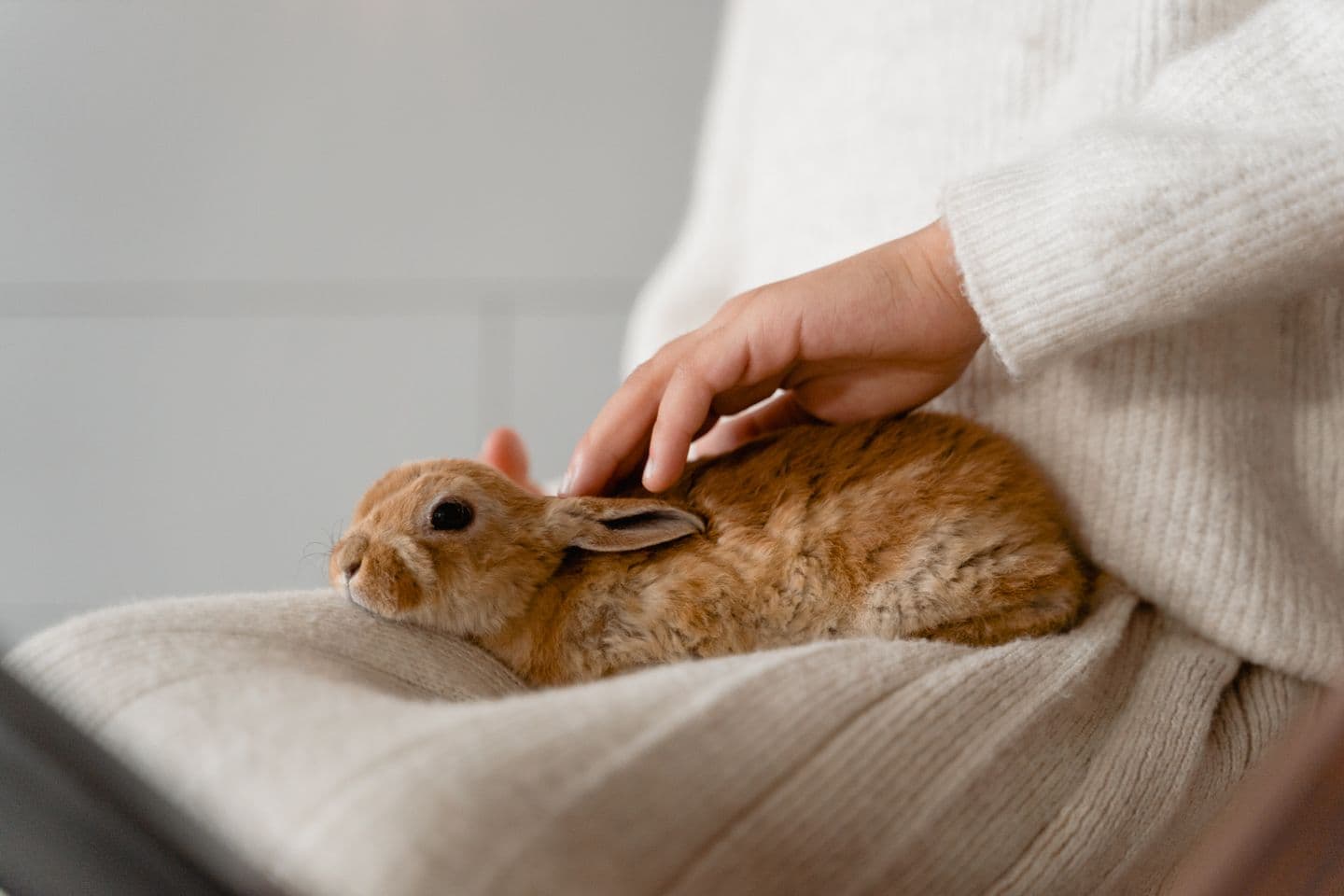
A sleek, athletic rabbit with a glossy dark coat and a bright tan underside, closer in spirit to a wild rabbit than most companion breeds.
2 min read
Rabbits / Behaviour
A rabbit suddenly holding its head at an odd angle is alarming to see, but head tilt, also called torticollis or wry neck, is a symptom with a genuine chance of recovery in many cases, rather than an
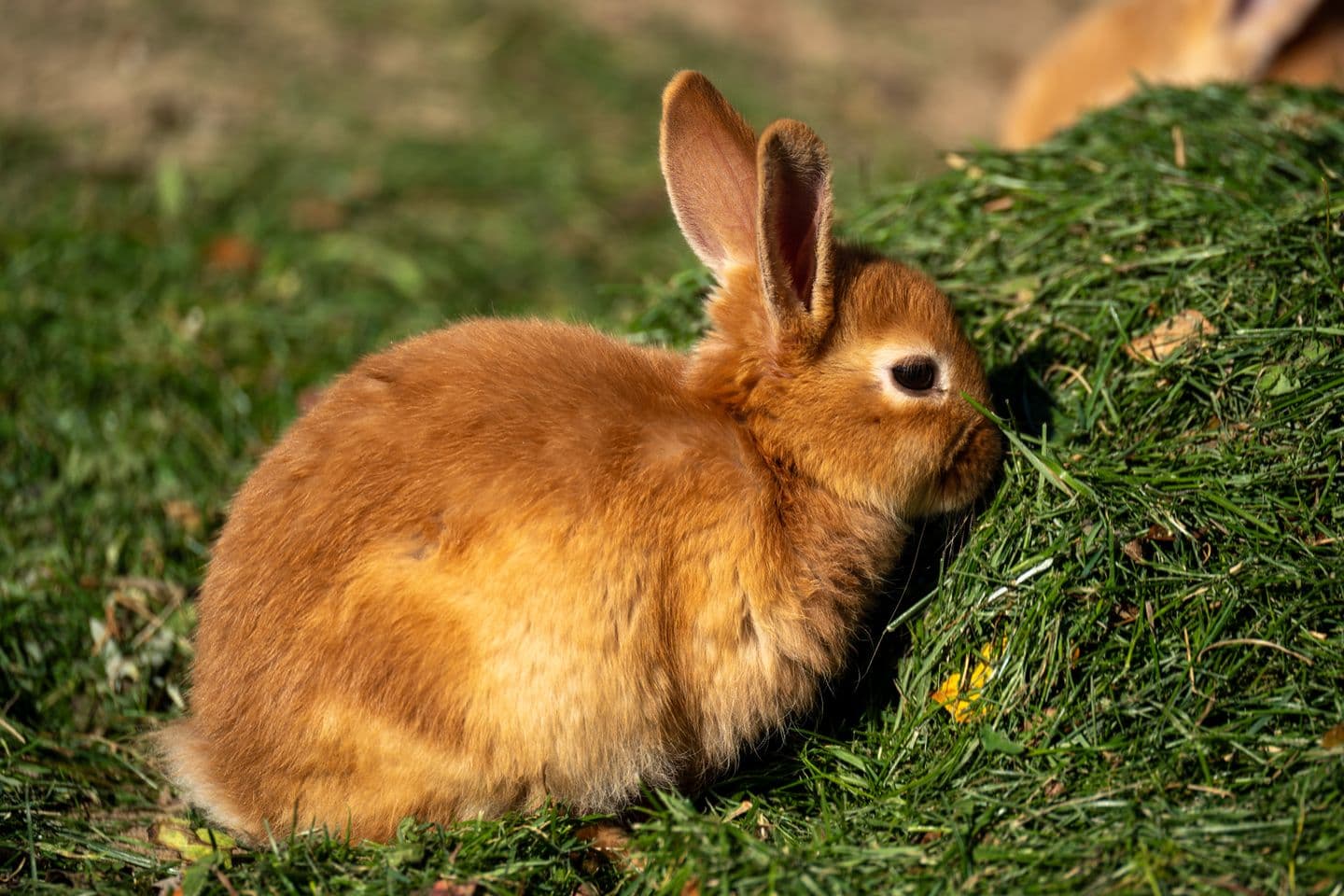
A rabbit suddenly holding its head at an odd angle is alarming to see, but head tilt, also called torticollis or wry neck, is a symptom with a genuine chance of recovery in many cases, rather than an automatic sign of a hopeless outlook.
Head tilt happens when something disrupts the balance system located in the inner ear and brain. The two most common causes by far are an inner ear infection and infection with the parasite Encephalitozoon cuniculi, which is thought to affect a very large proportion of pet rabbits, though many carry it without ever showing symptoms. Less common causes include head trauma, stroke, tumours, or abscesses.
Beyond the tilted head itself, watch for flickering eye movements, loss of balance, circling, rolling, or difficulty eating and drinking. Symptoms can appear gradually or, more often, quite suddenly.
A vet will examine the ears for infection, may run bloodwork or an E. cuniculi antibody test, and in some cases will recommend imaging to rule out a tumour or abscess. Because ear infections and E. cuniculi are hard to tell apart from symptoms alone, many rabbits are started on treatment for both simultaneously while results are pending.
Ear infections are treated with antibiotics, sometimes alongside anti-inflammatory medication. E. cuniculi is treated with a month-long course of fenbendazole. Supportive nursing matters enormously during recovery: padded, non-slip bedding to prevent falls, hand-feeding if the tilt makes eating difficult, and patience, since improvement can take weeks. Many rabbits recover fully, and those left with a mild residual tilt generally adapt well and go on to live full, comfortable lives.
A rabbit left with a permanent head tilt after treatment is not in ongoing pain from the tilt itself and can live a genuinely happy life with a few adjustments. Keep the enclosure low-sided and free of sharp edges in case of stumbles, use shallow food and water dishes that are easy to reach at an angle, and avoid high platforms or ledges the rabbit might misjudge and fall from.
Regular gentle checks of the ears for discharge, odour or excessive wax help catch infections early, particularly in lop-eared breeds, whose folded ears trap moisture and debris more easily than upright ears. Avoid poking anything into the ear canal at home, since this can cause injury or push debris further in, and leave any deeper cleaning to a vet.
Article content © Ravi Teja. All rights reserved.
Rabbits / Breeds
A sleek, athletic rabbit with a glossy dark coat and a bright tan underside, closer in spirit to a wild rabbit than most companion breeds.
2 min read
Rabbits / Breeds
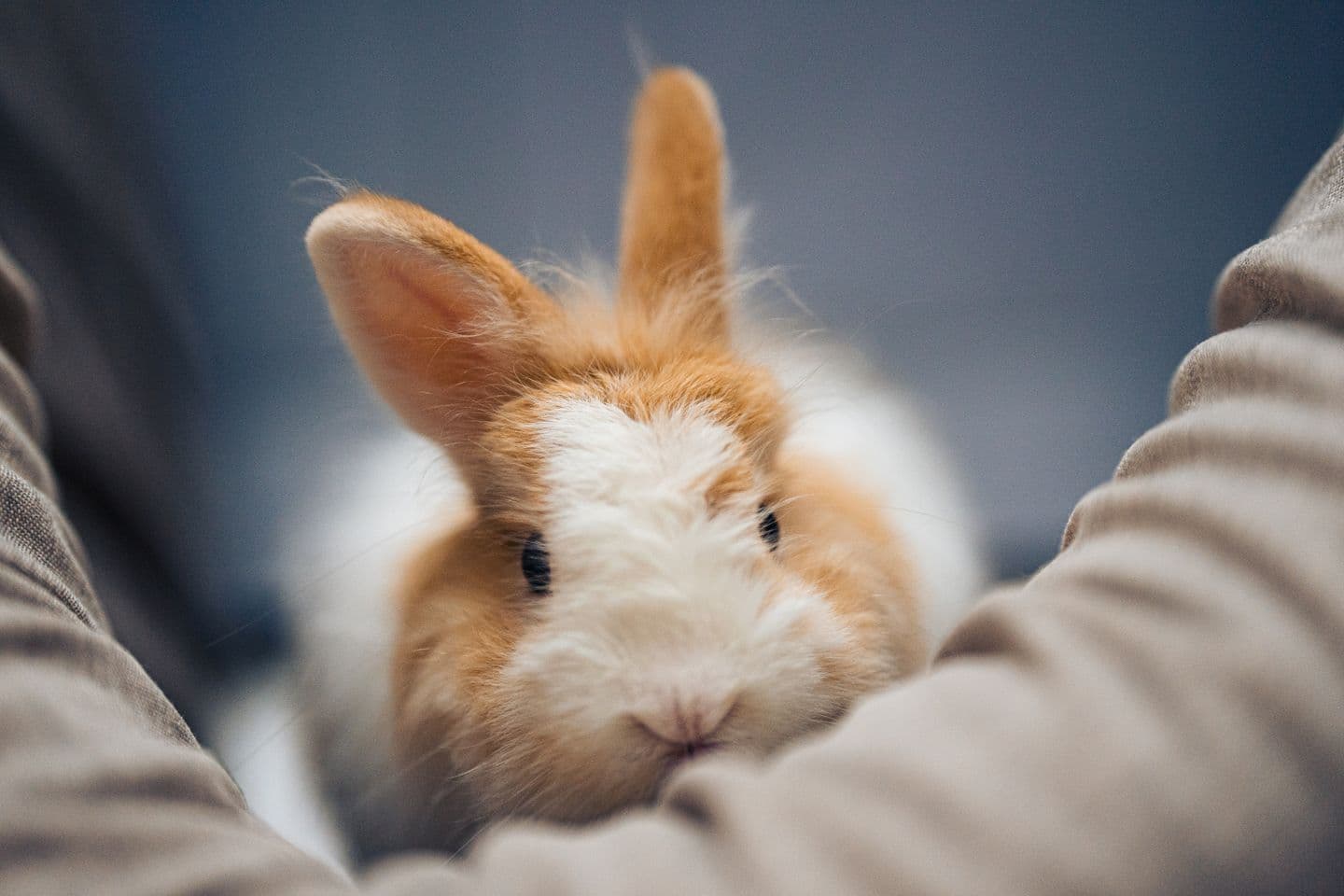
Florida Whites are generally docile, good natured, and relaxed once they have had time to build trust with their owner.
2 min read
Rabbits / Breeds
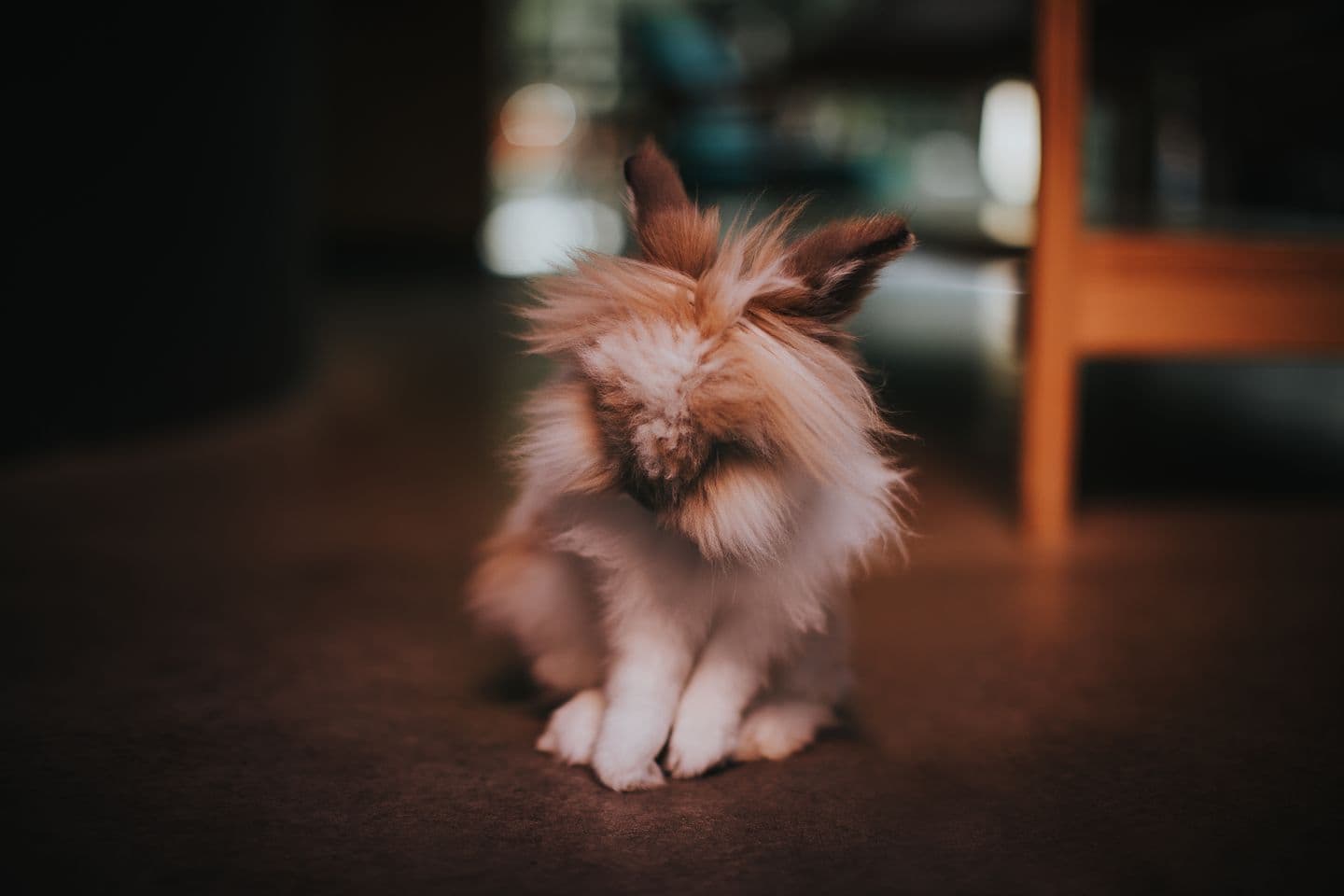
English Angoras are typically gentle and calm, a temperament that works in their favour given how much handling their coat requires.
3 min read