
Rabbits / Breeds

Tan Rabbit

A sleek, athletic rabbit with a glossy dark coat and a bright tan underside, closer in spirit to a wild rabbit than most companion breeds.
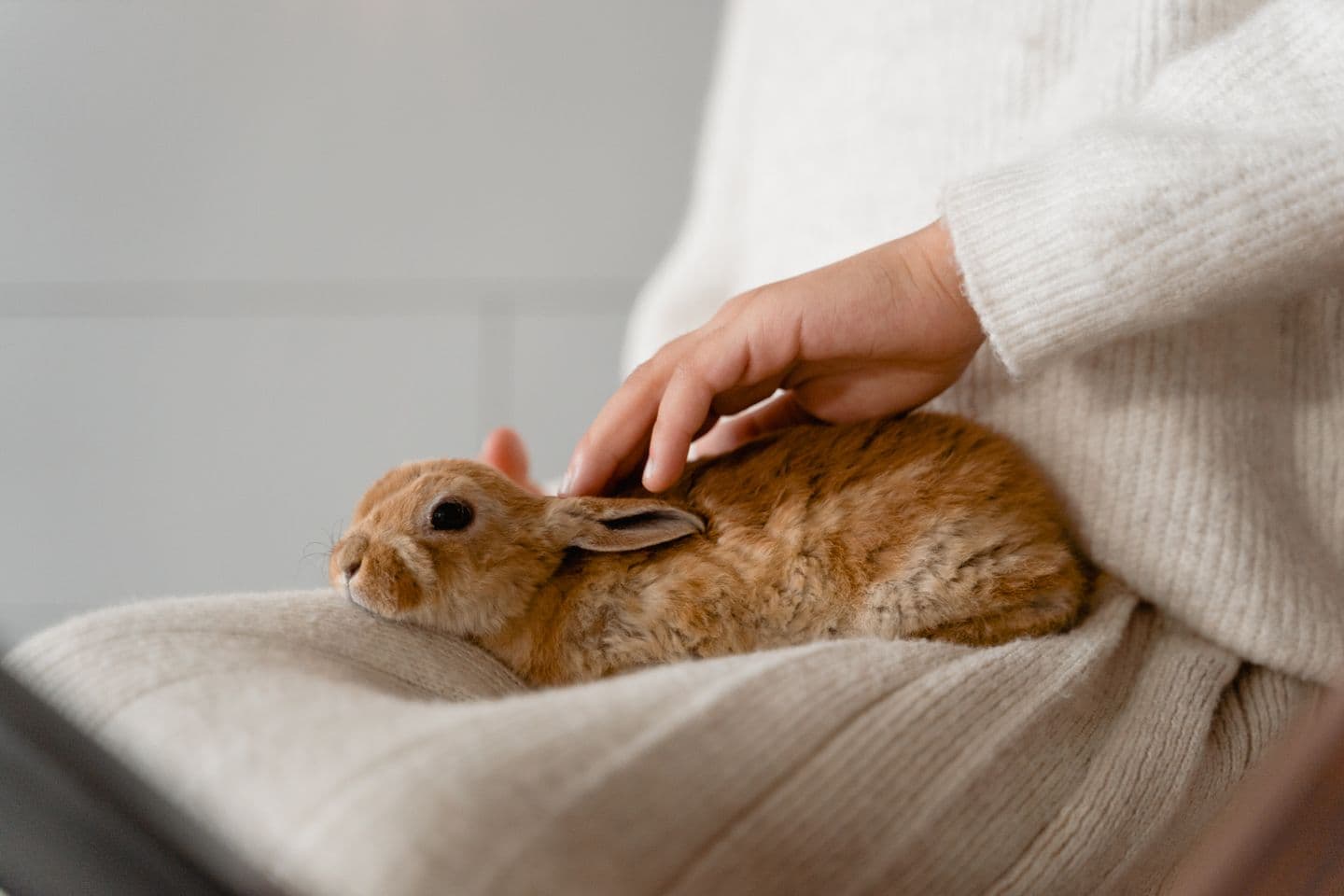
Adorable brown rabbit on lap being petted. Calm and cozy indoor atmosphere.
Photo by Tima Miroshnichenko on Pexels
In this guide

A sleek, athletic rabbit with a glossy dark coat and a bright tan underside, closer in spirit to a wild rabbit than most companion breeds.

Quick facts

  • Origin: England, developed in the 1880s from wild rabbit stock, with later Belgian Hare influence refining the breed
  • Adult weight: Up to 2.5 kilograms (about 5.5 pounds) under the American standard, with a lighter ideal of about 2 kilograms (4.5 pounds) under the British standard
  • Lifespan: 7 to 10 years
  • Coat: Short, dense, and glossy flyback fur, with a dark top colour and sharply defined tan markings underneath
  • Best suited for: Owners who enjoy an alert, athletic, genuinely active rabbit rather than a calm lap companion

What they are like

Tan Rabbits are bright, curious, and busy, closer in energy to their semi-wild ancestry than many companion breeds.

They tend to be less of a couch potato than rounder, calmer breeds, and do best with predictable routines and plenty of supervised exercise.

This breed can be more aloof and skittish than most, and does in particular can turn nippy if not well socialised or if handled during a hormonal period, so patient, consistent handling from an early age matters more here than with calmer breeds.

Feeding and diet

  • Fresh hay should always be available, forming the bulk of the diet
  • About two tablespoons of pellets daily suits this breed's smaller, athletic frame
  • Fresh greens in daily rotation support digestion
  • Given this breed's higher activity level, appetite may run a little higher than in a calmer breed of similar size, so weight is still worth checking regularly

Grooming and everyday care

  • A weekly brush is generally enough for this short, glossy, low-maintenance coat
  • Brush a little more during seasonal moults
  • Standard nail and ear checks apply monthly

Health watch

  • A generally hardy breed without notable hereditary conditions beyond the usual dental and digestive issues common to all rabbits
  • Because this breed is genuinely active, secure housing and supervised exercise areas matter to prevent escapes or injury
  • Routine appetite and weight checks remain the best early warning system

Keeping one in India

The Tan Rabbit's short coat suits Indian heat well, though its high energy means it needs more daily exercise space than a typical calm companion breed, worth planning for in advance.

This breed remains uncommon in India, generally available only through dedicated hobby breeders.

Article content © Ravi Teja. All rights reserved.

A little more to explore.

Charming close-up of a fluffy rabbit being held, showcasing warmth and affection.

Rabbits / Breeds

Florida White

Florida Whites are generally docile, good natured, and relaxed once they have had time to build trust with their owner.

2 min read
A cute lionhead rabbit with fluffy fur sitting indoors, captured in soft lighting.

Rabbits / Breeds

English Angora

English Angoras are typically gentle and calm, a temperament that works in their favour given how much handling their coat requires.

3 min read
Adorable Mini Lop rabbit on a dark studio background showcasing soft fur and cute whiskers.

Rabbits / Breeds

English Lop

The rabbit world's record holder for ear length, a gentle giant that needs its ears protected as carefully as it is loved.

3 min read