
Rabbits / Breeds

English Angora

English Angoras are typically gentle and calm, a temperament that works in their favour given how much handling their coat requires.
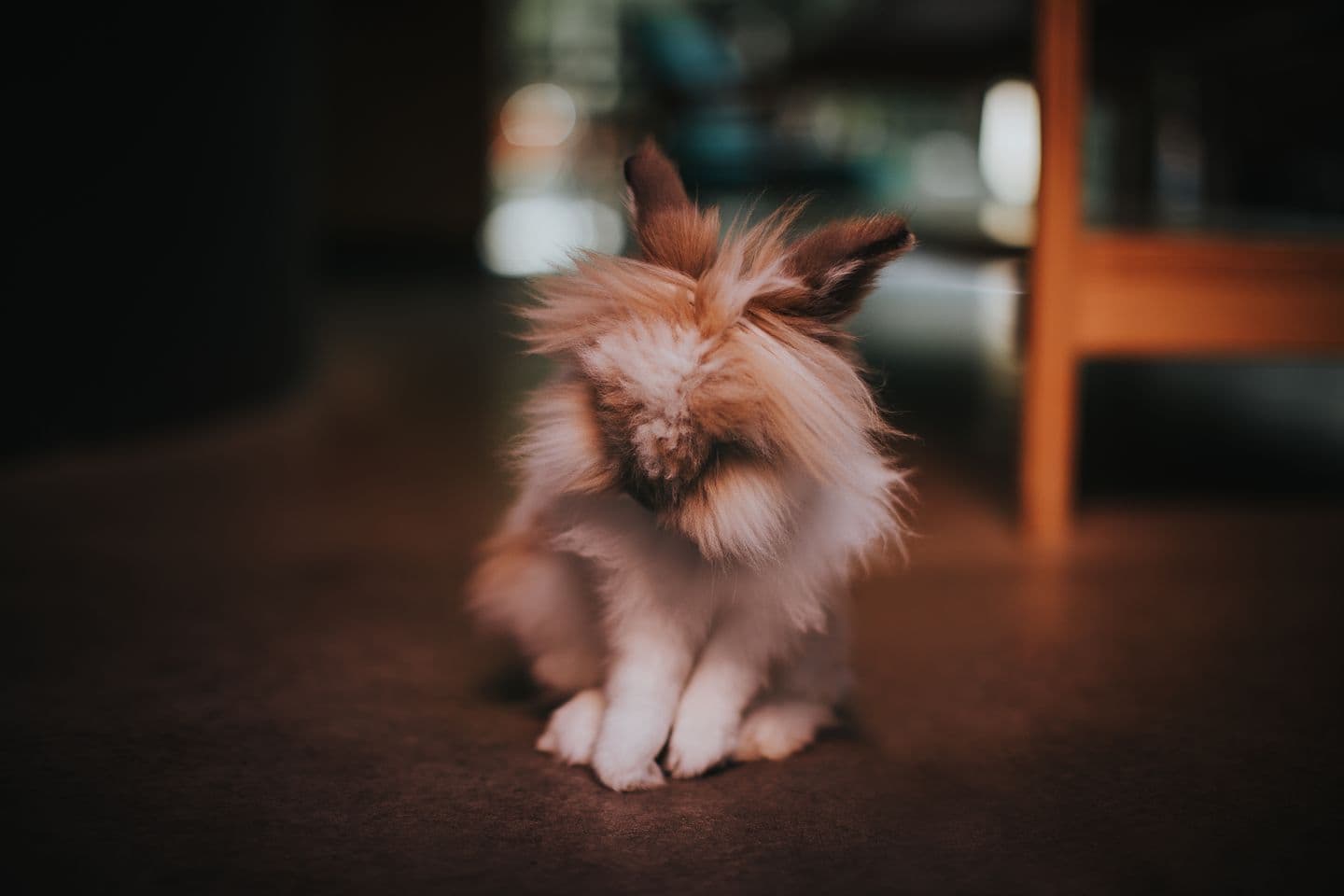
A cute lionhead rabbit with fluffy fur sitting indoors, captured in soft lighting.
Photo by Helena Lopes on Pexels
In this guide

The fluffiest and most compact of the Angora breeds, essentially a wool ball with a face.

Quick facts

  • Origin: Turkey originally, refined into a distinct show breed in England
  • Adult weight: 2.3 to 3.4 kilograms (about 5 to 7.5 pounds)
  • Lifespan: 7 to 12 years with attentive coat care
  • Coat: Extremely long, fine wool covering the entire body including the face and ears, needs the most grooming of any breed on this list
  • Best suited for: Committed owners with real time for daily grooming, not a low-maintenance starter pet

What they are like

English Angoras are typically gentle and calm, a temperament that works in their favour given how much handling their coat requires.

They tend to enjoy being groomed once accustomed to it, which becomes a bonding routine between rabbit and owner rather than a chore alone.

Because their eyes and ears are surrounded by wool, they can be more easily startled by sudden movement they do not see coming, so a gentle, predictable approach helps.

Feeding and diet

  • Unlimited grass hay is critical for this breed, both for digestion and because the fibre helps move ingested wool through the gut
  • About two to three tablespoons of pellets daily, ideally a formula with added fibre, supports coat growth
  • Fresh greens in daily rotation help maintain gut motility, which is especially important given the wool-ingestion risk
  • A vet-approved fibre or papaya-based supplement is sometimes used during heavy shedding to help move wool through the digestive tract

Grooming and everyday care

  • Daily brushing is genuinely necessary, not optional, to prevent painful mats and skin problems underneath the wool
  • Many owners choose to shear or clip the coat every three to four months, which is far more manageable for Indian conditions than maintaining full show-length wool
  • Check the coat around the tail and hindquarters daily, since this area is most prone to soiling and, in warm weather, fly strike

Health watch

  • Wool block is a serious risk in this breed, since Angoras ingest more fur than most through self-grooming, watch closely for reduced droppings or appetite
  • Overheating is a major concern given the density of the coat, particularly in Indian summers
  • Skin irritation and matting under the wool can go unnoticed without regular hands-on checks, so grooming sessions should include a skin inspection

Keeping one in India

This is one of the most demanding breeds on this list to keep in India. The wool coat is a genuine liability in heat and humidity, and most experienced Indian rabbit keepers recommend keeping the coat clipped short year-round rather than attempting to maintain full length.

Angoras need to live indoors with reliable cooling through the summer and the rains, and owners should have a groomer or vet on hand who is comfortable shearing a rabbit safely.

Part 2

Angoras and Lops (Part 2)

Article content © Ravi Teja. All rights reserved.

A little more to explore.

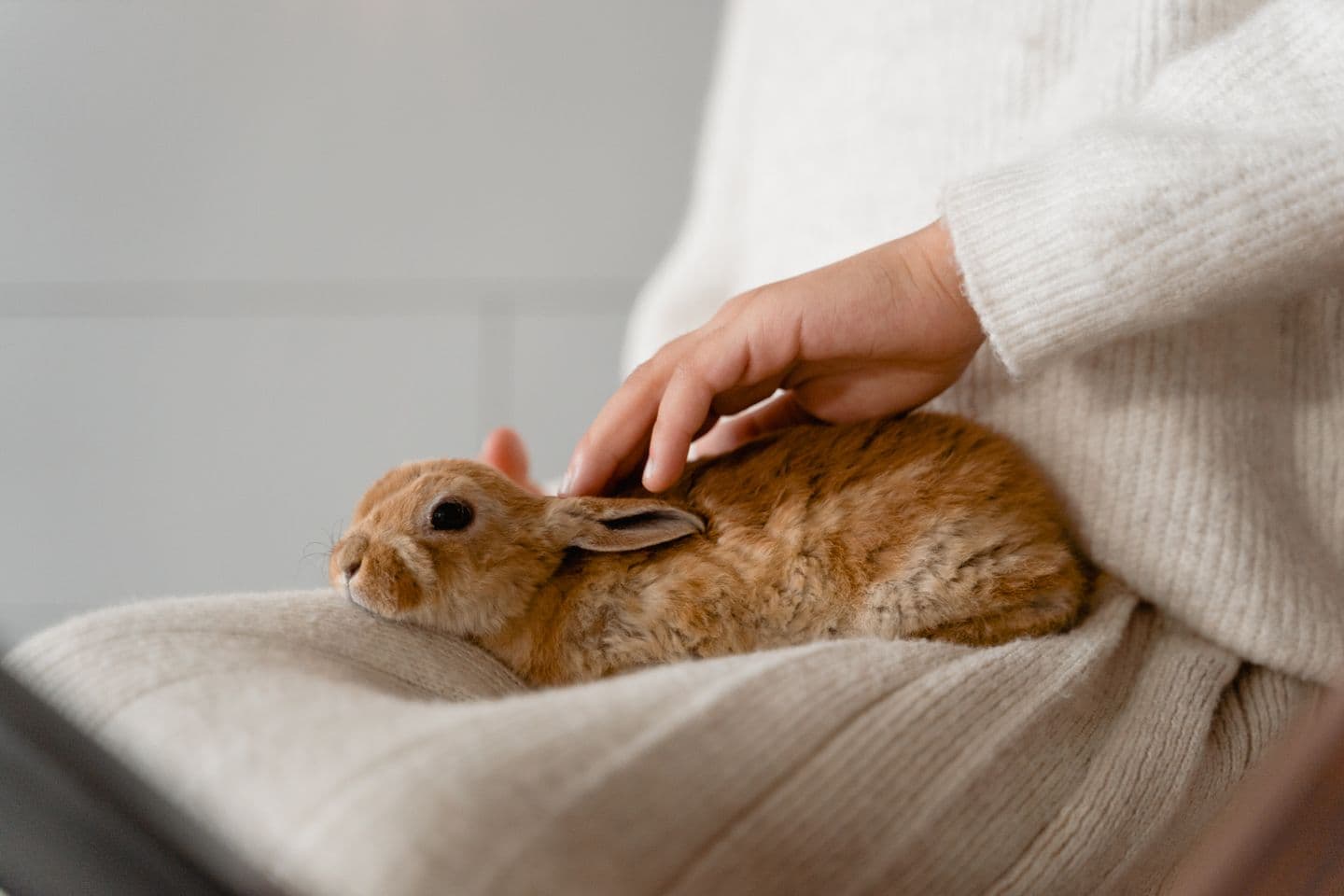
Adorable brown rabbit on lap being petted. Calm and cozy indoor atmosphere.

Rabbits / Breeds

Tan Rabbit

A sleek, athletic rabbit with a glossy dark coat and a bright tan underside, closer in spirit to a wild rabbit than most companion breeds.

2 min read
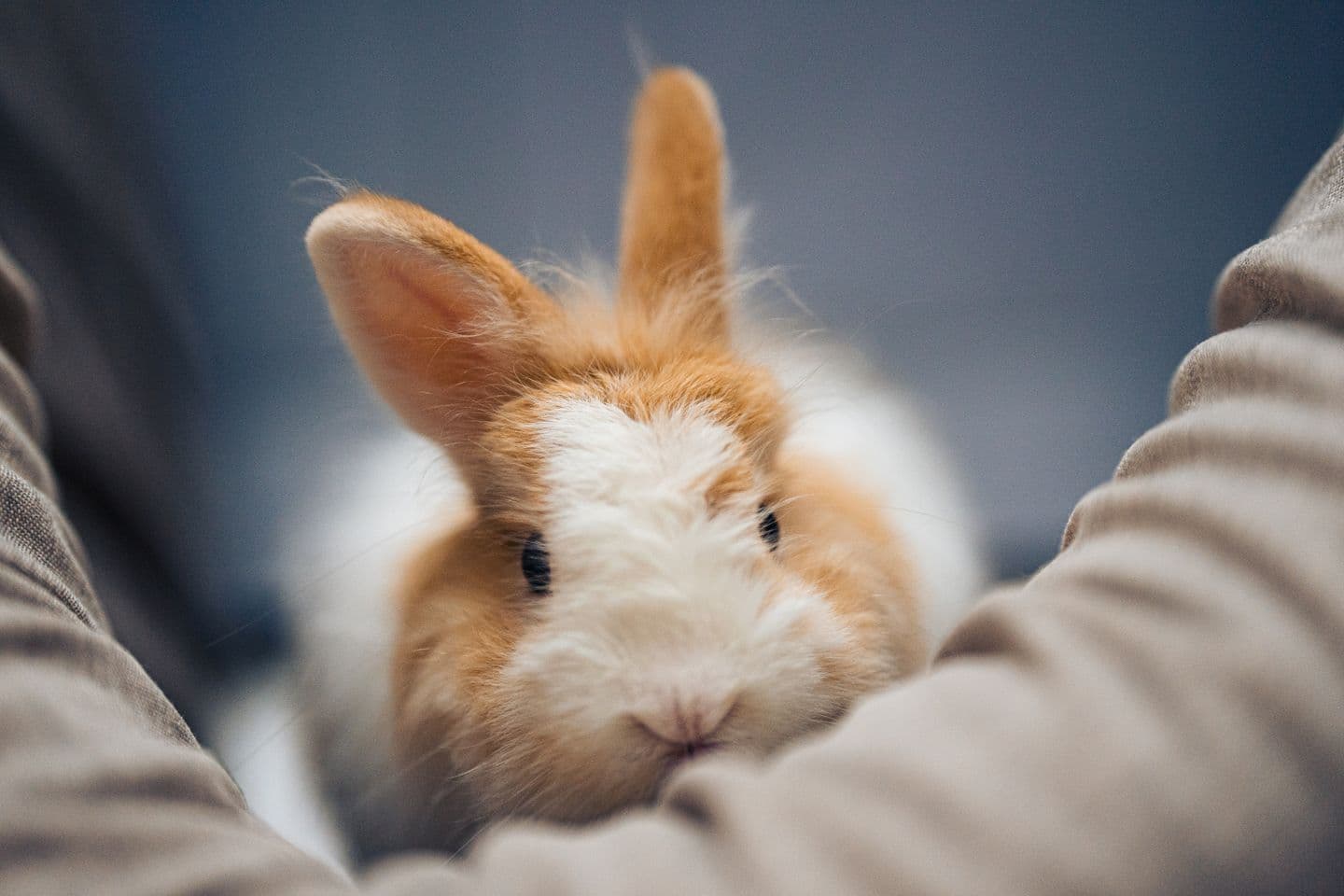
Charming close-up of a fluffy rabbit being held, showcasing warmth and affection.

Rabbits / Breeds

Florida White

Florida Whites are generally docile, good natured, and relaxed once they have had time to build trust with their owner.

2 min read
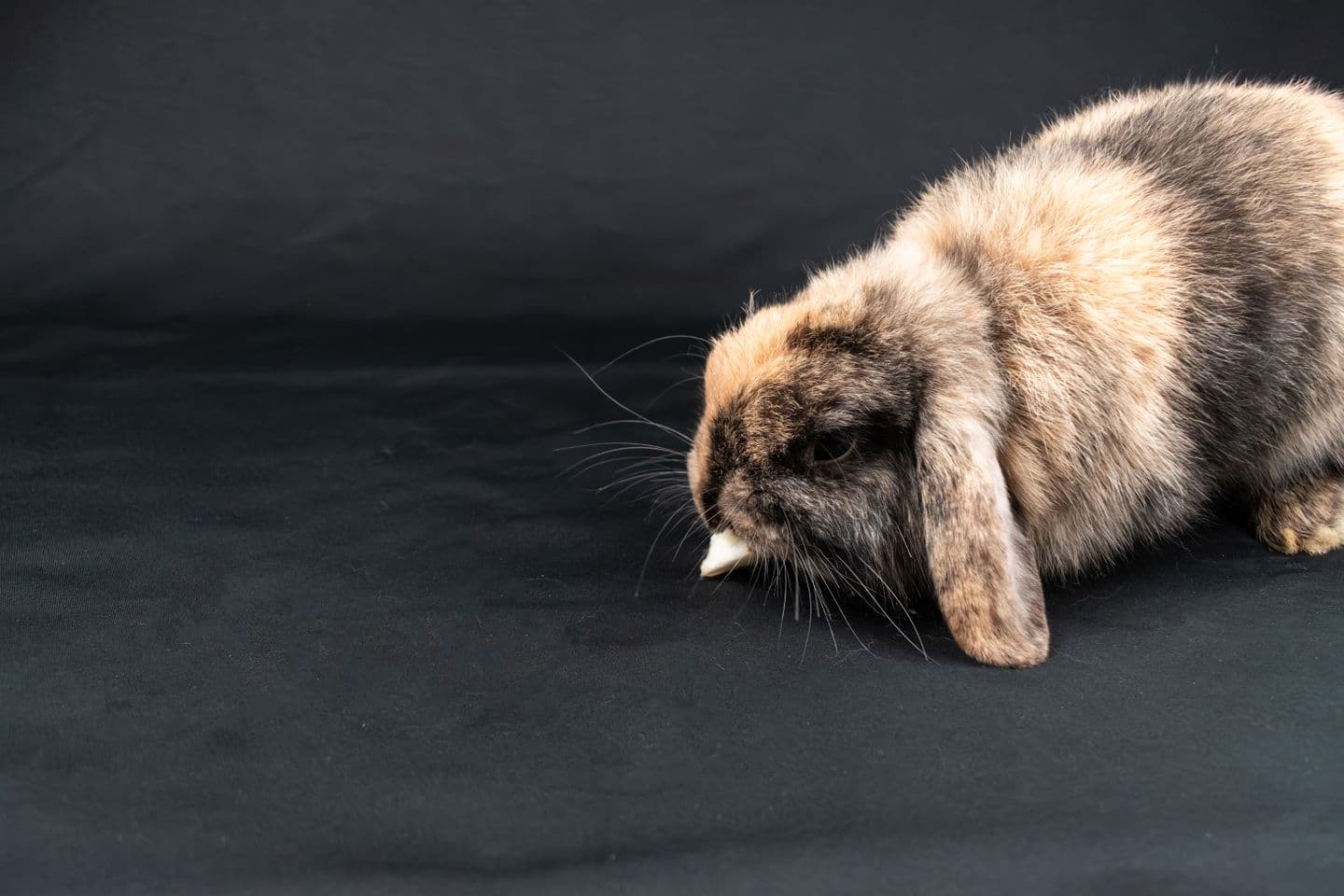
Adorable Mini Lop rabbit on a dark studio background showcasing soft fur and cute whiskers.

Rabbits / Breeds

English Lop

The rabbit world's record holder for ear length, a gentle giant that needs its ears protected as carefully as it is loved.

3 min read