
Rabbits / Breeds
Tan Rabbit
A sleek, athletic rabbit with a glossy dark coat and a bright tan underside, closer in spirit to a wild rabbit than most companion breeds.
2 min read
Rabbits / Behaviour
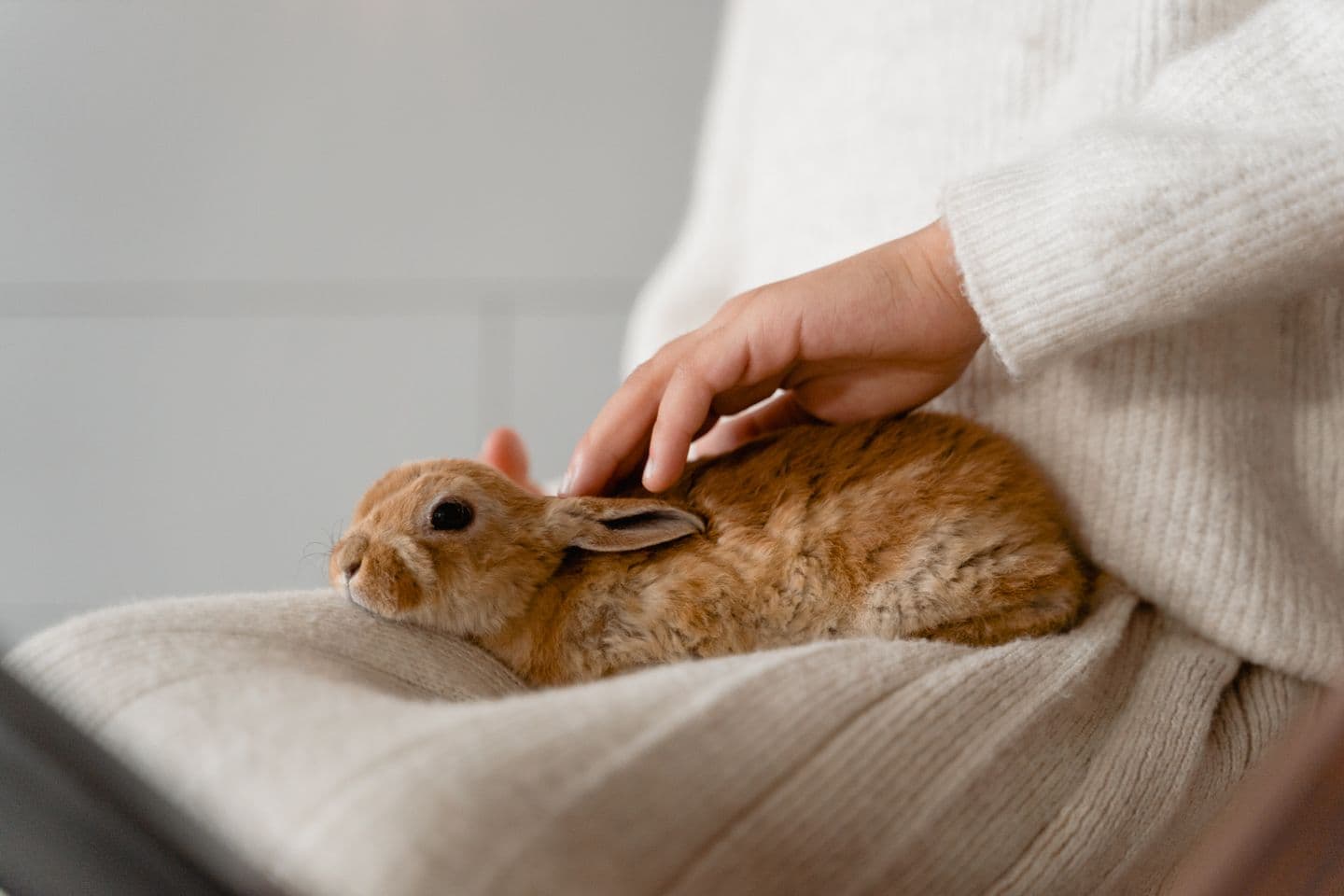
Rabbits are quiet animals, and most of what they communicate happens through posture and movement rather than sound. Learning to read these signals turns a rabbit from a mysterious pet into a genuinel
Rabbits are quiet animals, and most of what they communicate happens through posture and movement rather than sound. Learning to read these signals turns a rabbit from a mysterious pet into a genuinely easy one to understand.
A hunched posture with an arched back, reluctance to move, and a rabbit that suddenly stops its usual flopping and binkying are all worth watching closely. Rabbits hide illness well, so a change in normal body language, more than any single dramatic sign, is often the first clue something is wrong.
Periscoping, where a rabbit stands tall on its hind legs to get a better view, is simple curiosity. Chinning objects, where a rabbit rubs its chin against furniture or people, is scent marking and a sign the rabbit considers that object, or person, its own.
Lop-eared breeds, increasingly popular in Indian cities, cannot use ear position to signal the way upright-eared breeds do, since their ears hang low regardless of mood. With lops, body posture, tail position and overall tension carry more of the signal, so it is worth watching the whole body rather than expecting the ears to tell the story.
Two rabbits kept together communicate through much of the same body language, along with mutual grooming, which is a sign of a settled, trusting bond. Occasional light mounting between bonded rabbits, including between two of the same sex, is normal and usually about establishing which rabbit is more dominant rather than mating behaviour, and it typically settles down once the pair works out their dynamic. Persistent fighting, chasing, or fur pulling between two rabbits is a different matter and usually means the pair is not yet properly bonded.
Article content © Ravi Teja. All rights reserved.
Rabbits / Breeds
A sleek, athletic rabbit with a glossy dark coat and a bright tan underside, closer in spirit to a wild rabbit than most companion breeds.
2 min read
Rabbits / Breeds
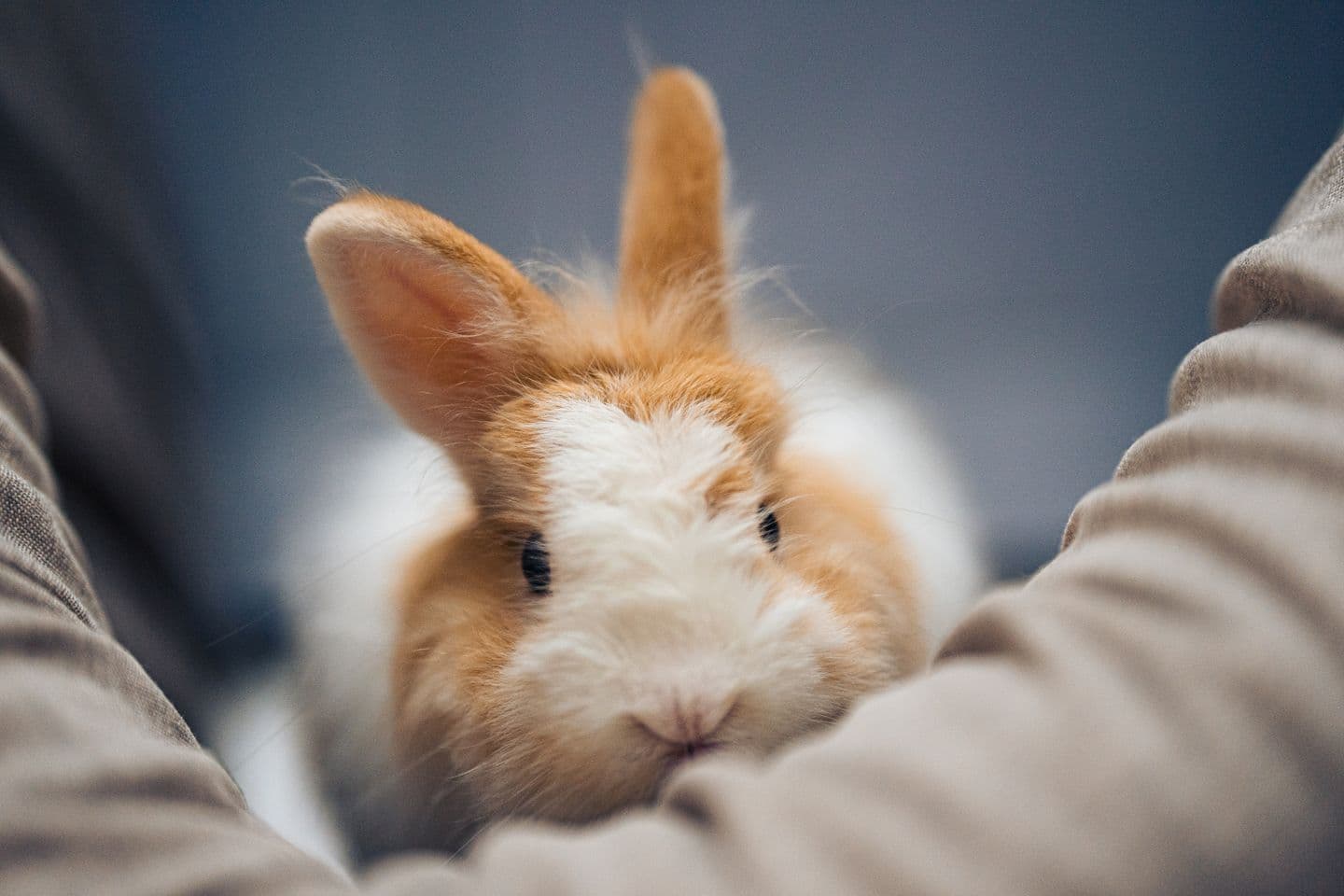
Florida Whites are generally docile, good natured, and relaxed once they have had time to build trust with their owner.
2 min read
Rabbits / Breeds
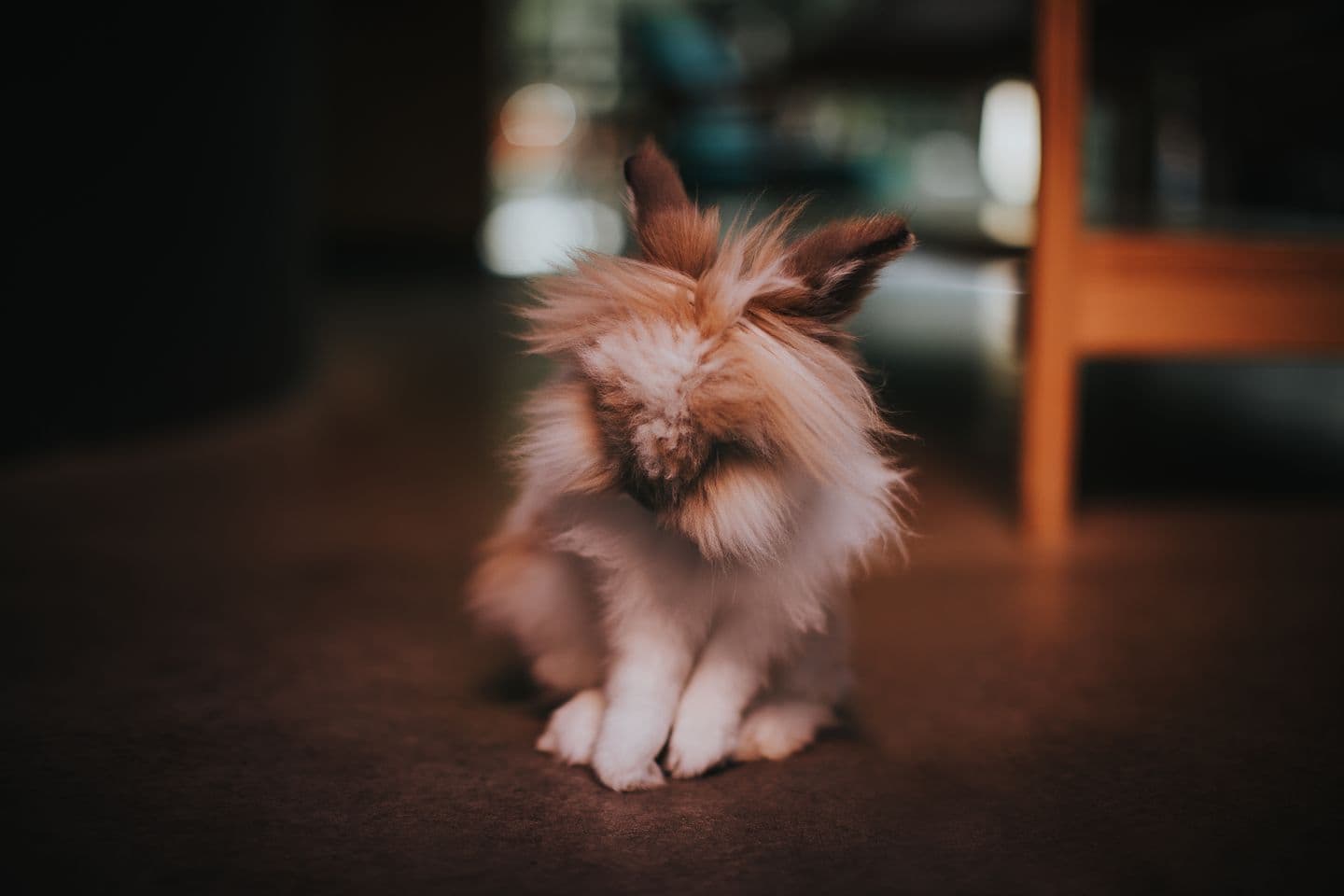
English Angoras are typically gentle and calm, a temperament that works in their favour given how much handling their coat requires.
3 min read