
Rabbits / Breeds
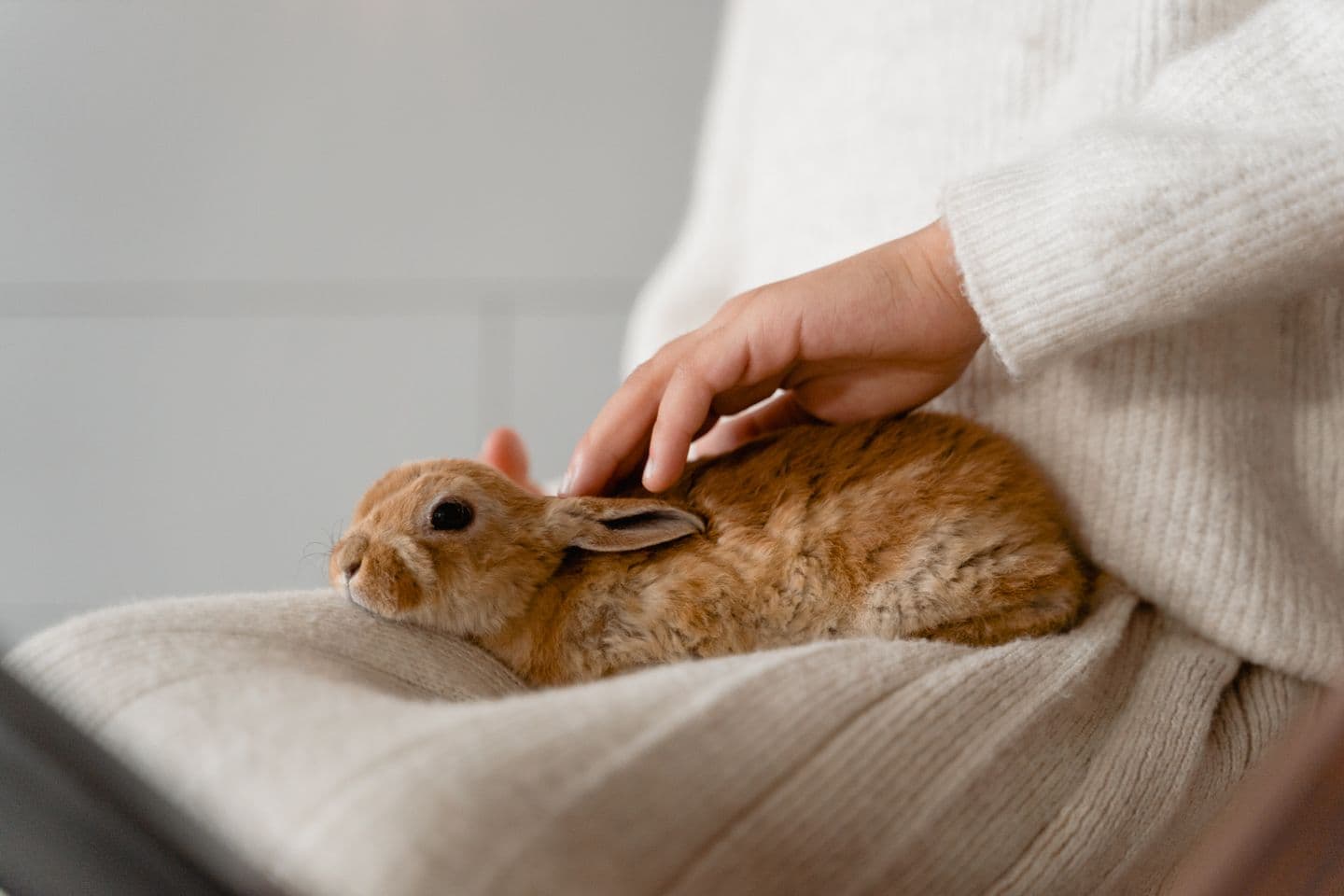
Tan Rabbit
A sleek, athletic rabbit with a glossy dark coat and a bright tan underside, closer in spirit to a wild rabbit than most companion breeds.
2 min read
Rabbits / Behaviour
A rabbit that suddenly favours one leg or hops awkwardly is telling you something is wrong, even if it is still eating and behaving normally otherwise. Rabbits hide pain well, so limping, once it beco
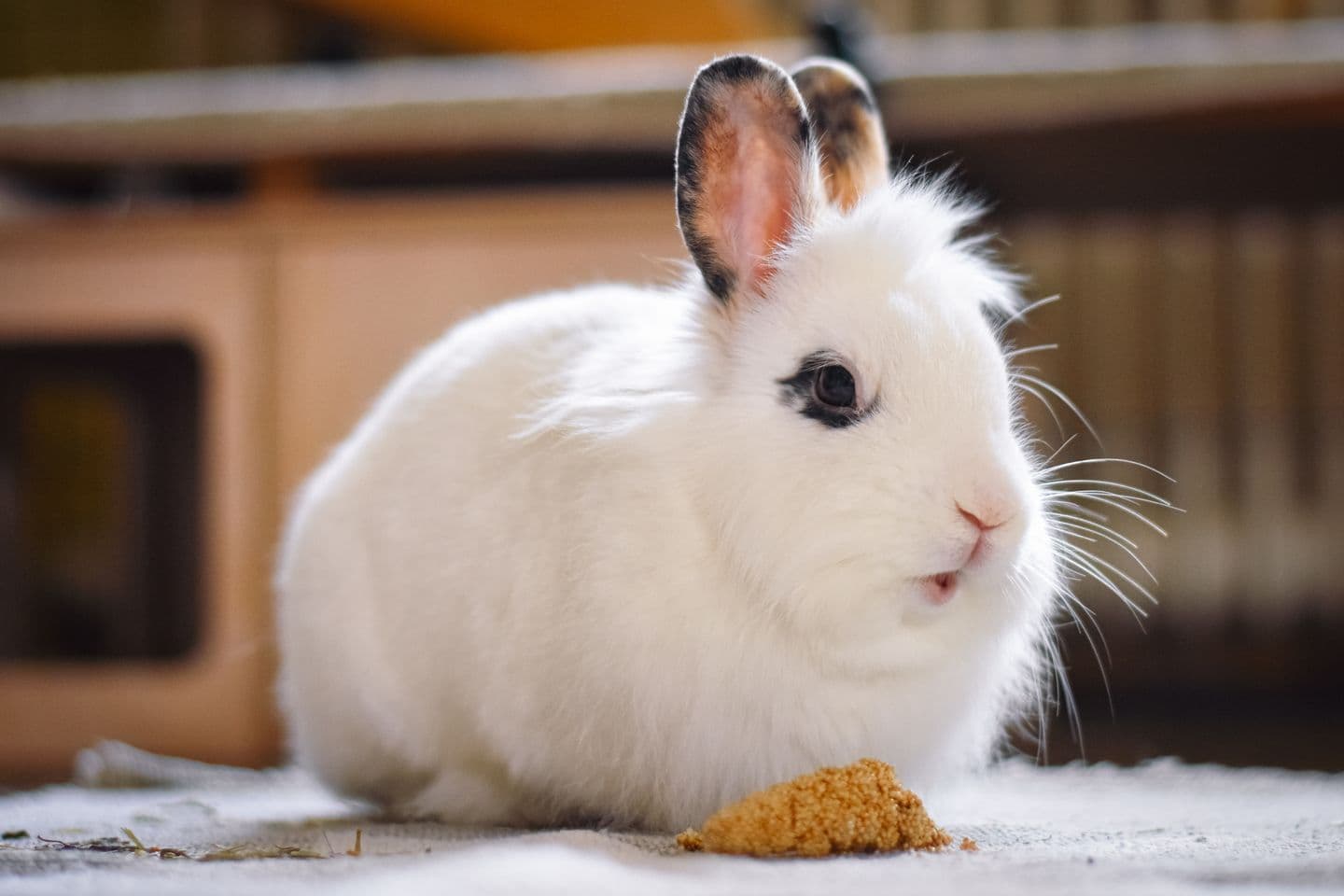
A rabbit that suddenly favours one leg or hops awkwardly is telling you something is wrong, even if it is still eating and behaving normally otherwise. Rabbits hide pain well, so limping, once it becomes visible, usually deserves a same-day look rather than a wait-and-see approach.
Restrict movement to a small, confined space to prevent further injury, check the feet and legs gently for obvious wounds, swelling or heat, and avoid handling the rabbit more than necessary. Do not attempt to splint a suspected fracture yourself.
A rabbit that cannot bear weight at all, cries out, drags a leg, has visible swelling or deformity, or stops eating alongside the limping needs urgent veterinary care rather than a routine appointment.
Soft, thick bedding rather than bare wire or hard flooring, a healthy weight, and regular nail trims all reduce the risk of the two most common causes of limping in otherwise healthy rabbits.
Support the hindquarters fully with one hand and the chest with the other whenever you lift a rabbit, and avoid this altogether if a fracture or spinal injury is suspected, since an awkward hold can worsen the injury. If a rabbit needs to be moved for a vet visit, sliding a towel underneath it and lifting the towel as a sling is often safer than direct handling.
Once a vet has diagnosed the cause, most rabbits need a period of restricted movement in a small, calm space to heal properly, followed by a gradual return to normal activity rather than an abrupt one. Rushing a rabbit back to full exercise before healing is complete is a common reason for re-injury, so following the vet's timeline closely, even once the rabbit seems to be moving normally again, gives the best long-term outcome.
Article content © Ravi Teja. All rights reserved.
Rabbits / Breeds
A sleek, athletic rabbit with a glossy dark coat and a bright tan underside, closer in spirit to a wild rabbit than most companion breeds.
2 min read
Rabbits / Breeds
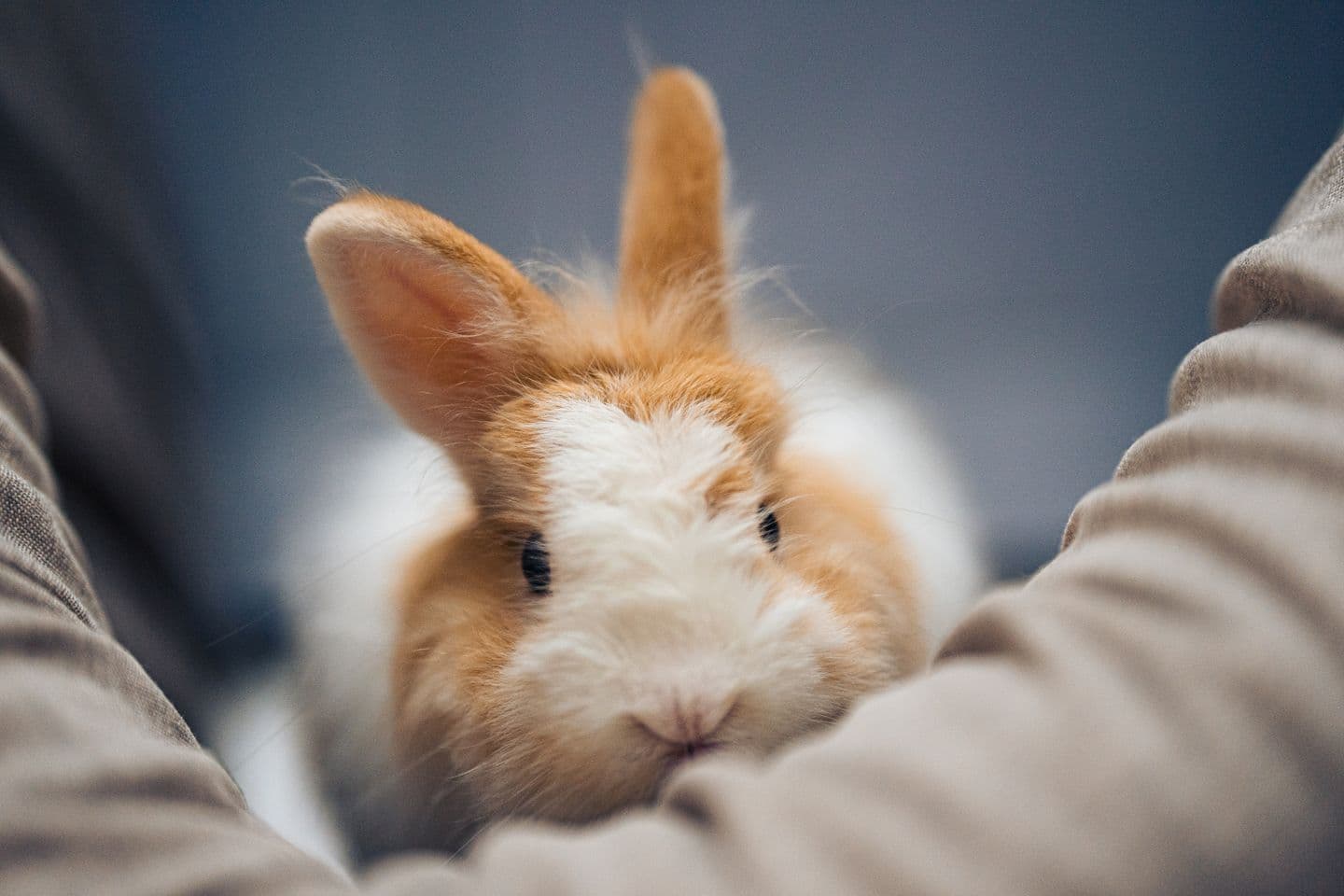
Florida Whites are generally docile, good natured, and relaxed once they have had time to build trust with their owner.
2 min read
Rabbits / Breeds
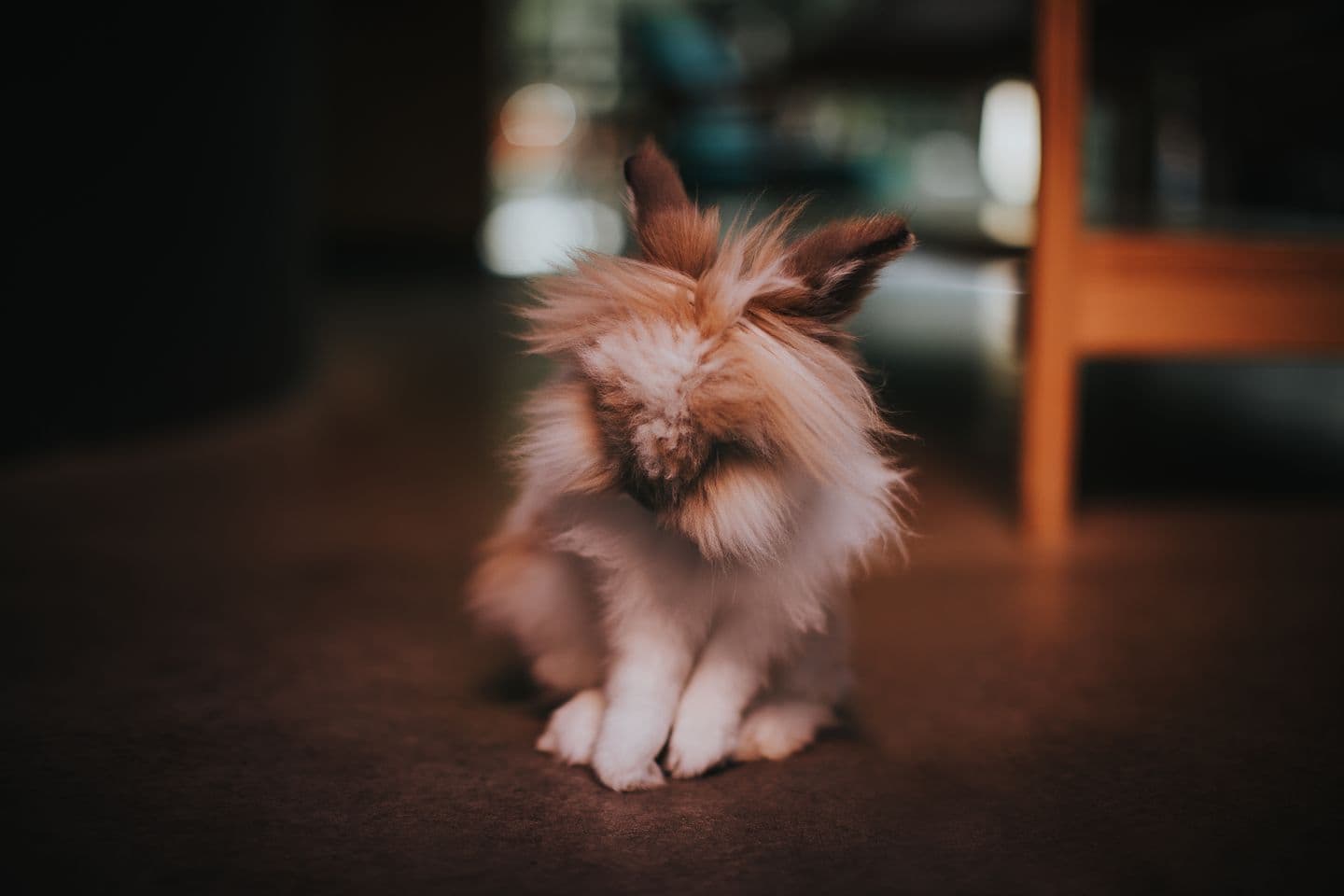
English Angoras are typically gentle and calm, a temperament that works in their favour given how much handling their coat requires.
3 min read