
Rabbits / Breeds
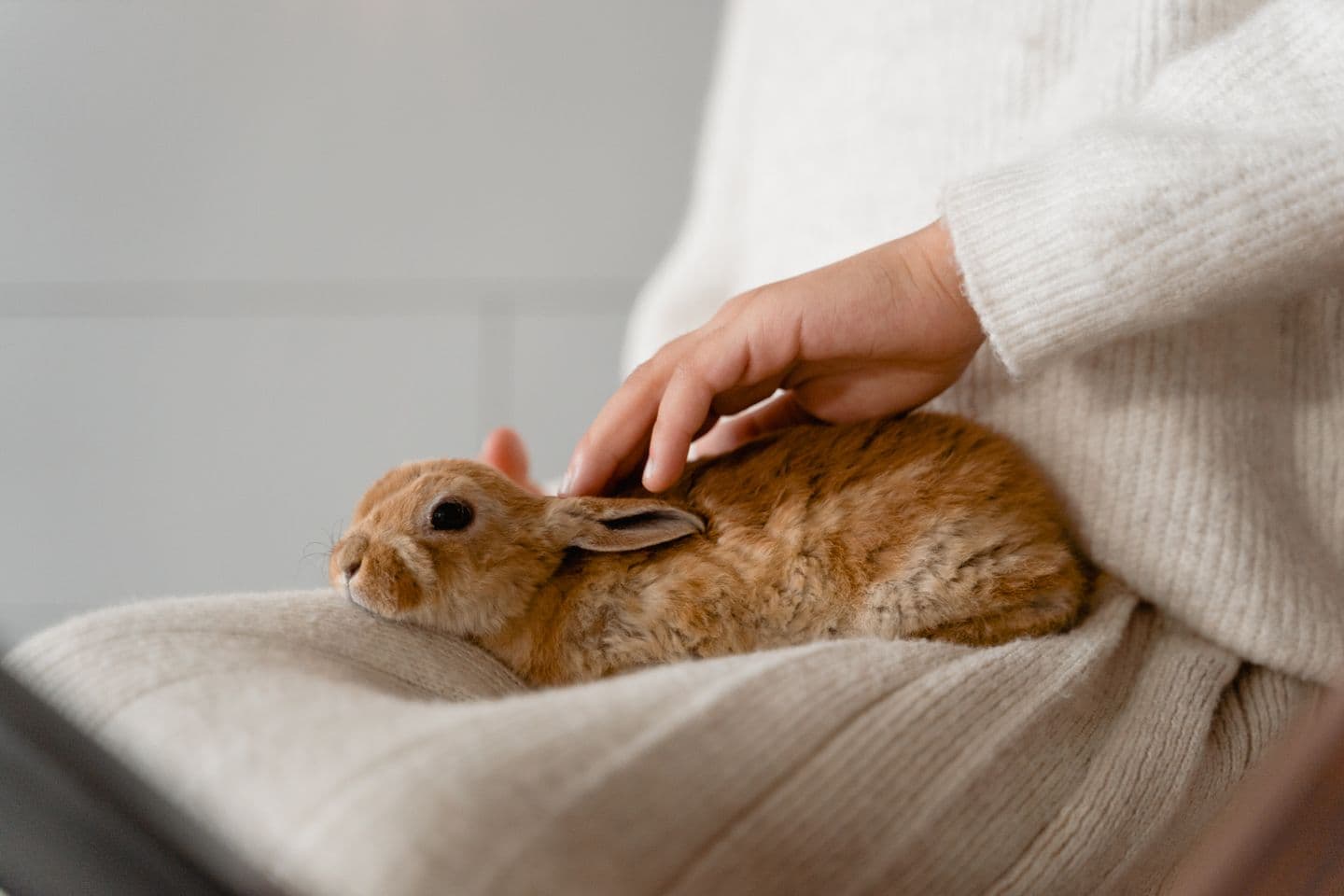
Tan Rabbit
A sleek, athletic rabbit with a glossy dark coat and a bright tan underside, closer in spirit to a wild rabbit than most companion breeds.
2 min read
Rabbits / Behaviour
It looks alarming the first time you see it, but a rabbit eating its own droppings is one of the most normal things it does. This behaviour, called caecotrophy, is a core part of how rabbits digest th
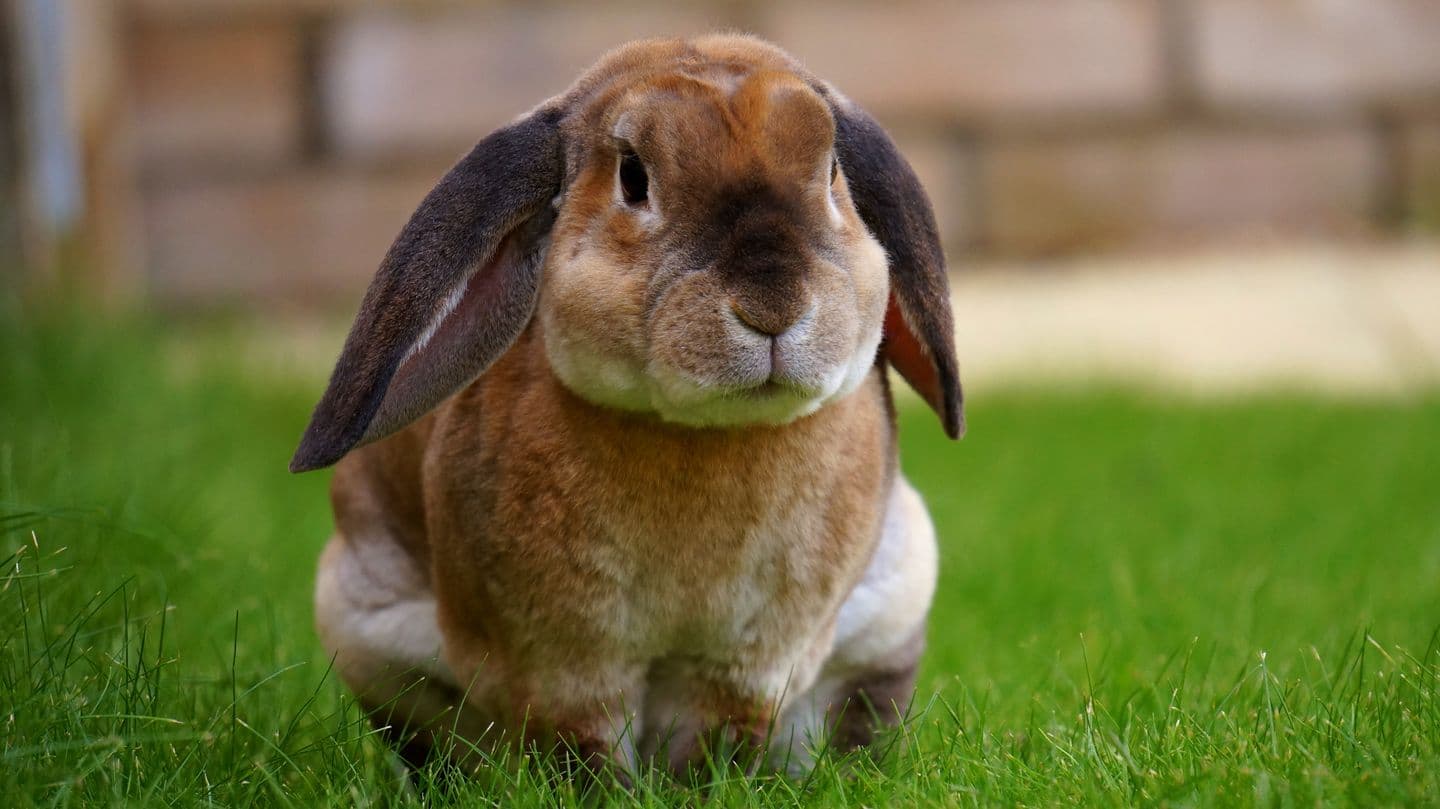
It looks alarming the first time you see it, but a rabbit eating its own droppings is one of the most normal things it does. This behaviour, called caecotrophy, is a core part of how rabbits digest their food, not a sign of illness or a bad habit to correct.
Rabbits produce two kinds of waste. The small, dry, round pellets you find scattered around the litter tray are true waste. The second type, called cecotropes, are soft, glossy, and usually eaten directly from the body the moment they are produced, which is why owners rarely see them at all.
A rabbit's high-fibre diet is digested in two passes. The first pass extracts what it can, then sends partially digested material into a pouch called the cecum, where bacteria break it down further and pack it into nutrient-rich cecotropes. Eating these a second time lets the rabbit absorb protein, B vitamins and beneficial bacteria that would otherwise be lost. Skipping this step is not an option for a rabbit's health.
Cecotropes are usually eaten so promptly that you will rarely see them at all. If you notice uneaten cecotropes accumulating around the enclosure, or your rabbit seems unable to reach its rear end to clean itself, this can point to obesity, dental pain, arthritis or spinal issues that make the motion difficult. This is worth a vet visit rather than something to correct through diet.
Regular fecal pellets should never be eaten deliberately, and finding your rabbit eating those, rather than the soft cecotropes, alongside changes in appetite or stool consistency, is worth mentioning to a vet.
Healthy cecotropes are small, soft, glossy clusters, usually gone before you even notice them. Cecotropes that are runny, foul-smelling, or left stuck to the fur around the tail in visible quantity are a sign something in the digestive process has gone wrong, often linked to a diet too low in fibre or too high in sugary treats and pellets.
A condition sometimes called caecal dysbiosis, an imbalance in the gut bacteria that produce cecotropes, is frequently traced back to too many pellets or treats and not enough hay. Correcting the hay-to-pellet ratio is often the first thing a vet will look at if a rabbit is consistently producing soft, uneaten cecotropes, alongside checking for dental pain or mobility issues that might be stopping the rabbit from reaching them.
Article content © Ravi Teja. All rights reserved.
Rabbits / Breeds
A sleek, athletic rabbit with a glossy dark coat and a bright tan underside, closer in spirit to a wild rabbit than most companion breeds.
2 min read
Rabbits / Breeds
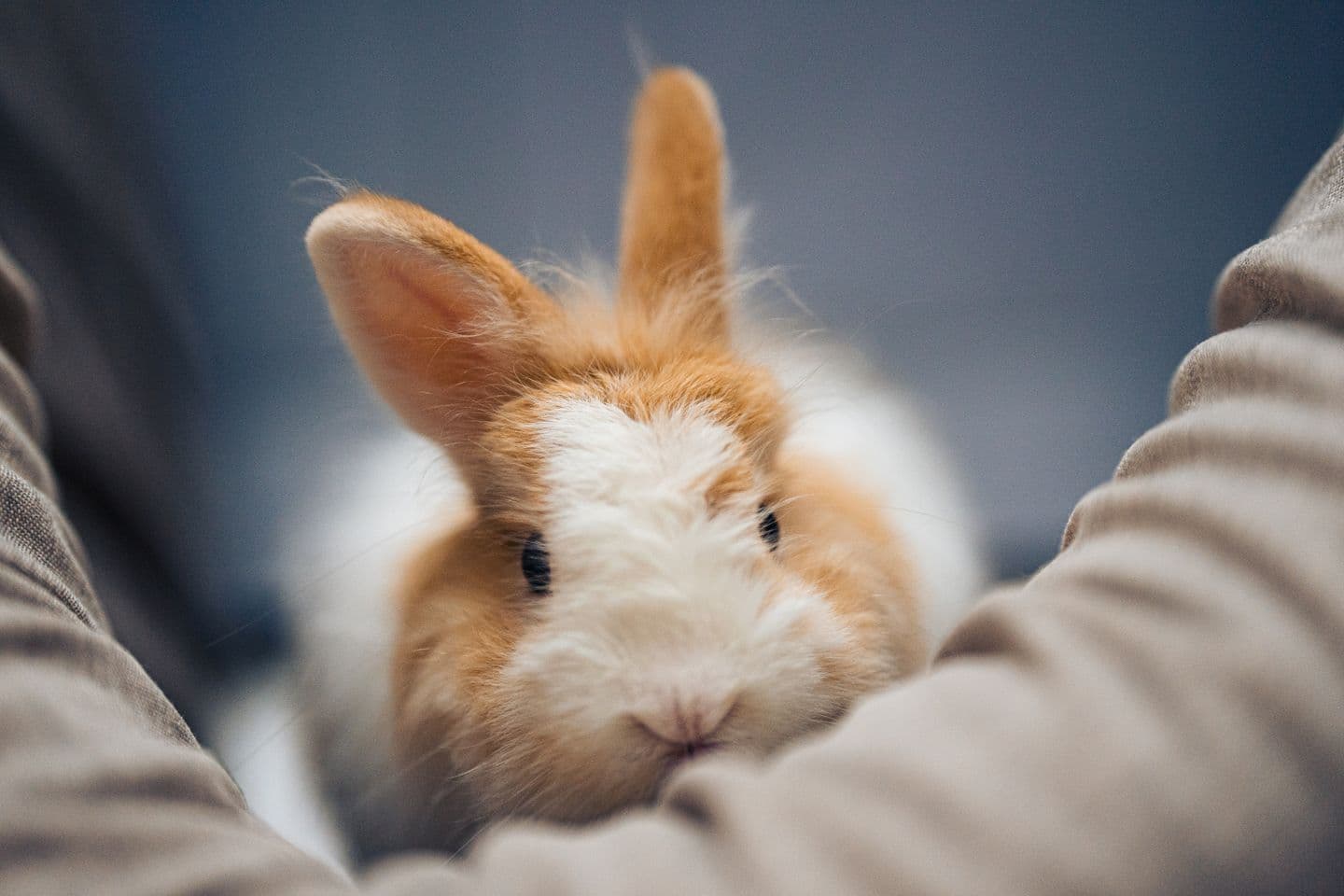
Florida Whites are generally docile, good natured, and relaxed once they have had time to build trust with their owner.
2 min read
Rabbits / Breeds
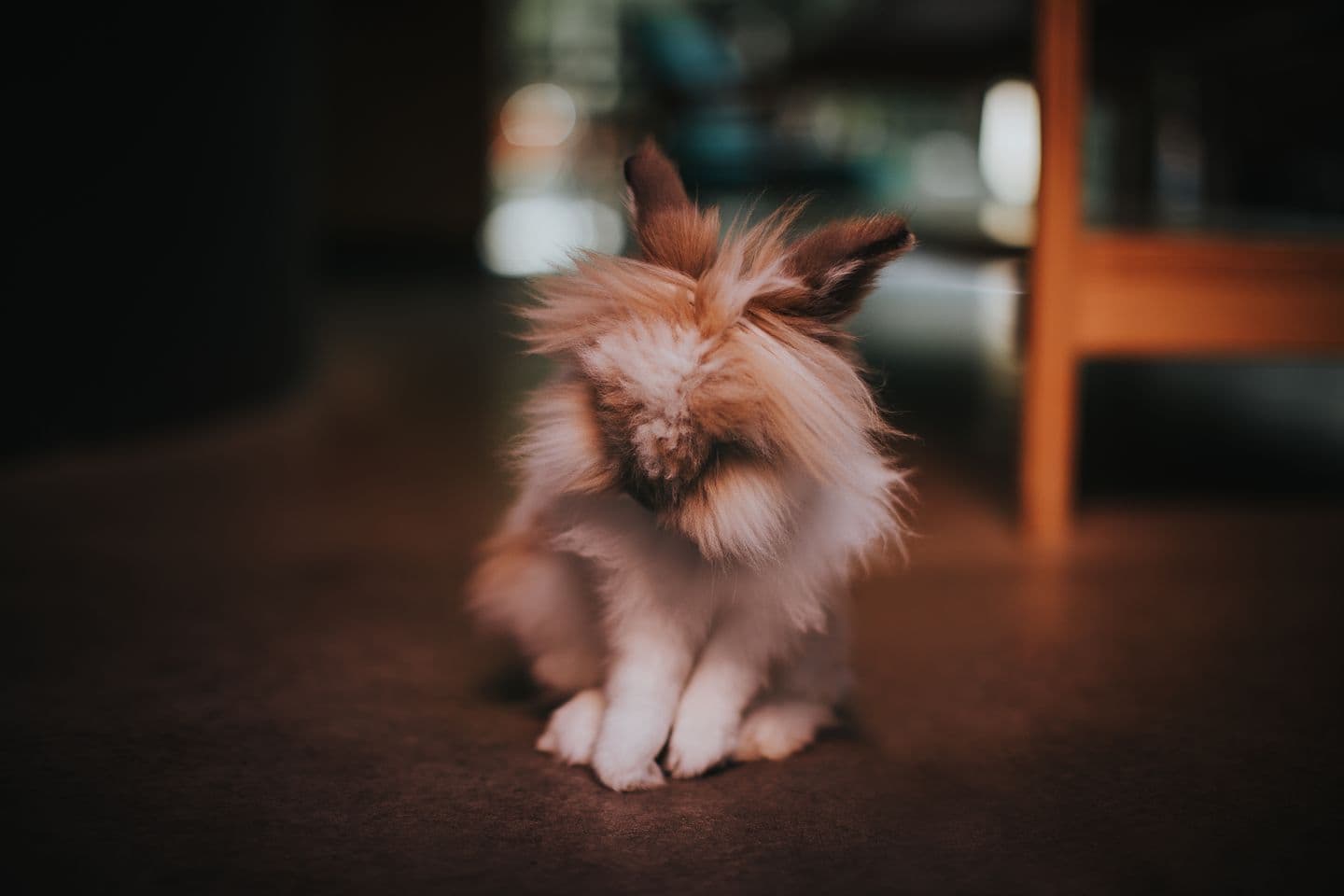
English Angoras are typically gentle and calm, a temperament that works in their favour given how much handling their coat requires.
3 min read