
Rabbits / Breeds

Cashmere Lop (rare)

A lop-eared rabbit with a luxuriously soft, dense coat that lives up to its name, distinguished from the Mini Lop in England during the 1980s.
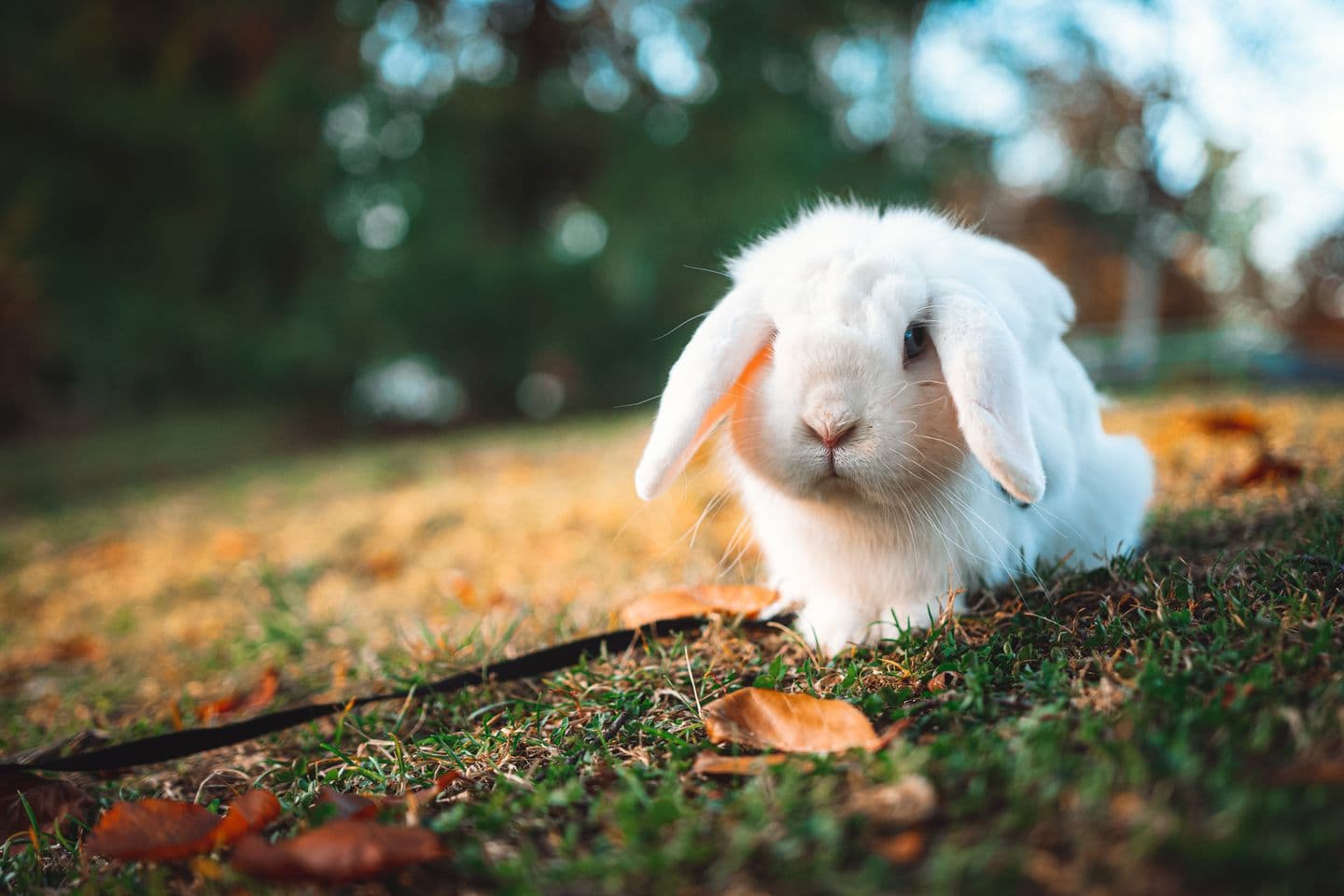
A cute white lop-eared rabbit sitting on autumn grass with leaves scattered around.
Photo by Ali Atakan Açıkbaş on Pexels
In this guide

A lop-eared rabbit with a luxuriously soft, dense coat that lives up to its name, distinguished from the Mini Lop in England during the 1980s.

Quick facts

  • Origin: England, recognised as distinct from the Dwarf Lop by the British Rabbit Council in the 1980s after long-haired individuals began appearing in Dwarf Lop litters
  • Adult weight: 1.8 to 2.3 kilograms (about 4 to 5 pounds)
  • Lifespan: 8 to 12 years
  • Coat: Long, dense, and exceptionally soft, prone to matting if not brushed regularly
  • Best suited for: Owners with time for daily grooming who want an affectionate, intelligent lop with a genuinely luxurious coat

What they are like

Cashmere Lops are known for being gentle, docile, and forming strong bonds with their owners.

Many owners describe them as surprisingly intelligent, capable of learning their name and simple cues.

They can be a little more cautious around other household pets such as cats or dogs than some breeds, so introductions are worth taking slowly.

Feeding and diet

  • Unlimited grass hay is especially important for this breed, both for digestion and to help move any ingested coat fibre through the gut
  • About two tablespoons of pellets daily suits most adults
  • Fresh greens in daily rotation support healthy digestion
  • As with any longer-coated breed, monitor that the rabbit is not simply picking around hay in favour of easier foods

Grooming and everyday care

  • Daily brushing is genuinely necessary for this breed to prevent matting, given how dense and long the coat grows
  • Pay particular attention to the area behind the ears and around the haunches, where mats tend to form first
  • Check the coat around the tail daily in warm weather, since matted fur here can attract flies

Health watch

  • Wool block is a real risk given the volume of fur this breed ingests through grooming, watch appetite and droppings closely
  • Overheating is a genuine concern given the coat's density, particularly in warm climates
  • Matting that goes unnoticed can lead to skin irritation, so grooming sessions should include a skin check

Keeping one in India

This breed's dense coat is a real liability in Indian heat and humidity, so it needs to live indoors with reliable cooling and a strict daily grooming routine, or a shorter, regularly clipped coat, through the warmer months.

It remains a rare breed in India, generally available only through dedicated hobby breeders.

Article content © S Vejay Anand. All rights reserved.

A little more to explore.

Adorable brown rabbit on lap being petted. Calm and cozy indoor atmosphere.

Rabbits / Breeds

Tan Rabbit

A sleek, athletic rabbit with a glossy dark coat and a bright tan underside, closer in spirit to a wild rabbit than most companion breeds.

2 min read
Charming close-up of a fluffy rabbit being held, showcasing warmth and affection.

Rabbits / Breeds

Florida White

Florida Whites are generally docile, good natured, and relaxed once they have had time to build trust with their owner.

2 min read
A cute lionhead rabbit with fluffy fur sitting indoors, captured in soft lighting.

Rabbits / Breeds

English Angora

English Angoras are typically gentle and calm, a temperament that works in their favour given how much handling their coat requires.

3 min read