
Rabbits / Breeds

Champagne d'Argent

One of the oldest recognised rabbit breeds in the world, born solid black and maturing into a striking silvered coat.

Charming close-up of a white and black rabbit on hay with festive decorations.
Photo by Sergei Starostin on Pexels
In this guide

One of the oldest recognised rabbit breeds in the world, born solid black and maturing into a striking silvered coat.

Quick facts

  • Origin: The Champagne region of France, with documented history reaching back to the mid-1600s
  • Adult weight: 4 to 5.4 kilograms (about 9 to 12 pounds)
  • Lifespan: 7 to 9 years, occasionally longer with excellent care
  • Coat: Short, soft flyback fur, born solid black and gradually developing its characteristic silver ticking by around six months of age
  • Best suited for: Owners with reasonable space who appreciate a calm, historic breed with a genuinely striking coat

What they are like

Champagne d'Argents are widely described as calm, gentle, and manageable, generally easy to handle once accustomed to their owner.

They tend to settle well into a household routine and can make good pets for families with supervised children, given their size.

This breed's long history as both a meat and show rabbit has left it with a fairly even, unflappable temperament by rabbit standards.

Feeding and diet

  • A generous, near-constant supply of hay suits this breed's larger size and appetite
  • Three to four tablespoons of pellets daily is a reasonable starting point for an adult, adjusted for body condition
  • Fresh greens in generous daily portions support a bigger digestive system
  • Weight is worth checking periodically given this breed's history of being bred for efficient growth

Grooming and everyday care

  • A weekly brush is generally enough for this short, low-maintenance coat, which does not shed heavily outside of moulting season
  • Brush a little more during seasonal moults
  • Standard nail and ear checks apply monthly

Health watch

  • A generally hardy breed without notable hereditary conditions beyond the usual dental and digestive issues common to all rabbits
  • Being a larger breed, joint and foot health benefit from solid, non-slip flooring
  • Routine appetite and weight checks remain the best early warning system

Keeping one in India

This breed's manageable coat and calm temperament make it a reasonably practical choice for Indian households with enough space, alongside the usual summer precautions around shade and hydration.

It remains a rare breed in India, so anyone interested in one should expect to search through specialist or heritage-breed-focused breeders.

Part 5

Colour Breeds, Rare Lops and Giants (Part 5)

Article content © Ravi Teja. All rights reserved.

A little more to explore.

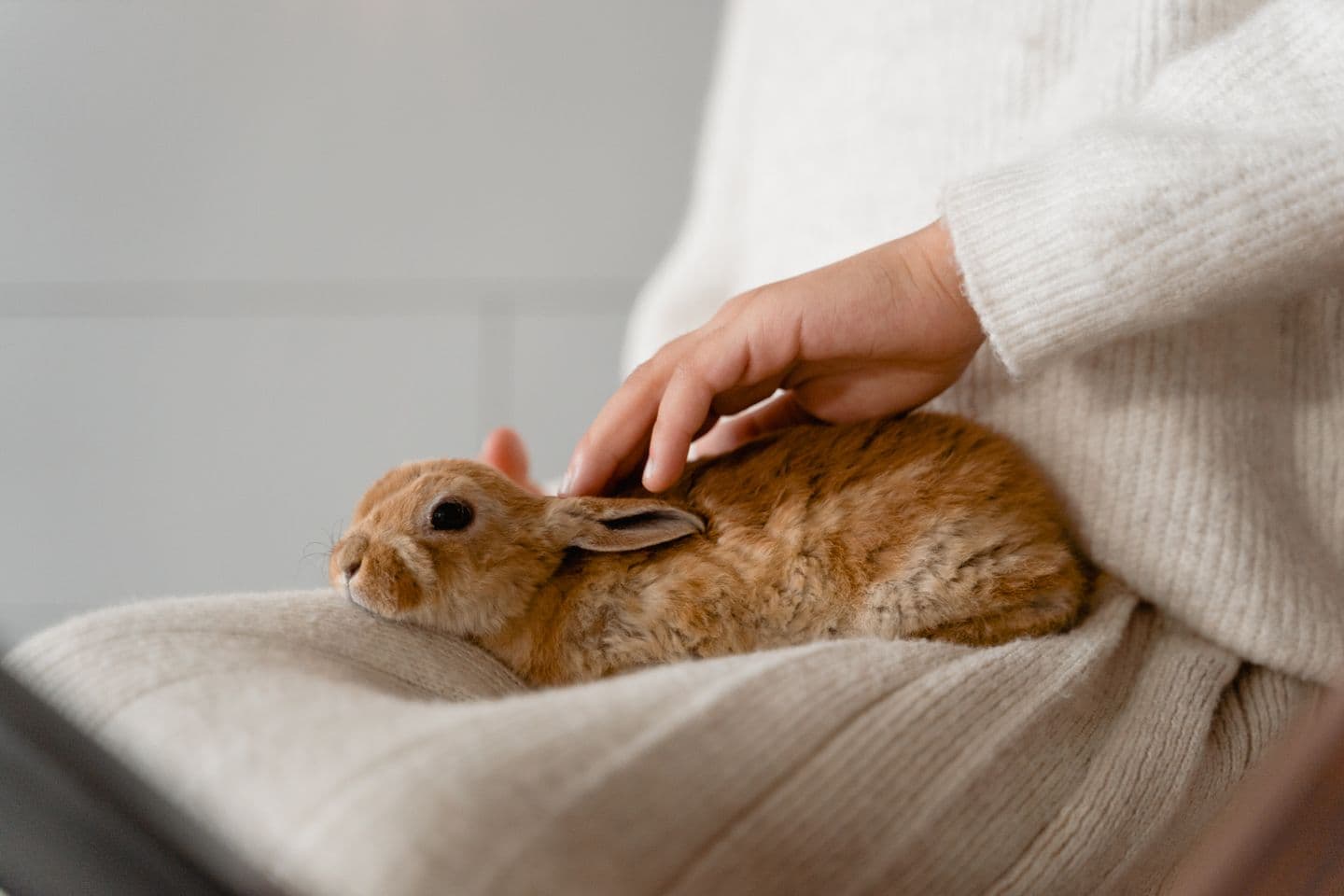
Adorable brown rabbit on lap being petted. Calm and cozy indoor atmosphere.

Rabbits / Breeds

Tan Rabbit

A sleek, athletic rabbit with a glossy dark coat and a bright tan underside, closer in spirit to a wild rabbit than most companion breeds.

2 min read
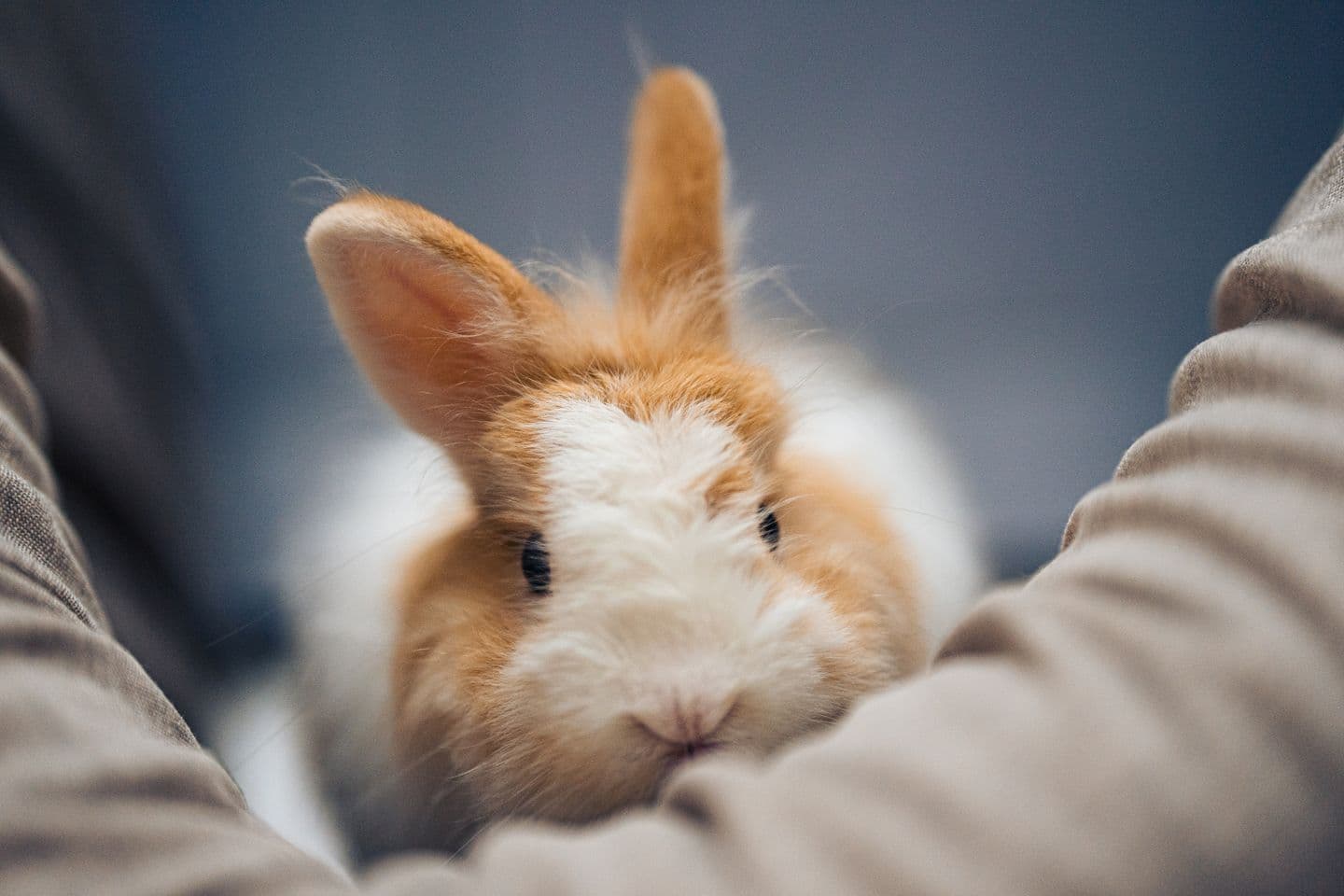
Charming close-up of a fluffy rabbit being held, showcasing warmth and affection.

Rabbits / Breeds

Florida White

Florida Whites are generally docile, good natured, and relaxed once they have had time to build trust with their owner.

2 min read
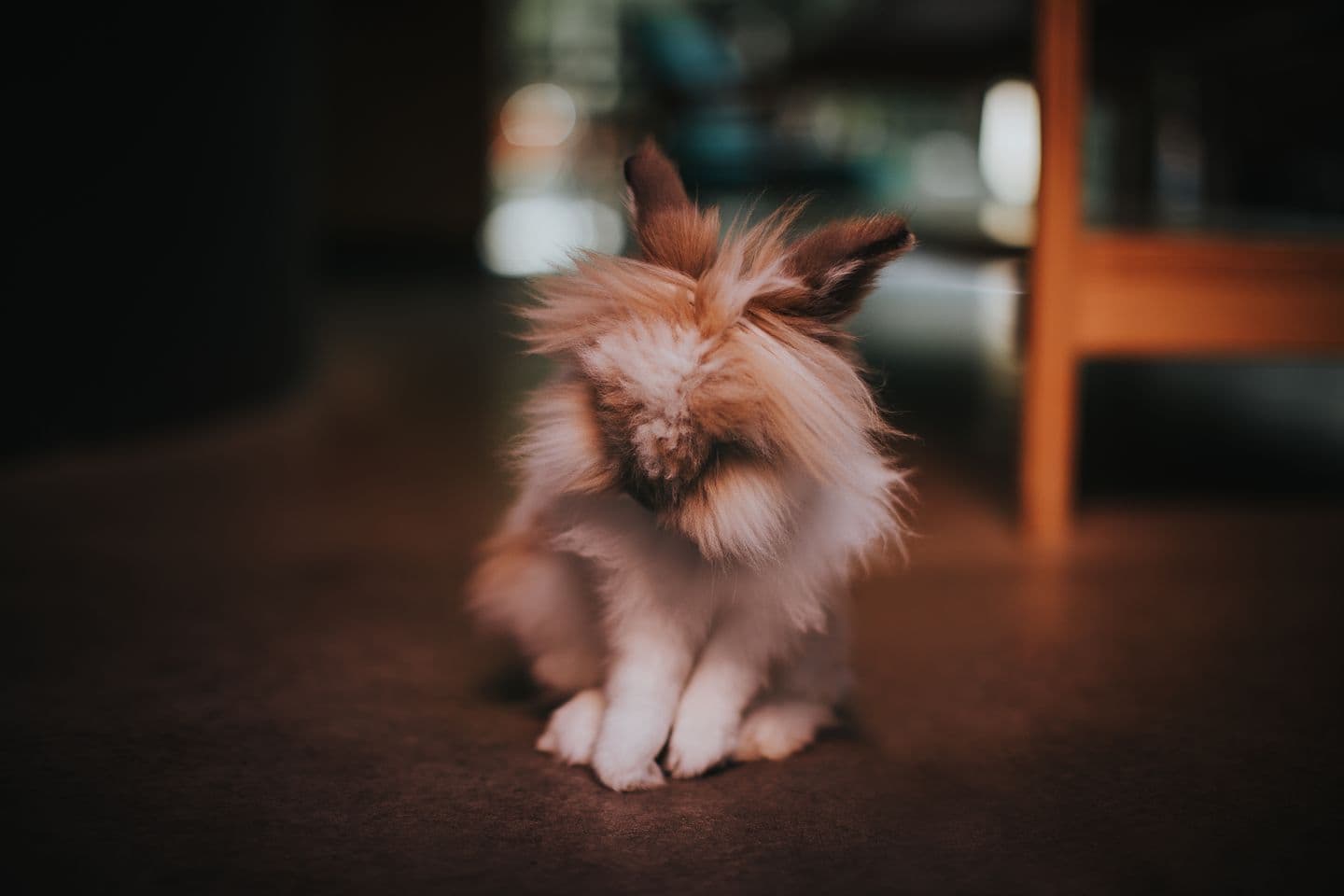
A cute lionhead rabbit with fluffy fur sitting indoors, captured in soft lighting.

Rabbits / Breeds

English Angora

English Angoras are typically gentle and calm, a temperament that works in their favour given how much handling their coat requires.

3 min read