
Rabbits / Breeds

Checkered Giant

A large, athletic, hare-like rabbit with a distinctive butterfly nose marking, bred for looks rather than meat from the start.
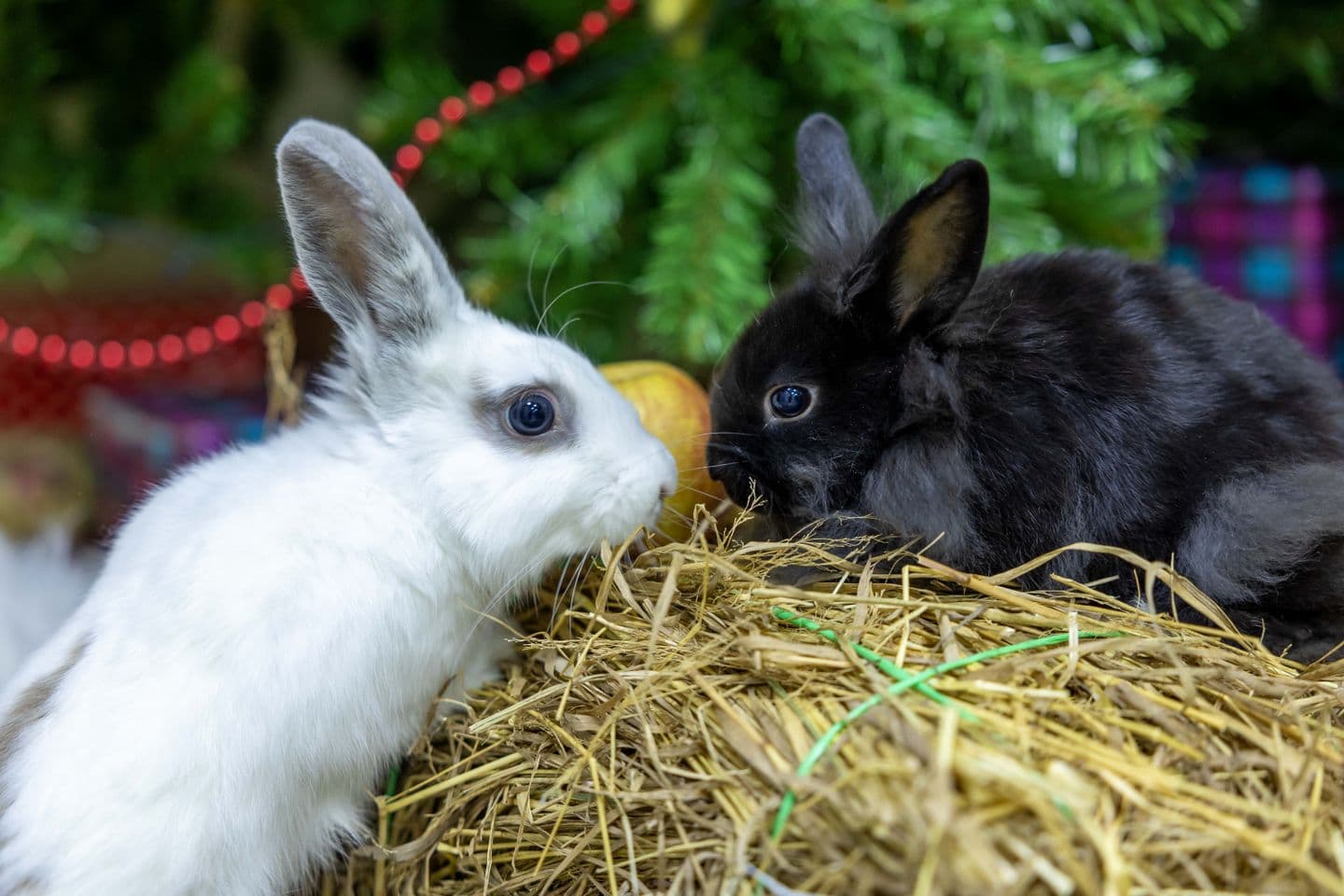
Charming close-up of a white and black rabbit on hay with festive decorations.
Photo by Sergei Starostin on Pexels
In this guide

A large, athletic, hare-like rabbit with a distinctive butterfly nose marking, bred for looks rather than meat from the start.

Quick facts

  • Origin: Germany, where breeders crossed Flemish Giants with a large spotted rabbit through the late 1800s to create the so-called Lorraine rabbit, which Otto Reinhardt then crossed with a black Flemish Giant in 1904 to produce the modern Checkered Giant
  • Adult weight: 5 to 7.3 kilograms (about 11 to 16 pounds), the breed standard sets a minimum but no upper weight limit
  • Lifespan: 5 to 8 years
  • Coat: Short to medium, soft, flyback fur that needs only modest grooming
  • Best suited for: Experienced owners with plenty of space, given the breed's size and genuinely active nature

What they are like

Checkered Giants are active, intelligent, and playful, generally good natured but with more independence and energy than a typical companion breed.

They can be somewhat skittish and are not always the cuddliest of the giant breeds, so confident, calm handling matters.

This is a breed that genuinely needs several hours of free-roaming exercise each day, it is not suited to a life mostly spent in an enclosure.

Feeding and diet

  • A large, near-constant supply of hay suits this breed's size and activity level
  • Four tablespoons of pellets daily is a reasonable starting point for an adult, adjusted for body condition and exercise
  • Generous daily portions of fresh greens support a bigger digestive system
  • Because this is a genuinely active breed, appetite tends to be hearty, so weight should still be checked periodically

Grooming and everyday care

  • A weekly brush is generally enough for this short to medium coat
  • Brush a little more during seasonal moults
  • Nail trims matter given the breed's size and activity, overgrown nails can affect movement in a rabbit this energetic

Health watch

  • Dental problems and gastrointestinal stasis are the main concerns to watch for, as with most breeds, supported by plenty of hay
  • Being a large, active breed, joint and foot health benefit from solid, non-slip flooring during exercise
  • Routine appetite and weight checks remain the best early warning system

Keeping one in India

This breed's combination of size and high energy means it needs serious daily exercise space, which is worth planning for carefully in an Indian home before committing.

The short coat helps in Indian heat, but the breed's size and activity level still call for reliable shade, hydration, and cooling through summer.

Article content © Ravi Teja. All rights reserved.

A little more to explore.

Adorable brown rabbit on lap being petted. Calm and cozy indoor atmosphere.

Rabbits / Breeds

Tan Rabbit

A sleek, athletic rabbit with a glossy dark coat and a bright tan underside, closer in spirit to a wild rabbit than most companion breeds.

2 min read
Charming close-up of a fluffy rabbit being held, showcasing warmth and affection.

Rabbits / Breeds

Florida White

Florida Whites are generally docile, good natured, and relaxed once they have had time to build trust with their owner.

2 min read
A cute lionhead rabbit with fluffy fur sitting indoors, captured in soft lighting.

Rabbits / Breeds

English Angora

English Angoras are typically gentle and calm, a temperament that works in their favour given how much handling their coat requires.

3 min read