
Rabbits / Breeds

Dutch

The Dutch is widely regarded as one of the best-tempered rabbit breeds, gentle, predictable, and generally tolerant of handling.

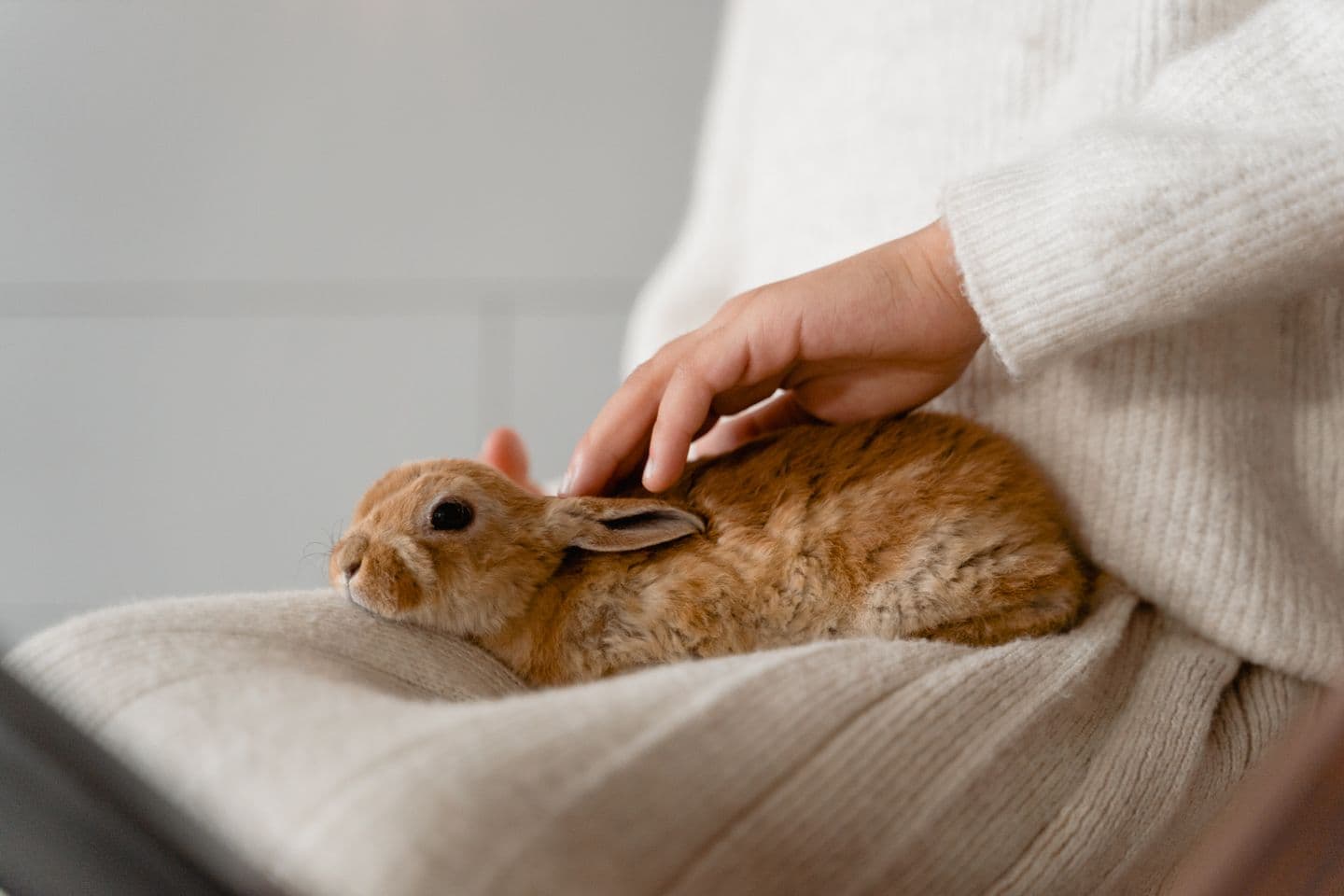
Adorable brown rabbit on lap being petted. Calm and cozy indoor atmosphere.
Photo by Tima Miroshnichenko on Pexels
In this guide

One of the oldest and most recognisable breeds, marked by a bold white band and coloured saddle.

Quick facts

  • Origin: England, developed from rabbits imported from the Netherlands in the nineteenth century
  • Adult weight: 1.6 to 2.5 kilograms (about 3.5 to 5.5 pounds)
  • Lifespan: 7 to 10 years
  • Coat: Short, smooth, and low maintenance
  • Best suited for: Families and first-time owners looking for a steady, easy-to-handle, medium-small rabbit

What they are like

The Dutch is widely regarded as one of the best-tempered rabbit breeds, gentle, predictable, and generally tolerant of handling.

They are alert and interactive without being flighty, which makes them a good match for households with children old enough to handle a rabbit calmly.

This even nature has made the Dutch a long-standing favourite for both pets and school or educational settings abroad.

Feeding and diet

  • Unlimited grass hay should make up the largest part of the diet
  • About two tablespoons of pellets daily suits an average adult Dutch rabbit
  • Fresh greens such as coriander and mint can be introduced gradually from around twelve weeks
  • Because Dutch rabbits are food motivated and easy to overfeed as a result of their friendly begging behaviour, portion control matters more than usual with this breed

Grooming and everyday care

  • A weekly brush is generally enough to manage shedding
  • Increase brushing frequency during seasonal moults, which can be heavier in this breed than in some others
  • Standard nail and ear checks apply, roughly monthly

Health watch

  • A generally hardy breed with few breed-specific health concerns beyond the usual rabbit issues of dental wear and gut motility
  • Because they are prone to becoming overweight from treats, obesity-related joint strain is the main preventable risk
  • Routine vet checks for teeth and weight are advisable at least once a year

Keeping one in India

The Dutch rabbit's calm nature and manageable size make it a practical choice for Indian households new to rabbit keeping, provided the usual precautions around heat and hydration are followed.

It is not yet a widely bred breed in India, so prospective owners may need to search a little further afield or consider a mixed rabbit with similar markings and temperament.

Article content © Ravi Teja. All rights reserved.

A little more to explore.

Adorable brown rabbit on lap being petted. Calm and cozy indoor atmosphere.

Rabbits / Breeds

Tan Rabbit

A sleek, athletic rabbit with a glossy dark coat and a bright tan underside, closer in spirit to a wild rabbit than most companion breeds.

2 min read
Charming close-up of a fluffy rabbit being held, showcasing warmth and affection.

Rabbits / Breeds

Florida White

Florida Whites are generally docile, good natured, and relaxed once they have had time to build trust with their owner.

2 min read
A cute lionhead rabbit with fluffy fur sitting indoors, captured in soft lighting.

Rabbits / Breeds

English Angora

English Angoras are typically gentle and calm, a temperament that works in their favour given how much handling their coat requires.

3 min read