
Rabbits / Breeds

Dwarf Hotot

Nicknamed the eyes of the fancy for its striking black eyeliner markings on an otherwise pure white coat.
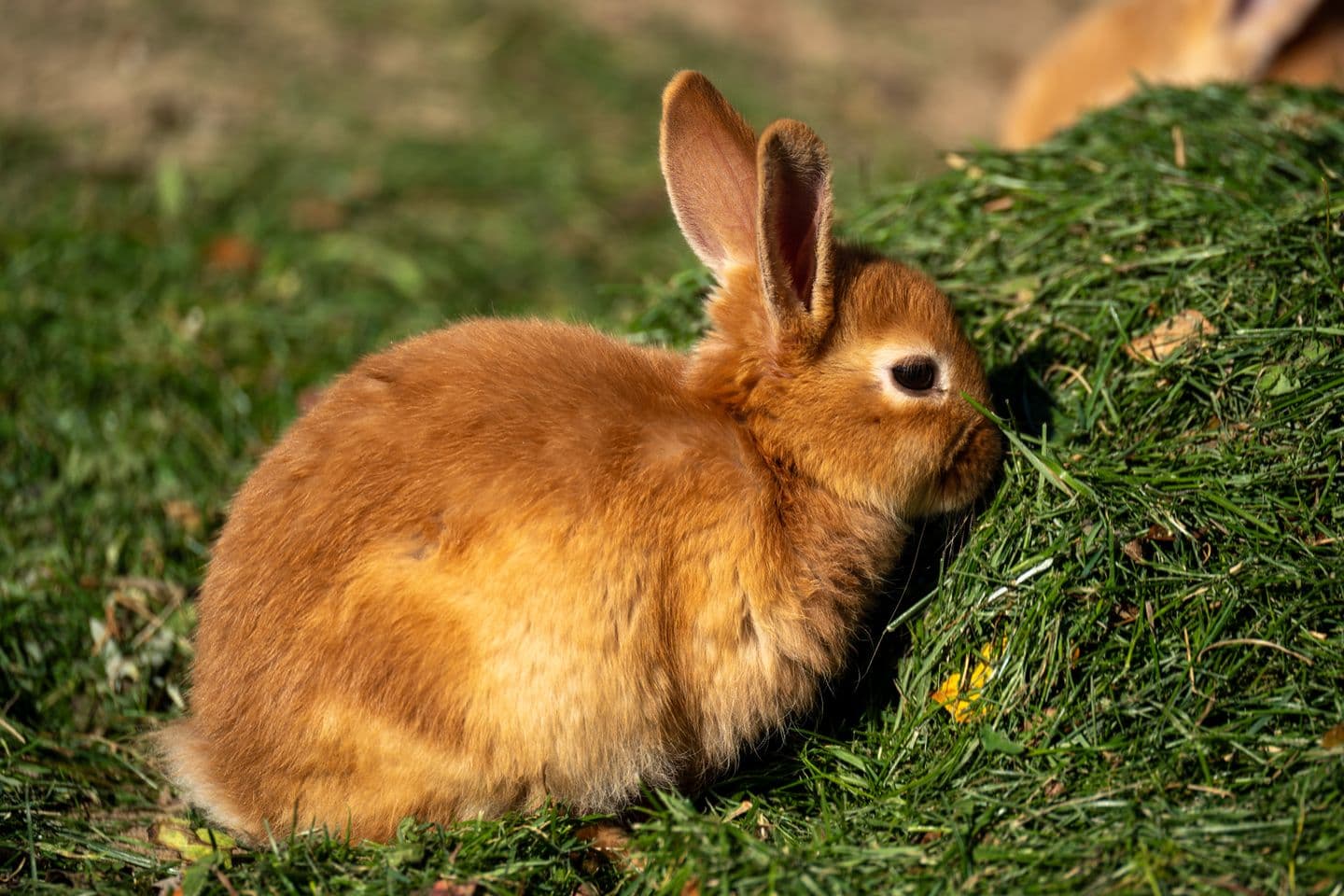
Cute brown rabbit munching grass in a sunny outdoor setting.
Photo by Gundula Vogel on Pexels
In this guide

Nicknamed the eyes of the fancy for its striking black eyeliner markings on an otherwise pure white coat.

Quick facts

  • Origin: Germany, developed independently by two breeders in East and West Germany during the 1970s by crossing the White Hotot with the Netherland Dwarf, recognised by the American Rabbit Breeders Association in 1983
  • Adult weight: Up to 1.6 kilograms (about 3.5 pounds)
  • Lifespan: 7 to 10 years
  • Coat: Short, dense, and shiny, pure white with a fine dark band of colour circling each eye
  • Best suited for: Families and first-time owners who want a small, distinctive, genuinely affectionate rabbit and are willing to invest time in early socialisation

What they are like

Dwarf Hotots are friendly and intelligent, and become genuinely affectionate companions once properly bonded with their owner.

They need regular handling from a young age to build that bond, a rabbit that is not taken out and interacted with regularly may stay more reserved.

They are not a particularly high-energy breed, but do enjoy exploring outside their enclosure and benefit from daily supervised time to do so.

Feeding and diet

  • Fresh hay should always be available, forming the bulk of the diet
  • About one and a half tablespoons of pellets daily suits this breed's small frame
  • Fresh greens in small daily portions can be introduced from around twelve weeks
  • Because this breed is small, sudden diet changes should be avoided even more carefully than usual

Grooming and everyday care

  • A weekly brush is generally sufficient for this short, low-maintenance coat
  • The white coat can show staining from bedding or urine more readily than darker coats, so a clean, dry enclosure matters
  • Standard nail and ear checks apply monthly

Health watch

  • A generally hardy breed without notable hereditary conditions beyond the usual dental and digestive issues common to all rabbits
  • As with other small breeds, dental overgrowth is worth monitoring, supported by plenty of hay
  • Routine appetite and weight checks remain the best early warning system

Keeping one in India

The Dwarf Hotot's small size and short coat suit Indian conditions well, with the usual summer precautions around shade and hydration.

This breed remains rare in India, generally available only through dedicated hobby breeders.

Article content © S Vejay Anand. All rights reserved.

A little more to explore.

Adorable brown rabbit on lap being petted. Calm and cozy indoor atmosphere.

Rabbits / Breeds

Tan Rabbit

A sleek, athletic rabbit with a glossy dark coat and a bright tan underside, closer in spirit to a wild rabbit than most companion breeds.

2 min read
Charming close-up of a fluffy rabbit being held, showcasing warmth and affection.

Rabbits / Breeds

Florida White

Florida Whites are generally docile, good natured, and relaxed once they have had time to build trust with their owner.

2 min read
A cute lionhead rabbit with fluffy fur sitting indoors, captured in soft lighting.

Rabbits / Breeds

English Angora

English Angoras are typically gentle and calm, a temperament that works in their favour given how much handling their coat requires.

3 min read