
Rabbits / Breeds

English Lop

The rabbit world's record holder for ear length, a gentle giant that needs its ears protected as carefully as it is loved.
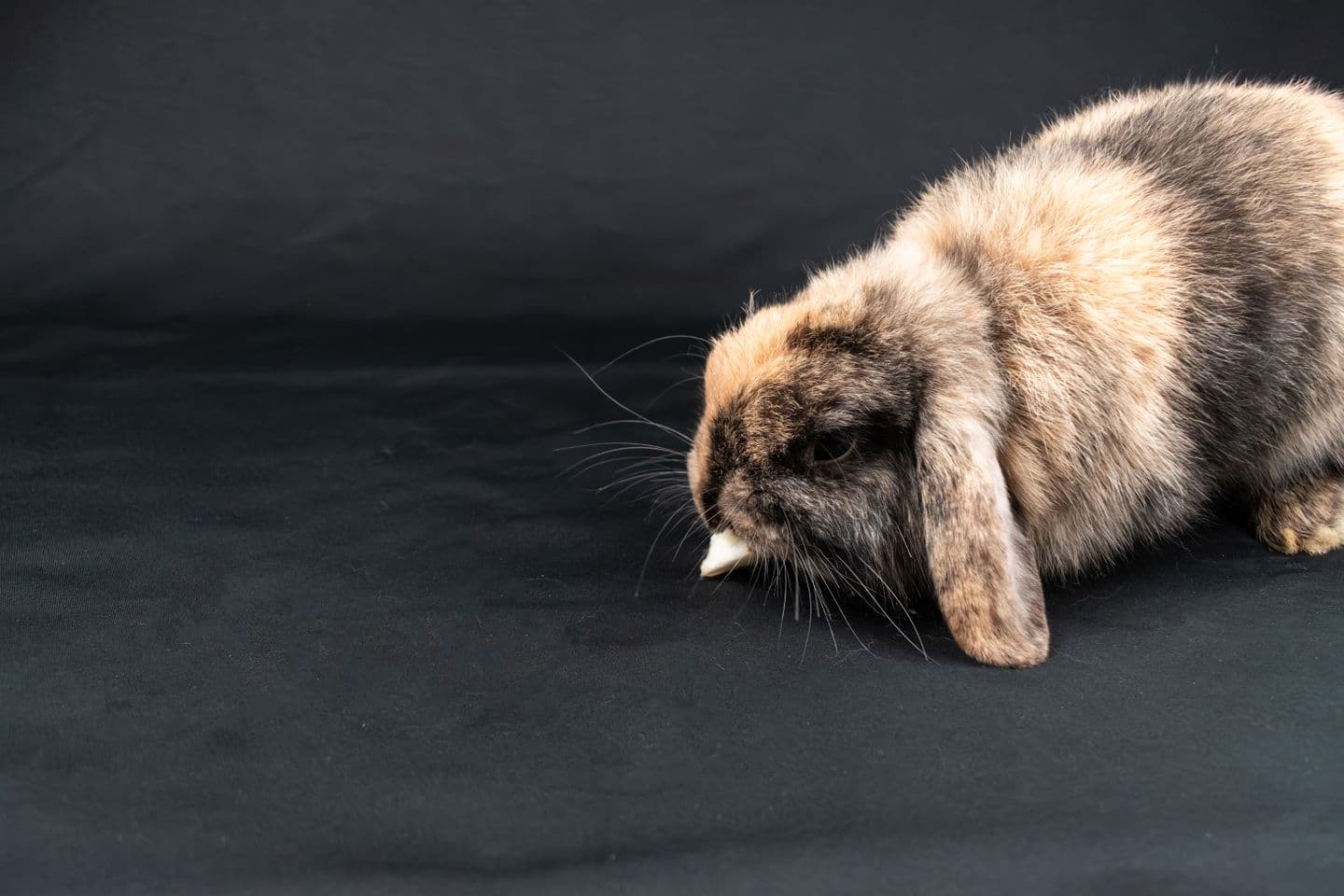
Adorable Mini Lop rabbit on a dark studio background showcasing soft fur and cute whiskers.
Photo by Nikolett Emmert on Pexels
In this guide

The rabbit world's record holder for ear length, a gentle giant that needs its ears protected as carefully as it is loved.

Quick facts

  • Origin: England, one of the oldest recognised rabbit breeds, developed in the nineteenth century specifically for exaggerated ear length
  • Adult weight: 4 to 5 kilograms (about 9 to 11 pounds)
  • Lifespan: 5 to 7 years
  • Coat: Short, soft, and glossy, straightforward to maintain compared with the breed's dramatic ears
  • Best suited for: Experienced owners with plenty of space and a calm household, given both the size and the ear care this breed needs

What they are like

English Lops are famously docile, often described as almost lazy, and are among the gentlest and least aggressive rabbit breeds.

They are sociable and enjoy human company, generally tolerating handling well once accustomed to it.

Their calm nature makes them easier to live with than their size might suggest, though moving a rabbit this large still requires proper support and two confident hands.

Feeding and diet

  • A large pile of fresh hay should be available at all times, given the breed's substantial size and appetite
  • Three to four tablespoons of pellets daily is a reasonable starting point for an adult, adjusted for body condition
  • Generous daily portions of fresh greens support digestion in this breed's bigger gut
  • Because the ears can drag through food and water while the rabbit eats, shallow, stable bowls placed away from bedding help keep the ears clean

Grooming and everyday care

  • A weekly brush is generally enough for the short body coat
  • The ears are the real grooming priority, wipe them gently and check for wax, cuts, or mites at least weekly, since they can drag on the ground and pick up debris
  • Keep the enclosure floor free of anything sharp or abrasive, since these ears are easily nicked or scraped

Health watch

  • Ear injuries and infections are the breed's main vulnerability given their exceptional length, so daily visual checks are worth the habit
  • Dental disease and gut slowdown can affect this breed as they do others, so routine monitoring of eating and droppings matters
  • Being a heavier breed, joint and foot health benefit from solid, non-slip flooring rather than wire or tile alone

Keeping one in India

The English Lop's ears make it a poor match for outdoor or hutch-only housing in India, since dust, insects, and heat all pose a bigger risk to ears this long, indoor living with a clean, soft-floored space is strongly preferable.

This breed is rare in India and best sought through experienced breeders who can speak specifically to ear care in hot, humid conditions.

Article content © Ravi Teja. All rights reserved.

A little more to explore.

Adorable brown rabbit on lap being petted. Calm and cozy indoor atmosphere.

Rabbits / Breeds

Tan Rabbit

A sleek, athletic rabbit with a glossy dark coat and a bright tan underside, closer in spirit to a wild rabbit than most companion breeds.

2 min read
Charming close-up of a fluffy rabbit being held, showcasing warmth and affection.

Rabbits / Breeds

Florida White

Florida Whites are generally docile, good natured, and relaxed once they have had time to build trust with their owner.

2 min read
A cute lionhead rabbit with fluffy fur sitting indoors, captured in soft lighting.

Rabbits / Breeds

English Angora

English Angoras are typically gentle and calm, a temperament that works in their favour given how much handling their coat requires.

3 min read