
Rabbits / Breeds

Flemish Giant

The largest domestic rabbit breed in the world, a genuine gentle giant that needs space to match its size.
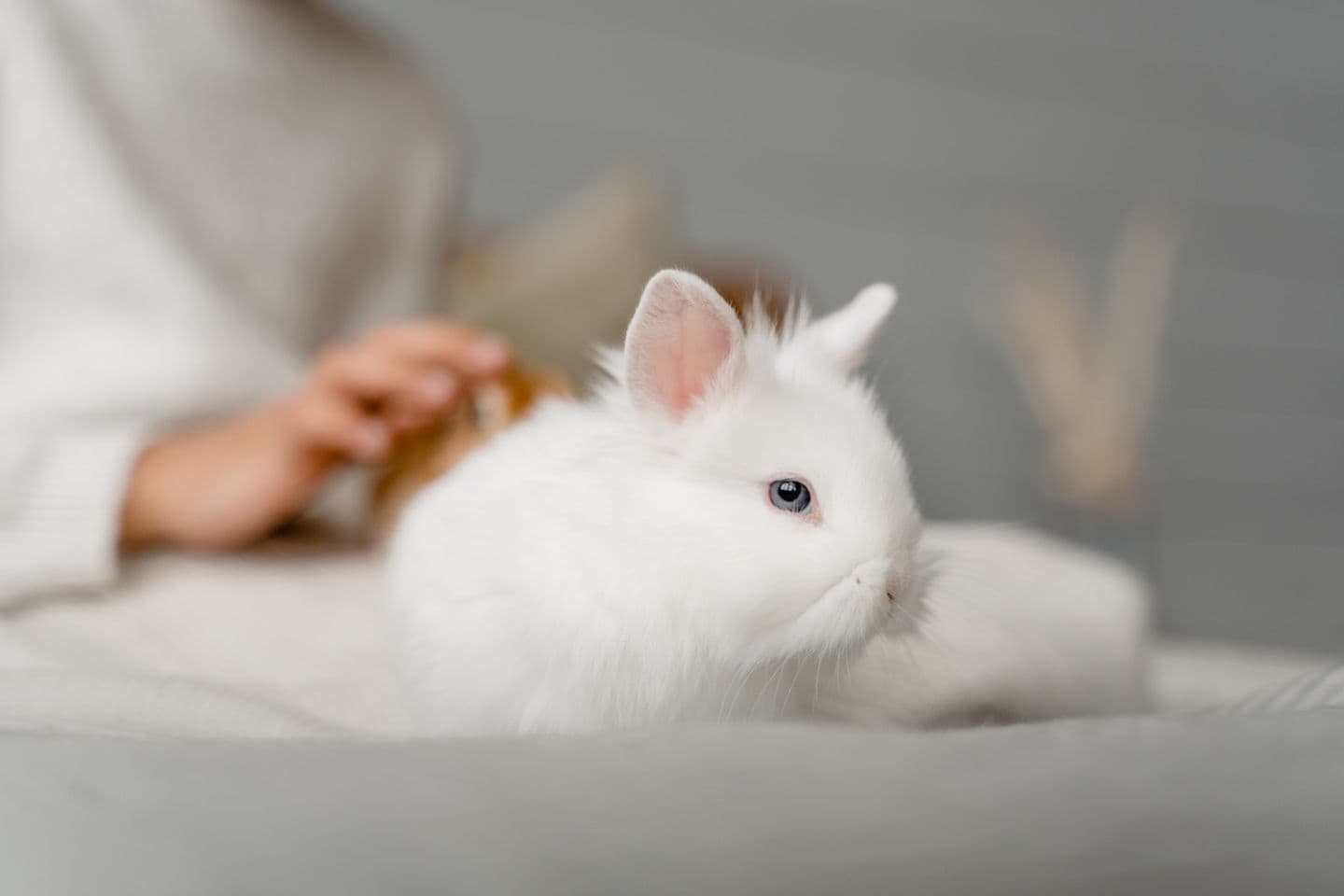
Adorable white rabbit being gently stroked on a cozy indoor setting.
Photo by Tima Miroshnichenko on Pexels
In this guide

The largest domestic rabbit breed in the world, a genuine gentle giant that needs space to match its size.

Quick facts

  • Origin: Flanders, Belgium, dating back to the sixteenth century, originally bred for meat and fur
  • Adult weight: 6.8 to 10 kilograms (about 15 to 22 pounds), the breed standard sets a minimum but no upper weight limit
  • Lifespan: 5 to 8 years, sometimes reaching 10 with excellent care
  • Coat: Dense, glossy, and thick, needing more regular brushing than the average short-coated breed
  • Best suited for: Experienced owners with significant space, this is a genuine commitment in size, food, and housing, not a starter breed

What they are like

Flemish Giants are true to their nickname, calm, social, and tolerant once they have had time to settle into a household.

They are notably intelligent, capable of learning tricks, using a litter tray, and responding to routine, which makes them engaging companions despite their size.

Their sheer size means handling requires real confidence and full-body support, an untrained or nervous handler can inadvertently hurt both themselves and the rabbit.

Feeding and diet

  • A very large, near-constant supply of hay is essential given this breed's substantial size and appetite
  • Four to five tablespoons of pellets daily is a reasonable starting point for an adult, adjusted carefully to avoid excess weight
  • Generous daily portions of fresh greens support a much larger digestive system than smaller breeds
  • Sudden drops in appetite need prompt veterinary attention, given how quickly gut problems can escalate in a rabbit this size

Grooming and everyday care

  • A weekly brush suits the dense coat, increasing to several times a week during seasonal moults
  • Nail trims matter more than usual here, since overgrown nails add real strain to joints already carrying significant weight
  • Keep the coat and enclosure floor clean and dry, since a heavier body is more prone to skin problems if bedding is damp

Health watch

  • Sore hocks are a genuine risk given this breed's weight, so soft, non-abrasive, non-wire flooring is essential
  • Obesity is a real concern if pellets and treats are not carefully measured against the breed's exercise levels
  • As with all rabbits, gastrointestinal stasis is a risk, but in a Flemish Giant it can escalate faster given the animal's size, so same-day veterinary attention for reduced appetite is important

Keeping one in India

A Flemish Giant needs considerably more space, food, and cooling than any other breed in this series, this is worth thinking through carefully before committing, since Indian homes and climates were not designed with a rabbit this size in mind.

The dense coat and large body both raise heatstroke risk in Indian summers, so reliable indoor cooling is non-negotiable, not optional, for this breed.

Article content © S Vejay Anand. All rights reserved.

A little more to explore.

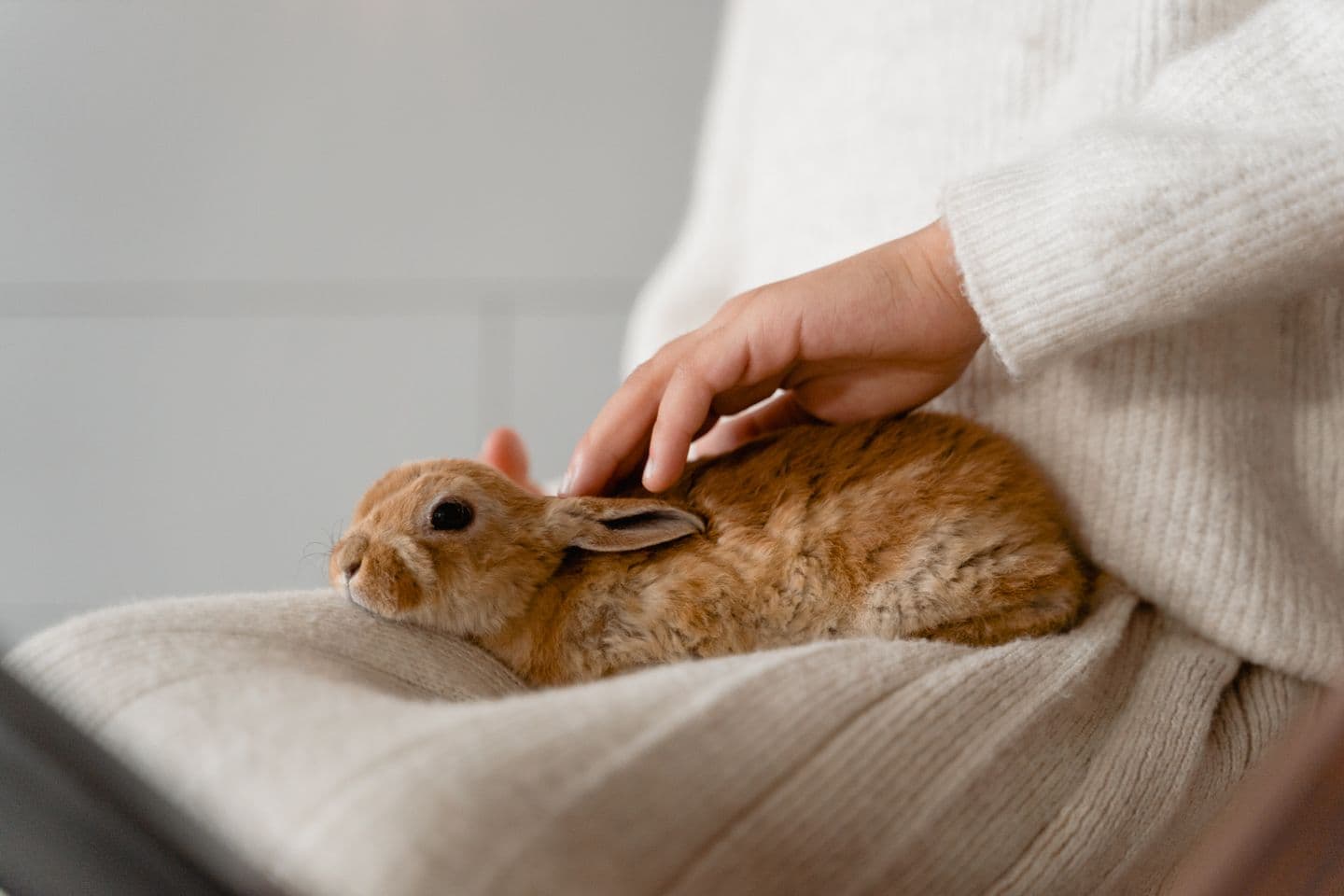
Adorable brown rabbit on lap being petted. Calm and cozy indoor atmosphere.

Rabbits / Breeds

Tan Rabbit

A sleek, athletic rabbit with a glossy dark coat and a bright tan underside, closer in spirit to a wild rabbit than most companion breeds.

2 min read
Charming close-up of a fluffy rabbit being held, showcasing warmth and affection.

Rabbits / Breeds

Florida White

Florida Whites are generally docile, good natured, and relaxed once they have had time to build trust with their owner.

2 min read
A cute lionhead rabbit with fluffy fur sitting indoors, captured in soft lighting.

Rabbits / Breeds

English Angora

English Angoras are typically gentle and calm, a temperament that works in their favour given how much handling their coat requires.

3 min read