
Rabbits / Breeds

French Angora

The most practical Angora for a first-time wool rabbit owner, with a bare face and naturally moulting coat.
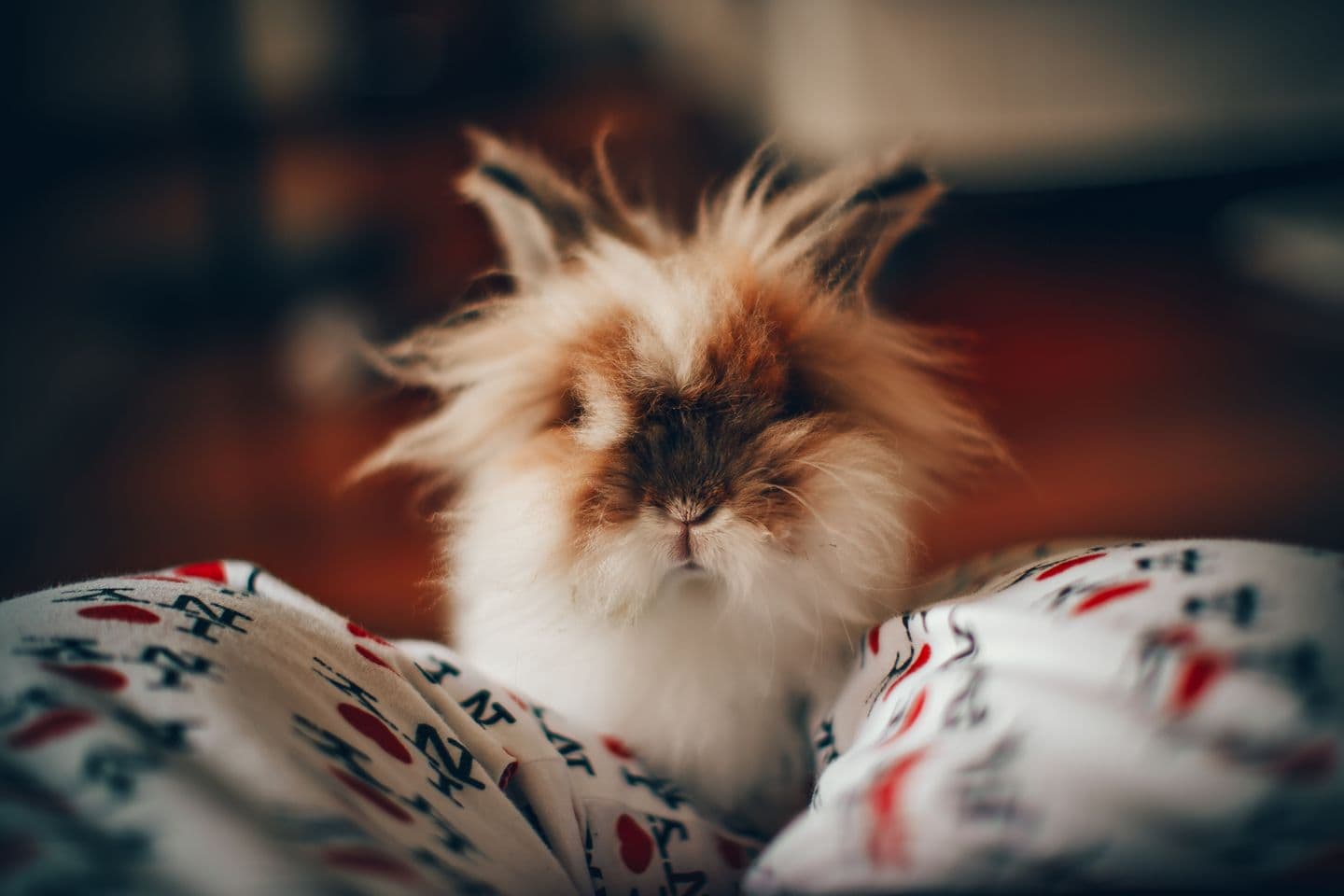
Adorable Lionhead rabbit with fluffy fur indoors, embodying a cute and cozy atmosphere.
Photo by Helena Lopes on Pexels
In this guide

The most practical Angora for a first-time wool rabbit owner, with a bare face and naturally moulting coat.

Quick facts

  • Origin: France, developed from the original Turkish Angora stock and recognised by the American Rabbit Breeders Association
  • Adult weight: 3.4 to 4.8 kilograms (about 7.5 to 10.5 pounds)
  • Lifespan: 7 to 12 years
  • Coat: Long wool with a higher proportion of guard hair than the English Angora, moults naturally and can be plucked rather than clipped
  • Best suited for: Owners who want the Angora look and fibre without the most intensive grooming schedule of the group

What they are like

French Angoras are generally easygoing and tolerant of handling, which is useful given the amount of coat care they still require.

They tend to be curious and food motivated, often food is the easiest way to build trust for grooming sessions.

This breed copes with routine better than some, so a consistent weekly grooming schedule tends to keep both rabbit and owner comfortable.

Feeding and diet

  • Hay must be available at all times, forming the bulk of the diet and supporting healthy digestion of any swallowed wool
  • About three tablespoons of pellets daily suits most adults, adjusted for body condition
  • Fresh greens in daily rotation round out the diet and support gut motility
  • A pineapple or papaya treat in small amounts is sometimes used as a natural aid to help move ingested fibre through the gut, though it is not a substitute for proper grooming

Grooming and everyday care

  • A bare face means no facial trimming is needed, which genuinely simplifies grooming compared to the English Angora
  • Because the coat sheds naturally, plucking loose wool during moults every few months, rather than shearing on a fixed schedule, works well for this breed
  • Weekly brushing between moults is usually enough to prevent mats from forming

Health watch

  • Wool block remains a risk, though somewhat less than in non-moulting Angora types, so monitor droppings and appetite through shedding periods
  • Overheating is a concern in a heavy-coated breed, particularly if grooming falls behind during a moult
  • Ear and eye checks are worthwhile since long fur can trap debris close to these areas

Keeping one in India

The French Angora's naturally shedding coat makes it somewhat more forgiving in the Indian climate than the German or Giant types, though it still needs to live indoors with cooling and a firm grooming routine through the hotter months.

It remains an uncommon breed in India and is best sourced through dedicated rabbit or fibre-craft communities rather than general pet shops.

Article content © Ravi Teja. All rights reserved.

A little more to explore.

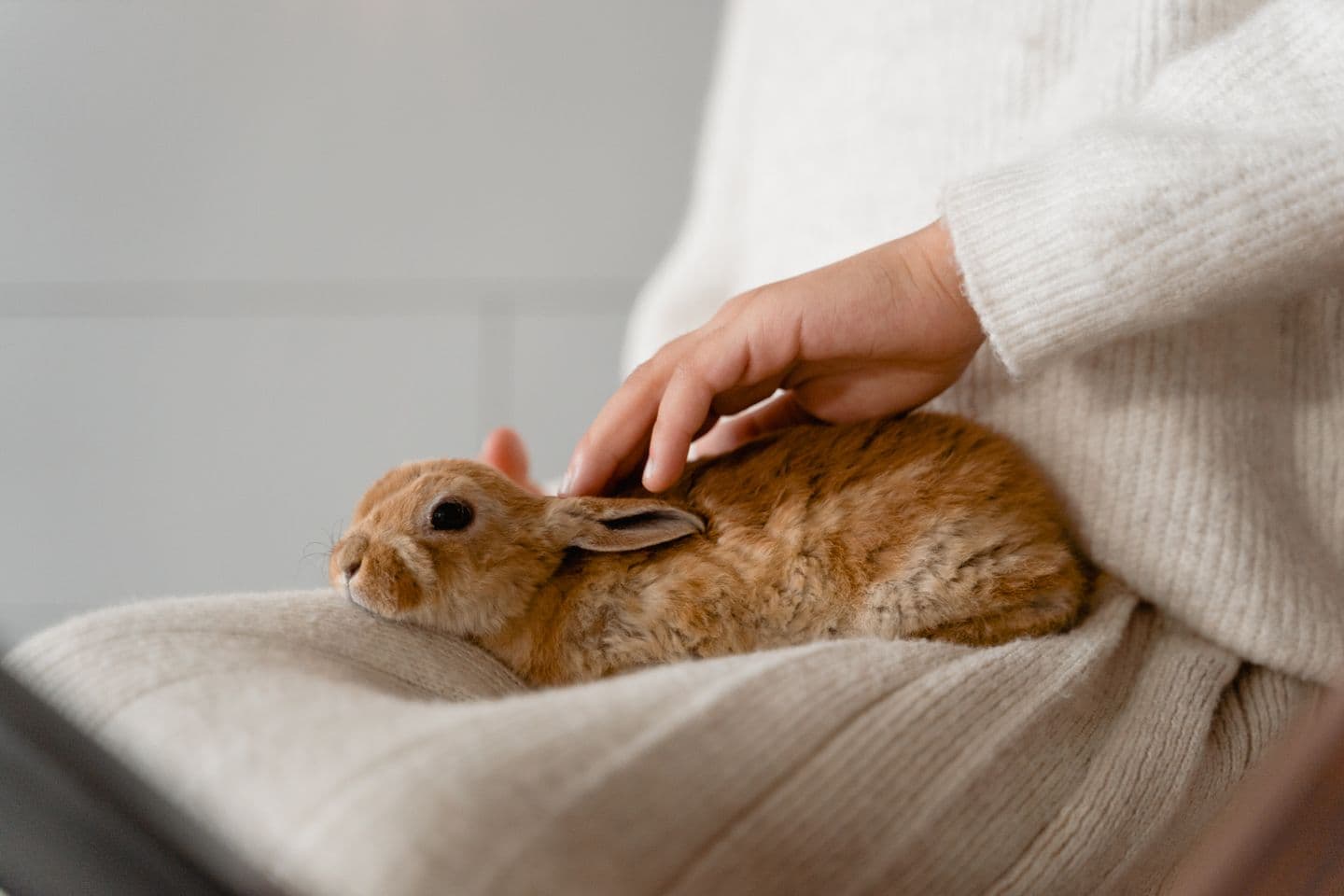
Adorable brown rabbit on lap being petted. Calm and cozy indoor atmosphere.

Rabbits / Breeds

Tan Rabbit

A sleek, athletic rabbit with a glossy dark coat and a bright tan underside, closer in spirit to a wild rabbit than most companion breeds.

2 min read
Charming close-up of a fluffy rabbit being held, showcasing warmth and affection.

Rabbits / Breeds

Florida White

Florida Whites are generally docile, good natured, and relaxed once they have had time to build trust with their owner.

2 min read
A cute lionhead rabbit with fluffy fur sitting indoors, captured in soft lighting.

Rabbits / Breeds

English Angora

English Angoras are typically gentle and calm, a temperament that works in their favour given how much handling their coat requires.

3 min read