
Rabbits / Breeds

French Lop

A broad-headed, thickset lop bred down from the English Lop for size and calm temperament rather than ear length.
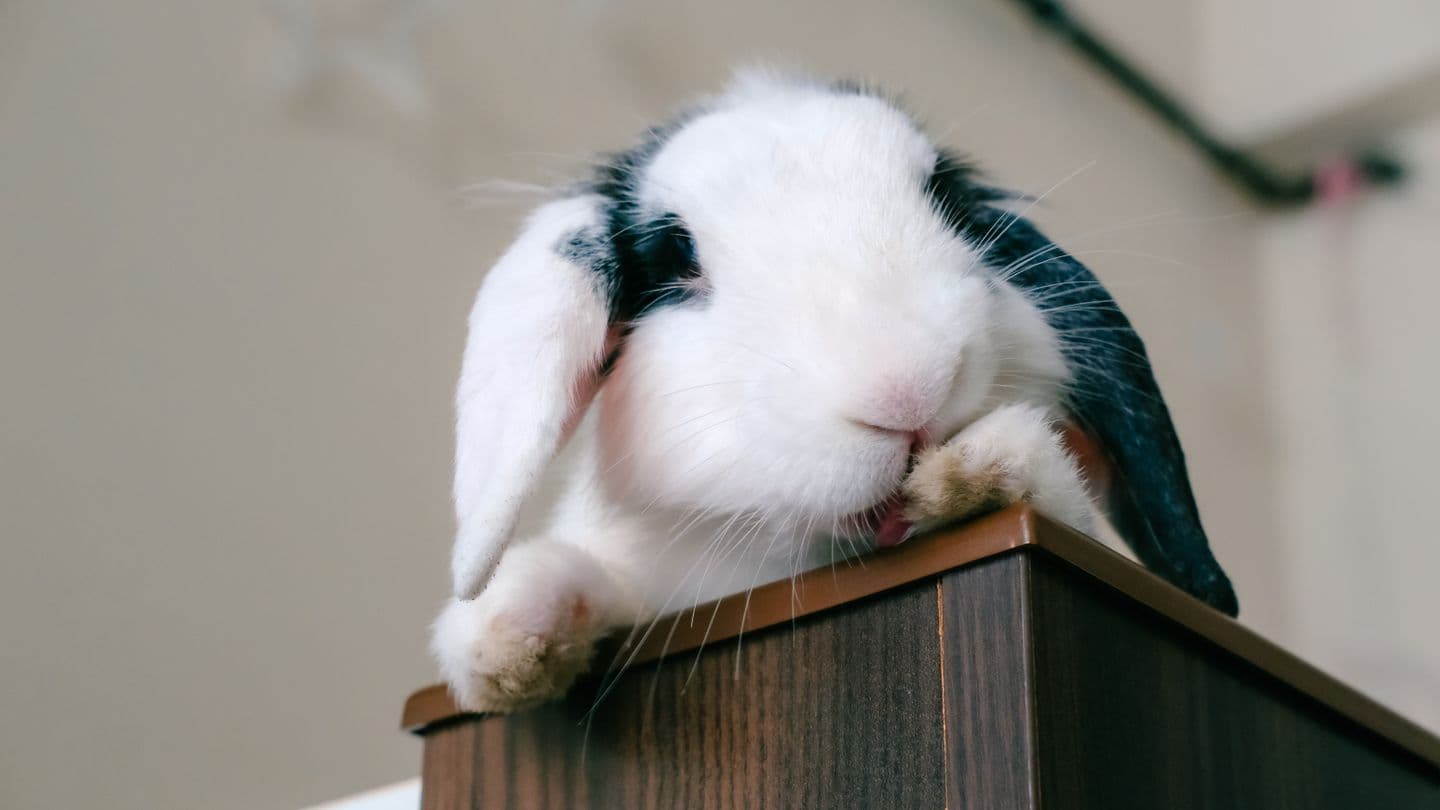
Close-up of a cute lop-eared rabbit lounging on a wooden surface indoors.
Photo by Ceren Büşra SEVTEKİN KÖKMEN on Pexels
In this guide

A broad-headed, thickset lop bred down from the English Lop for size and calm temperament rather than ear length.

Quick facts

  • Origin: France, developed in the nineteenth century by crossing English Lop and Flemish Giant stock
  • Adult weight: 4.5 to 6.8 kilograms (about 10 to 15 pounds), the breed standard sets a minimum but no upper weight limit
  • Lifespan: 5 to 8 years
  • Coat: Short to medium, dense and soft, relatively easy to maintain given the breed's size
  • Best suited for: Owners with significant floor space and rabbit-handling confidence, this is not a starter breed for small apartments

What they are like

French Lops are widely regarded as calm, gentle, and well balanced, often described as placid despite their imposing size.

They tend to get along well with a settled household, including, with proper introductions, other pets and children old enough to handle them gently.

Their laid-back nature means they generally prefer calm, free movement over frantic play, though daily exercise is still important for joint and gut health.

Feeding and diet

  • A generous, near-constant supply of hay is essential given this breed's size and calorie needs
  • Four tablespoons of pellets daily is a reasonable starting point for an adult, adjusted carefully since French Lops can gain weight quickly on excess pellets
  • Fresh greens in generous daily portions support a larger digestive system
  • Because of their heavy body weight, any sudden drop in appetite needs prompt veterinary attention rather than a wait-and-watch approach

Grooming and everyday care

  • A weekly brush suits the short to medium coat, increasing during seasonal moults
  • Ear checks are worthwhile, since the folded ear shape reduces airflow and can trap moisture
  • Regular nail trims matter given this breed's weight, since overgrown nails add strain to already heavily loaded joints

Health watch

  • Joint problems are more likely in this breed because of its substantial body weight, so solid, non-slip flooring and weight control both help
  • Sore hocks can develop under sustained weight if flooring is too hard, so a soft resting area is worthwhile
  • As with other lops, ear infections are worth watching for, especially in humid weather

Keeping one in India

A French Lop needs meaningfully more space and a sturdier setup than any of the smaller breeds in this series, which is worth planning for carefully in an Indian home before bringing one in.

Given the breed's size, cooling in summer needs to be taken seriously, a large rabbit generates and retains more body heat than a small one and can overheat faster than owners expect.

Article content © Ravi Teja. All rights reserved.

A little more to explore.

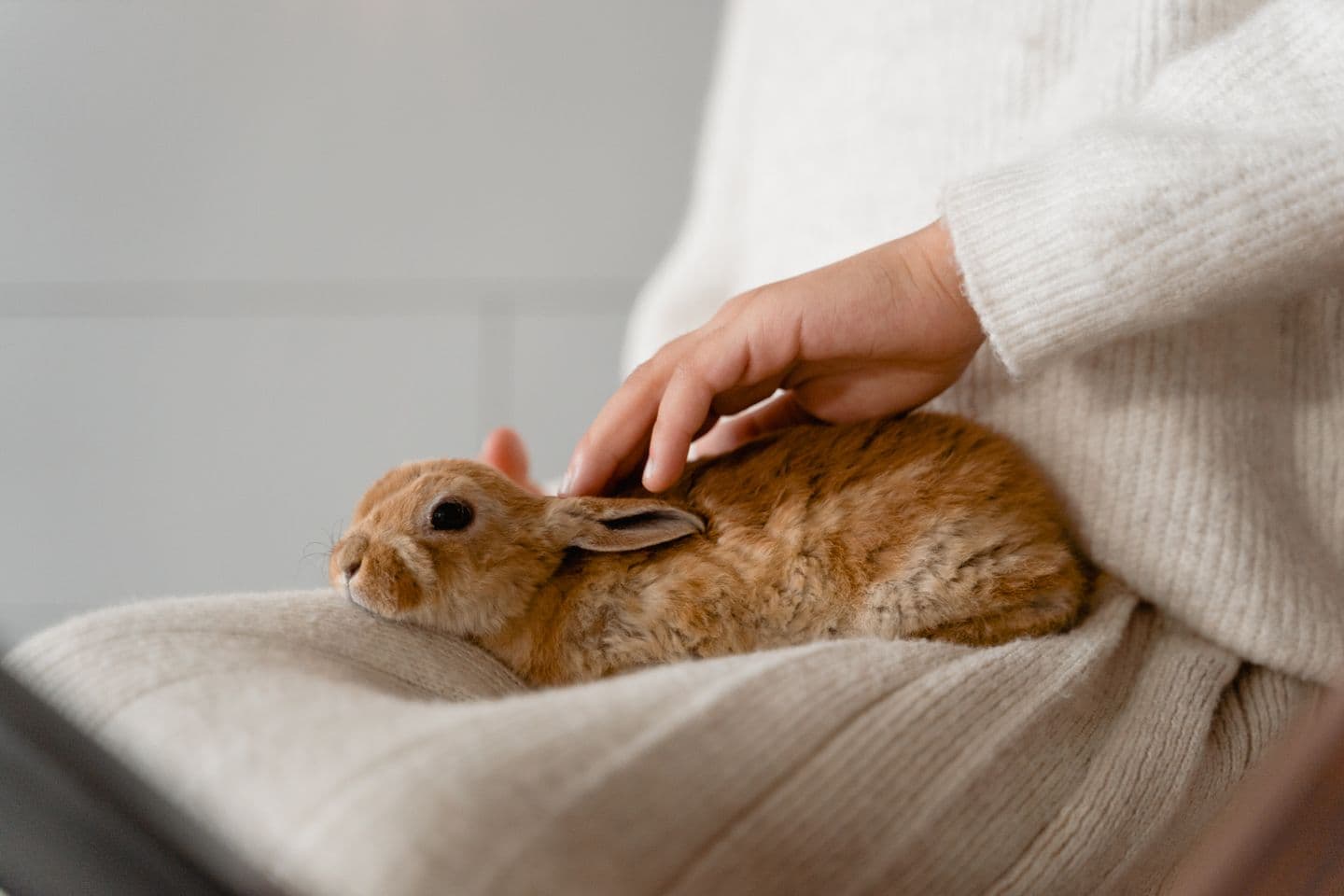
Adorable brown rabbit on lap being petted. Calm and cozy indoor atmosphere.

Rabbits / Breeds

Tan Rabbit

A sleek, athletic rabbit with a glossy dark coat and a bright tan underside, closer in spirit to a wild rabbit than most companion breeds.

2 min read
Charming close-up of a fluffy rabbit being held, showcasing warmth and affection.

Rabbits / Breeds

Florida White

Florida Whites are generally docile, good natured, and relaxed once they have had time to build trust with their owner.

2 min read
A cute lionhead rabbit with fluffy fur sitting indoors, captured in soft lighting.

Rabbits / Breeds

English Angora

English Angoras are typically gentle and calm, a temperament that works in their favour given how much handling their coat requires.

3 min read