
Rabbits / Breeds

German Angora

The wool specialist of the Angora family, bred for fibre yield rather than the show ring look of its English cousin.
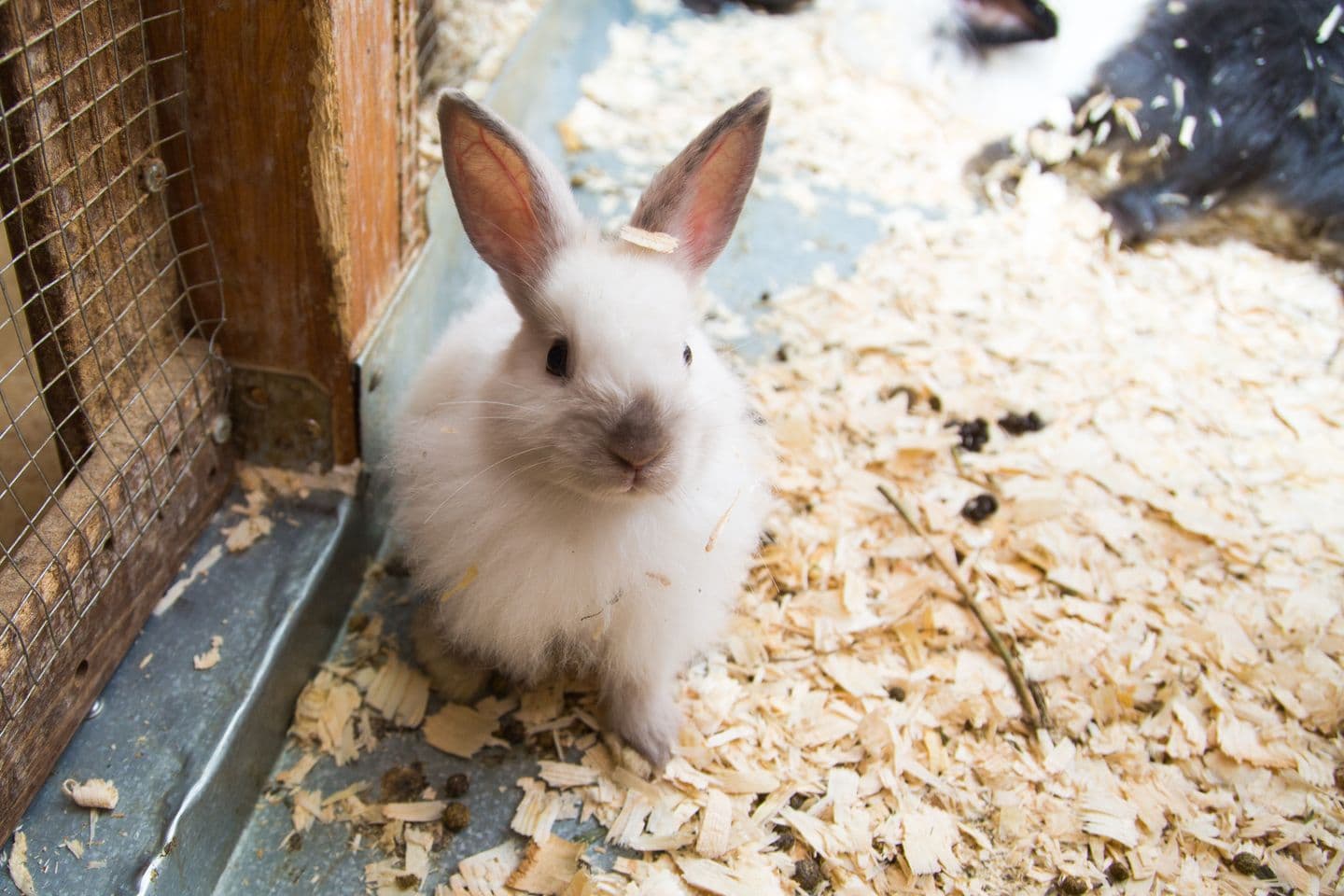
Adorable fluffy white rabbit in a cozy indoor hutch with wood shavings.
Photo by Dmitry Sidorov on Pexels
In this guide

The wool specialist of the Angora family, bred for fibre yield rather than the show ring look of its English cousin.

Quick facts

  • Origin: Germany, developed to maximise wool production, not recognised by the American Rabbit Breeders Association but governed by its own dedicated breed association internationally
  • Adult weight: 2.5 to 5.5 kilograms (about 5.5 to 12 pounds)
  • Lifespan: 7 to 12 years
  • Coat: Extremely dense wool that does not naturally moult, so it must be sheared roughly every three months rather than plucked
  • Best suited for: Fibre-focused owners with a serious grooming routine and space for a larger rabbit, not a casual first pet

What they are like

German Angoras tend to be calm and steady, a trait that makes the frequent handling needed for shearing and grooming more manageable.

They are generally people-oriented once settled, though their size means confident, well-supported handling matters more than with smaller breeds.

Because this breed produces more wool than any other Angora type, owners take on a genuine ongoing commitment rather than an occasional grooming task.

Feeding and diet

  • Unlimited grass hay is essential, both for digestion and to help move ingested wool through the gut
  • A fibre-rich pellet in a measured daily portion, roughly three to four tablespoons for an adult, supports the heavy demands of wool growth
  • Fresh greens in daily rotation aid gut motility, which matters even more in a breed prone to swallowing loose wool
  • Adequate protein in the diet supports healthy wool growth, so a quality pellet formulated for fibre breeds is worth seeking out

Grooming and everyday care

  • Because the coat does not shed on its own, a full shearing every ninety days is not optional, it is basic welfare
  • Between shears, daily to alternate-day brushing prevents matting, which can otherwise trap moisture against the skin
  • The area around the tail needs particularly close attention in warm weather to avoid soiling and fly strike

Health watch

  • Wool block is a real risk given how much fibre this breed sheds into its own coat between shears, watch appetite and droppings closely
  • A heavy, unclipped coat is a genuine heatstroke risk, so shearing schedules should never slip during summer
  • Skin problems can develop unnoticed under dense wool, so grooming sessions should double as a skin check

Keeping one in India

This is a demanding breed to keep in Indian conditions. The coat needs to be kept clipped short through the hotter months without exception, and the rabbit should live indoors with reliable cooling.

German Angoras are rare in India outside dedicated fibre-focused breeders, so anyone considering one should first confirm access to a vet or groomer experienced with large-breed shearing.

Article content © Ravi Teja. All rights reserved.

A little more to explore.

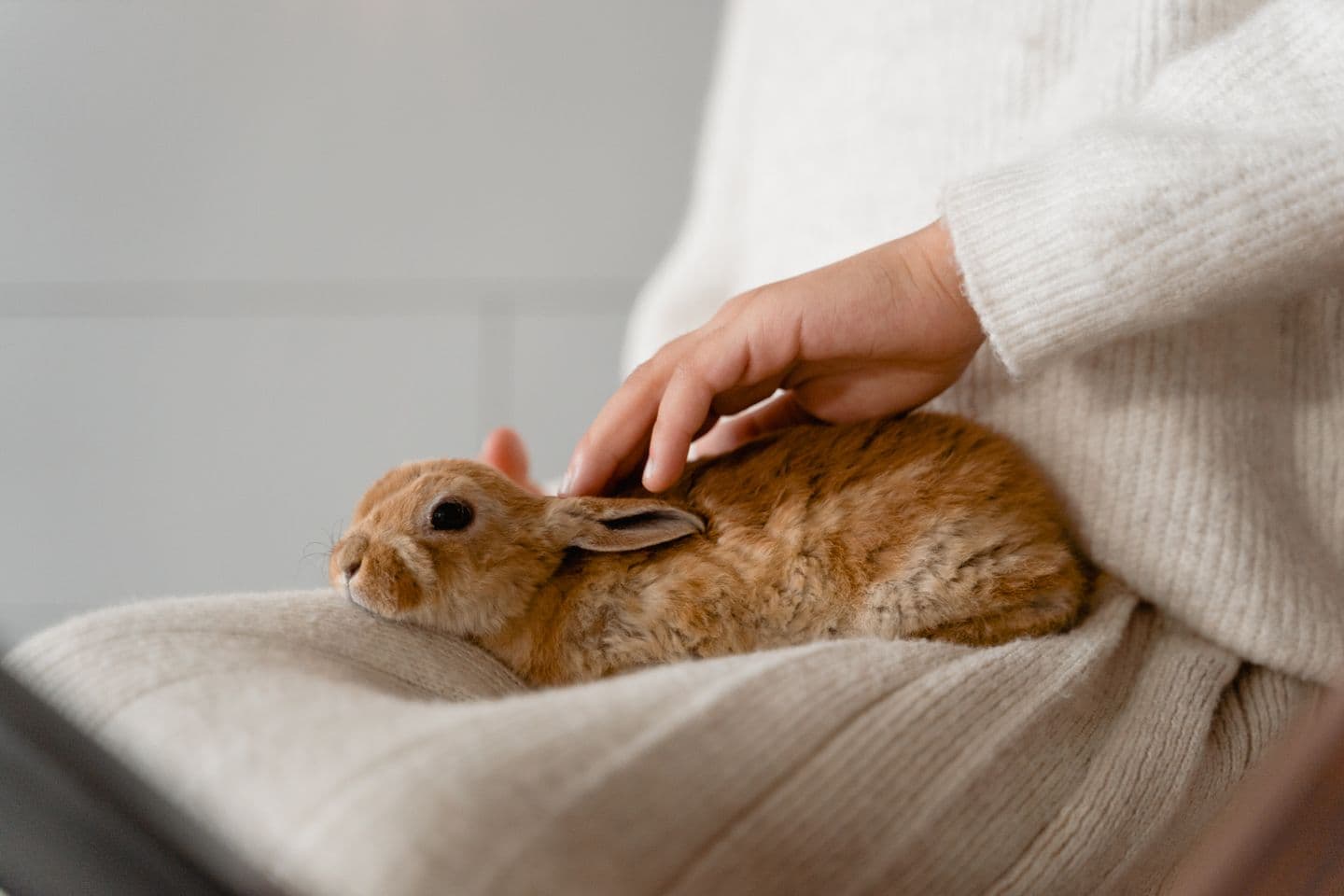
Adorable brown rabbit on lap being petted. Calm and cozy indoor atmosphere.

Rabbits / Breeds

Tan Rabbit

A sleek, athletic rabbit with a glossy dark coat and a bright tan underside, closer in spirit to a wild rabbit than most companion breeds.

2 min read
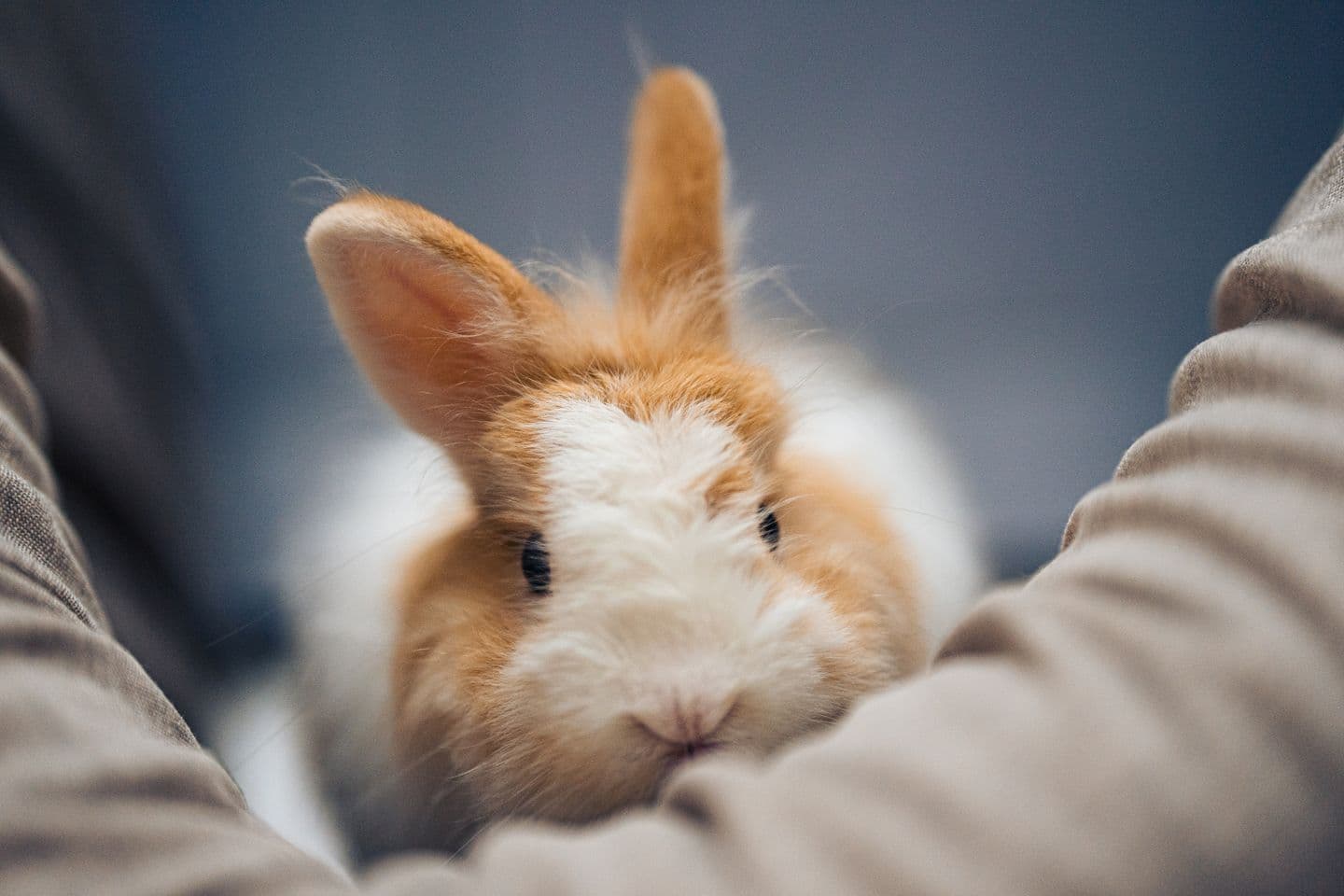
Charming close-up of a fluffy rabbit being held, showcasing warmth and affection.

Rabbits / Breeds

Florida White

Florida Whites are generally docile, good natured, and relaxed once they have had time to build trust with their owner.

2 min read
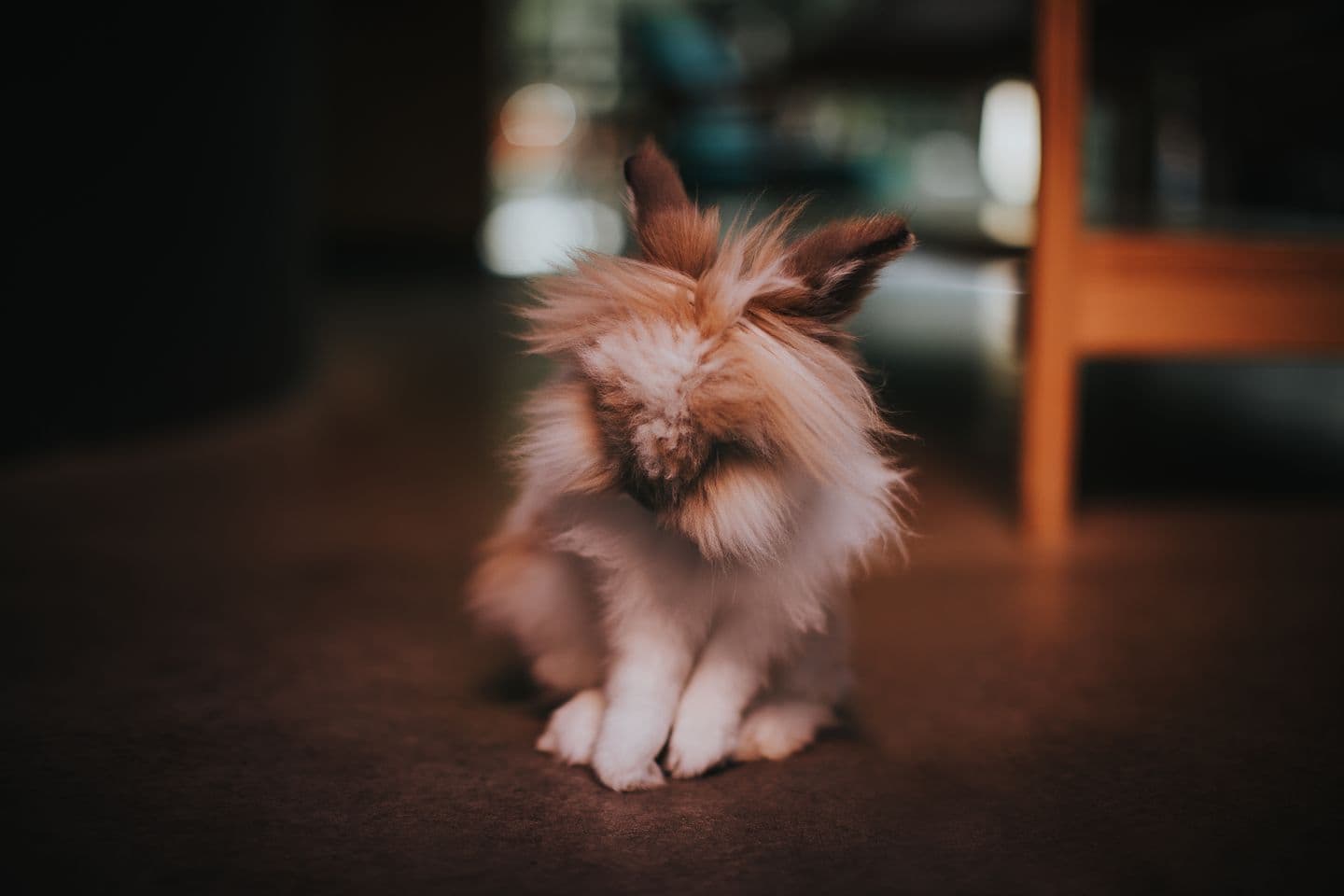
A cute lionhead rabbit with fluffy fur sitting indoors, captured in soft lighting.

Rabbits / Breeds

English Angora

English Angoras are typically gentle and calm, a temperament that works in their favour given how much handling their coat requires.

3 min read