
Rabbits / Breeds
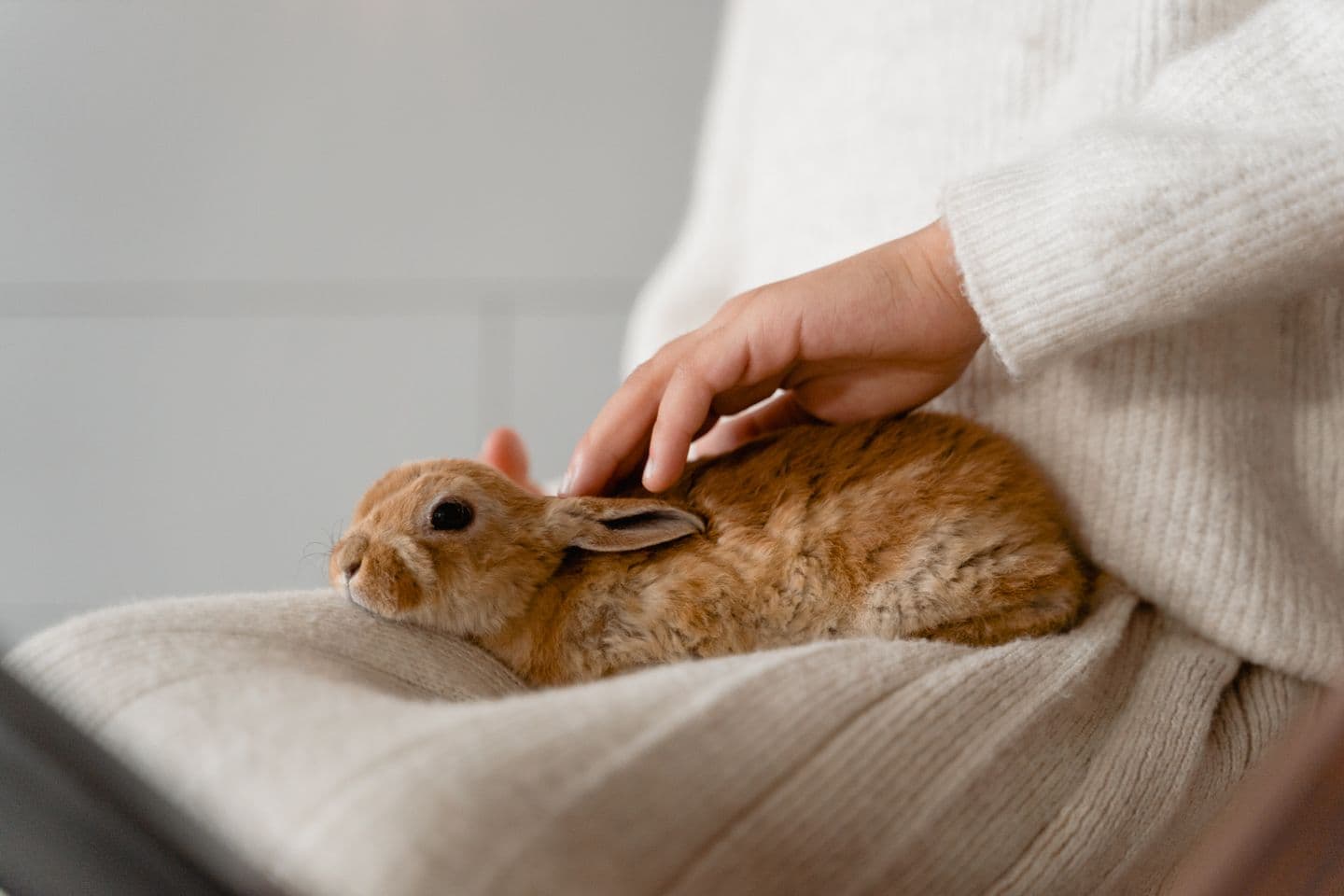
Tan Rabbit
A sleek, athletic rabbit with a glossy dark coat and a bright tan underside, closer in spirit to a wild rabbit than most companion breeds.
2 min read
Rabbits / Breeds
One of the oldest rabbit breeds, a slender, cylindrical rabbit with Siamese-cat-like markings that shift with the temperature.
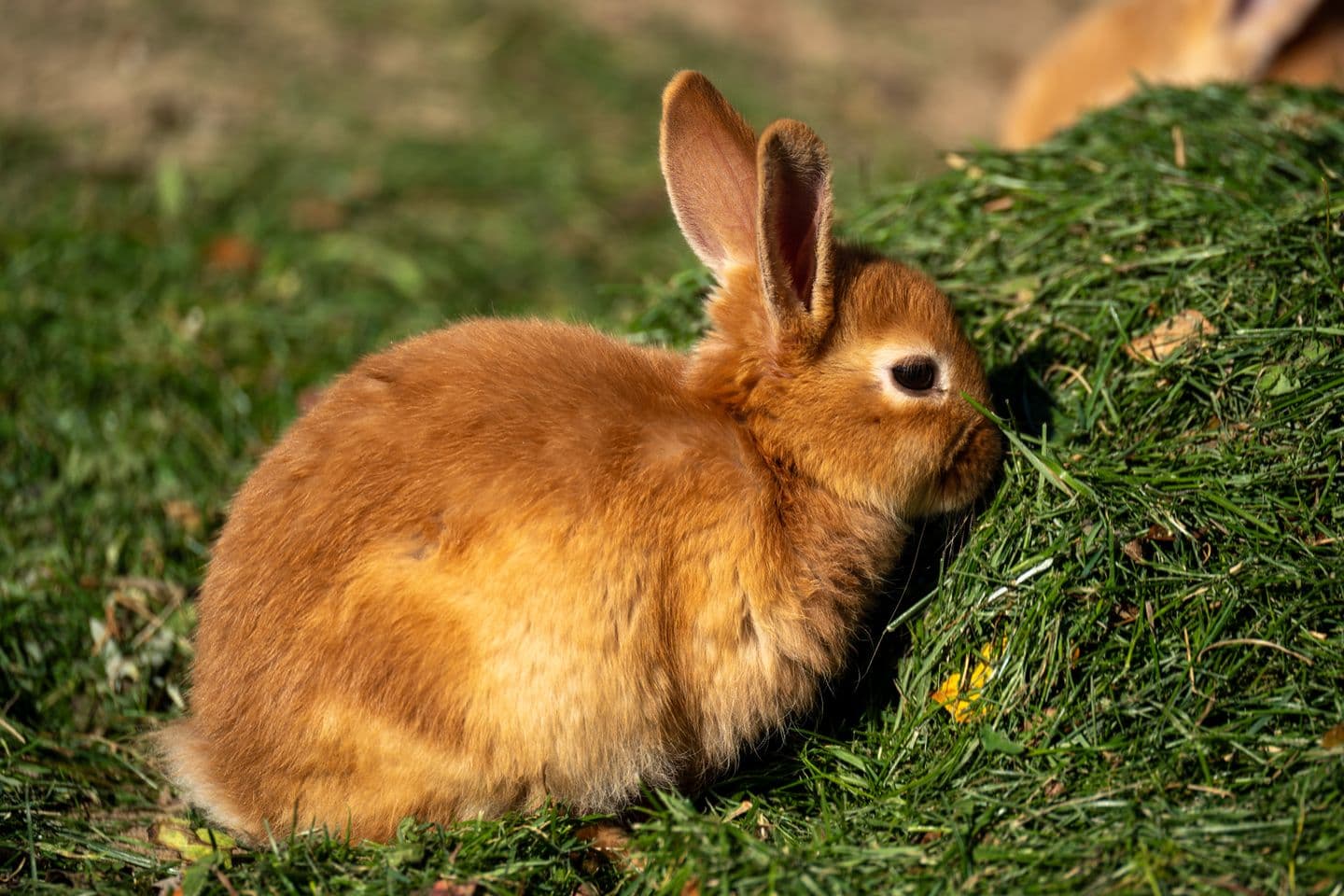
One of the oldest rabbit breeds, a slender, cylindrical rabbit with Siamese-cat-like markings that shift with the temperature.
Himalayans are known for being calm, gentle, and easygoing, a temperament that has made them a foundation breed for several others.
They are generally sociable and enjoy the company of people and other rabbits, adapting well to family life.
Their docile nature and manageable size make them a good match for households with children who can handle a rabbit calmly.
Given the temperature-linked markings, owners in India may notice the dark points on the nose, ears, feet, and tail appear a little lighter during peak summer than they do in the cooler months, which is entirely normal and reverses on its own.
The short coat is an advantage in Indian heat, though shade, hydration, and a cool resting surface remain essential through the summer regardless of coat type.
Part 3
Commercial, Meat and Fur Breeds (Part 3)
Article content © Ravi Teja. All rights reserved.
Rabbits / Breeds
A sleek, athletic rabbit with a glossy dark coat and a bright tan underside, closer in spirit to a wild rabbit than most companion breeds.
2 min read
Rabbits / Breeds
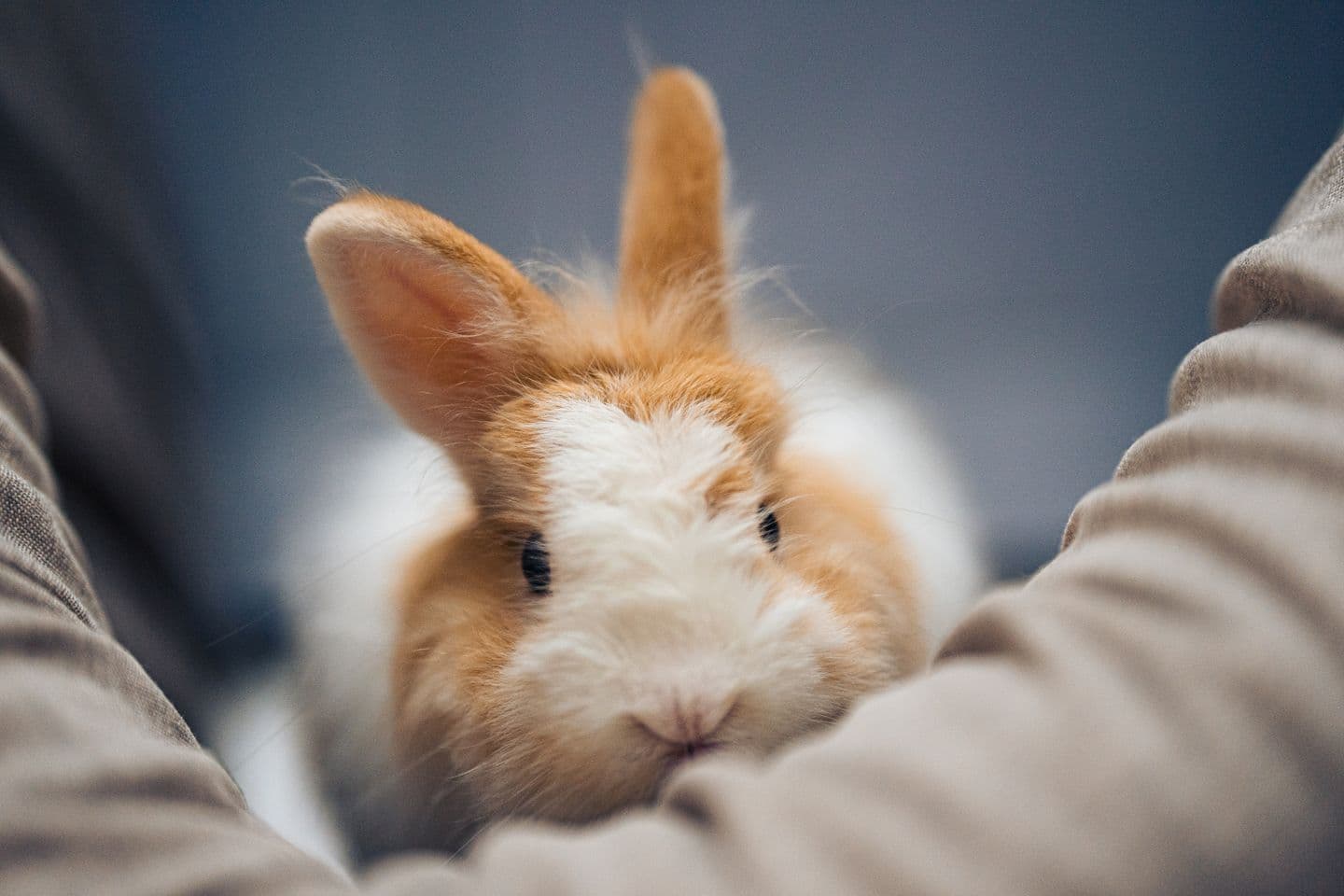
Florida Whites are generally docile, good natured, and relaxed once they have had time to build trust with their owner.
2 min read
Rabbits / Breeds
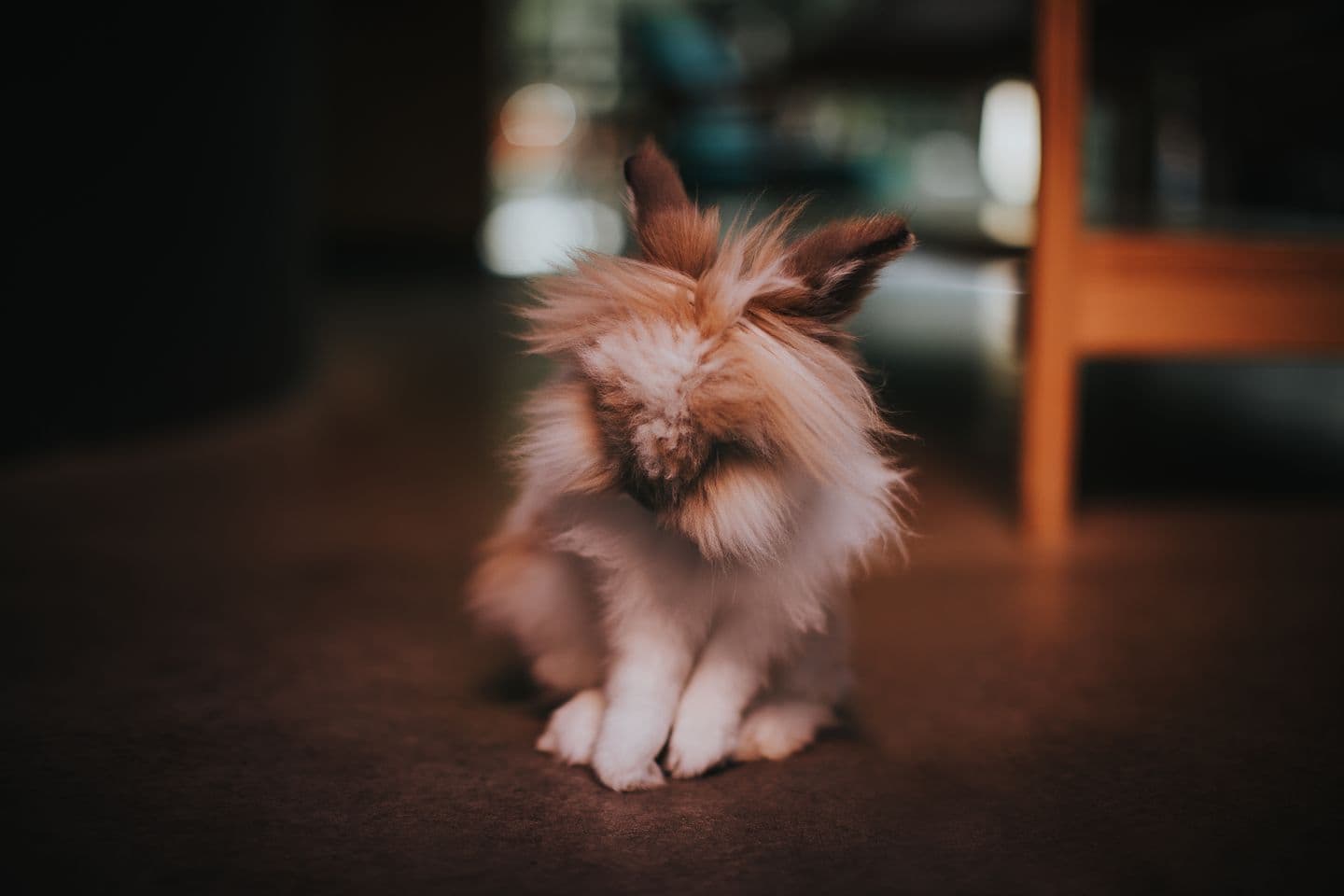
English Angoras are typically gentle and calm, a temperament that works in their favour given how much handling their coat requires.
3 min read