
Rabbits / Breeds

Holland Lop

Holland Lops are widely considered one of the friendliest small breeds, calm, sociable, and generally happy to be picked up once they trust their owner.
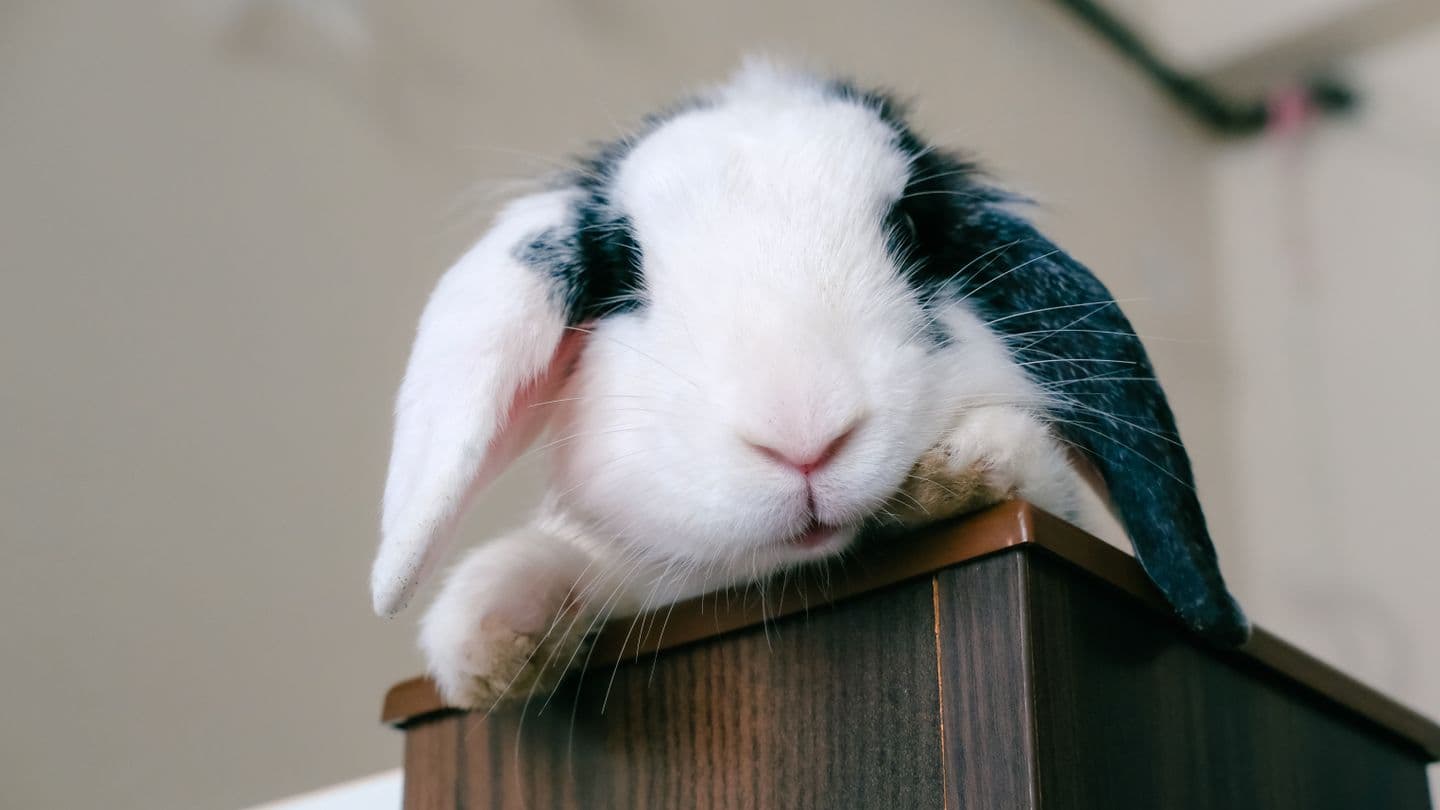
Close-up of a black and white lop-eared rabbit resting on wooden furniture indoors.
Photo by Ceren Büşra SEVTEKİN KÖKMEN on Pexels
In this guide

A compact, muscular lop with a famously sweet nature and ears that frame a round, appealing face.

Quick facts

  • Origin: The Netherlands, created by crossing the French Lop with the Netherland Dwarf
  • Adult weight: 1 to 1.8 kilograms (about 2 to 4 pounds)
  • Lifespan: 7 to 10 years
  • Coat: Short and dense, with a soft flyback texture
  • Best suited for: Families with older children, first-time owners, and anyone who wants a small rabbit with a mellow personality

What they are like

Holland Lops are widely considered one of the friendliest small breeds, calm, sociable, and generally happy to be picked up once they trust their owner.

They are playful without being frantic, making them easier to read and handle than some of the more highly strung dwarf breeds.

Being lop-eared, they rely on body language rather than upright ear position to signal mood, so new owners benefit from learning to read posture and tail carriage instead.

Feeding and diet

  • Fresh hay around the clock is essential, ideally more than the rabbit's own body size in volume each day
  • A modest daily ration of pellets, about two tablespoons for an adult, prevents the breed's tendency to put on weight
  • Leafy greens like coriander, mint, and banana leaf in small quantities make good additions once the rabbit is past twelve weeks
  • Avoid sudden diet changes, since Holland Lops are prone to digestive upset if new foods are introduced too quickly

Grooming and everyday care

  • Weekly brushing keeps the short coat tidy and reduces loose fur ingestion
  • Lop ears trap moisture and wax more than upright ears, so a gentle ear check every week or two is worthwhile, especially in humid regions
  • Nail trims every four to six weeks are typical for this breed

Health watch

  • Ear infections are more common in lop breeds because the folded ear canal traps moisture, so any head tilt, scratching, or odour should be checked promptly
  • Dental issues can occur due to the compact jaw structure, so offer plenty of hay and chew-safe wood to keep teeth worn down naturally
  • Watch body weight closely, as this breed can gain excess weight quickly on rich diets

Keeping one in India

Holland Lops are one of the more commonly available lop breeds through breeders in Indian cities, though buyers should be cautious of sellers who cannot confirm lineage, since many rabbits sold as Holland Lops are actually mixed lops.

In humid coastal cities, pay closer attention to ear hygiene than owners elsewhere might, since the combination of folded ears and moisture raises infection risk.

Article content © S Vejay Anand. All rights reserved.

A little more to explore.

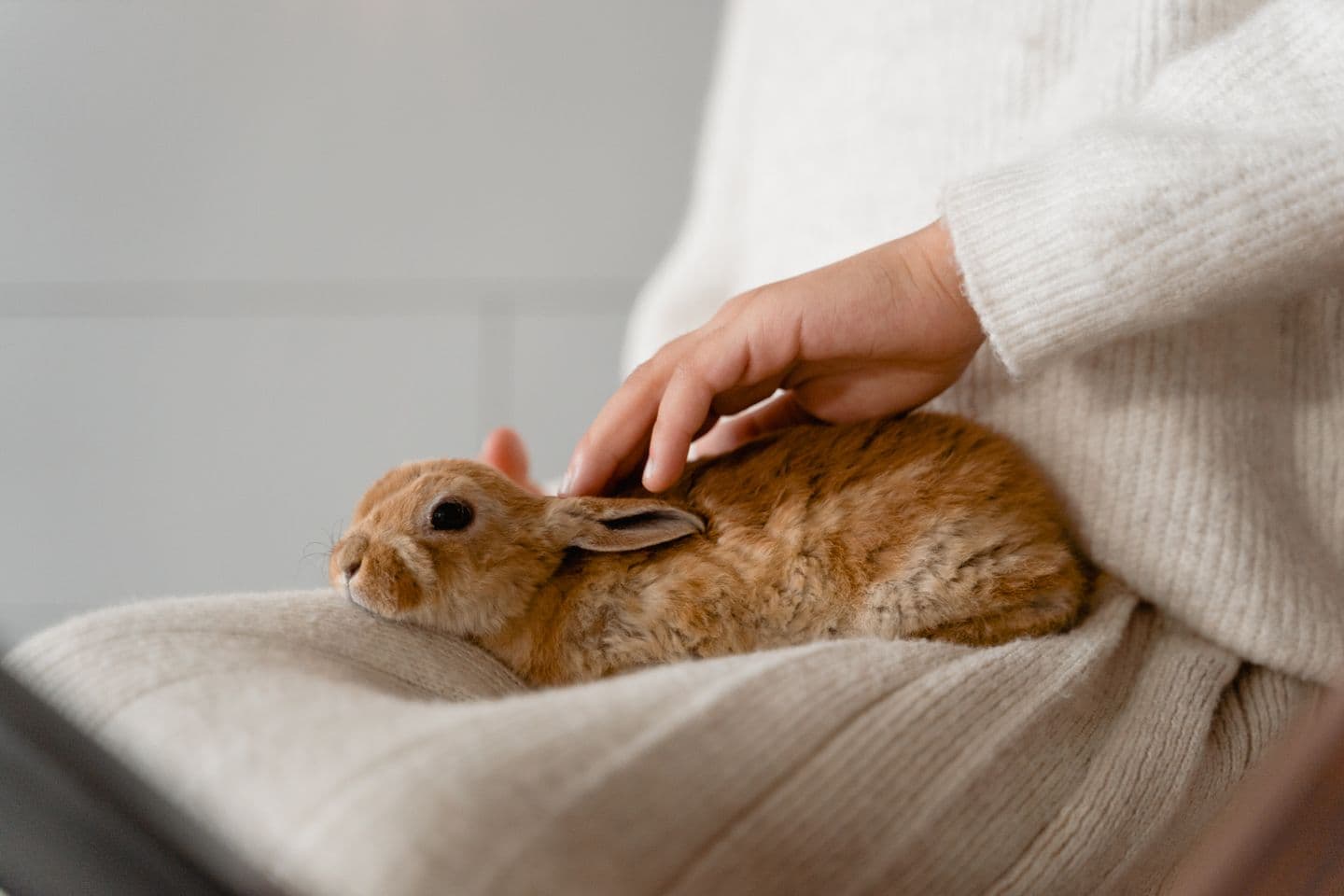
Adorable brown rabbit on lap being petted. Calm and cozy indoor atmosphere.

Rabbits / Breeds

Tan Rabbit

A sleek, athletic rabbit with a glossy dark coat and a bright tan underside, closer in spirit to a wild rabbit than most companion breeds.

2 min read
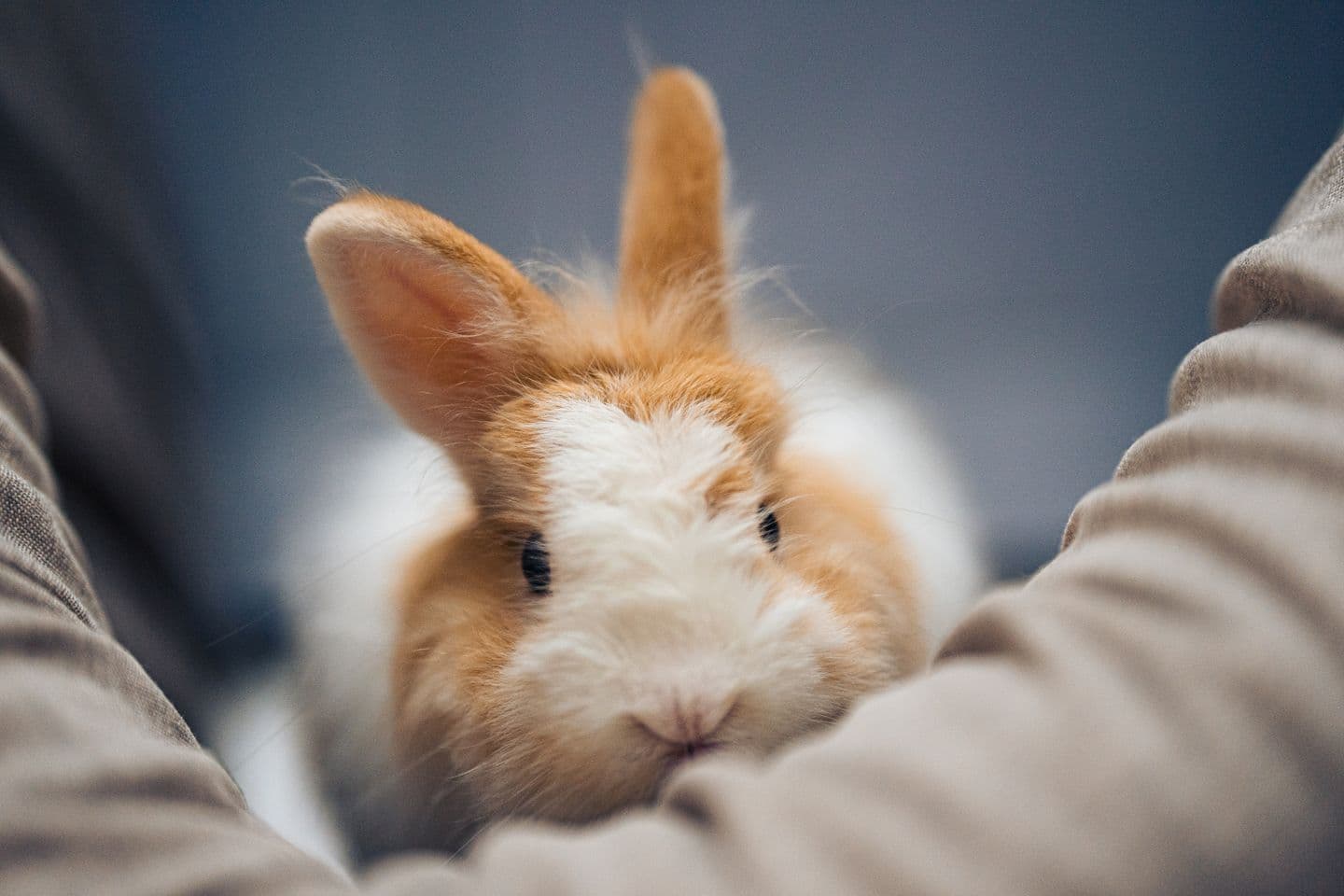
Charming close-up of a fluffy rabbit being held, showcasing warmth and affection.

Rabbits / Breeds

Florida White

Florida Whites are generally docile, good natured, and relaxed once they have had time to build trust with their owner.

2 min read
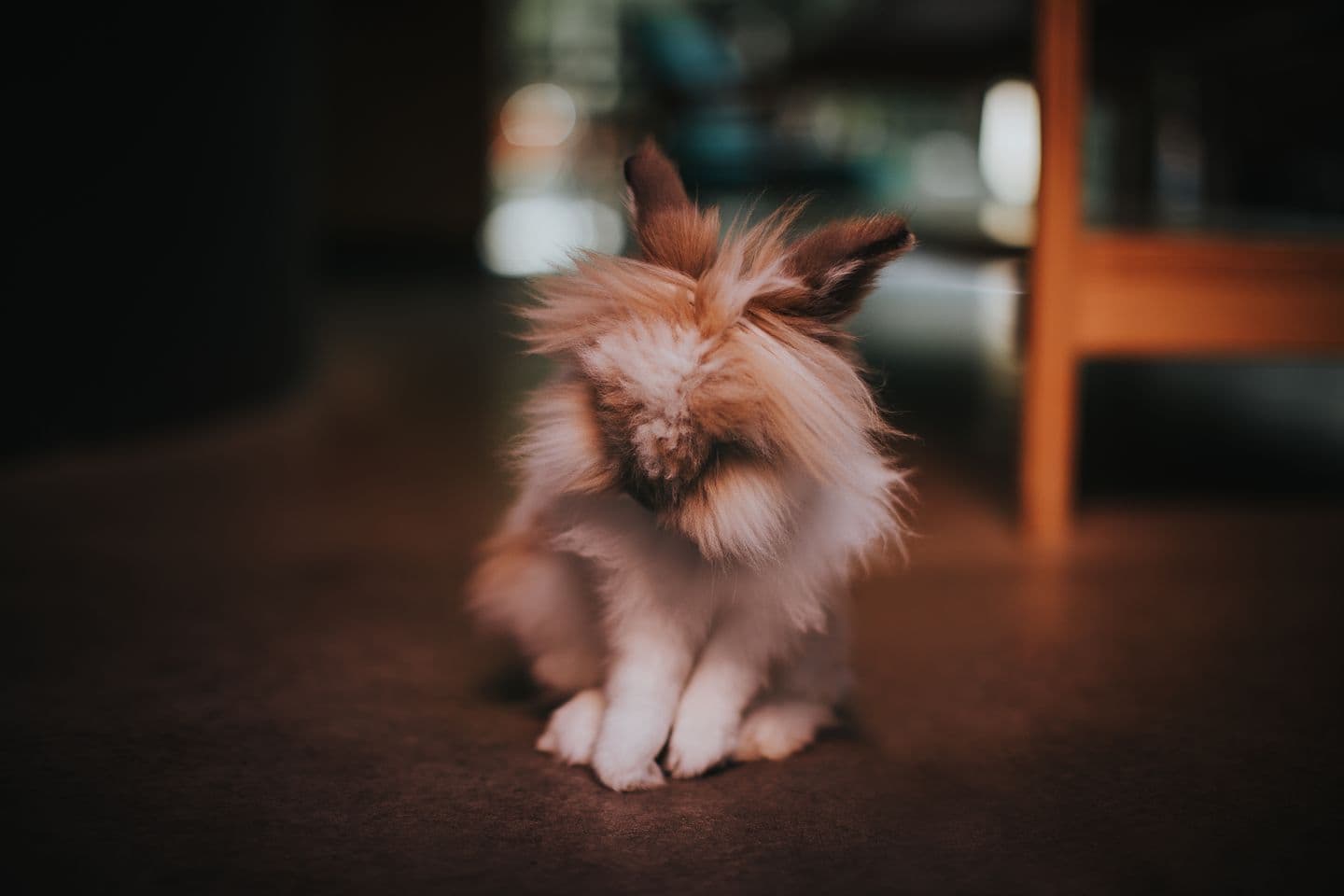
A cute lionhead rabbit with fluffy fur sitting indoors, captured in soft lighting.

Rabbits / Breeds

English Angora

English Angoras are typically gentle and calm, a temperament that works in their favour given how much handling their coat requires.

3 min read