
Rabbits / Breeds

Lionhead

Lionheads tend to be alert, sociable, and inquisitive, often approaching new people and objects rather than hiding from them.
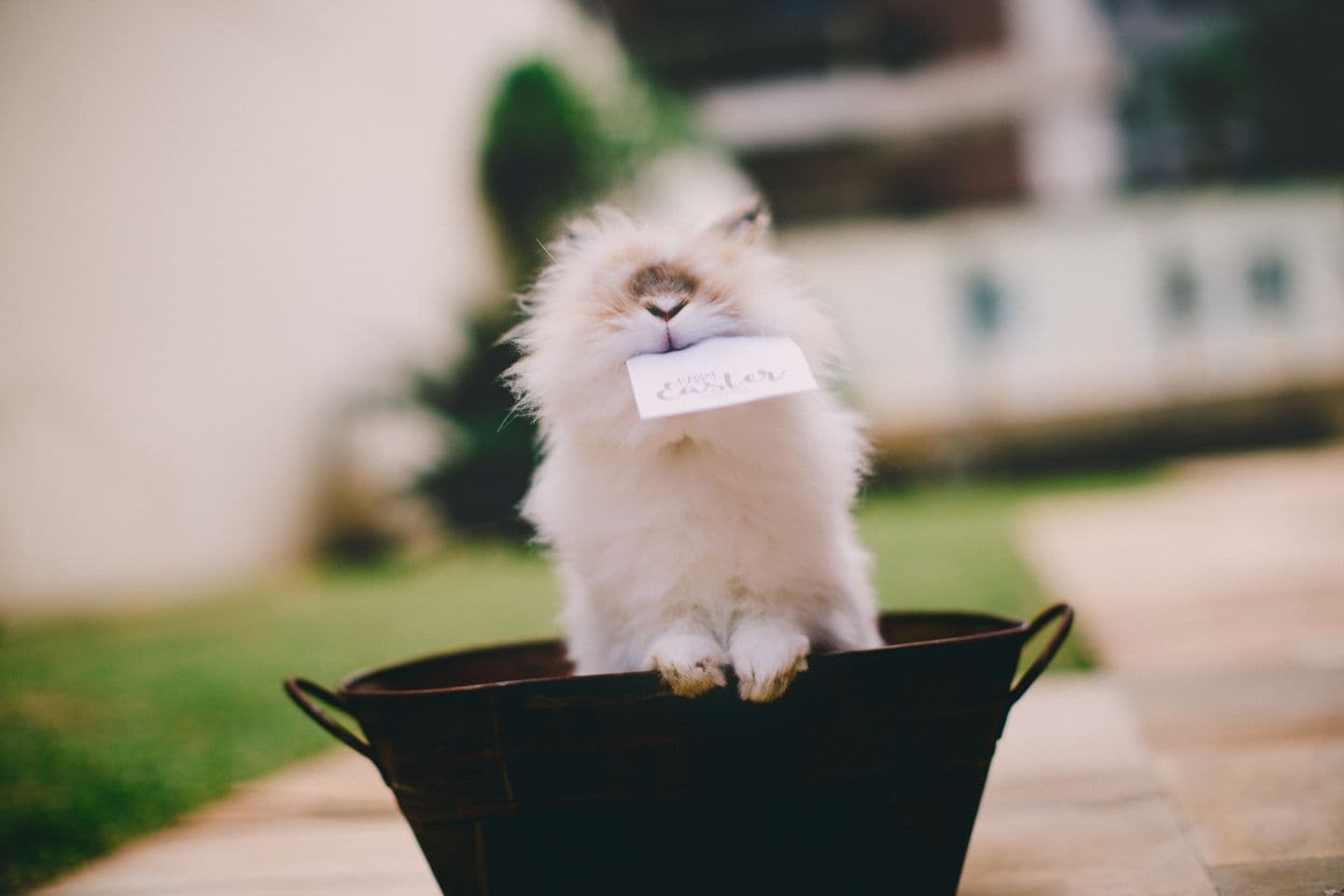
Adorable fluffy rabbit holding a note in its mouth, outdoors in a natural setting.
Photo by Helena Lopes on Pexels
In this guide

Recognisable at a glance for its woolly mane, a small breed with a big personality.

Quick facts

  • Origin: Belgium, developed by breeding a genetic mutation for a longer mane gene into dwarf rabbit lines
  • Adult weight: 1.1 to 1.7 kilograms (about 2.5 to 3.75 pounds)
  • Lifespan: 7 to 10 years, occasionally longer
  • Coat: A wool mane around the head and flanks over a shorter body coat, requires more grooming than most short-haired breeds
  • Best suited for: Owners with time for regular grooming, and those drawn to a distinctive, expressive-looking rabbit

What they are like

Lionheads tend to be alert, sociable, and inquisitive, often approaching new people and objects rather than hiding from them.

They can be nippy or territorial if not neutered, a trait grooming and handling routines can help manage once the rabbit is comfortable with its owner.

This breed generally does well with gentle, regular handling from a young age, which keeps them calmer for the grooming their coat demands.

Feeding and diet

  • Unlimited hay is especially important for this breed, since chewing fibrous hay helps prevent the wool coat from matting around the mouth
  • A measured two tablespoons of pellets daily is appropriate for most adults
  • Fresh greens in small rotating portions support overall coat health
  • Keep an eye on caecotrophs, the soft droppings rabbits re-eat for nutrition, since a mane can occasionally interfere with a rabbit's ability to reach and consume them

Grooming and everyday care

  • Brush the mane at least two to three times a week, more often during shedding, to prevent matting
  • Pay particular attention to the area around the chin and chest where mats form first
  • Trim nails every four to six weeks as with most breeds

Health watch

  • Matted fur around the rear can attract flies and cause skin irritation in warm, humid weather, so keep that area clean and trimmed short if needed
  • Watch for wool block, a buildup of ingested fur in the gut, which shows up as reduced appetite and smaller droppings
  • Like other dwarf-influenced breeds, dental crowding can occur, so annual vet checks of the teeth are worthwhile

Keeping one in India

The mane coat is a genuine liability in Indian heat and monsoon humidity, so Lionheads need to be kept indoors with cooling, and owners should check the rear coat daily during the rains for dampness or fly strike.

This is still a relatively uncommon breed in India, so it is worth confirming grooming supplies and an exotic vet are accessible before bringing one home.

Article content © Ravi Teja. All rights reserved.

A little more to explore.

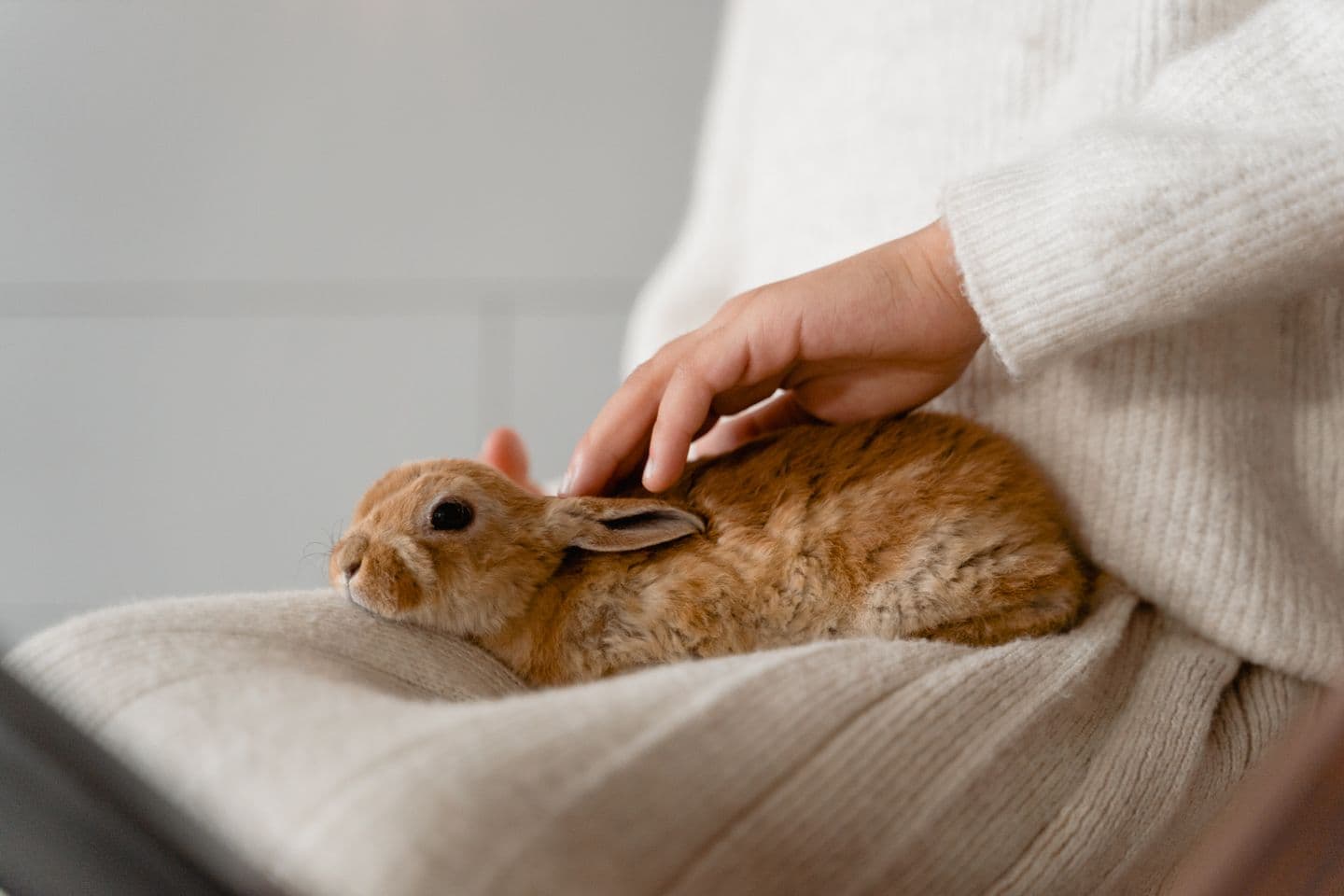
Adorable brown rabbit on lap being petted. Calm and cozy indoor atmosphere.

Rabbits / Breeds

Tan Rabbit

A sleek, athletic rabbit with a glossy dark coat and a bright tan underside, closer in spirit to a wild rabbit than most companion breeds.

2 min read
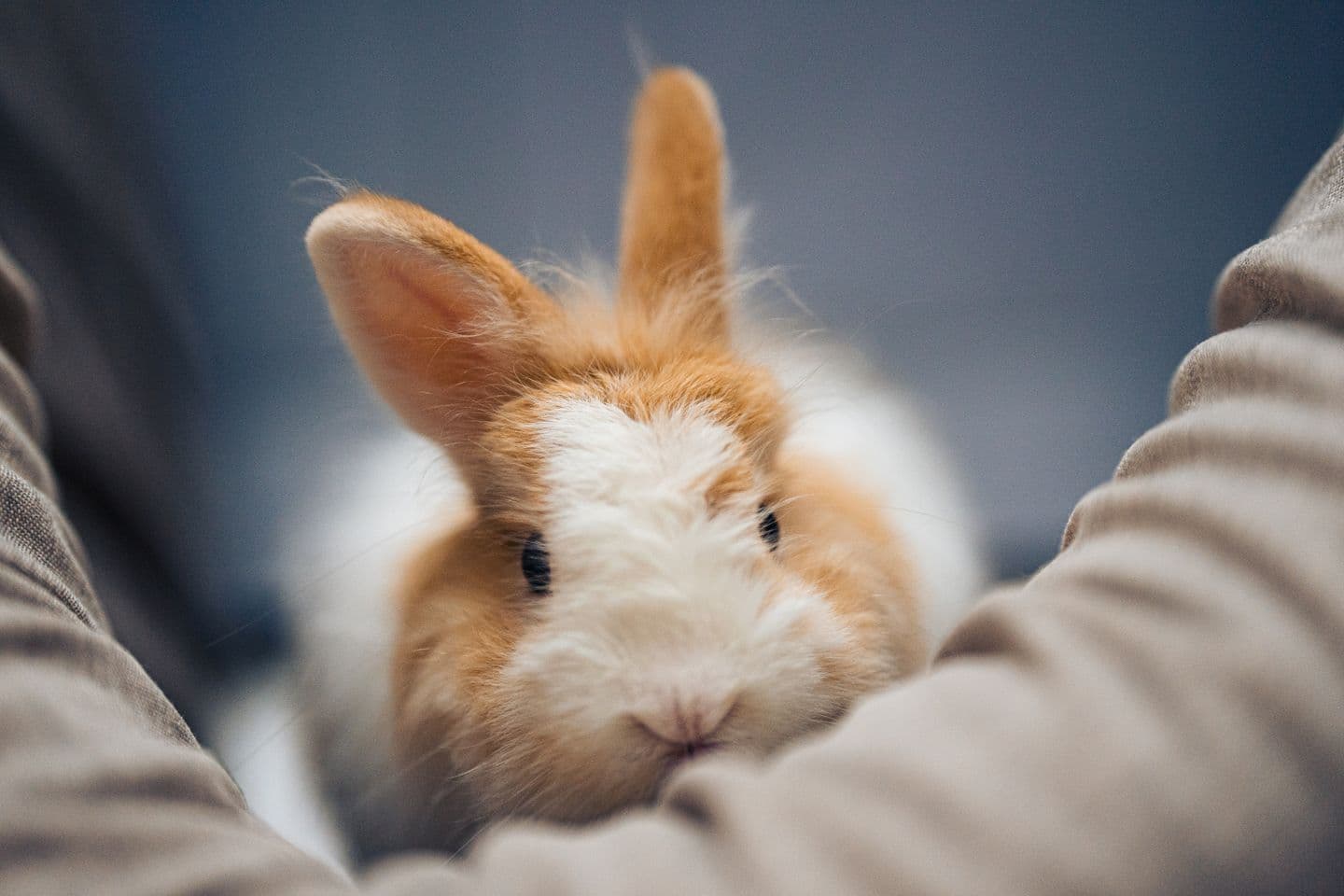
Charming close-up of a fluffy rabbit being held, showcasing warmth and affection.

Rabbits / Breeds

Florida White

Florida Whites are generally docile, good natured, and relaxed once they have had time to build trust with their owner.

2 min read
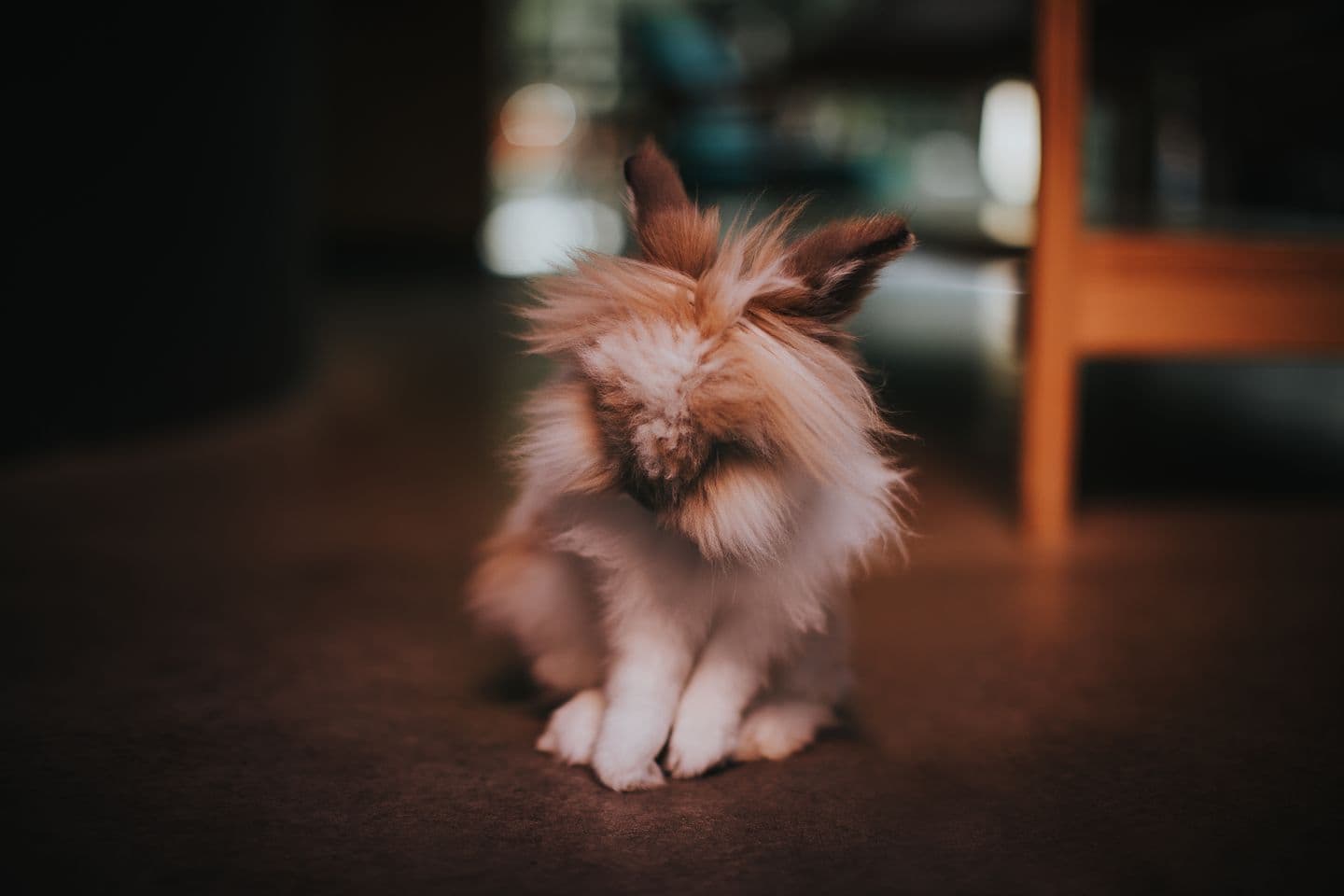
A cute lionhead rabbit with fluffy fur sitting indoors, captured in soft lighting.

Rabbits / Breeds

English Angora

English Angoras are typically gentle and calm, a temperament that works in their favour given how much handling their coat requires.

3 min read