
Rabbits / Breeds

Netherland Dwarf

Do not let the size fool you. Netherland Dwarfs are famously energetic, quick, and curious, and they need daily time out of their enclosure to hop, dig, and explore.
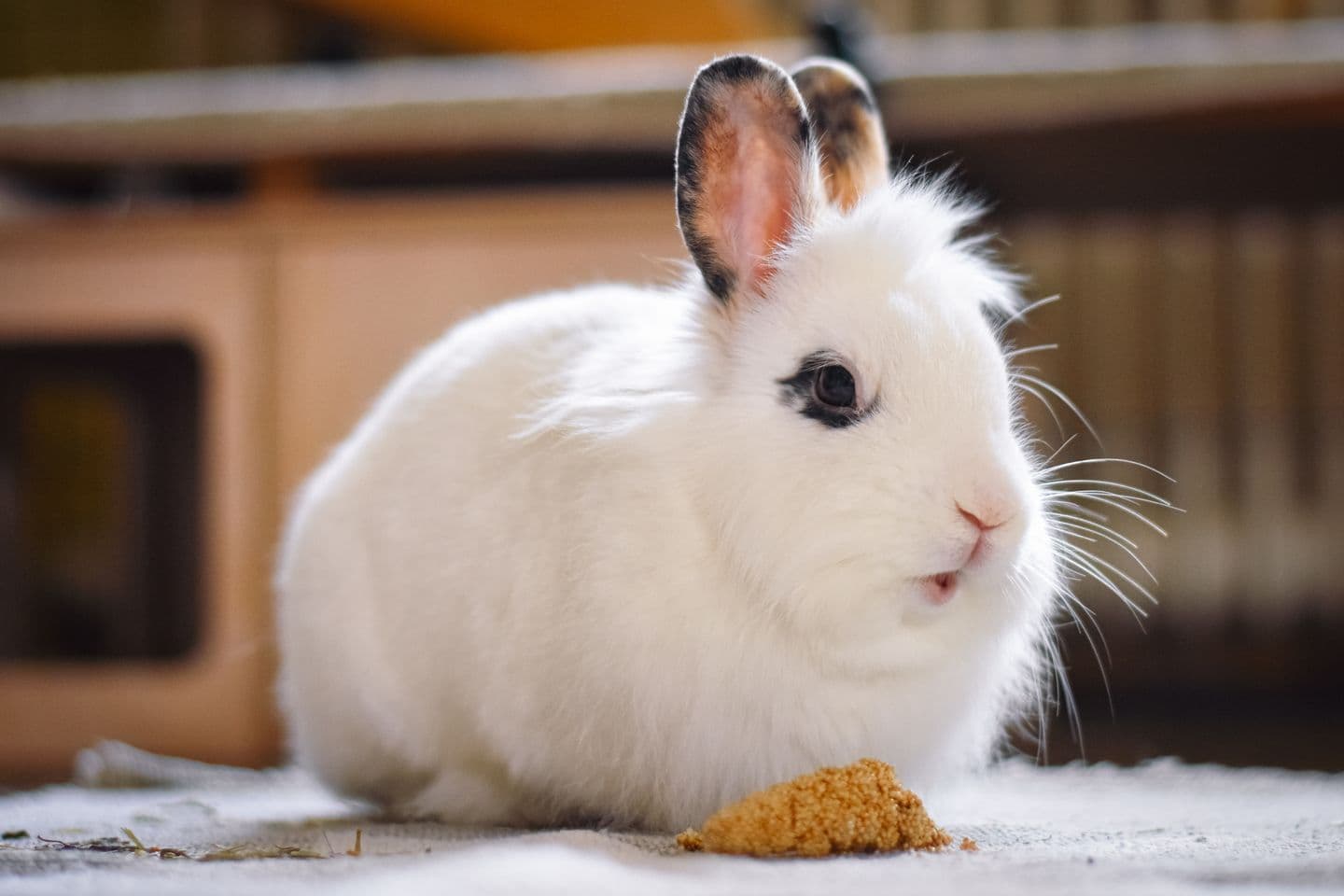
Close-up of a fluffy white rabbit sitting on the floor with food indoors.
Photo by Alexas Fotos on Pexels
In this guide

The smallest rabbit breed in the world, built like a wind-up toy and just as lively.

Quick facts

  • Origin: The Netherlands, developed in the early twentieth century by crossing small domestic rabbits with wild rabbits
  • Adult weight: 0.5 to 1.1 kilograms (about 1 to 2.5 pounds)
  • Lifespan: 7 to 10 years, sometimes longer with attentive care
  • Coat: Short, dense, and fine, needs minimal brushing
  • Best suited for: Adults, older children, and apartment dwellers who enjoy a small but spirited companion

What they are like

Do not let the size fool you. Netherland Dwarfs are famously energetic, quick, and curious, and they need daily time out of their enclosure to hop, dig, and explore.

They can be shy with strangers at first and take longer than most breeds to warm up to handling. Patience during the first few weeks pays off, because a bonded Netherland Dwarf becomes a genuinely affectionate pet.

Their small size and skittish streak make them better suited to calm households than to homes with very young children, who may unintentionally startle or drop them.

Feeding and diet

  • Unlimited fresh grass hay, such as oat hay or the more common wheat and paddy straw substitutes available in Indian pet shops, should form the bulk of the diet
  • A small measured portion of rabbit pellets daily, roughly one to two tablespoons, keeps the compact body from tipping into obesity
  • Fresh greens such as coriander leaves, mint, and a little carrot top can be added gradually once the rabbit is past four months old
  • Because of their short, flat faces, watch for any sign of difficulty chewing, which can point to dental crowding rather than a food problem

Grooming and everyday care

  • A light weekly brushing is usually enough outside of shedding season
  • During moults, which happen a few times a year, brush every couple of days to reduce hairball risk
  • Check nails monthly, since Netherland Dwarfs are active and can wear or catch claws easily

Health watch

  • Prone to malocclusion, where the teeth do not meet evenly, because of their flat facial structure, so regular vet checks of the front teeth matter
  • Sensitive to heat given their small body mass, so summers need extra vigilance
  • Watch for reduced appetite or smaller droppings, early signs of gut slowdown that need same-day veterinary attention

Keeping one in India

This breed copes poorly with Indian summers and needs to be kept indoors with a fan or cooler once temperatures cross 30 degrees Celsius, along with a ceramic tile or marble slab to lie on.

Netherland Dwarfs are increasingly available through hobby breeders in metro cities, though buyers should ask specifically about the parents' temperament, since the breed's nervous streak is partly inherited.

Article content © Ravi Teja. All rights reserved.

A little more to explore.

Adorable brown rabbit on lap being petted. Calm and cozy indoor atmosphere.

Rabbits / Breeds

Tan Rabbit

A sleek, athletic rabbit with a glossy dark coat and a bright tan underside, closer in spirit to a wild rabbit than most companion breeds.

2 min read
Charming close-up of a fluffy rabbit being held, showcasing warmth and affection.

Rabbits / Breeds

Florida White

Florida Whites are generally docile, good natured, and relaxed once they have had time to build trust with their owner.

2 min read
A cute lionhead rabbit with fluffy fur sitting indoors, captured in soft lighting.

Rabbits / Breeds

English Angora

English Angoras are typically gentle and calm, a temperament that works in their favour given how much handling their coat requires.

3 min read