
Rabbits / Breeds
Tan Rabbit
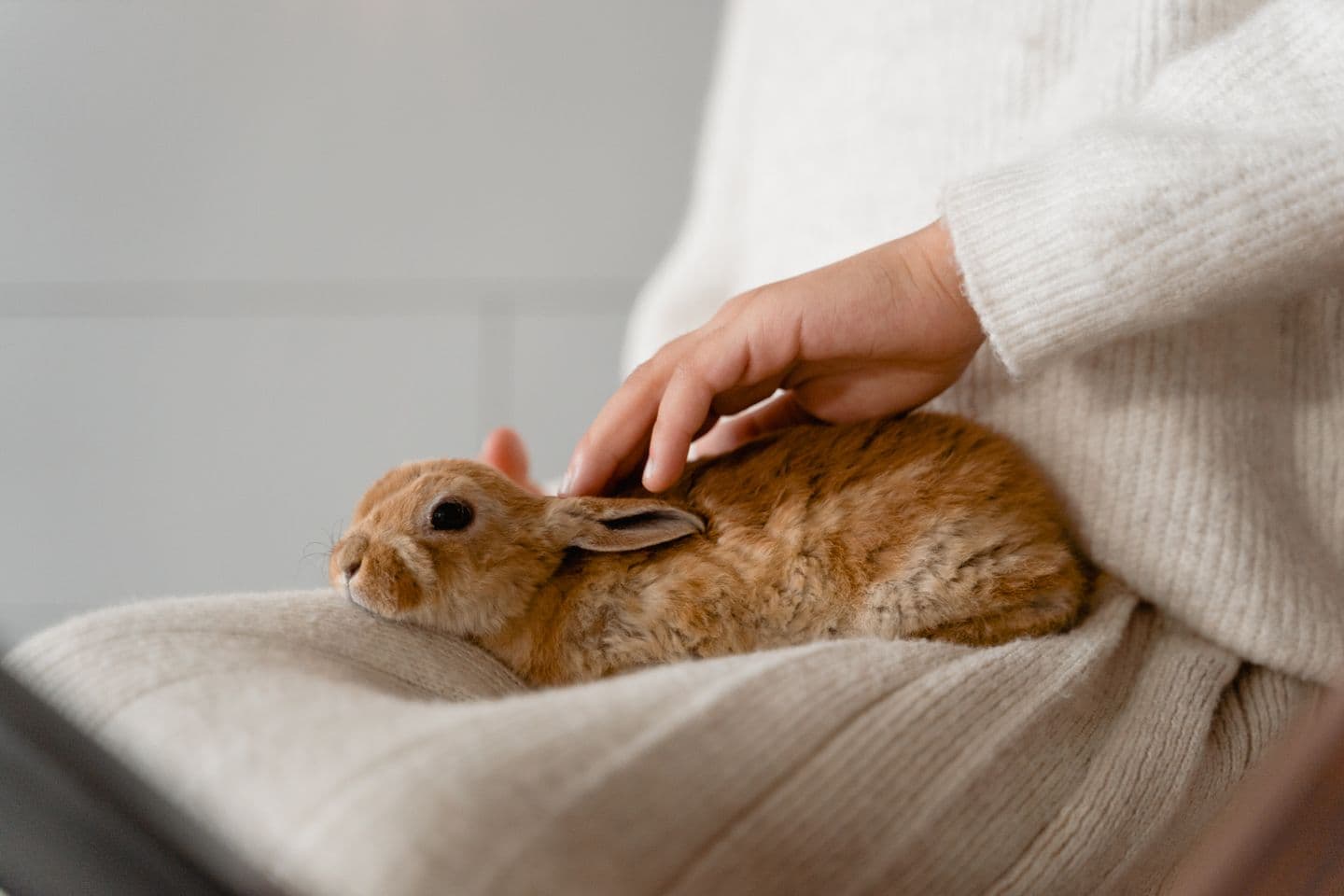
A sleek, athletic rabbit with a glossy dark coat and a bright tan underside, closer in spirit to a wild rabbit than most companion breeds.
2 min read
Rabbits / Breeds
India does not have the breed variety seen in Europe or the United States, but enough options are available through breeders, pet shops and rescue groups to suit different homes and preferences. Here
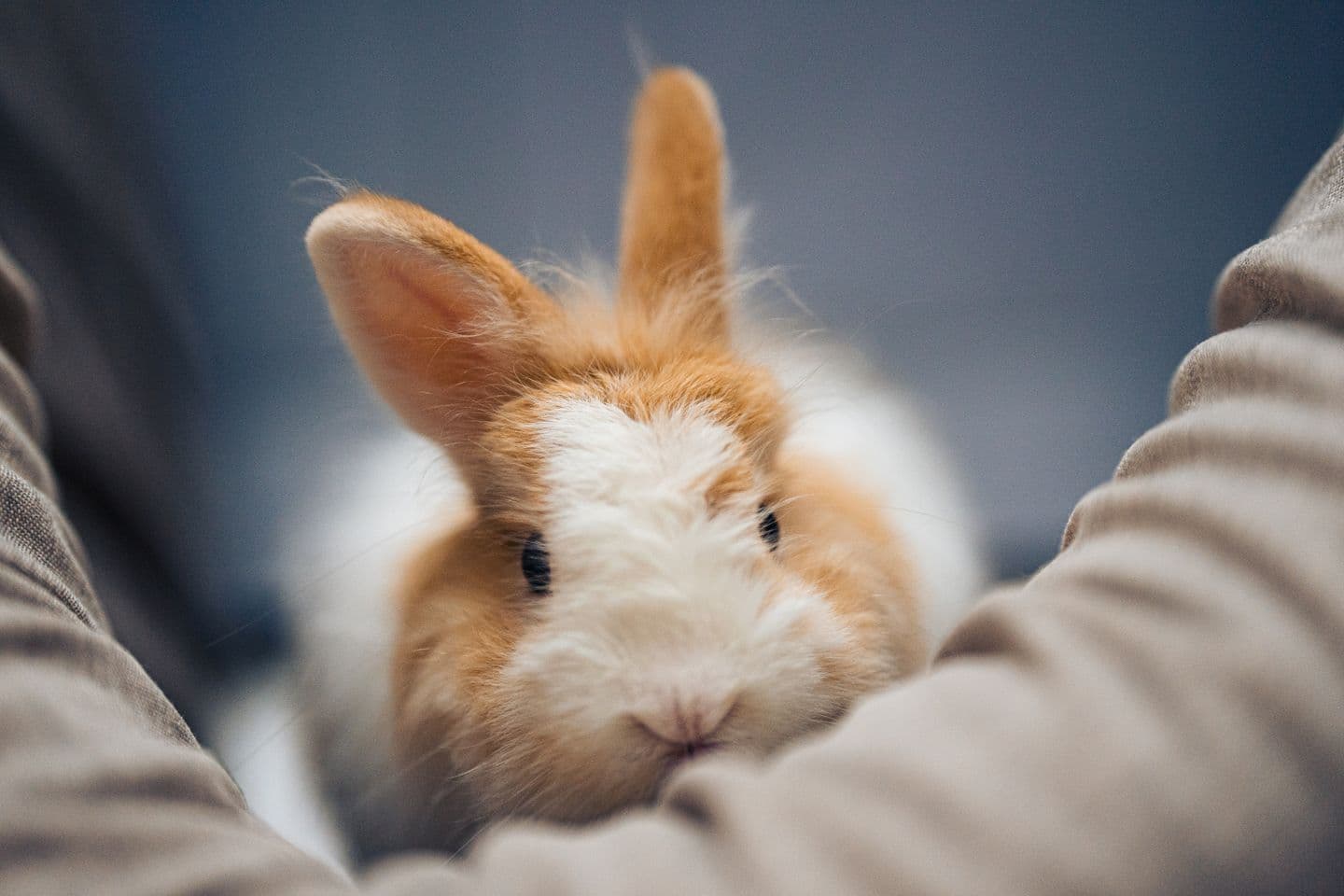
India does not have the breed variety seen in Europe or the United States, but enough options are available through breeders, pet shops and rescue groups to suit different homes and preferences. Here is a practical look at what is commonly found.
Among the most widely available rabbits in Indian pet shops, calm, hardy, and reasonably tolerant of India's climate. A solid choice for a first-time owner, though it grows to a fair size, so plan for a larger enclosure.
Recognisable by its black or grey and white markings. Easygoing, sturdy, and considered a good beginner breed for households with children, provided handling is always supervised.
Prized for their long, wool-like coats, and increasingly popular in India's hill states, but genuinely demanding. Daily grooming is not optional, since matted fur can lead to painful skin issues and wool block if the rabbit ingests too much fur while self-grooming. This is a breed for owners with the time to commit, not a casual first pet.
Known for its dense, silvery fur and generally friendly temperament, fairly commonly available and reasonably hardy.
Small, floppy-eared breeds increasingly available through specialist breeders in Indian metros. Compact size suits smaller homes, though lop ears need regular checking for wax build-up and infection.
One of the smallest breeds available, alert and lively, but not always the best fit for young children, since dwarf breeds can be nippy if handled roughly.
India's wild rabbits and hares are protected under the Wildlife Protection Act, 1972, and cannot legally be kept as pets. Every breed described above is a domesticated animal, bred as a companion species for generations, so this is not a concern with any legitimate breeder or pet shop rabbit. It is simply worth knowing if you ever come across an apparently tame wild rabbit or hare, since taking one in is both illegal and unlikely to end well, as wild rabbits rarely adapt to a domestic life and have a much shorter natural lifespan.
Many of the rabbits available through Indian shelters and rescue groups are mixed breed, often the result of unplanned litters from unneutered pet rabbits. These rabbits make just as loving and healthy pets as a purebred, frequently with fewer breed-specific health issues, and adopting one also opens up space at a rescue for the next rabbit in need. If temperament and size matter more to you than a specific look, a rescue is well worth considering before you go looking for a particular breed.
Whatever breed you are drawn to, adoption through a rescue or shelter is worth considering before buying, and any breeder or seller should be able to show healthy, well socialised parent rabbits.
Article content © Ravi Teja. All rights reserved.
Rabbits / Breeds
A sleek, athletic rabbit with a glossy dark coat and a bright tan underside, closer in spirit to a wild rabbit than most companion breeds.
2 min read
Rabbits / Breeds
Florida Whites are generally docile, good natured, and relaxed once they have had time to build trust with their owner.
2 min read
Rabbits / Breeds
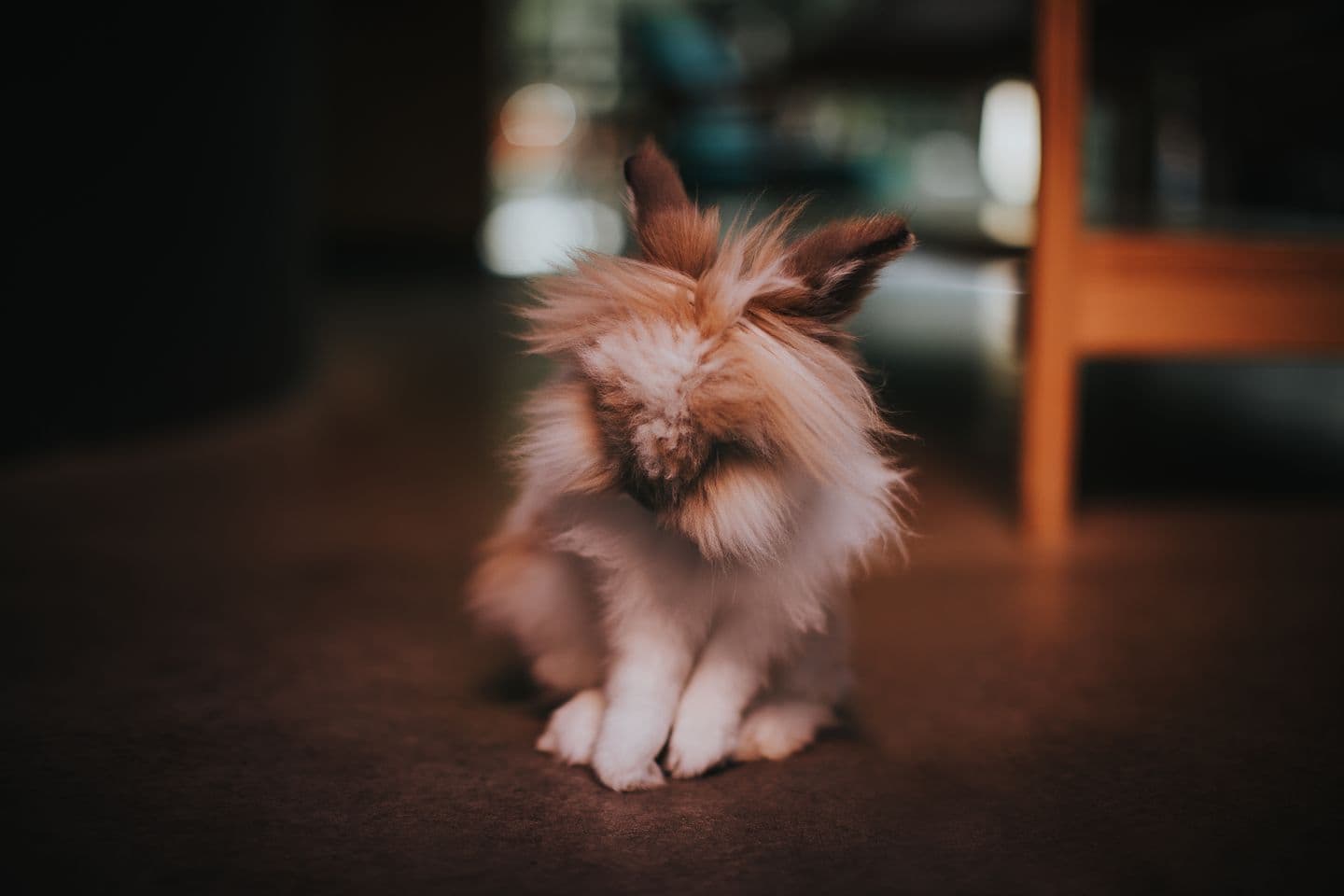
English Angoras are typically gentle and calm, a temperament that works in their favour given how much handling their coat requires.
3 min read