
Rabbits / Breeds

Satin

The original sheen-coated rabbit, discovered as a chance mutation in a litter of Havanas nearly a century ago.
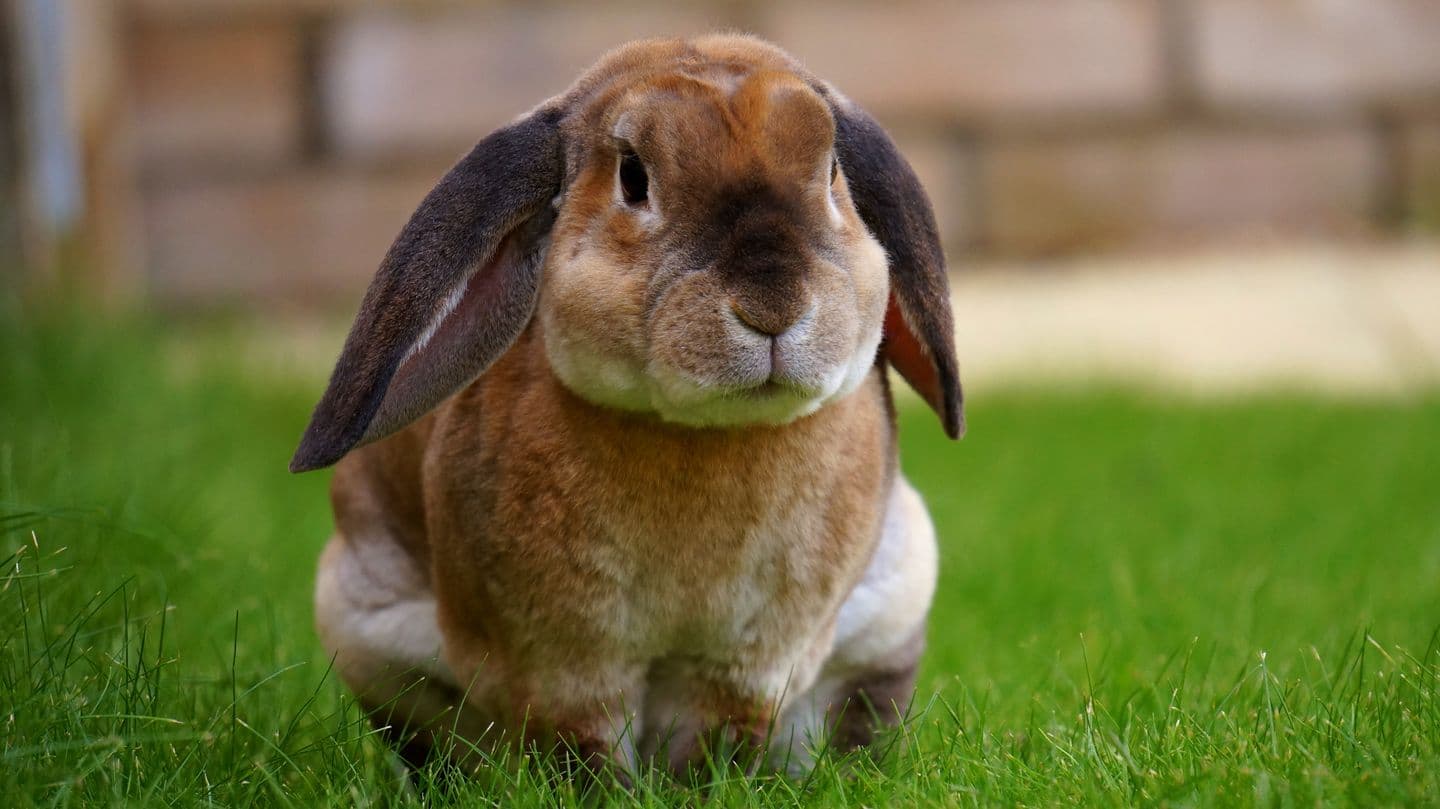
Close-up of a brown rabbit sitting on green grass, showcasing its curious expression.
Photo by Mike Bird on Pexels
In this guide

The original sheen-coated rabbit, discovered as a chance mutation in a litter of Havanas nearly a century ago.

Quick facts

  • Origin: Pendleton, Indiana, discovered in 1934 by breeder Walter Huey as a natural mutation in his Havana rabbits, recognised by the American Rabbit Breeders Association in 1956
  • Adult weight: 3.9 to 5 kilograms (about 8.5 to 11 pounds)
  • Lifespan: 7 to 9 years
  • Coat: Short, dense fur with a translucent hair shaft that gives it a distinctive glossy, almost metallic sheen
  • Best suited for: Owners who want a calm, medium to large rabbit with genuinely eye-catching fur and are happy to provide regular mental stimulation

What they are like

Satins are generally calm and friendly, making good pets for families and individuals alike.

They are intelligent and can be trained to use a litter tray, though they tend to be somewhat less overtly sociable than some other breeds.

This breed benefits from regular interaction and enrichment to stay engaged and content.

Feeding and diet

  • Fresh hay should always be available, forming the bulk of a healthy diet
  • About three tablespoons of pellets daily suits most adults, adjusted for body condition
  • Fresh greens in daily rotation round out a balanced diet
  • Because this breed can become overweight without measured feeding, portions are worth tracking rather than estimating

Grooming and everyday care

  • A weekly brush keeps the glossy coat looking its best, increasing during seasonal moults
  • The fine hair shaft that gives this breed its sheen also makes the coat a little more prone to matting than a standard coat, so regular brushing genuinely matters
  • Standard nail and ear checks apply monthly

Health watch

  • A generally hardy breed without notable hereditary conditions beyond the usual dental and digestive issues common to all rabbits
  • Obesity is worth watching for given this breed's tendency to gain weight without careful portion control
  • Routine appetite and weight checks remain the best early warning system

Keeping one in India

The Satin's short, glossy coat is practical for Indian conditions, with the usual summer precautions around shade and hydration.

It is a reasonably well-established breed internationally, though still uncommon in India and generally sourced through dedicated hobby breeders.

Article content © S Vejay Anand. All rights reserved.

A little more to explore.

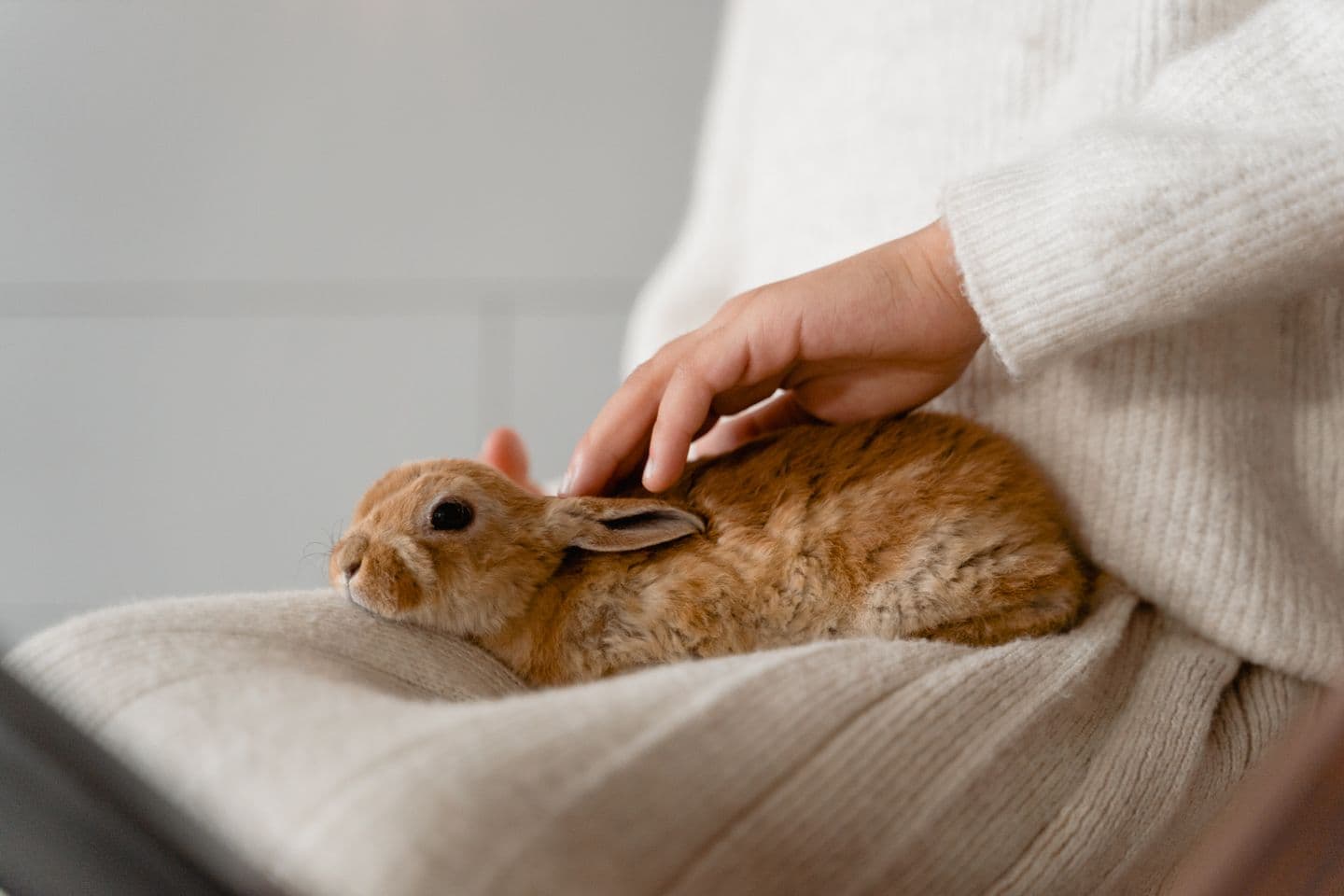
Adorable brown rabbit on lap being petted. Calm and cozy indoor atmosphere.

Rabbits / Breeds

Tan Rabbit

A sleek, athletic rabbit with a glossy dark coat and a bright tan underside, closer in spirit to a wild rabbit than most companion breeds.

2 min read
Charming close-up of a fluffy rabbit being held, showcasing warmth and affection.

Rabbits / Breeds

Florida White

Florida Whites are generally docile, good natured, and relaxed once they have had time to build trust with their owner.

2 min read
A cute lionhead rabbit with fluffy fur sitting indoors, captured in soft lighting.

Rabbits / Breeds

English Angora

English Angoras are typically gentle and calm, a temperament that works in their favour given how much handling their coat requires.

3 min read