
Rabbits / Breeds

Satin Angora

Satin Angoras generally share the calm, tolerant temperament typical of the Angora group, making the necessary grooming more manageable.
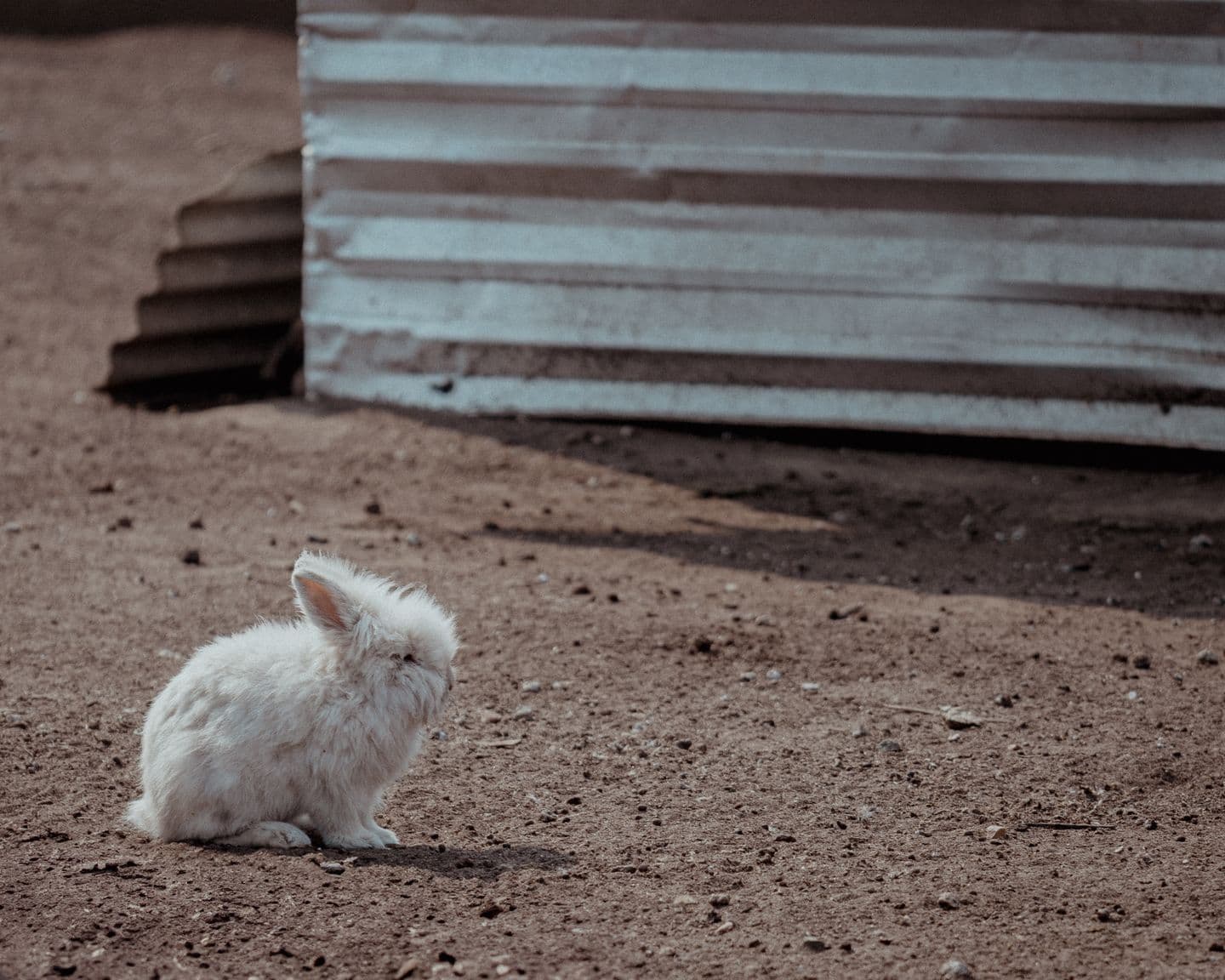
A fluffy white rabbit sits on a sandy surface beside a corrugated metal wall outdoors.
Photo by Lucas Dalamarta on Pexels
In this guide

An Angora crossed with satin-coated stock, prized for wool with an unmistakable sheen.

Quick facts

  • Origin: United States, developed by crossing a Satin rabbit with a French Angora
  • Adult weight: 2.7 to 4.3 kilograms (about 6 to 9.5 pounds)
  • Lifespan: 7 to 12 years
  • Coat: Long wool with the fine, translucent hair shaft of the satin gene, giving the fibre a glossy shine, moults naturally like the French Angora
  • Best suited for: Owners drawn to the finish and shine of the wool rather than the sheer volume produced by heavier Angora types

What they are like

Satin Angoras generally share the calm, tolerant temperament typical of the Angora group, making the necessary grooming more manageable.

Their bare face and clean body lines, similar to the French Angora, mean less handling resistance during grooming than some fluffier types.

Like other Angoras, they benefit from being introduced to grooming routines young, so the process becomes familiar rather than stressful.

Feeding and diet

  • Hay should always be available, since fibre intake supports both digestion and healthy wool growth
  • Around two and a half to three tablespoons of pellets daily suits most adults
  • Fresh greens in daily rotation help maintain normal gut movement
  • Because this breed produces comparatively less wool volume than other Angora types, its dietary demands are a touch lighter, though hay remains non-negotiable

Grooming and everyday care

  • The naturally moulting coat can be managed with regular plucking or combing during shedding periods rather than fixed shearing
  • Weekly brushing between moults keeps the glossy coat mat-free and shows off its distinctive shine
  • The satin fibre is finer than standard Angora wool, so a gentle touch during grooming avoids breaking hair shafts

Health watch

  • As with all Angoras, wool block is a genuine risk, so keep a close eye on appetite and droppings, particularly during moults
  • Heat sensitivity applies here too, and the coat should never be left to grow unmanaged through an Indian summer
  • Routine skin checks under the coat catch matting or irritation before it becomes a bigger problem

Keeping one in India

The Satin Angora's naturally shedding coat and slightly lighter wool load make it a somewhat more manageable Angora option for Indian conditions, though it still needs indoor living with cooling and unwavering grooming discipline.

This is a genuinely rare breed in India, generally only available through specialist fibre-rabbit breeders.

Article content © Ravi Teja. All rights reserved.

A little more to explore.

Adorable brown rabbit on lap being petted. Calm and cozy indoor atmosphere.

Rabbits / Breeds

Tan Rabbit

A sleek, athletic rabbit with a glossy dark coat and a bright tan underside, closer in spirit to a wild rabbit than most companion breeds.

2 min read
Charming close-up of a fluffy rabbit being held, showcasing warmth and affection.

Rabbits / Breeds

Florida White

Florida Whites are generally docile, good natured, and relaxed once they have had time to build trust with their owner.

2 min read
A cute lionhead rabbit with fluffy fur sitting indoors, captured in soft lighting.

Rabbits / Breeds

English Angora

English Angoras are typically gentle and calm, a temperament that works in their favour given how much handling their coat requires.

3 min read