
Rabbits / Breeds

Silver Fox

A rare American breed known for fur that stands upright when stroked the wrong way, a trick no other breed can quite match.
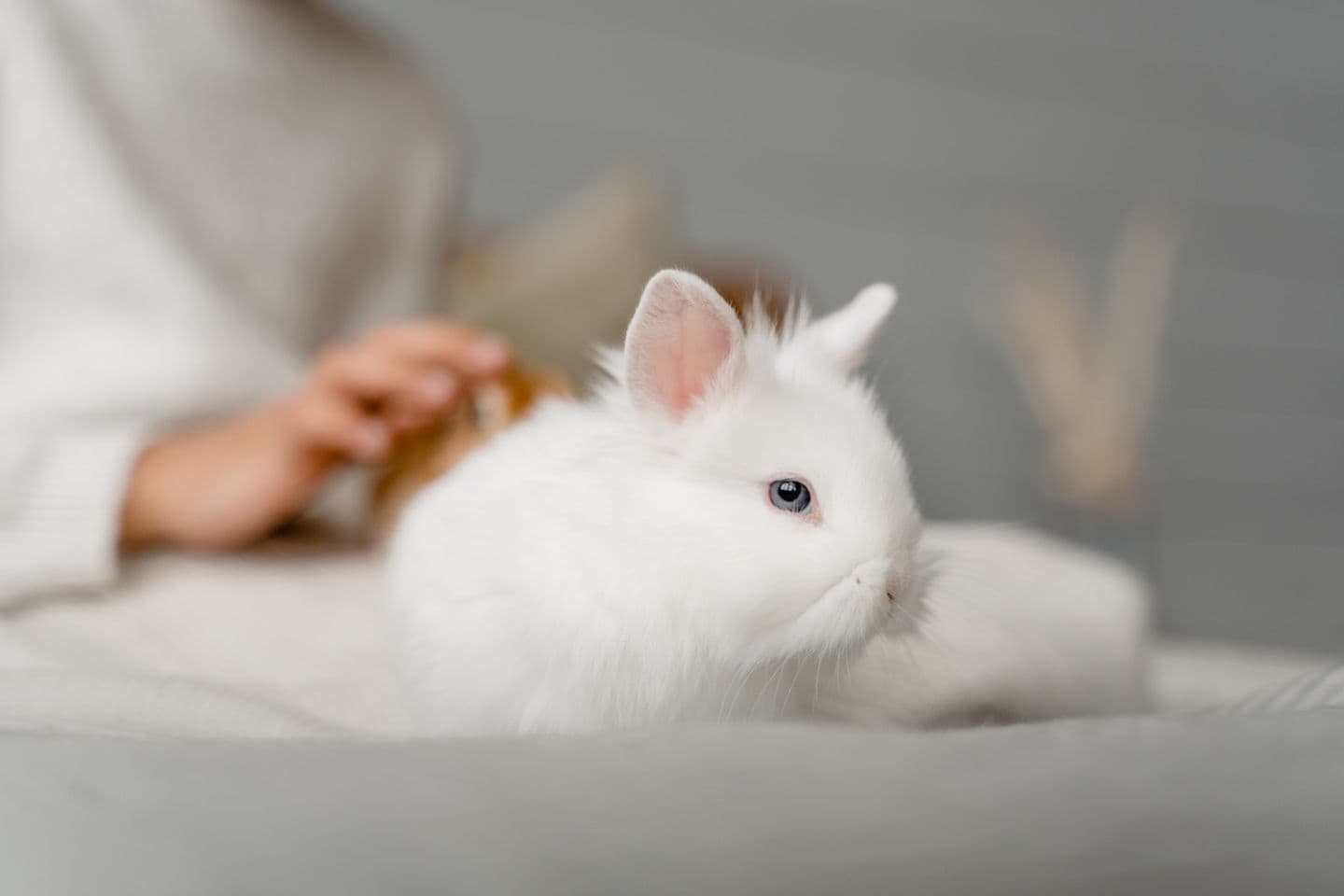
Adorable white rabbit being gently stroked on a cozy indoor setting.
Photo by Tima Miroshnichenko on Pexels
In this guide

A rare American breed known for fur that stands upright when stroked the wrong way, a trick no other breed can quite match.

Quick facts

  • Origin: North Canton, Ohio, developed by Walter B. Garland in the 1920s and recognised by the American Rabbit Breeders Association in 1925
  • Adult weight: 4 to 5.4 kilograms (about 9 to 12 pounds), with does typically a little heavier than bucks
  • Lifespan: 7 to 10 years
  • Coat: Extremely dense fur, up to about 5 centimetres long, that stands upright when stroked from tail to head and lies flat the other way
  • Best suited for: Owners drawn to a genuinely rare heritage breed with a calm, family-friendly temperament

What they are like

Silver Fox rabbits are known for being docile and gentle, often recommended as a good first family pet.

They tend to be calm and tolerant of handling, which suits their history as both a show and companion breed.

Being a fairly rare breed, most Silver Foxes available today come from dedicated conservation-minded breeders who prioritise good temperament alongside coat quality.

Feeding and diet

  • Fresh hay should always be available, forming the bulk of the diet for this larger breed
  • About three to four tablespoons of pellets daily is a reasonable starting point for an adult, adjusted for body condition
  • Fresh greens in generous daily portions support a bigger digestive system
  • Because this breed grows quickly as a youngster, monitor body condition into adulthood to avoid excess weight

Grooming and everyday care

  • The dense coat benefits from a weekly brush, more often during seasonal moults
  • The unique standing-fur texture is easiest to check for matting by running a hand against the grain during grooming
  • Standard nail and ear checks apply monthly

Health watch

  • A generally hardy breed without notable hereditary conditions beyond the usual dental and digestive concerns common to all rabbits
  • Being a larger breed, joint and foot health benefit from solid, supportive flooring
  • Routine weight and appetite checks remain the best early warning system

Keeping one in India

The Silver Fox's dense coat needs a little more grooming attention in Indian humidity than a purely short-coated breed, along with the usual summer precautions around shade and cooling.

This breed is genuinely rare even in its country of origin, so anyone in India interested in one should expect to search through specialist or import-focused breeders rather than general pet shops.

Part 4

Show and Heritage Breeds (Part 4)

Article content © Ravi Teja. All rights reserved.

A little more to explore.

Adorable brown rabbit on lap being petted. Calm and cozy indoor atmosphere.

Rabbits / Breeds

Tan Rabbit

A sleek, athletic rabbit with a glossy dark coat and a bright tan underside, closer in spirit to a wild rabbit than most companion breeds.

2 min read
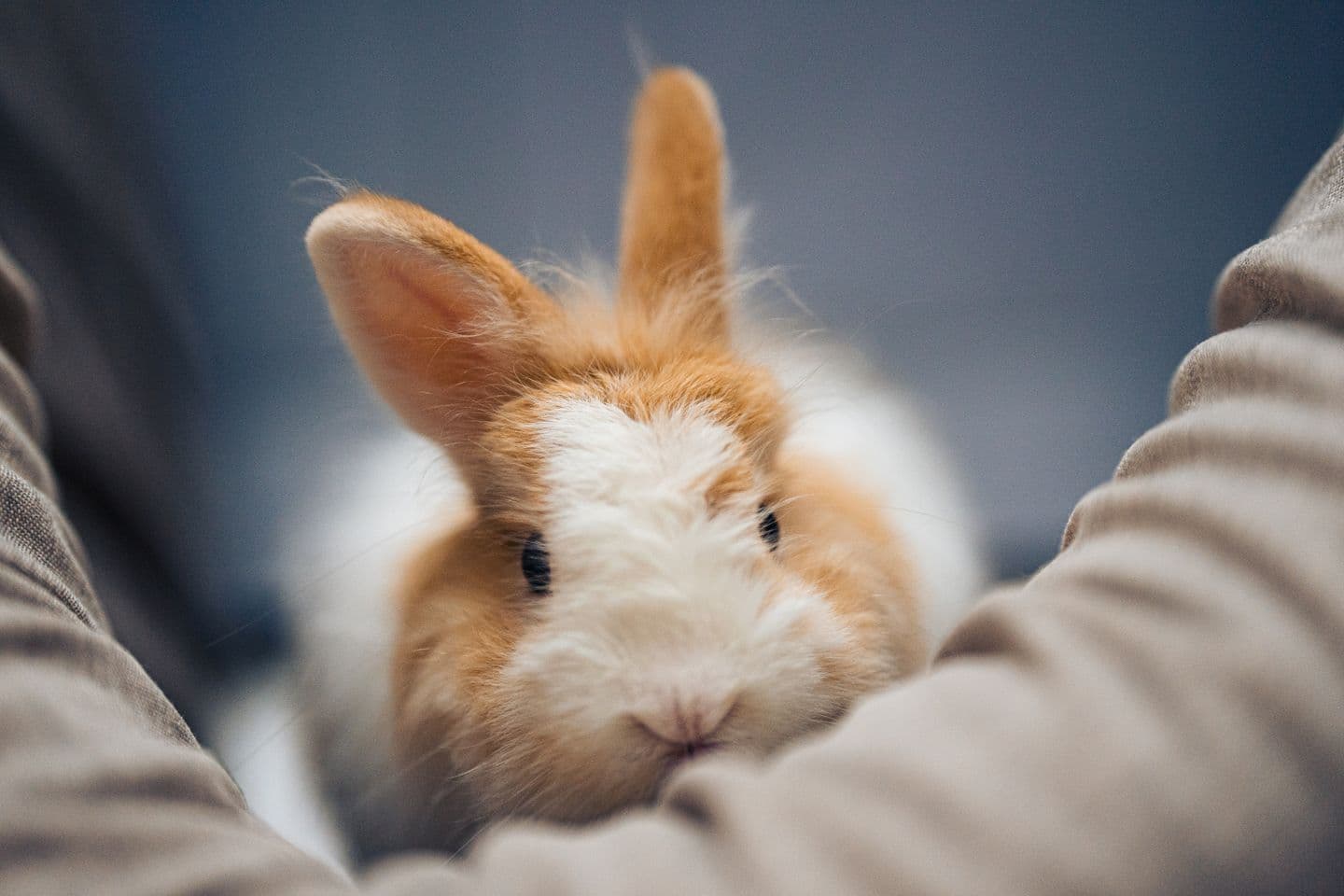
Charming close-up of a fluffy rabbit being held, showcasing warmth and affection.

Rabbits / Breeds

Florida White

Florida Whites are generally docile, good natured, and relaxed once they have had time to build trust with their owner.

2 min read
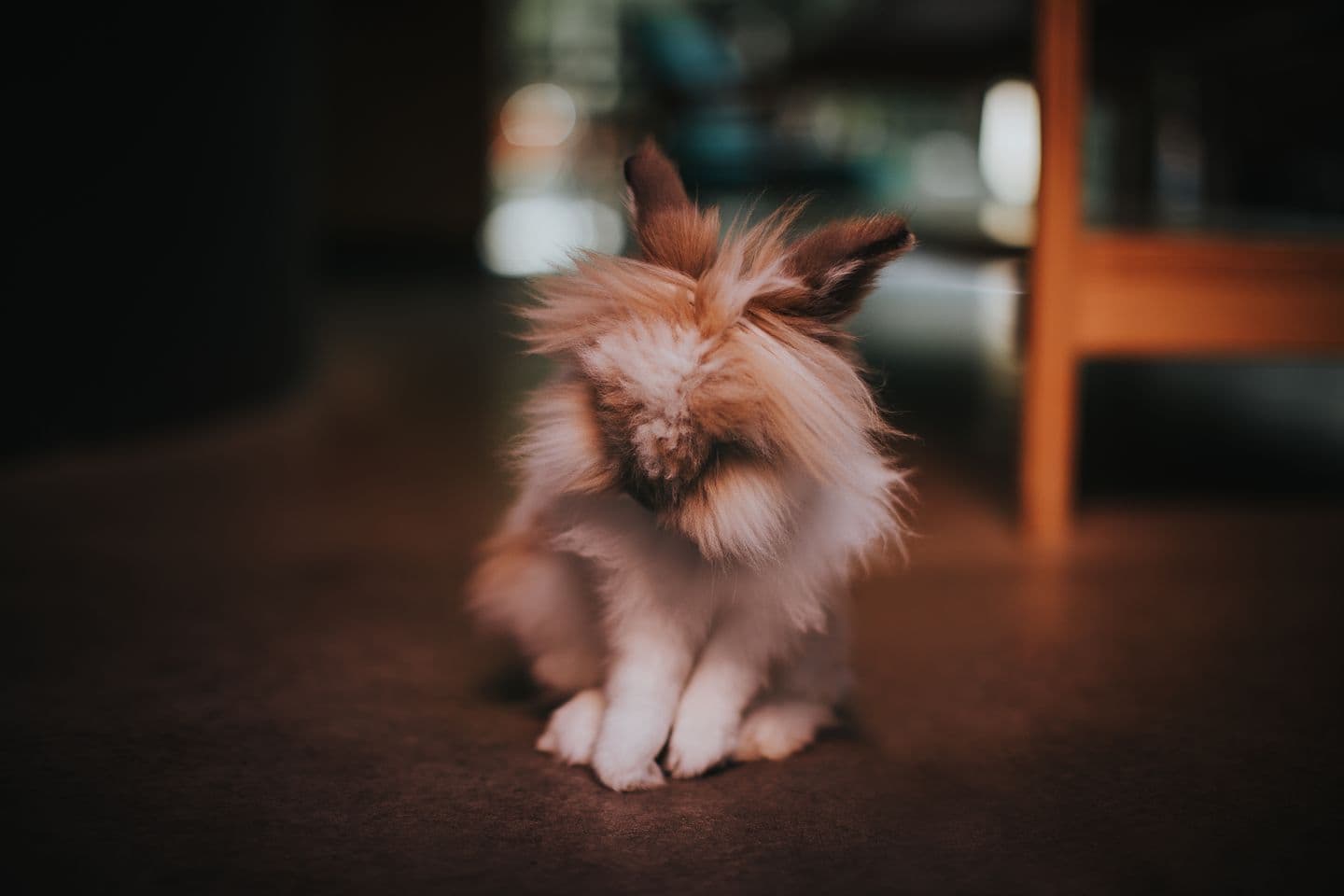
A cute lionhead rabbit with fluffy fur sitting indoors, captured in soft lighting.

Rabbits / Breeds

English Angora

English Angoras are typically gentle and calm, a temperament that works in their favour given how much handling their coat requires.

3 min read