
Rabbits / Breeds

Velveteen Lop (very rare)

Named after the children's classic The Velveteen Rabbit, a newer breed combining a Rex coat with lopped ears.
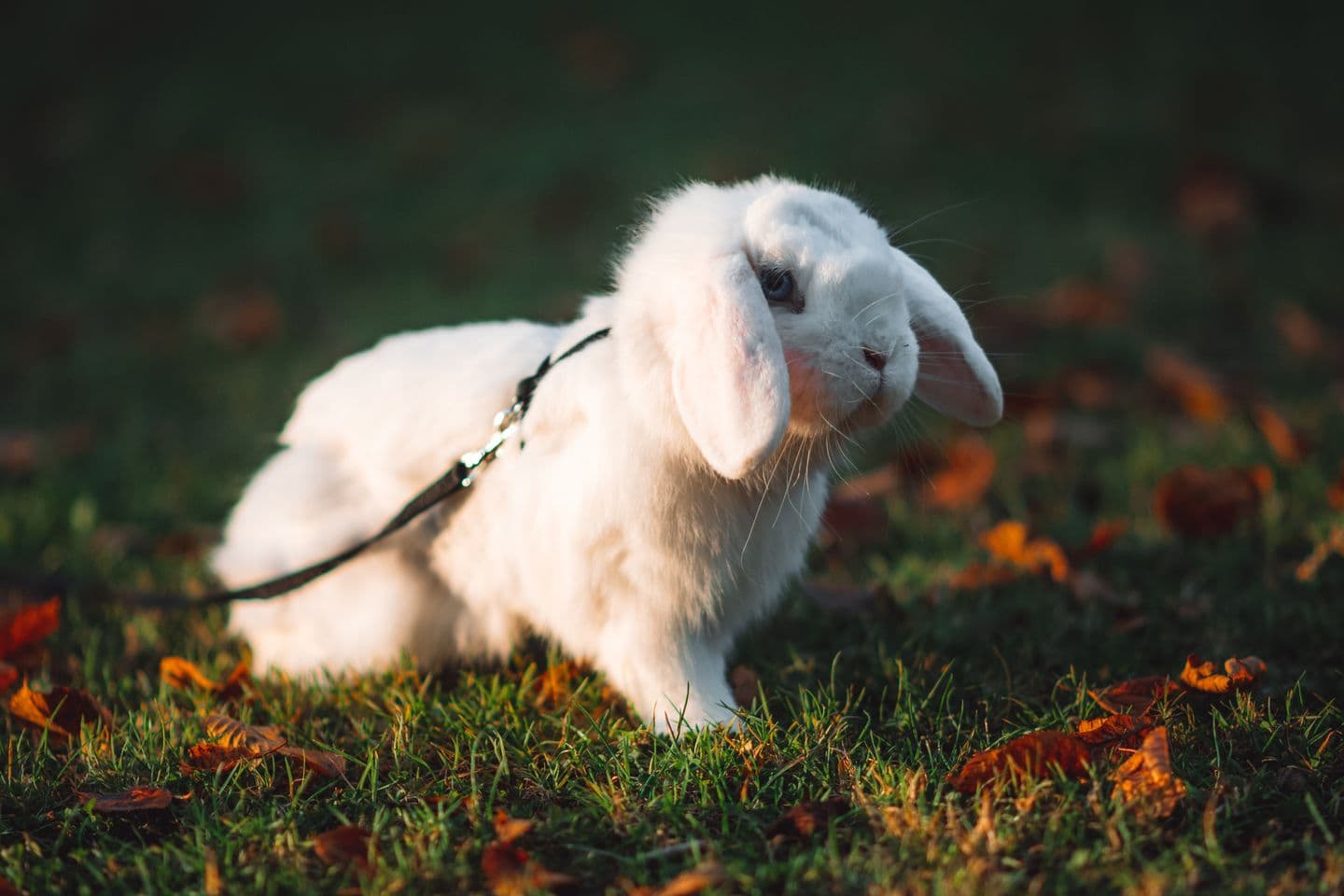
White Holland Lop rabbit enjoying the fall outdoors with a harness on lush grass.
Photo by Ali Atakan Açıkbaş on Pexels
In this guide

Named after the children's classic The Velveteen Rabbit, a newer breed combining a Rex coat with lopped ears.

Quick facts

  • Origin: California, United States, developed in the late 1980s and early 1990s by breeder Virginia Mendsen through crosses of the Mini Rex and English Lop
  • Adult weight: 2.3 to 3.2 kilograms (about 5 to 7 pounds)
  • Lifespan: 5 to 10 years
  • Coat: Short, dense, plush Rex-textured fur that feels like velvet, the first American breed to combine lopped ears with rex fur
  • Best suited for: Families and first-time owners who want an affectionate, easy-care-coated lop and are prepared to search for a genuinely rare breed

What they are like

Velveteen Lops are widely described as friendly, affectionate, and playful, quick to bond with their owners and easy to handle.

They tend to be sociable and not easily startled, making them approachable even for less experienced handlers once settled in.

This breed generally enjoys interaction and does not do particularly well left alone for long stretches.

Feeding and diet

  • Fresh hay should make up at least 80 percent of the diet, supplemented with fibrous vegetables and a little fruit
  • About two tablespoons of pellets daily suits most adults
  • Fresh greens in daily rotation round out a balanced diet
  • Weight is worth checking periodically as with any breed prone to being overfed by an affectionate owner

Grooming and everyday care

  • The plush Rex-type coat is low maintenance and rarely mats, a light weekly brush is generally enough
  • As with other rex-coated breeds, provide soft resting surfaces, since the fur offers less cushioning than a standard coat
  • Standard nail and ear checks apply monthly, paying attention to the lopped ears in particular

Health watch

  • This breed can be sensitive to sudden temperature changes and cold, so a stable, warm environment matters
  • Ear infections are worth watching for given the folded ear shape, as with other lop breeds
  • Sore hocks are a possibility given the coat's thinner cushioning, so avoid wire flooring

Keeping one in India

The short Rex-type coat helps in Indian heat, though this breed's sensitivity to sudden temperature swings means a stable indoor environment matters, especially across seasonal changes.

This is a genuinely rare breed even in its country of origin, so it would be a difficult and likely import-dependent search to find one in India.

Article content © Ravi Teja. All rights reserved.

A little more to explore.

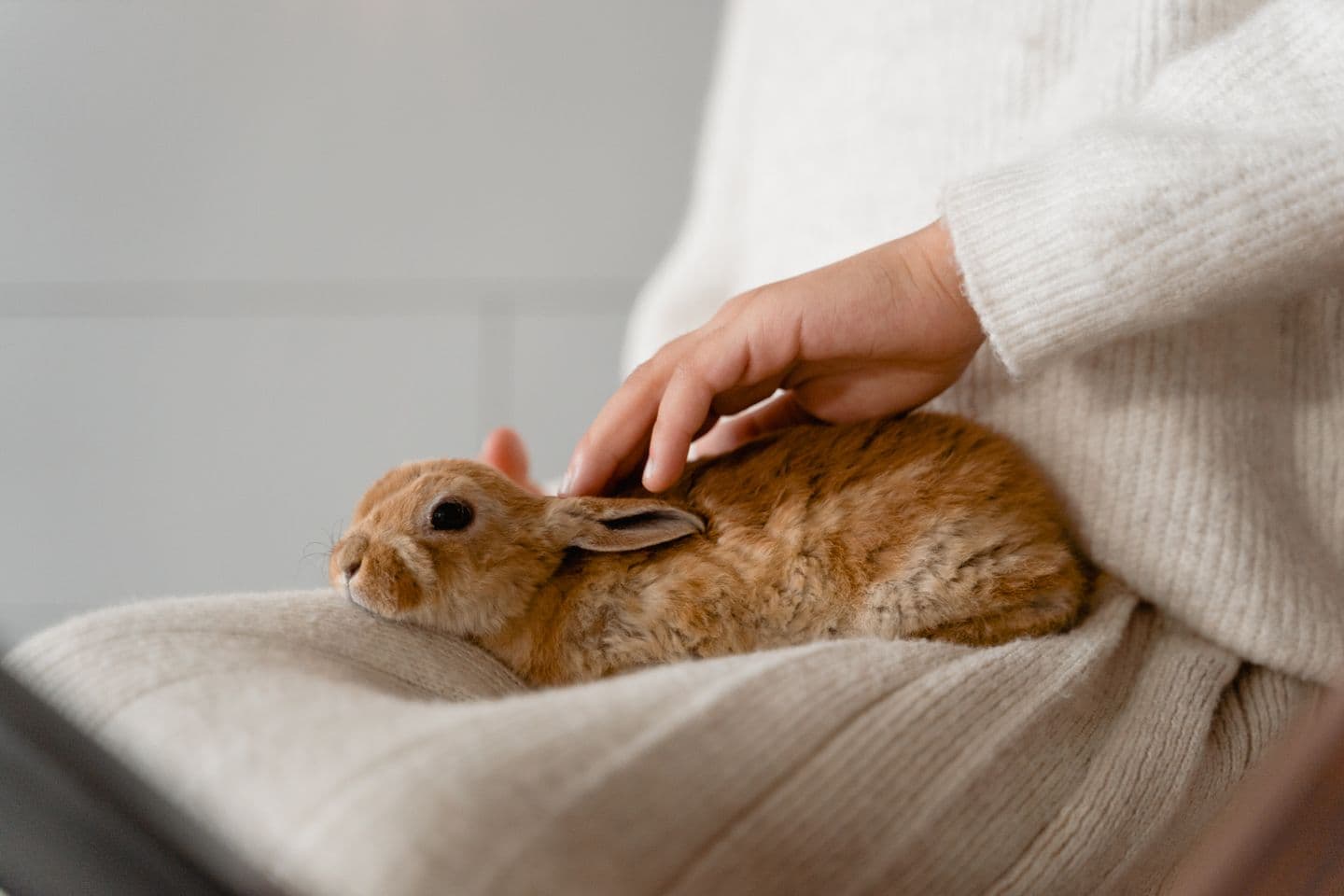
Adorable brown rabbit on lap being petted. Calm and cozy indoor atmosphere.

Rabbits / Breeds

Tan Rabbit

A sleek, athletic rabbit with a glossy dark coat and a bright tan underside, closer in spirit to a wild rabbit than most companion breeds.

2 min read
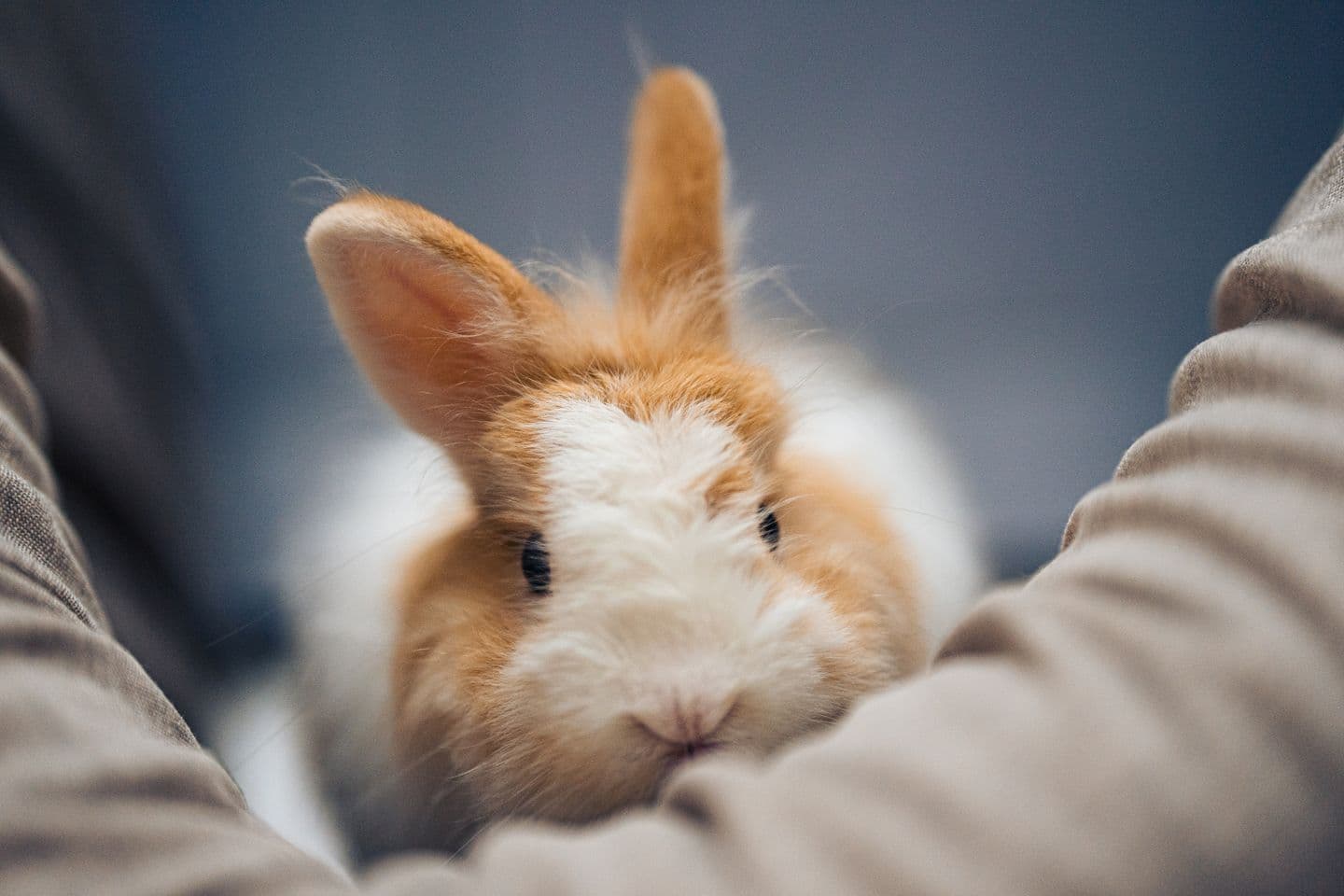
Charming close-up of a fluffy rabbit being held, showcasing warmth and affection.

Rabbits / Breeds

Florida White

Florida Whites are generally docile, good natured, and relaxed once they have had time to build trust with their owner.

2 min read
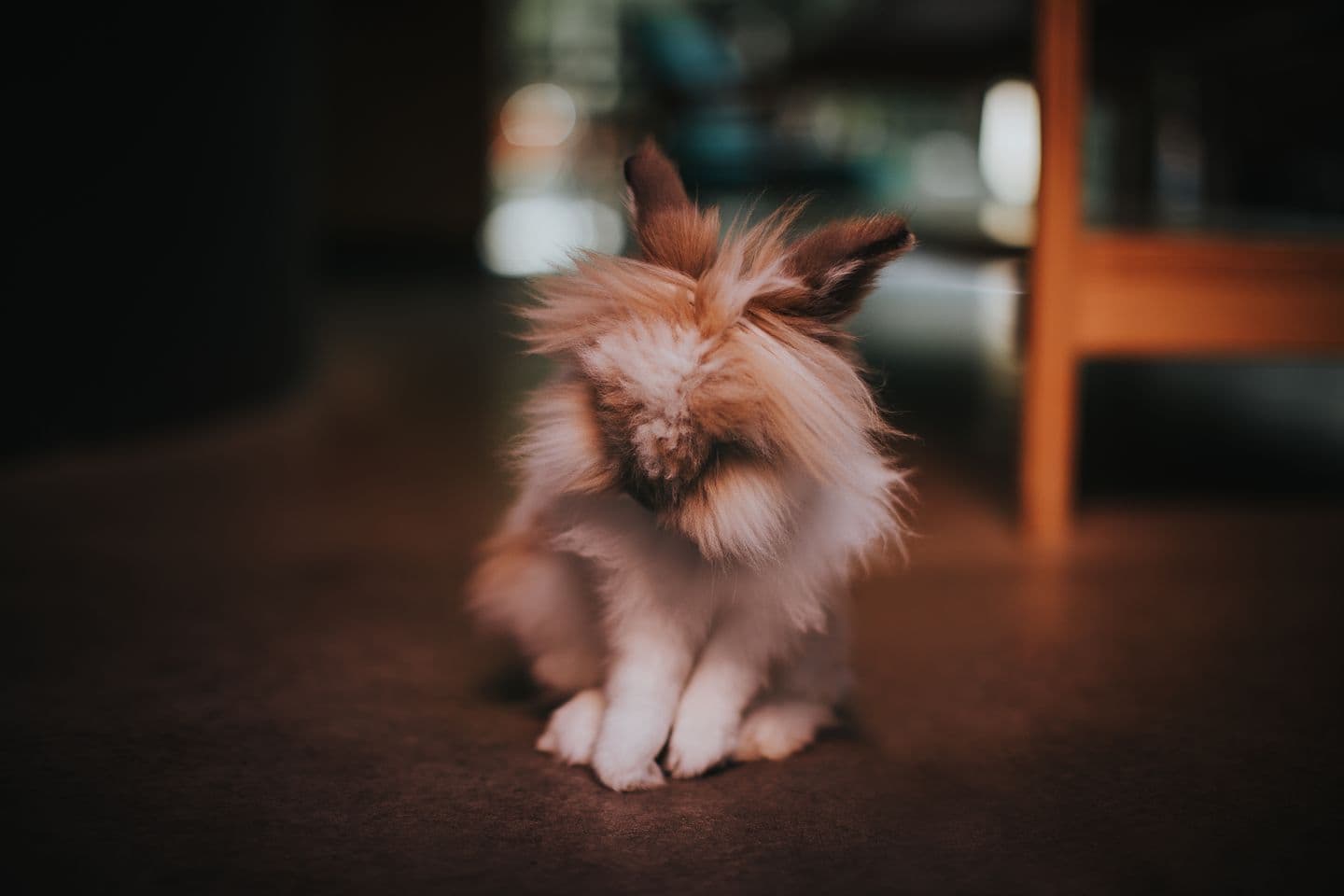
A cute lionhead rabbit with fluffy fur sitting indoors, captured in soft lighting.

Rabbits / Breeds

English Angora

English Angoras are typically gentle and calm, a temperament that works in their favour given how much handling their coat requires.

3 min read