
Rabbits / Breeds
Tan Rabbit
A sleek, athletic rabbit with a glossy dark coat and a bright tan underside, closer in spirit to a wild rabbit than most companion breeds.
2 min read
Rabbits / Getting Started
Rabbits are frequently underestimated as a long-term commitment. A well cared for house rabbit can live eight to twelve years, occasionally longer, which puts them closer to a cat in life span than to
Rabbits are frequently underestimated as a long-term commitment. A well cared for house rabbit can live eight to twelve years, occasionally longer, which puts them closer to a cat in life span than to the average small pet.
Rabbits generally enter their senior years around six to seven. Around this stage, watch for reduced activity, weight changes, cloudier eyes, and stiffness when hopping. These are cues to move to a senior-friendly diet, softer bedding, and more frequent vet visits, not signs of a rabbit simply slowing down naturally.
Rabbits kept indoors as house pets tend to live noticeably longer than those kept permanently outdoors, largely because indoor living removes extreme heat, predator stress and weather exposure from the equation. This is a particularly relevant point in Indian conditions, where summer heat and monsoon damp are both genuine threats to an outdoor rabbit's health over the years.
As rabbits move into their senior years, small adjustments help considerably. Softer, low-sided bedding areas make it easier for stiff joints to get in and out of the litter tray. A slightly more generous, less rigid diet can help maintain weight in rabbits that are eating less, provided a vet is guiding the change. Twice-yearly vet checkups, rather than the annual visit that suits younger rabbits, catch age-related issues like dental disease or arthritis while they are still manageable.
Before bringing a rabbit home, it is worth thinking of the decision the way you would think about a cat or small dog, as a ten year commitment rather than a short-term pet for children to grow out of.
Article content © S Vejay Anand. All rights reserved.
Rabbits / Breeds
A sleek, athletic rabbit with a glossy dark coat and a bright tan underside, closer in spirit to a wild rabbit than most companion breeds.
2 min read
Rabbits / Breeds
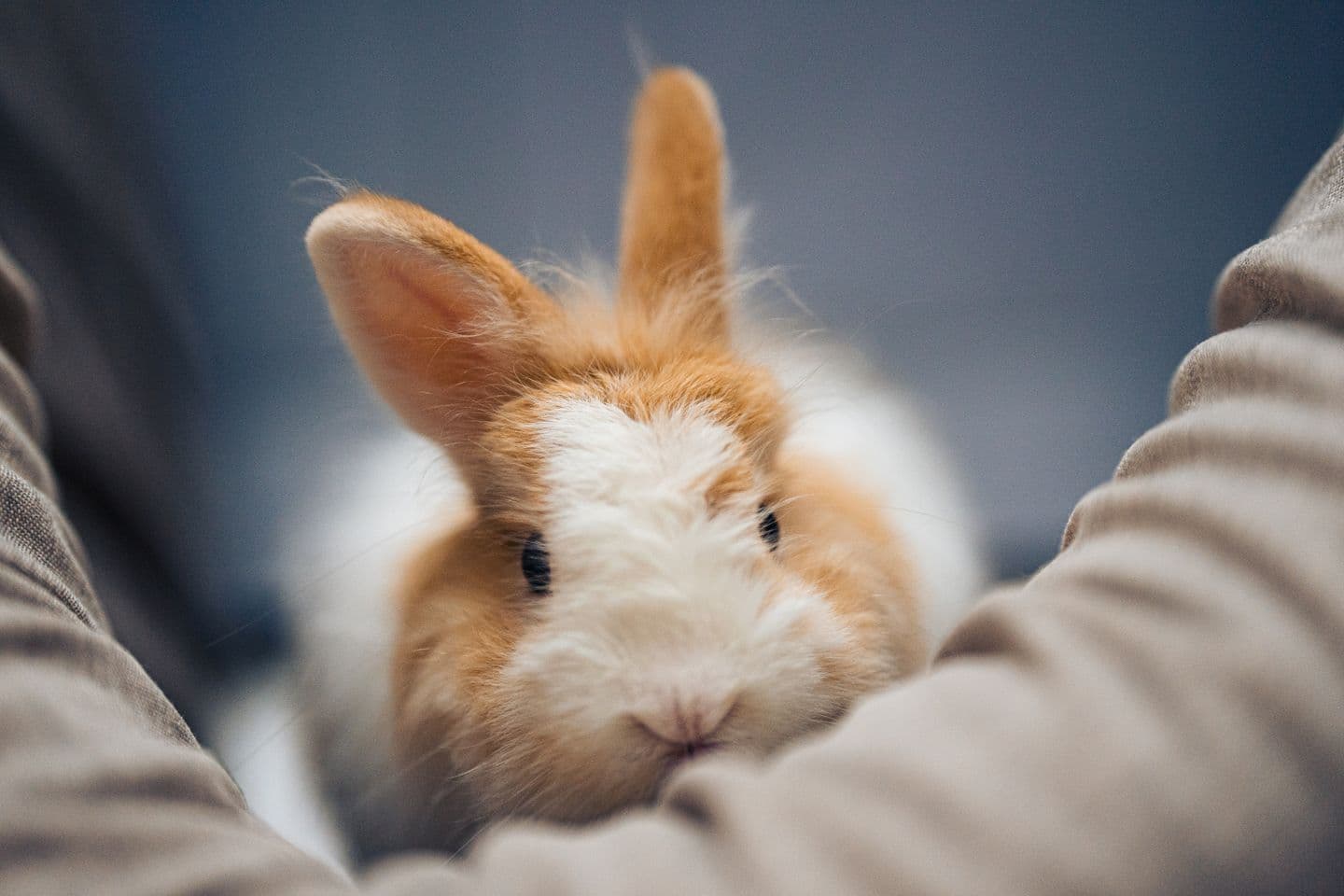
Florida Whites are generally docile, good natured, and relaxed once they have had time to build trust with their owner.
2 min read
Rabbits / Breeds
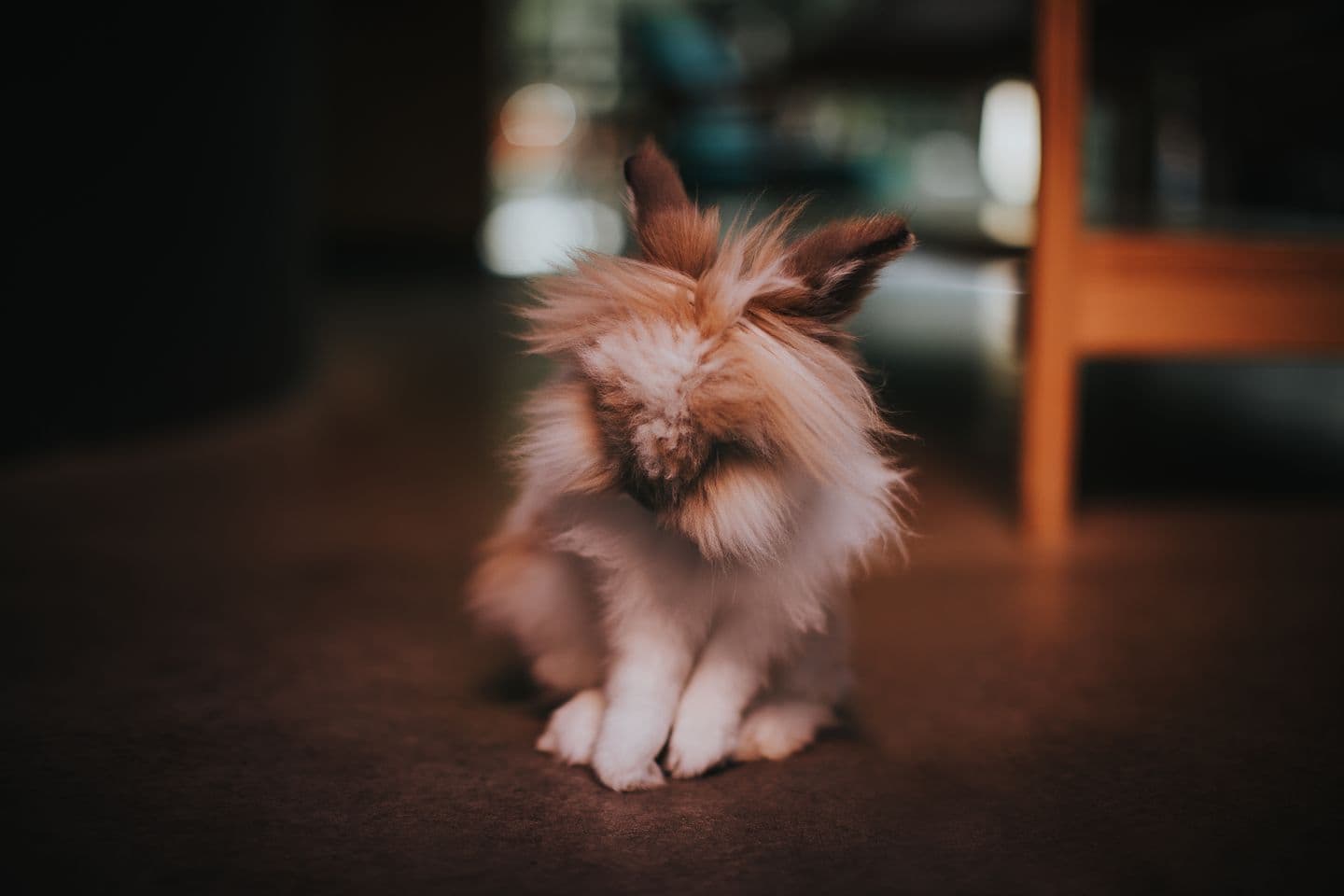
English Angoras are typically gentle and calm, a temperament that works in their favour given how much handling their coat requires.
3 min read