
Rabbits / Breeds
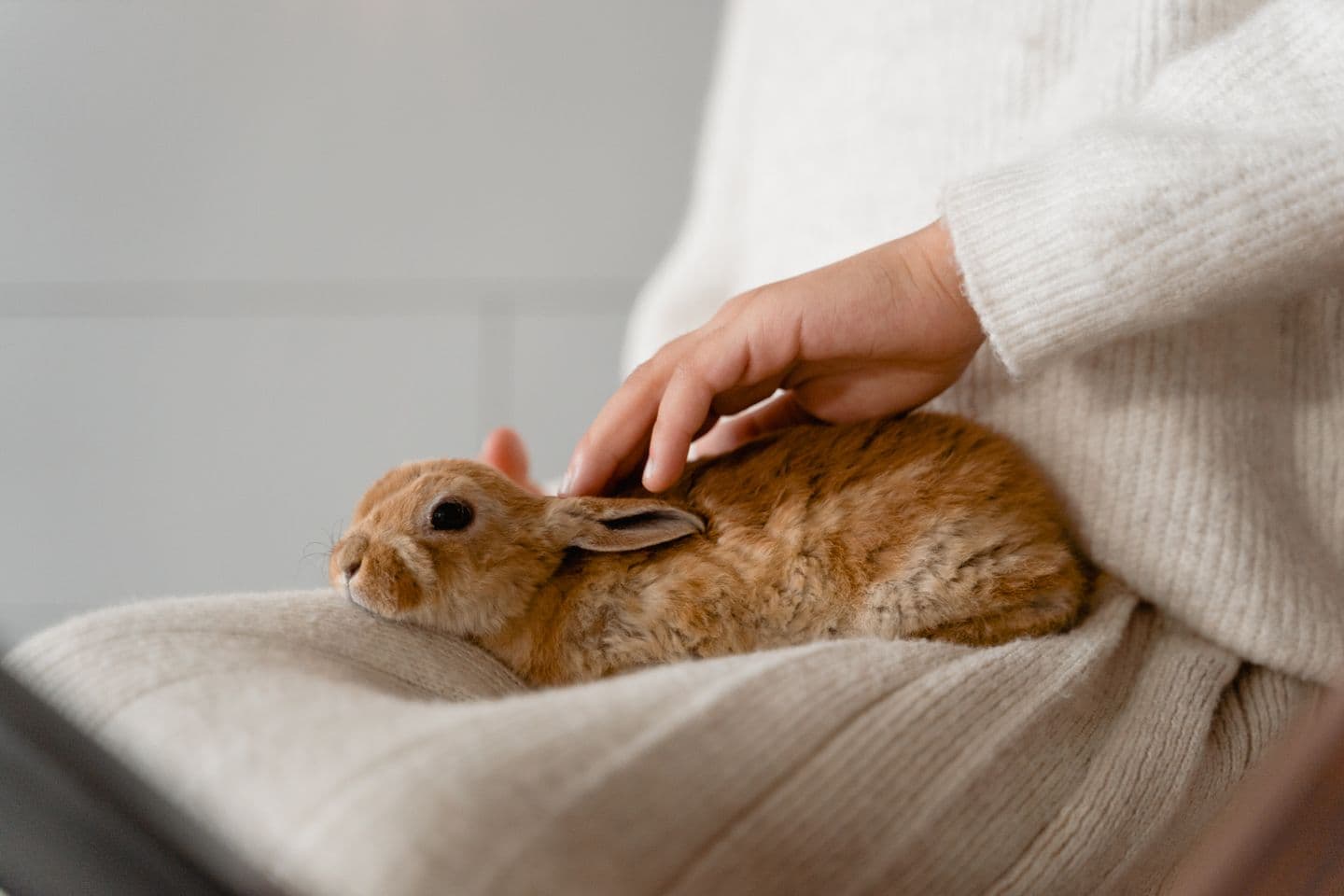
Tan Rabbit
A sleek, athletic rabbit with a glossy dark coat and a bright tan underside, closer in spirit to a wild rabbit than most companion breeds.
2 min read
Rabbits / Getting Started
Rabbits communicate through a combination of posture, sound and scent, and understanding this whole picture, rather than any single signal in isolation, is what makes it possible to build real trust w
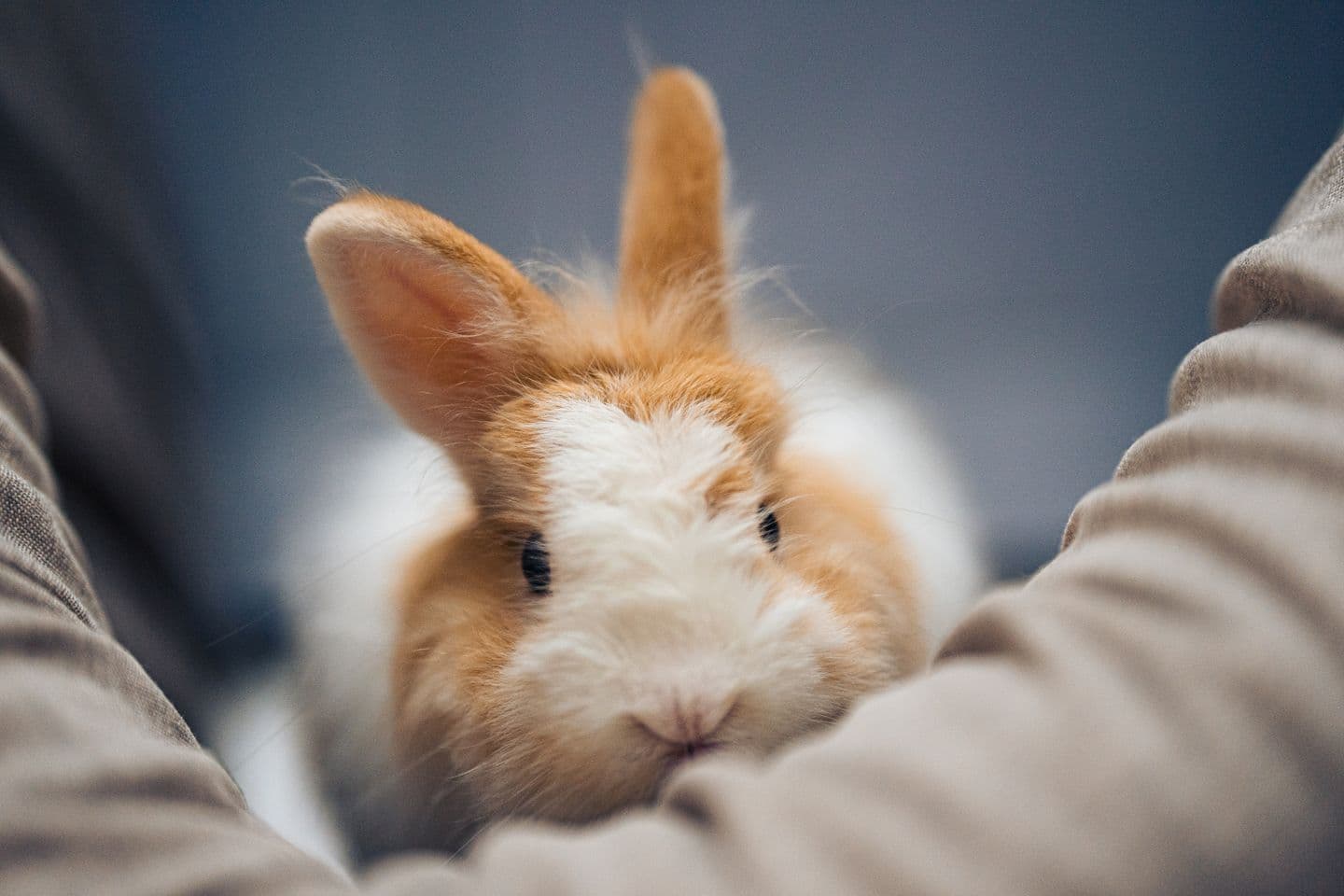
Rabbits communicate through a combination of posture, sound and scent, and understanding this whole picture, rather than any single signal in isolation, is what makes it possible to build real trust with a rabbit over time.
Sit near the enclosure at the rabbit's level rather than reaching in from above, which can read as a predator approaching from the air. Let the rabbit approach in its own time, offer a small piece of vegetable from an open palm, and avoid picking the rabbit up until it is comfortable being touched while on the ground. This process can take anywhere from a few days to several weeks, and rushing it tends to set trust back rather than build it.
A rabbit that thumps once but then goes back to relaxed loafing was likely just startled by a passing noise. A rabbit that thumps repeatedly, flattens its ears, and refuses to come out of its hideout is telling a different, more serious story. Context and combination matter more than any single behaviour taken alone.
A nip is often mistaken for aggression when it usually means the rabbit wants attention, wants to be put down, or wants you to move. Circling and light nipping around the feet, especially in unneutered rabbits, is often read as naughtiness when it is closer to courting behaviour. Conversely, a rabbit that goes still and quiet during handling is sometimes mistaken for calm acceptance when it can actually be a freeze response driven by fear, since rabbits, as prey animals, sometimes go rigid rather than struggle.
Many rabbits adopted through Indian shelters arrive undersocialised or nervous around people, often for reasons the new owner will never know. Progress with a nervous rabbit tends to come from short, low-pressure sessions rather than long handling attempts, sitting quietly nearby without reaching in, and letting the rabbit choose to approach. Consistency in timing, such as sitting with the rabbit at the same time each day, tends to build confidence faster than occasional longer sessions.
Article content © Ravi Teja. All rights reserved.
Rabbits / Breeds
A sleek, athletic rabbit with a glossy dark coat and a bright tan underside, closer in spirit to a wild rabbit than most companion breeds.
2 min read
Rabbits / Breeds
Florida Whites are generally docile, good natured, and relaxed once they have had time to build trust with their owner.
2 min read

Rabbits / Breeds
English Angoras are typically gentle and calm, a temperament that works in their favour given how much handling their coat requires.
3 min read