
Rabbits / Breeds
Tan Rabbit
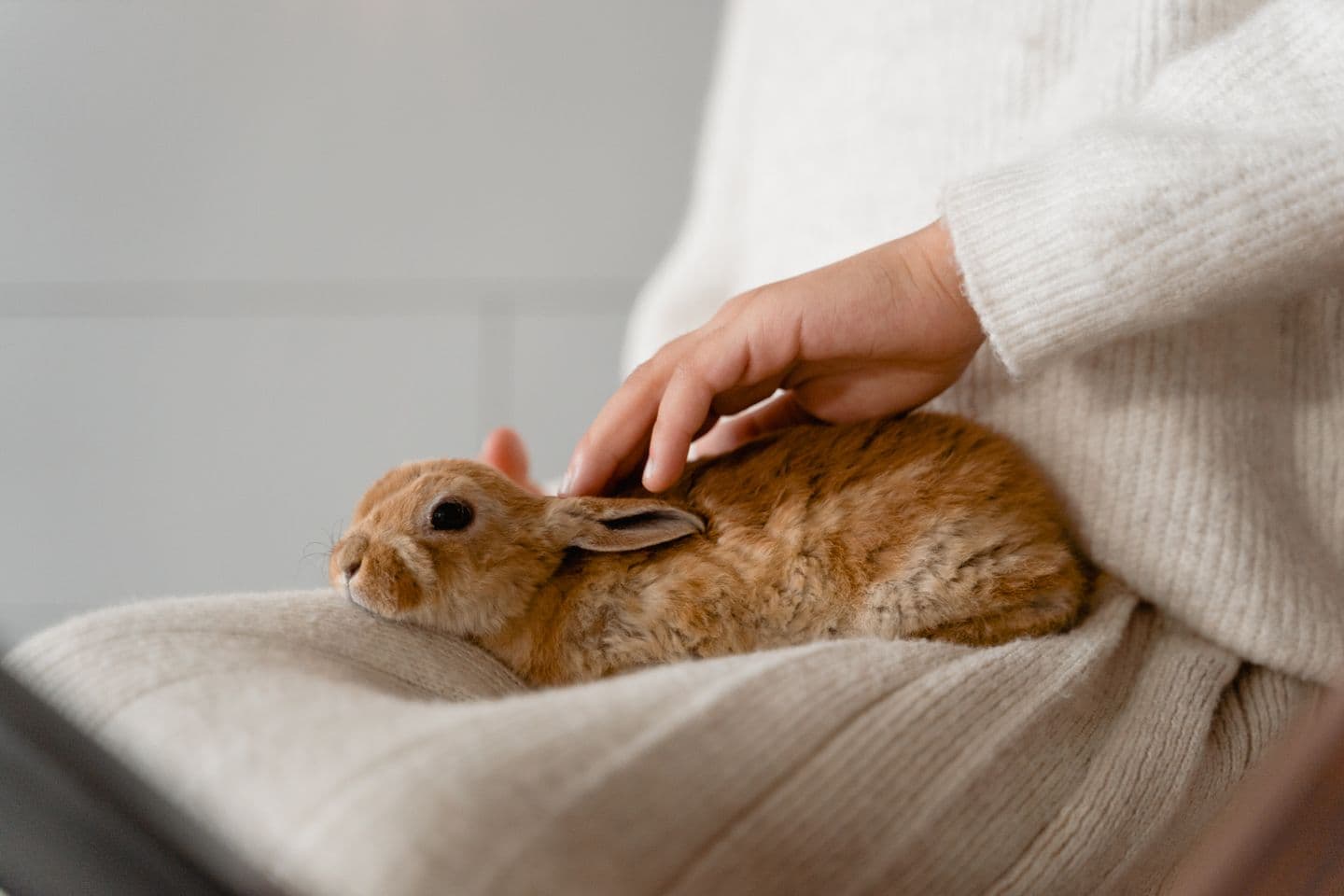
A sleek, athletic rabbit with a glossy dark coat and a bright tan underside, closer in spirit to a wild rabbit than most companion breeds.
2 min read
Rabbits / Getting Started
Indoor rabbits rarely wear down their nails the way a wild rabbit would through constant digging and running over rough ground, which means regular trimming is a routine part of care rather than an oc
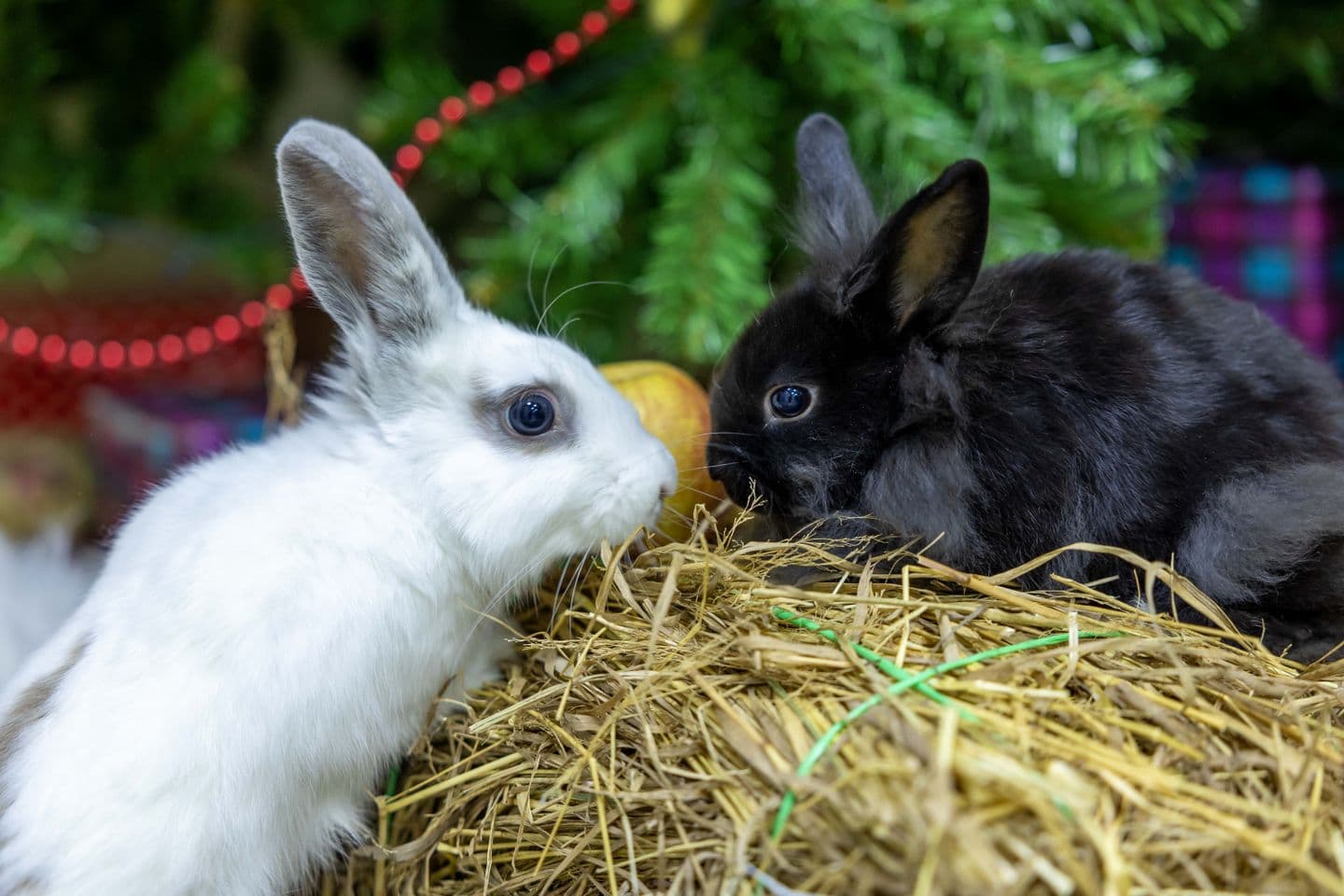
Indoor rabbits rarely wear down their nails the way a wild rabbit would through constant digging and running over rough ground, which means regular trimming is a routine part of care rather than an occasional chore.
Most pet rabbits need a trim roughly every four to six weeks, though this varies with how active the rabbit is and how much rough surface it gets to move across. Senior rabbits often need trims less frequently, since nail growth tends to slow with age even as the nails themselves get thicker.
The quick is the blood vessel and nerve running through the centre of each nail. On light-coloured nails it shows as a pink line, making it easy to trim just in front of it. On dark nails, shine a torch from behind the nail to see the quick's shadow, or take off very small amounts at a time until you notice a small dark dot at the centre of the freshly cut tip, which marks the end of the quick.
Hold the paw gently but firmly, and clip a small section off the tip at a time rather than attempting one large cut, especially on nails that have grown long, where the quick may have grown longer too. Go slowly on the first few nails until you get a feel for how your particular rabbit's nails look and react.
A small amount of bleeding is common and not usually serious. Apply styptic powder, or cornstarch or flour in a pinch, with gentle pressure for a minute or two, and keep the rabbit calm and still until it stops. A rabbit that has had a quick nicked may flinch or squeal briefly but usually settles quickly and forgives the moment fast.
Handling your rabbit's paws gently and often outside of trim days, paired with a small treat, helps most rabbits tolerate the process far better. If your own rabbit strongly resists every attempt, a vet or vet nurse can show you the technique hands-on or take over the job entirely.
Article content © Ravi Teja. All rights reserved.
Rabbits / Breeds
A sleek, athletic rabbit with a glossy dark coat and a bright tan underside, closer in spirit to a wild rabbit than most companion breeds.
2 min read
Rabbits / Breeds
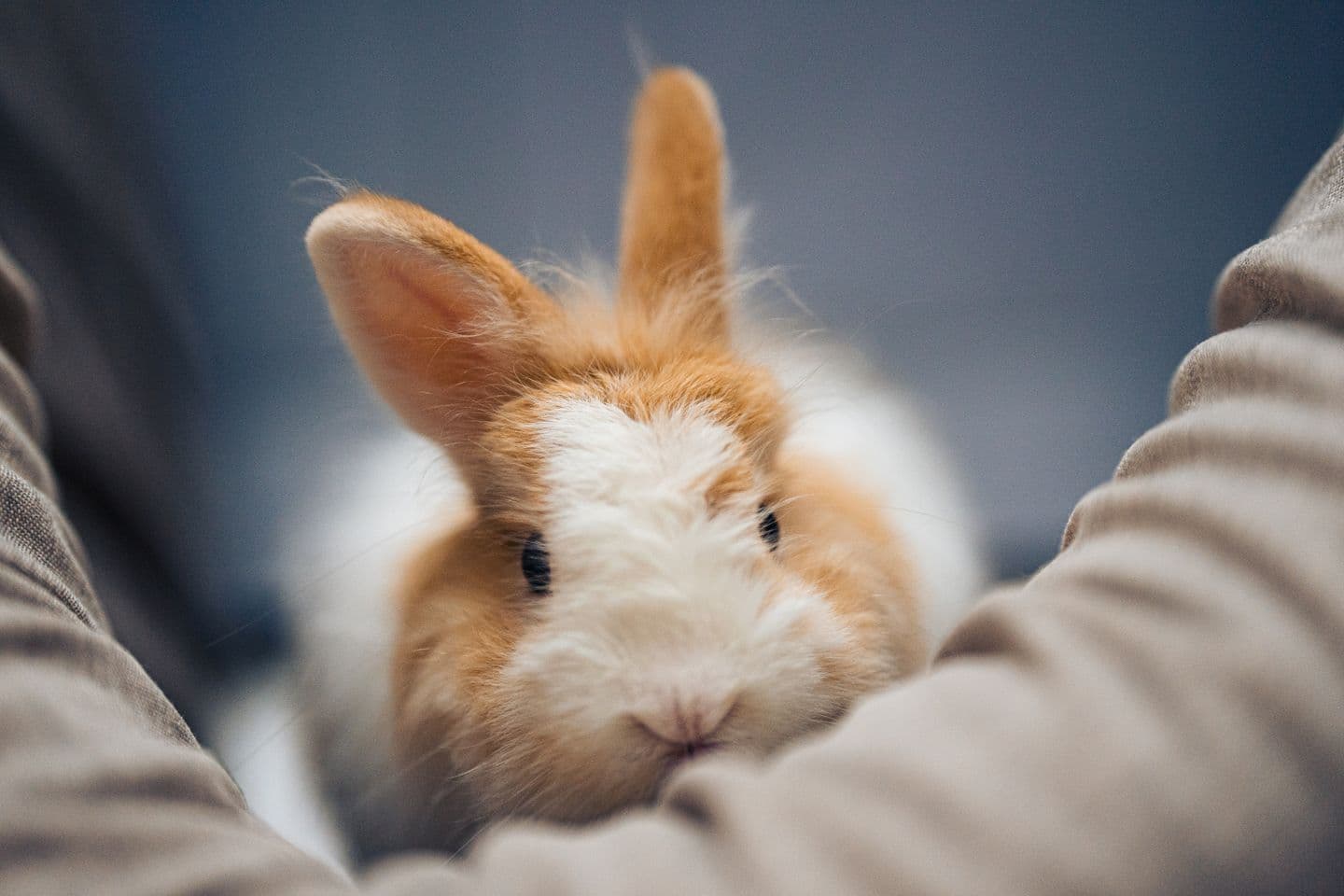
Florida Whites are generally docile, good natured, and relaxed once they have had time to build trust with their owner.
2 min read
Rabbits / Breeds
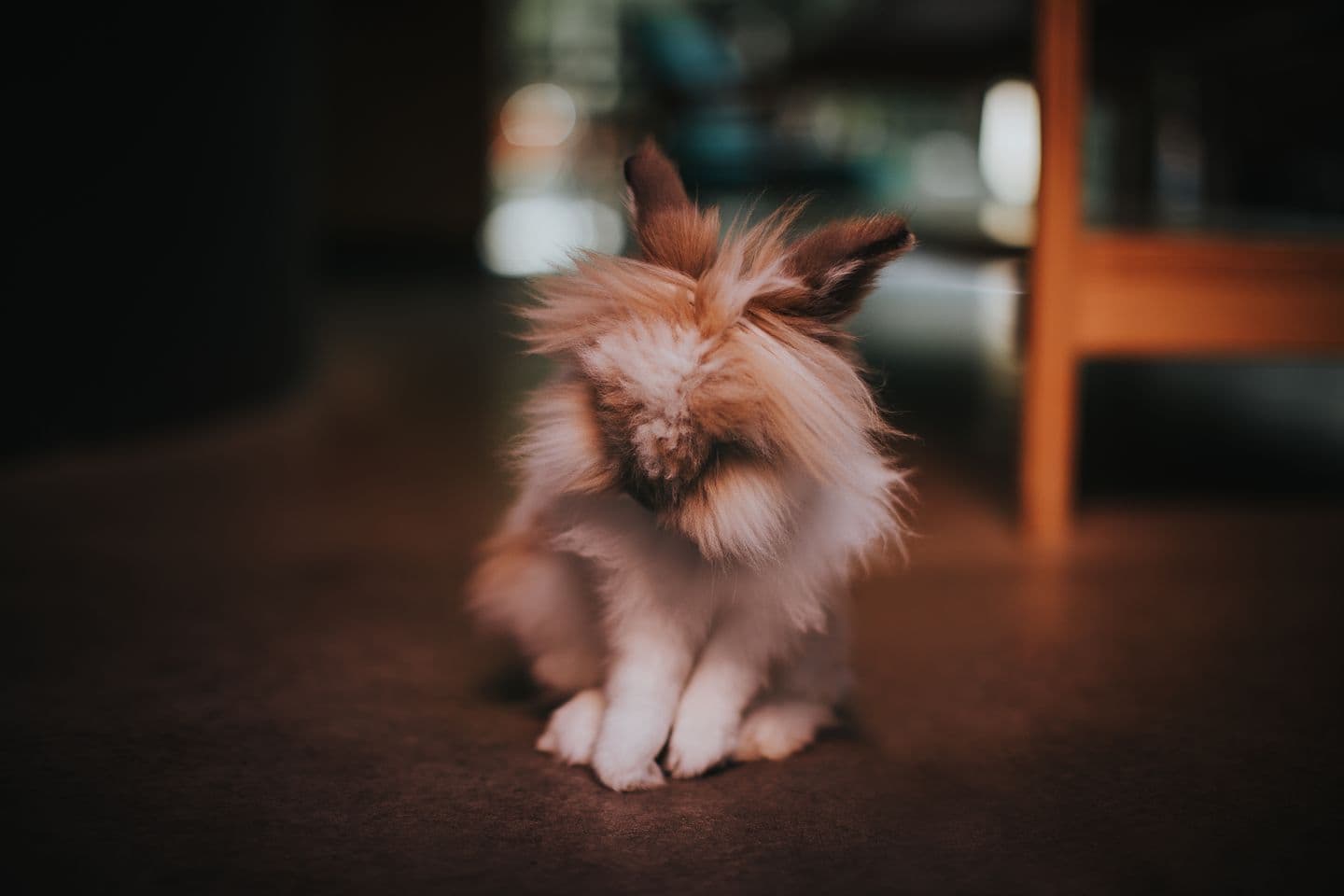
English Angoras are typically gentle and calm, a temperament that works in their favour given how much handling their coat requires.
3 min read