
Rabbits / Breeds
Tan Rabbit
A sleek, athletic rabbit with a glossy dark coat and a bright tan underside, closer in spirit to a wild rabbit than most companion breeds.
2 min read
Rabbits / Getting Started
Indian summers are punishing even for animals built to handle heat, and rabbits are not built for it at all. Unlike dogs, rabbits cannot pant efficiently to cool down, and thick fur that once protecte
Indian summers are punishing even for animals built to handle heat, and rabbits are not built for it at all. Unlike dogs, rabbits cannot pant efficiently to cool down, and thick fur that once protected wild burrow-dwelling ancestors becomes a liability once temperatures climb past the mid-thirties. Heatstroke can set in within an hour and is frequently fatal, so prevention matters more than treatment here.
Rabbits lose heat mainly through their ears, which is why you will see a hot rabbit's ears feel warm and flushed. Once the surrounding temperature rises above roughly 25 to 27 degrees Celsius, a rabbit's body starts working hard just to stay level, and anything past 32 to 35 degrees becomes genuinely dangerous, especially for very young, senior, overweight or long-furred rabbits such as Angoras.
Watch for laboured or open-mouthed breathing, drooling, red or hot ears, weakness, and a rabbit that flops over or seems disoriented. These are emergencies. Move the rabbit to a cool room immediately and gently dampen the ears and body with cool, not ice-cold, water while arranging to get to a vet. Never submerge a rabbit in cold water or apply ice directly, since the sudden temperature change can send the body into shock.
Many Indian homes keep rabbit hutches on balconies or terraces, which can turn into ovens by mid-morning. During April to June, it is far safer to bring the rabbit indoors for the hottest hours of the day, even if the usual home is outside.
Once the rains arrive, heatstroke risk eases but humidity creates a different problem. Damp bedding and standing moisture in an outdoor hutch encourage fungal skin infections and fly strike, where flies lay eggs in soiled, damp fur, particularly around the tail. Check your rabbit's rear end daily during the monsoon, keep bedding dry and change it more frequently than usual, and move outdoor hutches away from areas where rainwater collects.
A ceiling fan or table fan on a gentle setting, angled so the rabbit can move out of the airflow if it wants to, is generally safe and helpful. Air conditioning is fine too, provided the room does not get so cold that it swings wildly between an air-conditioned night and a hot day, since rabbits cope poorly with sudden temperature changes in either direction. Desert coolers add humidity to the air and can leave bedding damp, so keep the rabbit's enclosure a reasonable distance from direct cooler airflow.
Article content © Ravi Teja. All rights reserved.
Rabbits / Breeds
A sleek, athletic rabbit with a glossy dark coat and a bright tan underside, closer in spirit to a wild rabbit than most companion breeds.
2 min read
Rabbits / Breeds
Florida Whites are generally docile, good natured, and relaxed once they have had time to build trust with their owner.
2 min read
Rabbits / Breeds
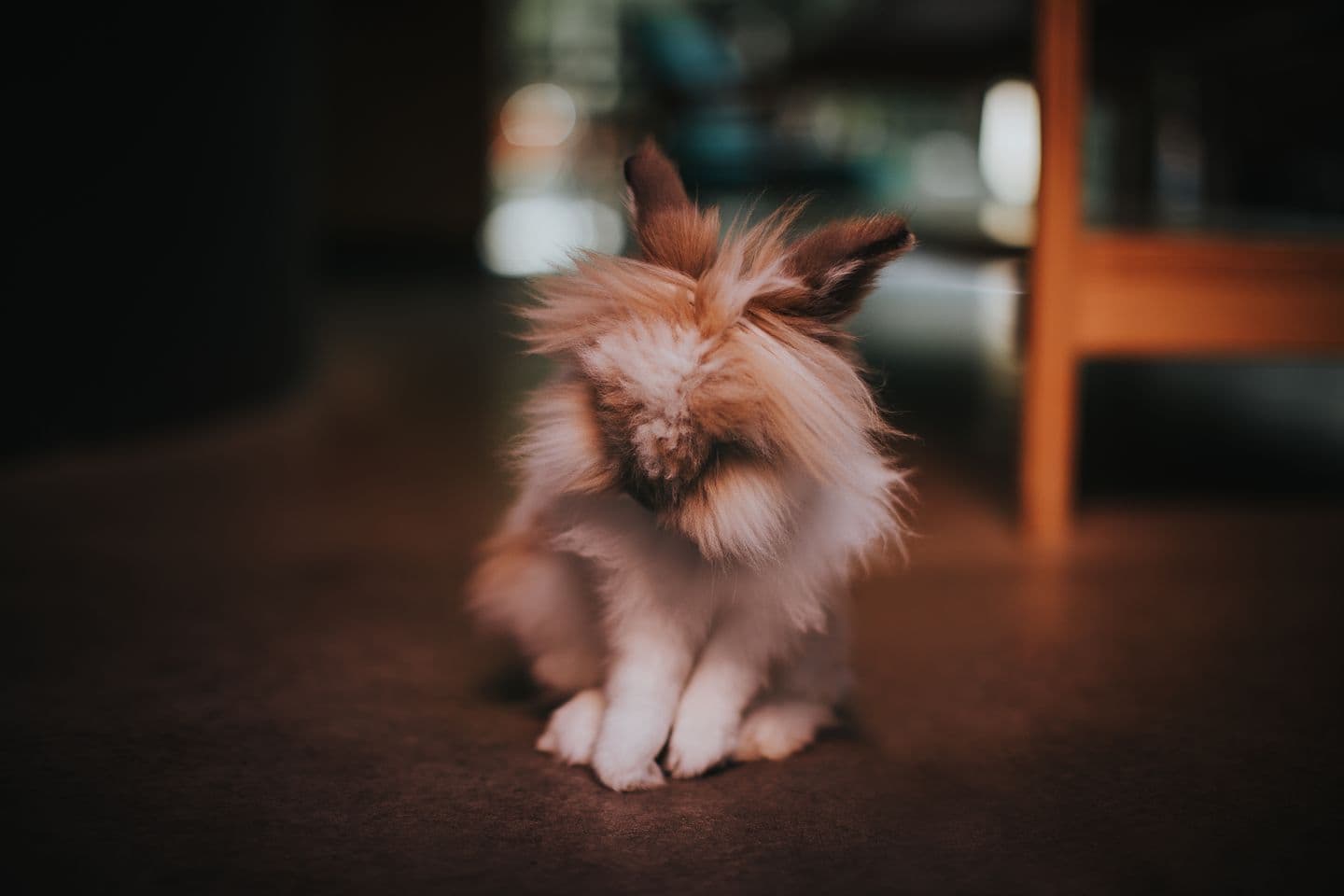
English Angoras are typically gentle and calm, a temperament that works in their favour given how much handling their coat requires.
3 min read