
Rabbits / Breeds
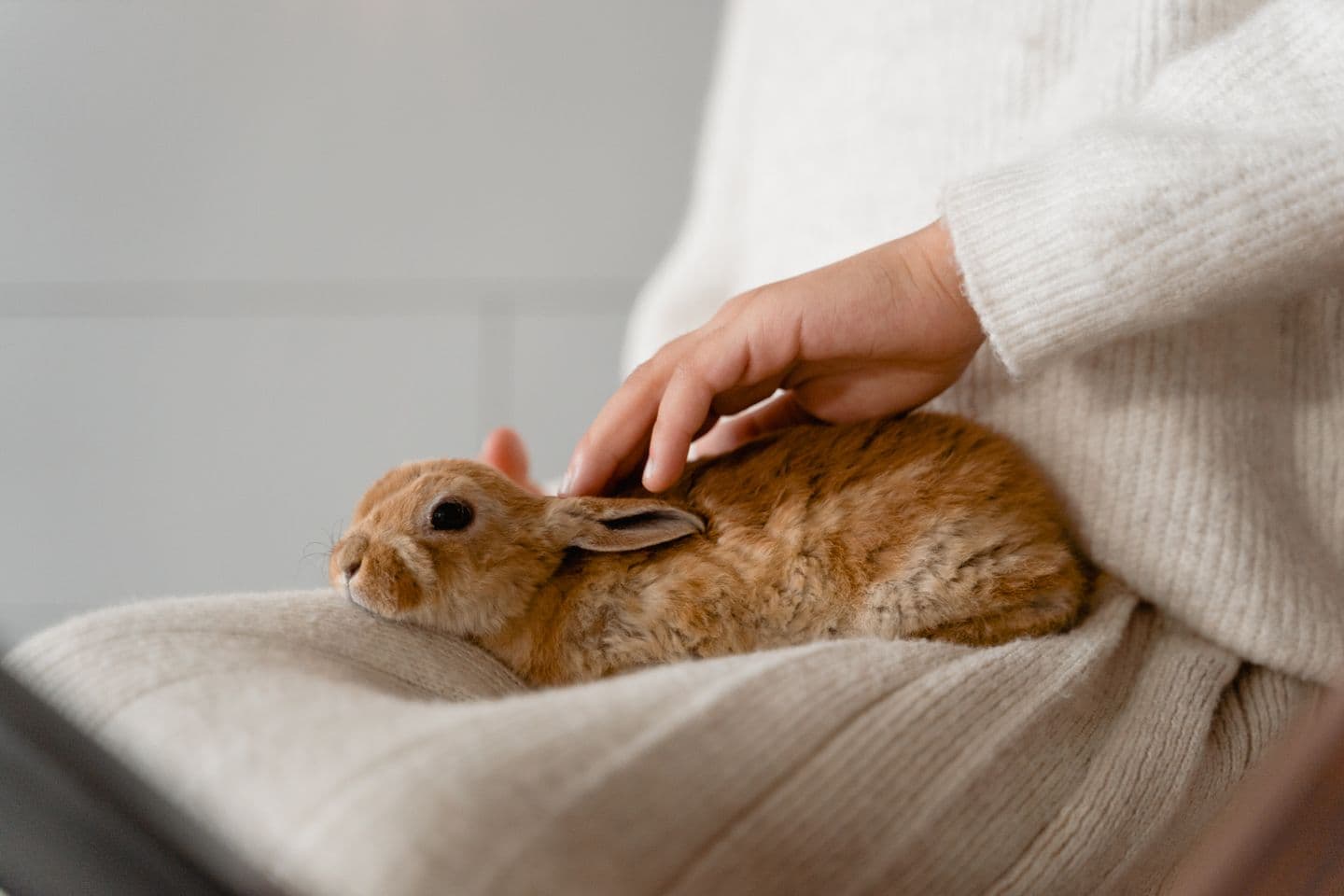
Tan Rabbit
A sleek, athletic rabbit with a glossy dark coat and a bright tan underside, closer in spirit to a wild rabbit than most companion breeds.
2 min read
Rabbits / Getting Started
Rabbits are curious grazers, and a free-roaming house rabbit will investigate any plant within reach. Since rabbits cannot vomit, anything toxic that gets eaten stays in the system, which makes plant
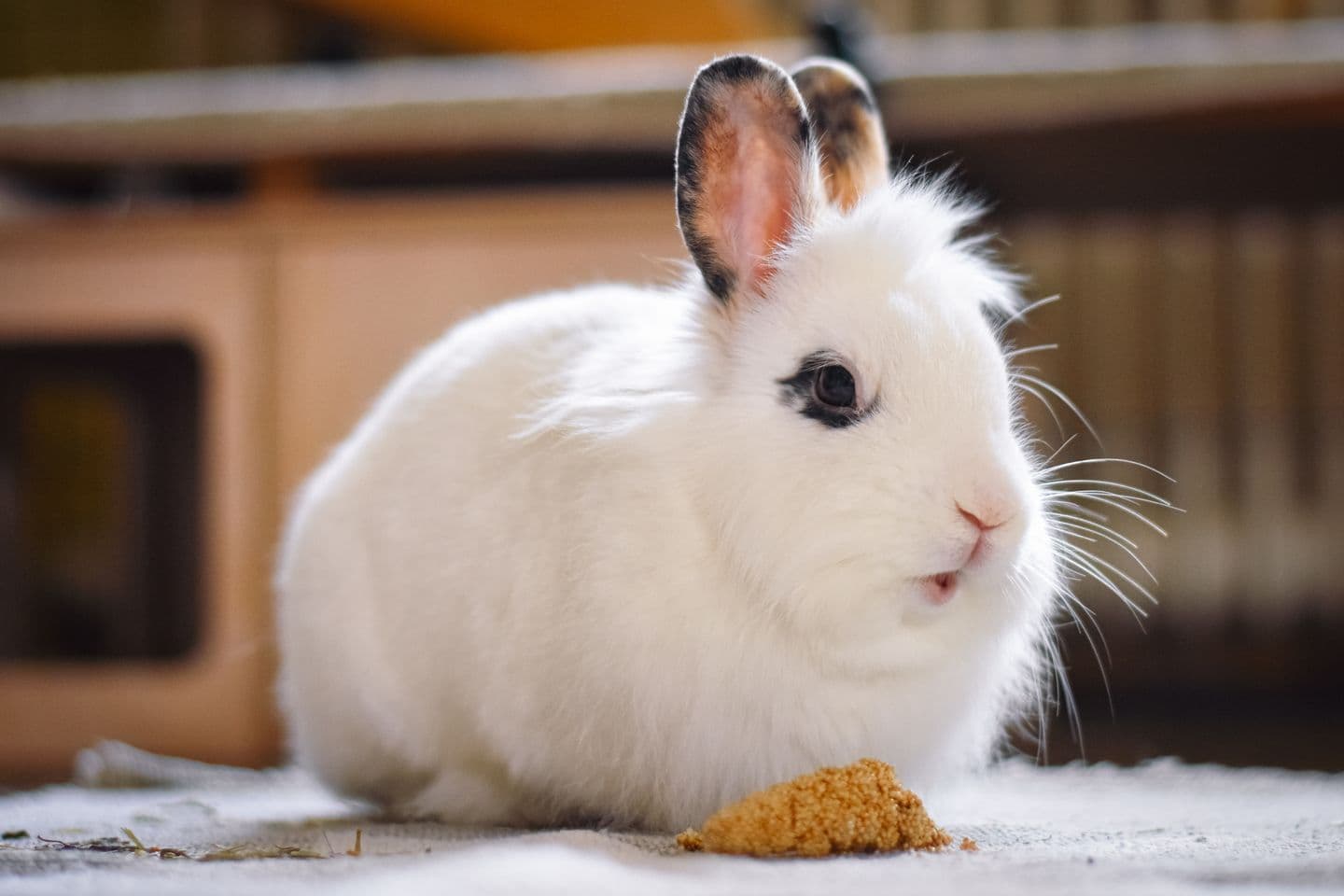
Rabbits are curious grazers, and a free-roaming house rabbit will investigate any plant within reach. Since rabbits cannot vomit, anything toxic that gets eaten stays in the system, which makes plant safety worth taking seriously rather than treating as an afterthought.
Treat all houseplants as unsafe unless you have specifically confirmed otherwise. There are simply too many varieties, and the toxic ones are not always obvious from appearance alone. Keep houseplants on high shelves or in rooms your rabbit does not have access to.
Drooling, pawing at the mouth, sudden lethargy, loss of appetite, diarrhoea or visible pain are all signs that warrant an emergency vet visit, particularly if you know or suspect your rabbit has chewed on an unfamiliar plant. Bringing a leaf sample or a photo of the plant to the vet visit can help with fast identification and treatment.
Dandelion leaves, coriander, mint, basil, hibiscus leaves and flowers, and rose petals are generally considered safe in moderation and are common enough in Indian gardens to make good grazing options, provided they have not been treated with pesticide.
Do not try to make a rabbit vomit, since rabbits are physically unable to vomit and attempting it wastes time. Remove any remaining plant material from reach, note what was eaten and roughly how much if you can, and call a vet immediately rather than waiting to see if symptoms develop. Bring a sample of the plant, or a clear photo, to help with fast identification.
Before letting a rabbit graze or explore in a garden or terrace, walk the space and remove or fence off anything from the toxic list above, including fallen leaves and flowers, which rabbits will happily eat off the ground even if they would ignore the growing plant. Check the area again after gardening work, since trimmed cuttings left lying around are an easy way for a toxic plant to end up within reach.
Article content © S Vejay Anand. All rights reserved.
Rabbits / Breeds
A sleek, athletic rabbit with a glossy dark coat and a bright tan underside, closer in spirit to a wild rabbit than most companion breeds.
2 min read
Rabbits / Breeds
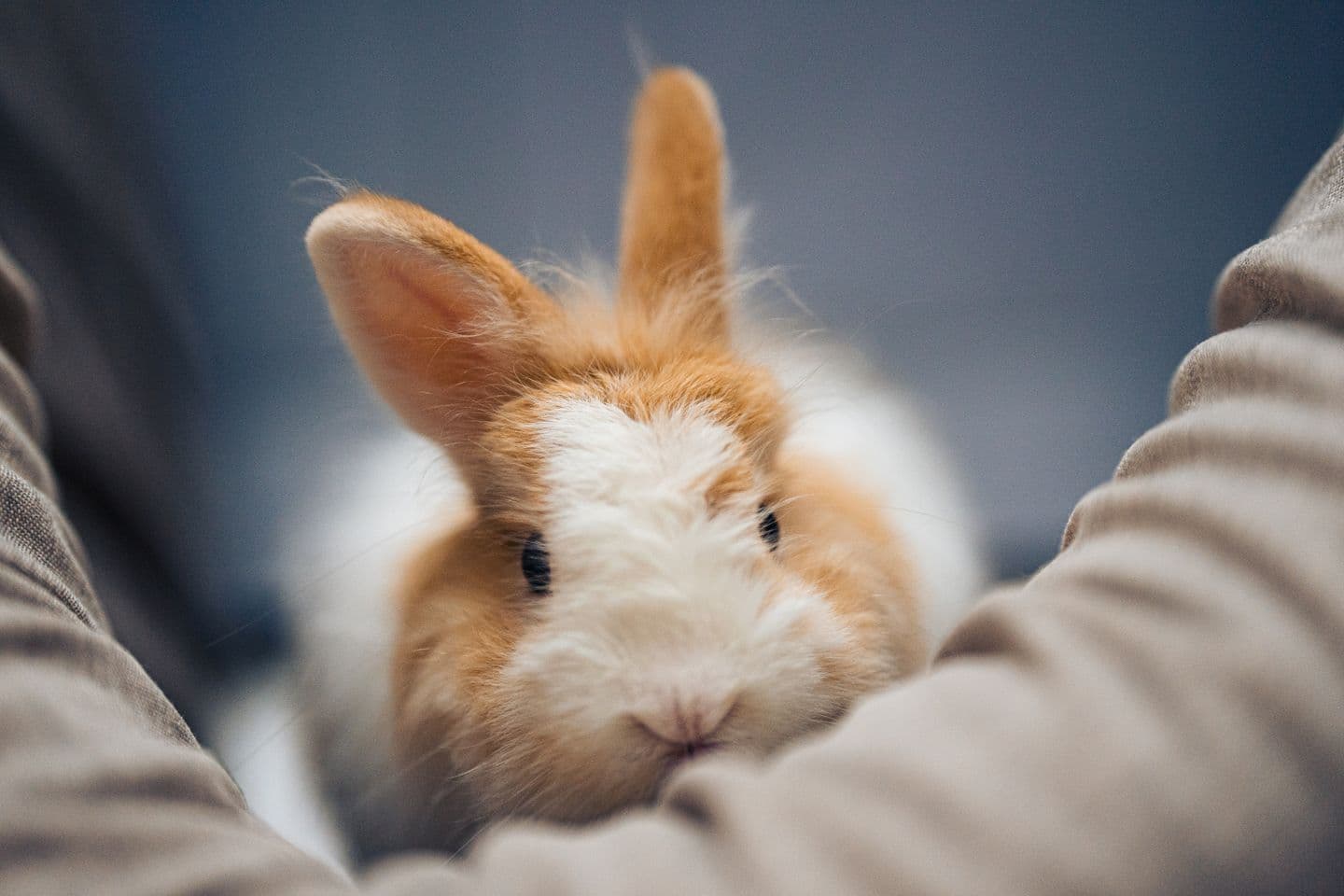
Florida Whites are generally docile, good natured, and relaxed once they have had time to build trust with their owner.
2 min read
Rabbits / Breeds
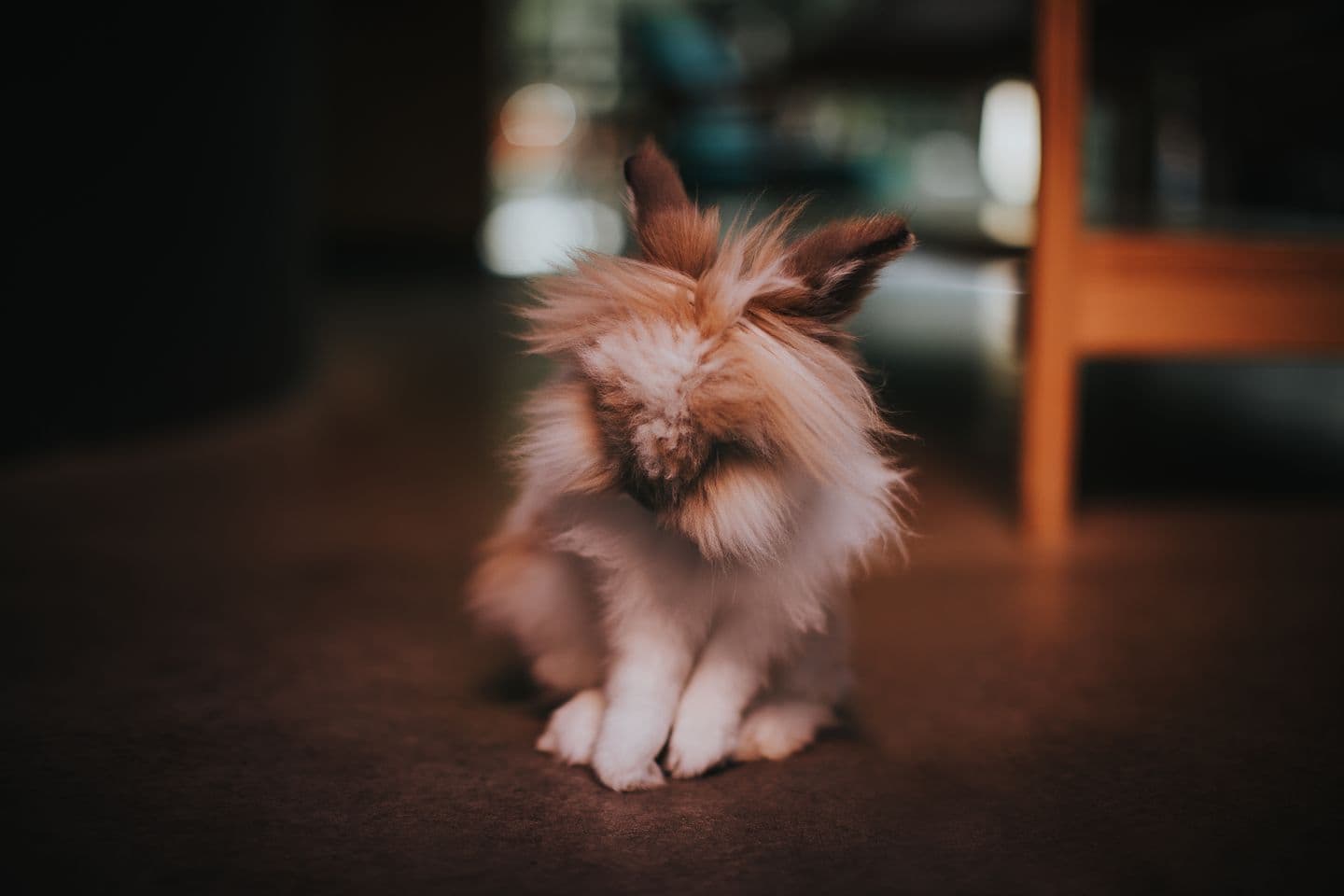
English Angoras are typically gentle and calm, a temperament that works in their favour given how much handling their coat requires.
3 min read