
Rabbits / Breeds
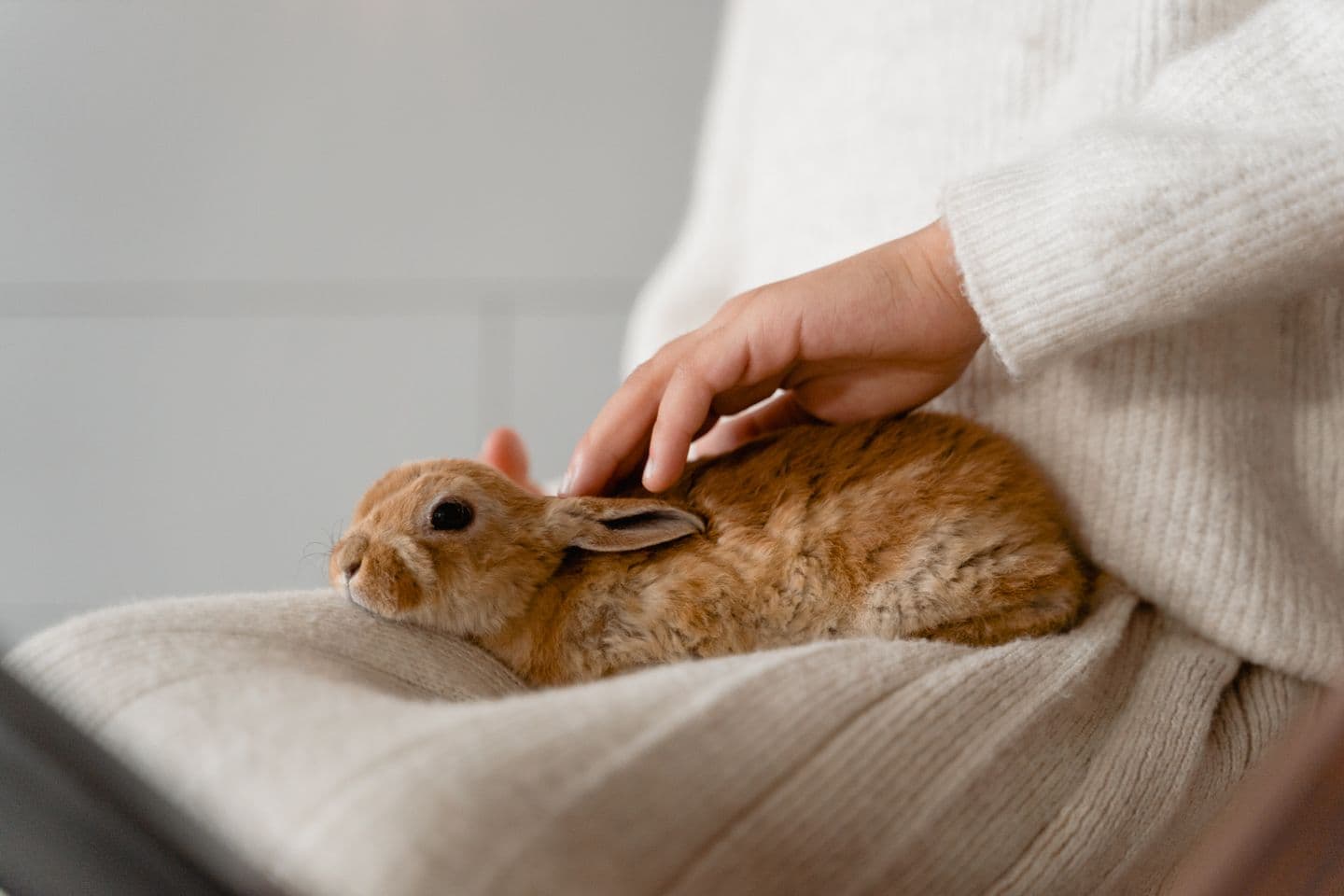
Tan Rabbit
A sleek, athletic rabbit with a glossy dark coat and a bright tan underside, closer in spirit to a wild rabbit than most companion breeds.
2 min read
Rabbits / Getting Started
Rabbits are far quieter than cats or dogs, which makes the sounds they do make worth paying close attention to. Most vocalisations in a healthy rabbit are subtle, and a few are worth knowing as warnin
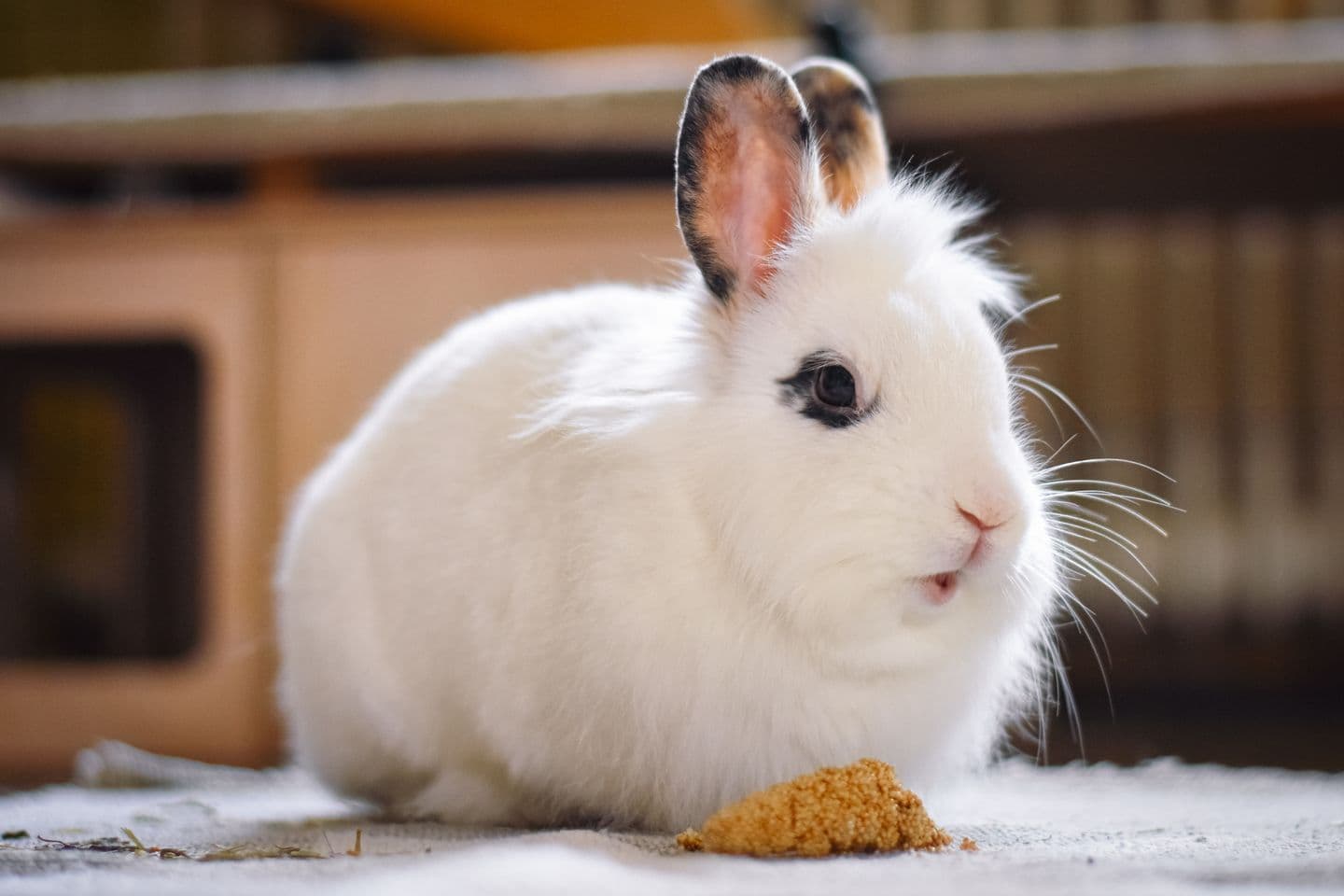
Rabbits are far quieter than cats or dogs, which makes the sounds they do make worth paying close attention to. Most vocalisations in a healthy rabbit are subtle, and a few are worth knowing as warning signs on their own.
Soft, quiet teeth grinding during petting is a sign of contentment, similar to tooth purring. Loud, harsh teeth grinding, especially paired with a hunched posture or reduced appetite, is a strong indicator of pain and should prompt a same-day vet visit.
The thud of a rabbit's hind foot against the floor is both a physical warning to other rabbits and an audible cue to an owner that something has startled or annoyed it. A single thump after a loud noise is normal. Repeated thumping over several minutes suggests ongoing stress worth investigating.
When two rabbits meet for the first time, low grunting, a bit of circling honking, and even a brief bout of boxing are common and not necessarily a sign the introduction has failed. What matters is whether things settle down within a short session or escalate into prolonged growling, biting or chasing, which means the rabbits need to be separated and reintroduced more gradually, ideally on neutral territory.
Since rabbits are quiet by nature, owners sometimes miss the fact that a normally active, occasionally vocal rabbit has gone unusually still and silent. This is often a bigger warning sign than any specific sound, since it frequently accompanies pain, illness or extreme stress. A rabbit that stops its usual small noises during handling or feeding, alongside reduced appetite, is worth a same-day check.
Article content © Ravi Teja. All rights reserved.
Rabbits / Breeds
A sleek, athletic rabbit with a glossy dark coat and a bright tan underside, closer in spirit to a wild rabbit than most companion breeds.
2 min read
Rabbits / Breeds
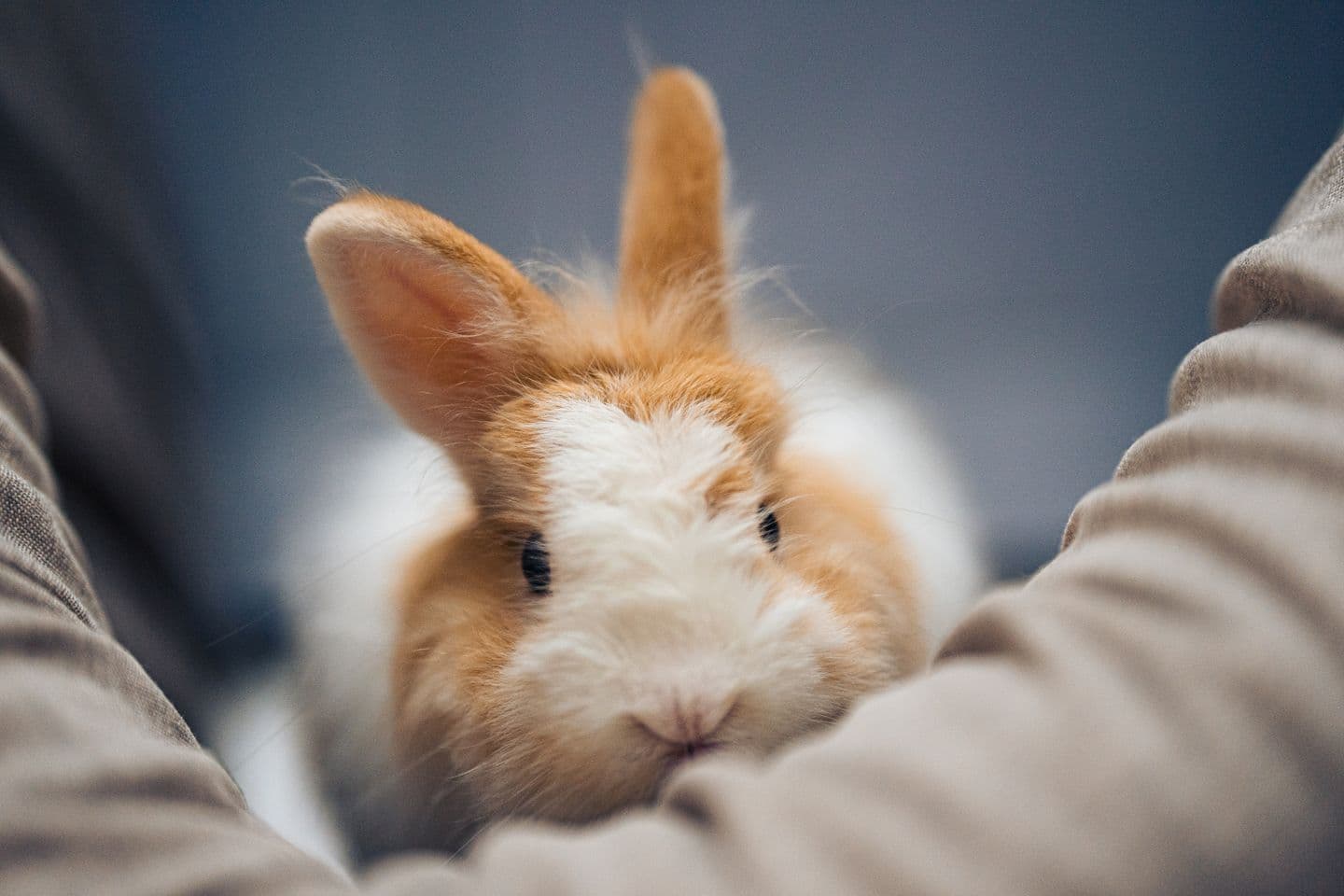
Florida Whites are generally docile, good natured, and relaxed once they have had time to build trust with their owner.
2 min read
Rabbits / Breeds
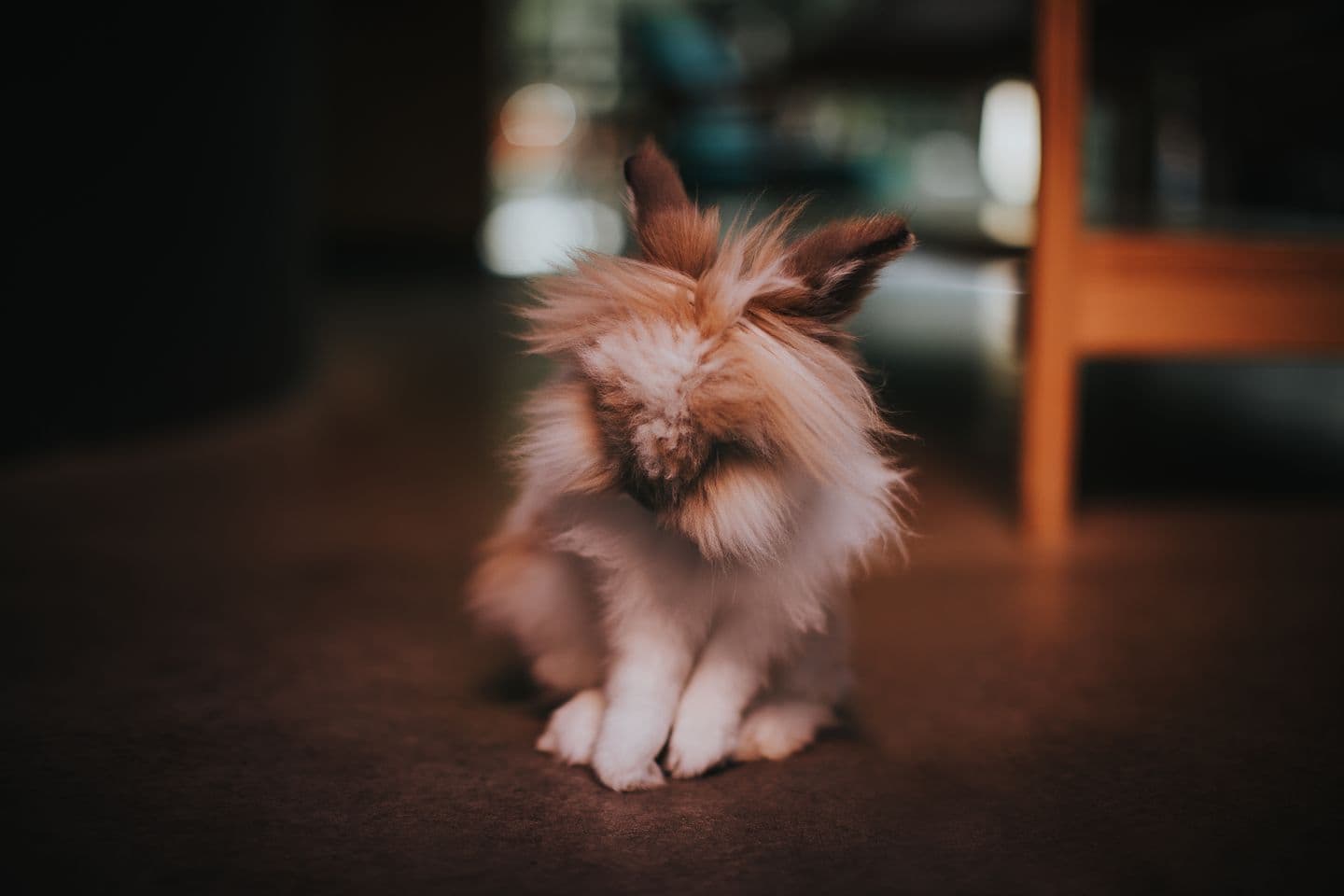
English Angoras are typically gentle and calm, a temperament that works in their favour given how much handling their coat requires.
3 min read