
Rabbits / Breeds
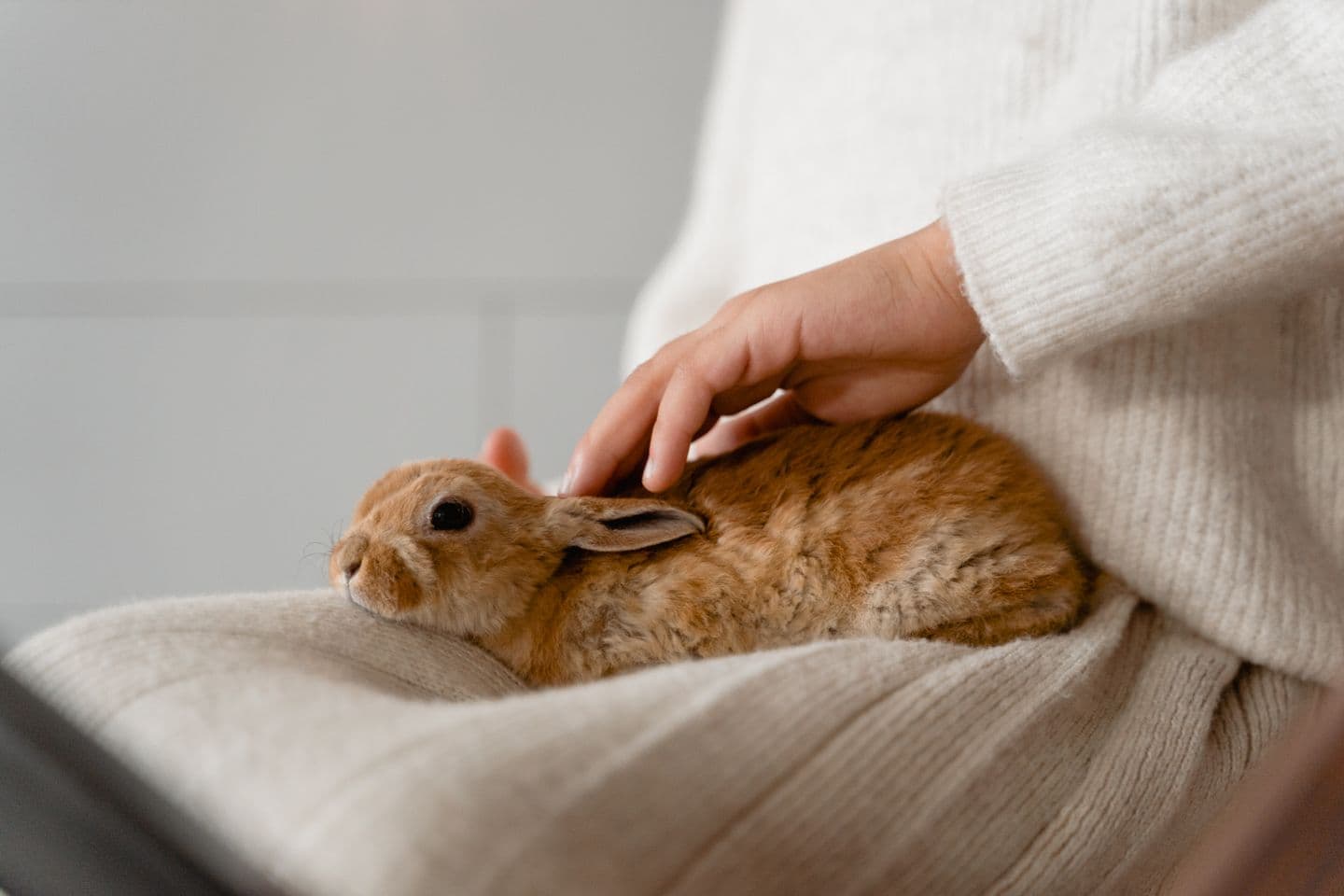
Tan Rabbit
A sleek, athletic rabbit with a glossy dark coat and a bright tan underside, closer in spirit to a wild rabbit than most companion breeds.
2 min read
Rabbits / Getting Started
Rabbits are often chosen as pets because they appear quiet, gentle and easy to manage. They do not need daily outdoor walks like dogs, and many can be litter-trained. However, these characteristics sh
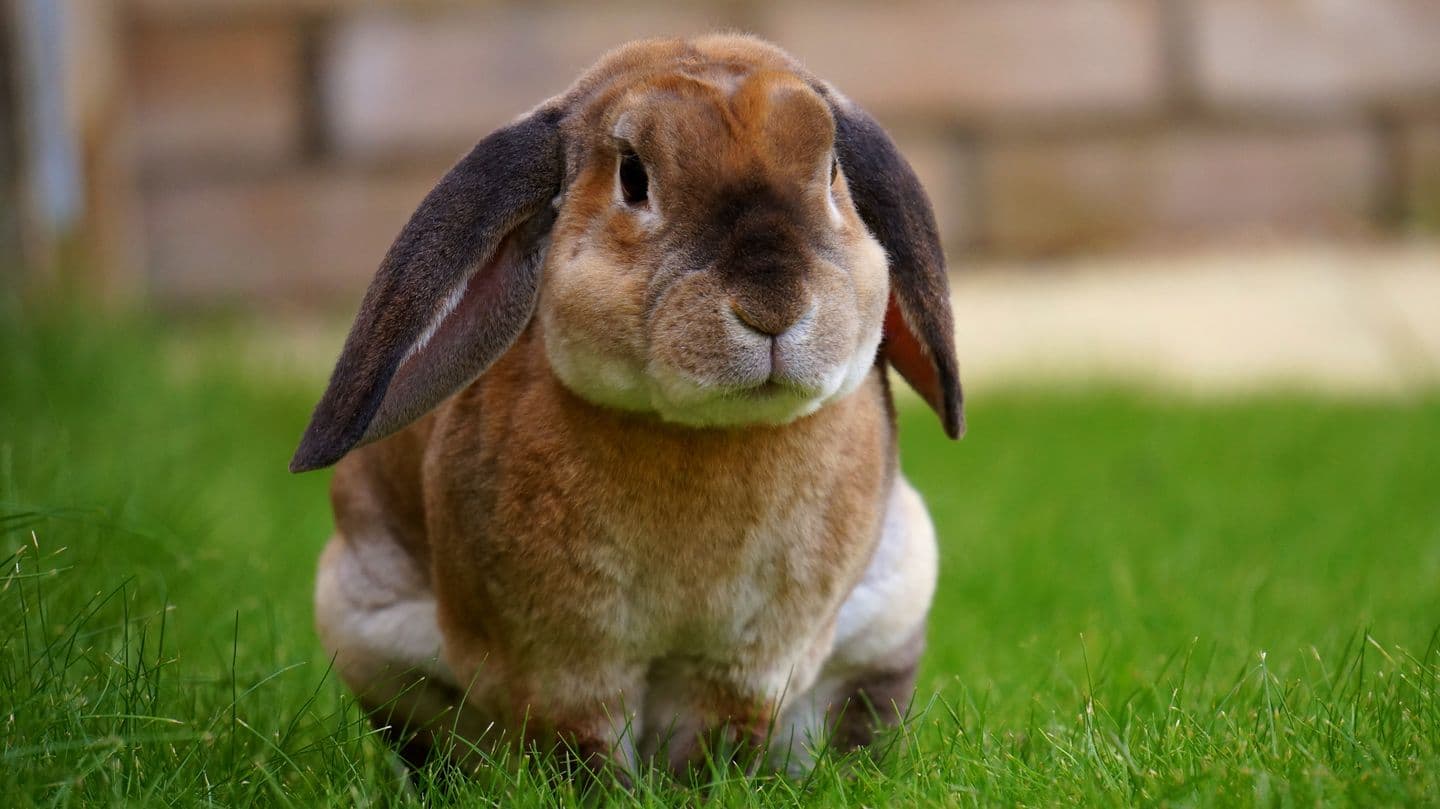
Rabbits are often chosen as pets because they appear quiet, gentle and easy to manage. They do not need daily outdoor walks like dogs, and many can be litter-trained. However, these characteristics should not be confused with low maintenance.
One of the most common mistakes in rabbit ownership is keeping rabbits confined to small cages or hutches. Rabbits are naturally active animals that need opportunities to run, hop, stretch, dig and explore.
Heat deserves particular attention in India. Rabbits are vulnerable to overheating, and their enclosures must be shaded, well ventilated and protected from direct sunlight.
A rabbit's digestive system is designed to process a high-fibre diet. Poor nutrition can contribute to dental disease, obesity and potentially life-threatening digestive problems.
Fruit and other sugary treats should be limited. Bread, biscuits and unsuitable human foods should not form part of a rabbit's regular diet.
Rabbits are social animals that can form strong relationships with other rabbits and familiar humans. They communicate through body language, scent marking, grooming and physical interactions. A rabbit kept alone without adequate stimulation may become bored, frustrated or withdrawn. Where possible, compatible rabbits should be kept together. Introductions must be managed carefully because unfamiliar rabbits can fight over territory.
Rabbits often hide signs of illness because they are prey animals. Dental problems, gastrointestinal stasis, respiratory infections and urinary disorders require prompt veterinary attention. Owners should identify a veterinarian experienced in rabbit medicine before bringing one home. Vaccination, parasite prevention and sterilisation requirements should also be discussed with the veterinarian, taking local disease risks into account.
Rabbits commonly live for 8–12 years, sometimes longer. Their care involves daily feeding, cleaning, exercise, companionship and healthcare expenses. They are not decorative animals for children's bedrooms or temporary alternatives to dogs and cats.
A rabbit deserves a life that allows it to behave like a rabbit. Providing that life requires considerably more than buying a cage and a packet of food.
Article content © Tarun. All rights reserved.
Rabbits / Breeds
A sleek, athletic rabbit with a glossy dark coat and a bright tan underside, closer in spirit to a wild rabbit than most companion breeds.
2 min read
Rabbits / Breeds
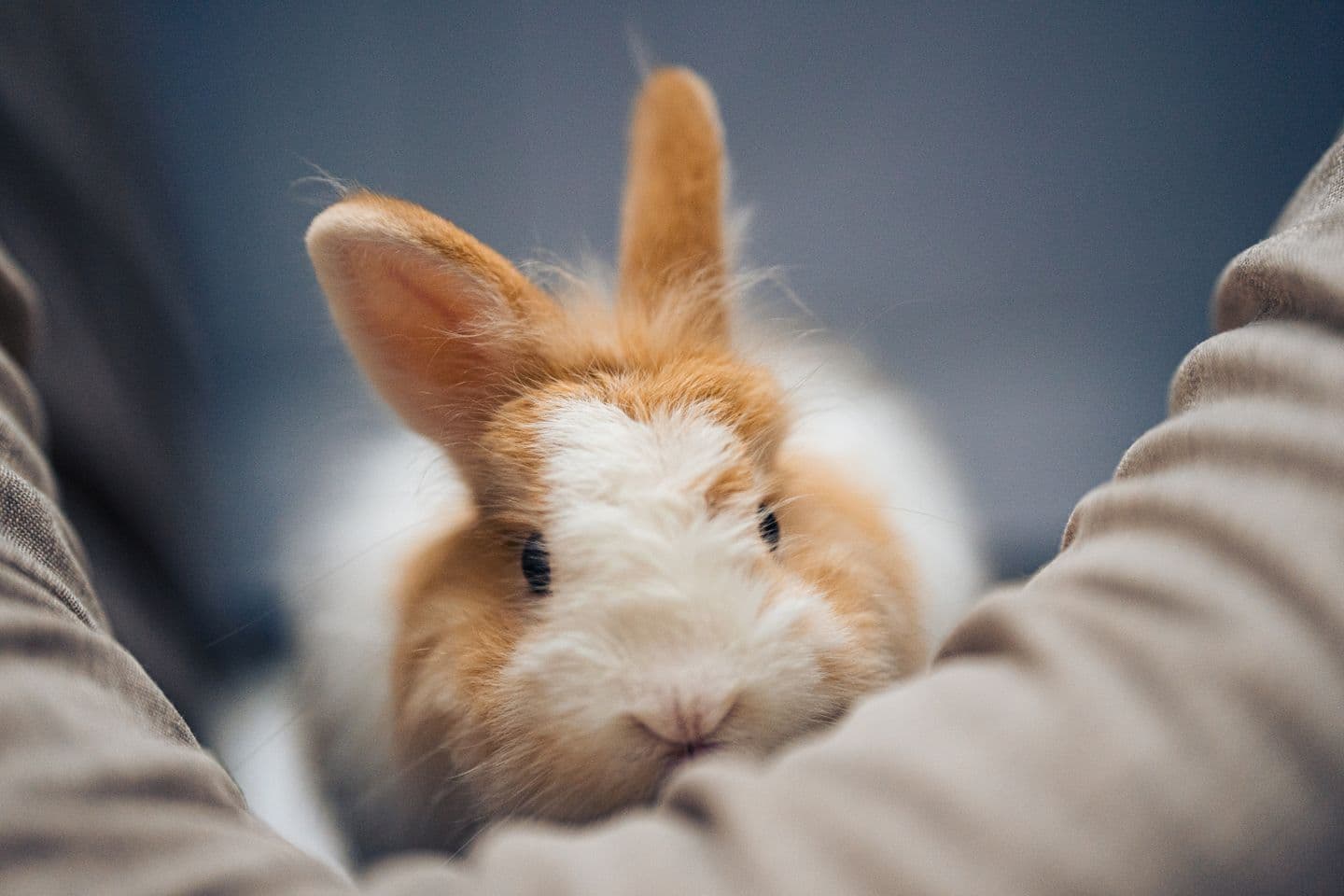
Florida Whites are generally docile, good natured, and relaxed once they have had time to build trust with their owner.
2 min read
Rabbits / Breeds
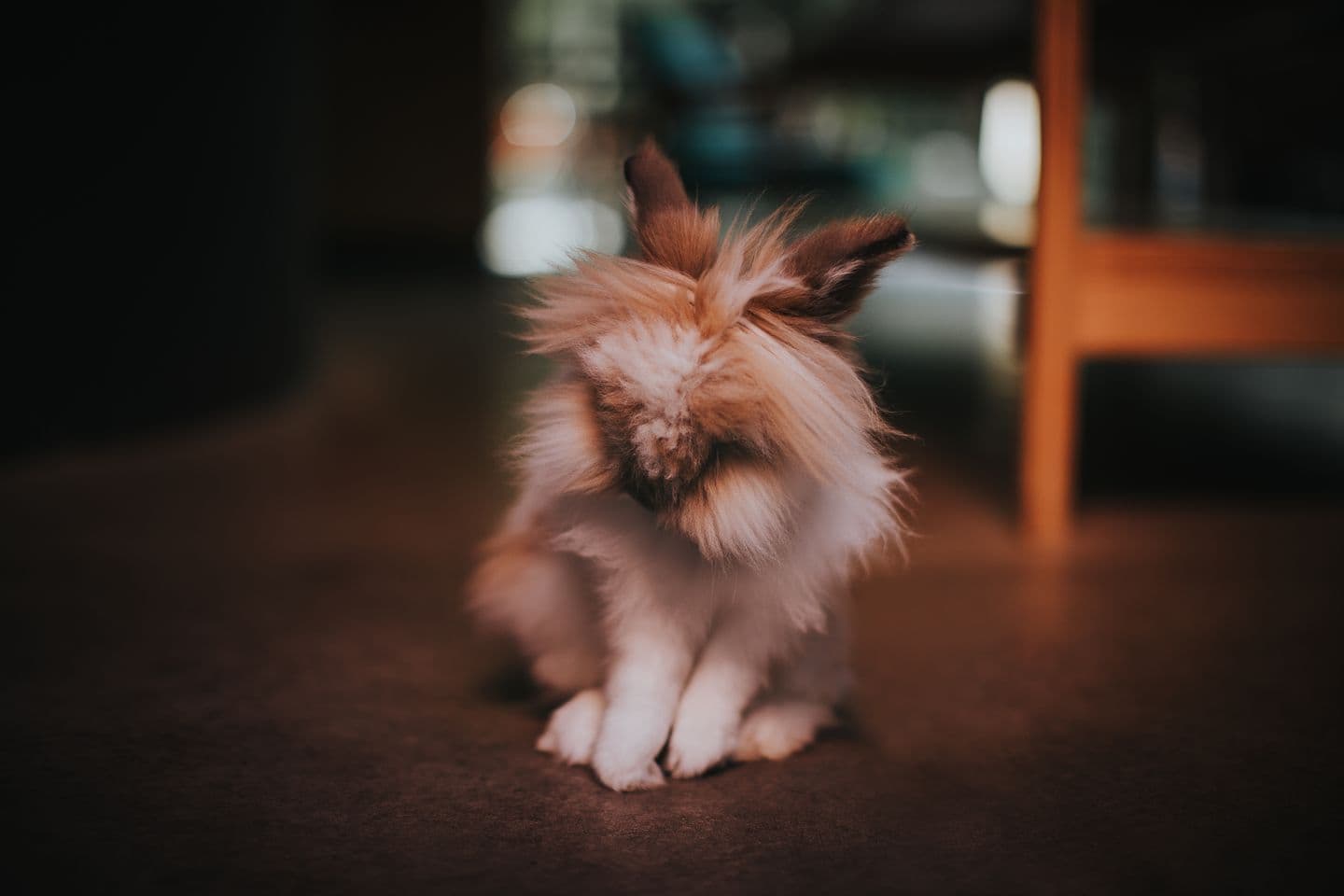
English Angoras are typically gentle and calm, a temperament that works in their favour given how much handling their coat requires.
3 min read