
Rabbits / Breeds
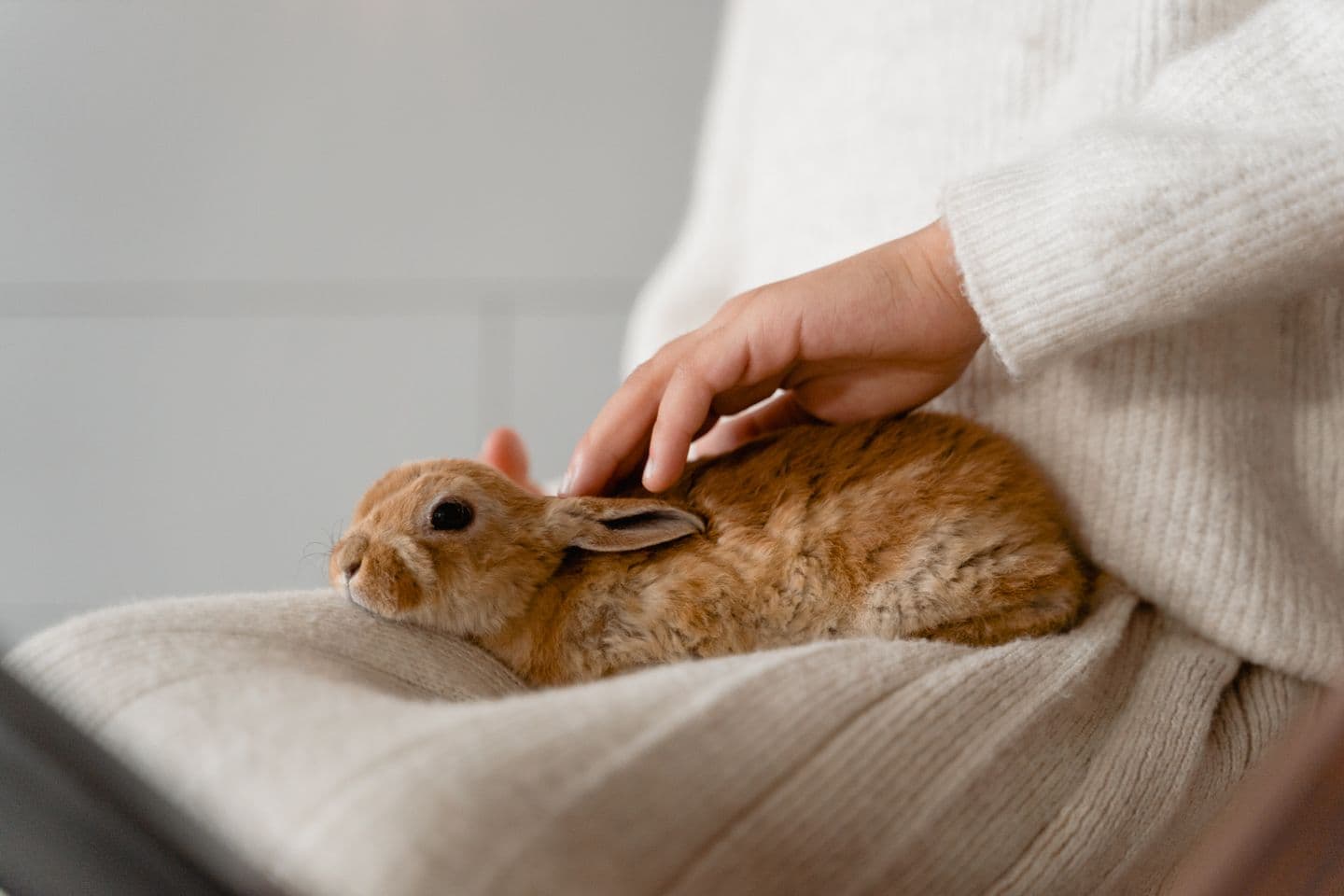
Tan Rabbit
A sleek, athletic rabbit with a glossy dark coat and a bright tan underside, closer in spirit to a wild rabbit than most companion breeds.
2 min read
Rabbits / Getting Started
Rabbits are prey animals, which means their instinct is to hide weakness for as long as possible. By the time a sick rabbit looks obviously unwell, the underlying problem has often been building for a

Rabbits are prey animals, which means their instinct is to hide weakness for as long as possible. By the time a sick rabbit looks obviously unwell, the underlying problem has often been building for a while. Learning the subtle early cues matters more with rabbits than with almost any other common pet.
A drop in appetite, even a partial one, is usually the earliest and most reliable warning sign of illness in a rabbit. A rabbit that goes more than eight to twelve hours without eating or producing droppings is at risk of gastrointestinal stasis, a dangerous slowdown of the gut that can become life-threatening within a day, and this counts as a genuine emergency regardless of the time of day.
Gently feeling the abdomen for unusual firmness, bloating or a distended feel, alongside listening for gut sounds, which should be a quiet, steady gurgle rather than loud violent noises or complete silence, can help catch GI stasis early. This is worth learning from a vet during a routine visit so you know what normal feels like for your own rabbit.
Do not wait to see if a rabbit improves overnight once a genuine warning sign appears. Rabbits can go from mildly unwell to critically ill within hours, and early veterinary intervention dramatically improves the odds of a full recovery.
Keeping a few basics on hand saves precious time in a genuine emergency: your rabbit-savvy vet's number and the nearest 24-hour emergency clinic saved somewhere easy to find, a small pet carrier ready to go, plain unflavoured critical care syringe feed if your vet has recommended one, and a digital kitchen scale for quick weight checks.
A rabbit can lose a meaningful amount of weight before it becomes visually obvious under a full coat of fur. Weighing your rabbit on the same day each week and jotting the number down turns a vague impression of 'looking a bit off' into an objective trend, and a steady or sudden drop in weight is often the first hard evidence that something needs a vet's attention, even before other symptoms appear.
Article content © Ravi Teja. All rights reserved.
Rabbits / Breeds
A sleek, athletic rabbit with a glossy dark coat and a bright tan underside, closer in spirit to a wild rabbit than most companion breeds.
2 min read
Rabbits / Breeds
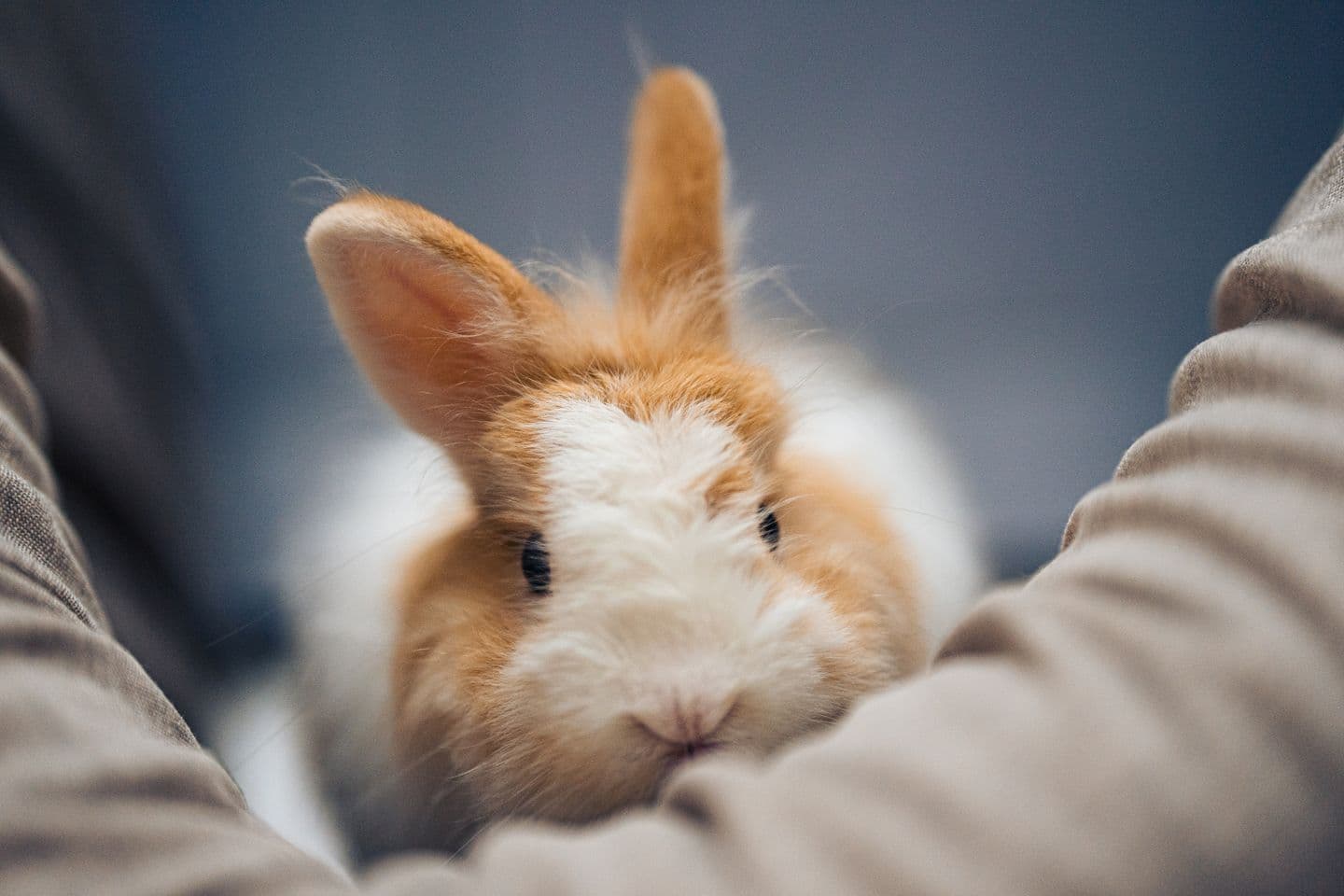
Florida Whites are generally docile, good natured, and relaxed once they have had time to build trust with their owner.
2 min read
Rabbits / Breeds
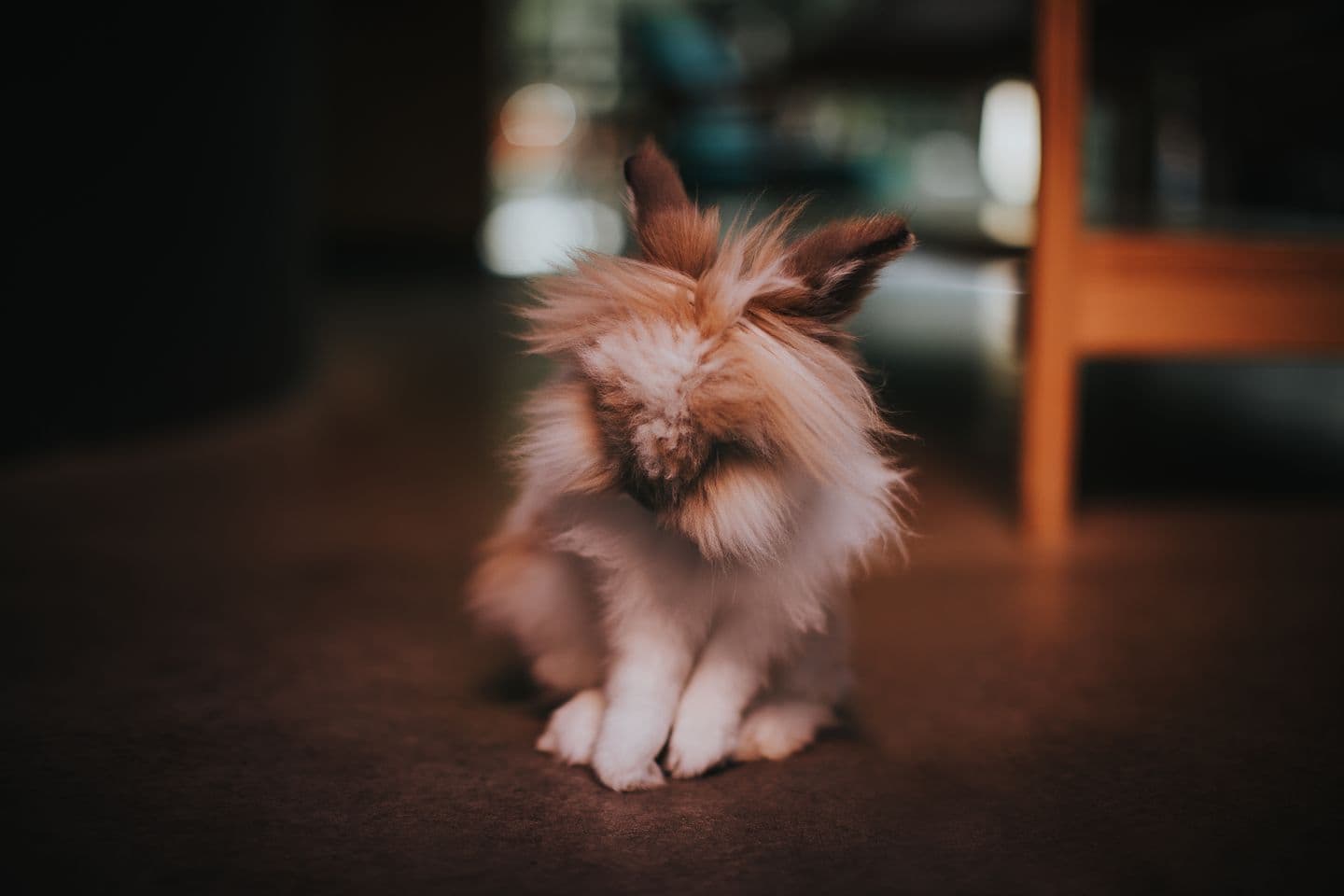
English Angoras are typically gentle and calm, a temperament that works in their favour given how much handling their coat requires.
3 min read