
Rabbits / Breeds
Tan Rabbit
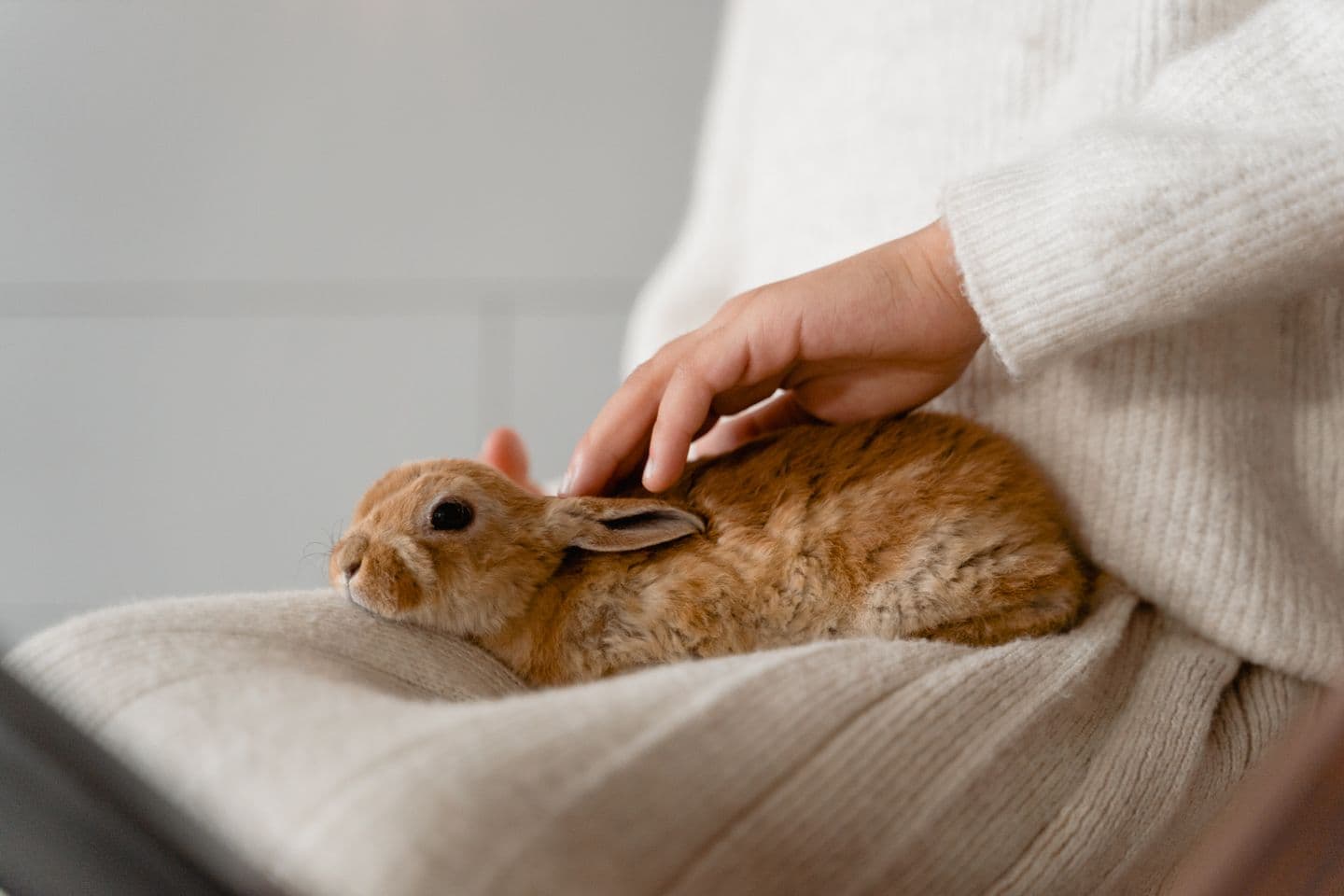
A sleek, athletic rabbit with a glossy dark coat and a bright tan underside, closer in spirit to a wild rabbit than most companion breeds.
2 min read
Rabbits / Getting Started
Digging is as instinctive to a rabbit as chewing. Wild rabbits dig burrows for safety and shelter, and a pet rabbit with no burrow to build often redirects that instinct onto the nearest soft surface,
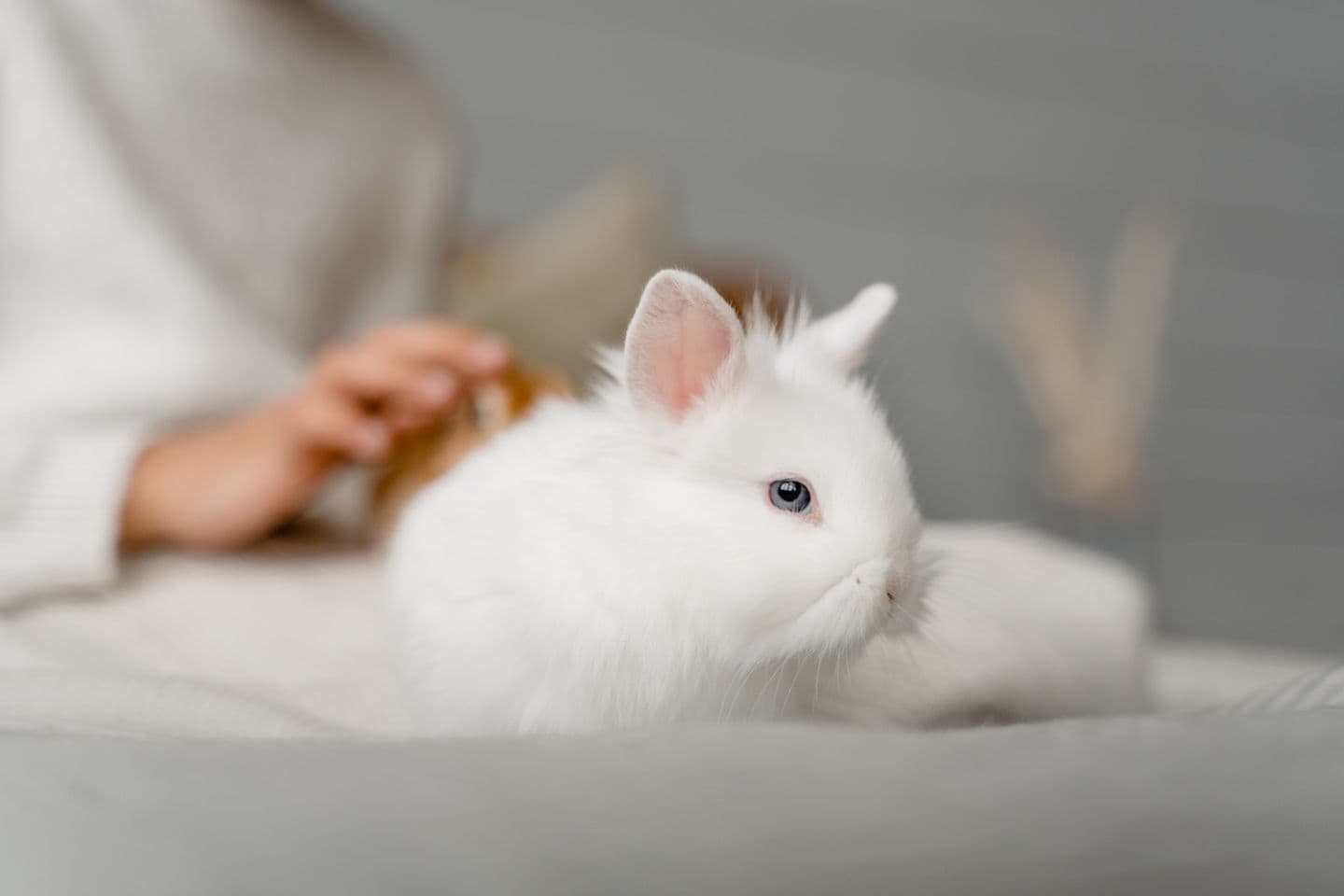
Digging is as instinctive to a rabbit as chewing. Wild rabbits dig burrows for safety and shelter, and a pet rabbit with no burrow to build often redirects that instinct onto the nearest soft surface, which in most Indian homes means the carpet or a rug corner.
Digging can come from boredom, pent-up energy, nesting instinct in unspayed females, or simple frustration at not being able to burrow the way instinct tells them to. It is rarely about the carpet itself, which just happens to be the most satisfying surface within reach.
If a rabbit has already fixated on one particular spot, a washable rug or a sheet of thick cardboard placed over that area, combined with a digging box positioned nearby, usually redirects the habit within a couple of weeks. Consistency matters more than the specific method, since rabbits take time to shift a habit once it has formed.
A rabbit getting at least a couple of hours of supervised roaming time daily, with genuine space to hop, generally digs less out of sheer boredom. Combine this with rotating toys so the environment does not feel static and predictable.
Some digging in the litter tray itself is normal and not something to correct, since rabbits often scratch around before settling in to use it. This is different from digging at the carpet or floor just outside the tray, which usually means the tray itself feels too small, is in the wrong spot, or simply is not satisfying the urge to dig the way loose litter or hay does. Adding a slightly deeper layer of hay to the tray sometimes resolves both problems at once.
Unspayed female rabbits sometimes dig intensely and pull fur from their own chest or belly in the days before a false pregnancy, a hormonal response that can happen even without a male rabbit present. This nesting instinct usually passes on its own within a couple of weeks, but frequent false pregnancies are one of several good reasons vets recommend spaying, alongside the significant cancer risk in unspayed females covered elsewhere in this series.
Article content © Ravi Teja. All rights reserved.
Rabbits / Breeds
A sleek, athletic rabbit with a glossy dark coat and a bright tan underside, closer in spirit to a wild rabbit than most companion breeds.
2 min read
Rabbits / Breeds
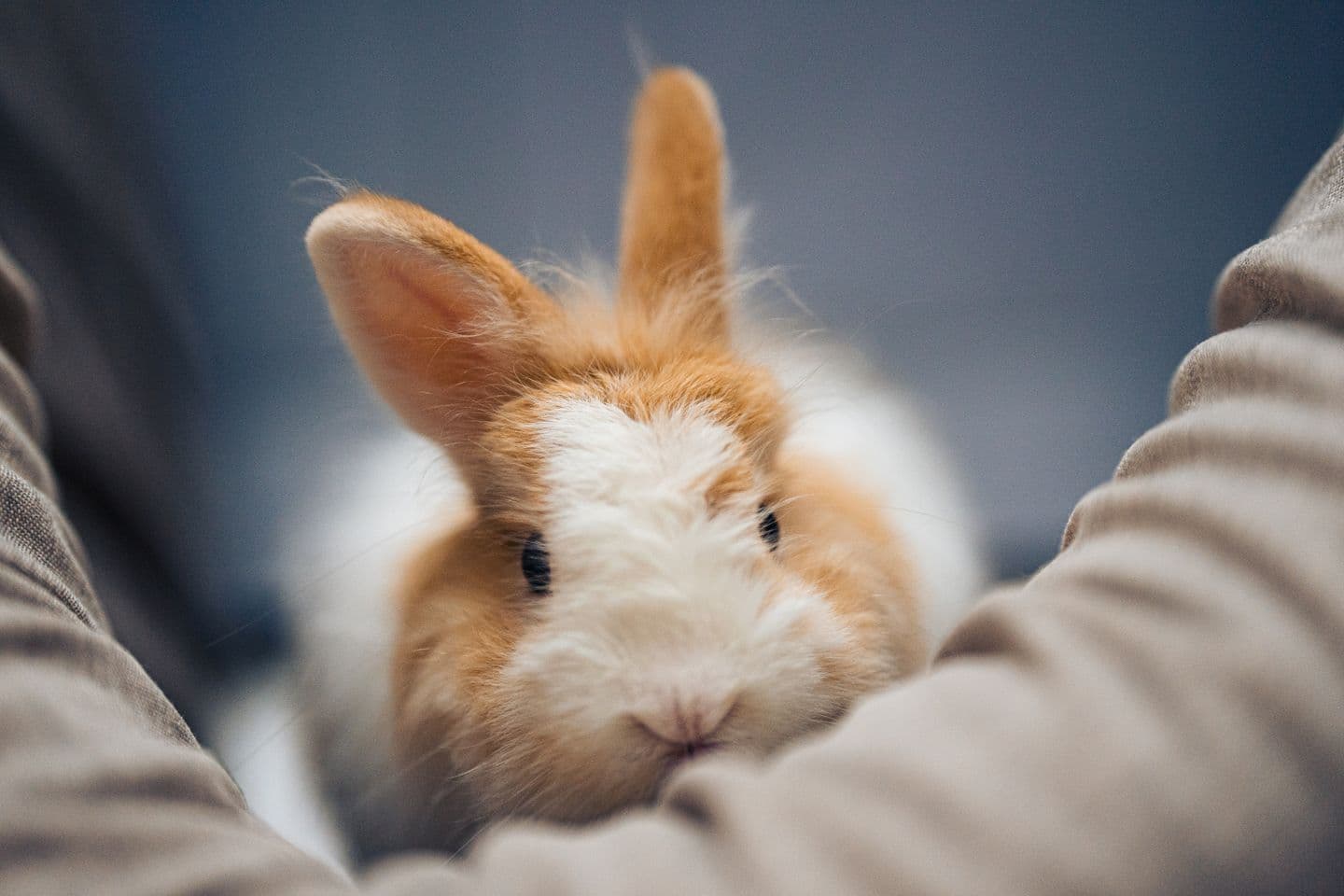
Florida Whites are generally docile, good natured, and relaxed once they have had time to build trust with their owner.
2 min read
Rabbits / Breeds
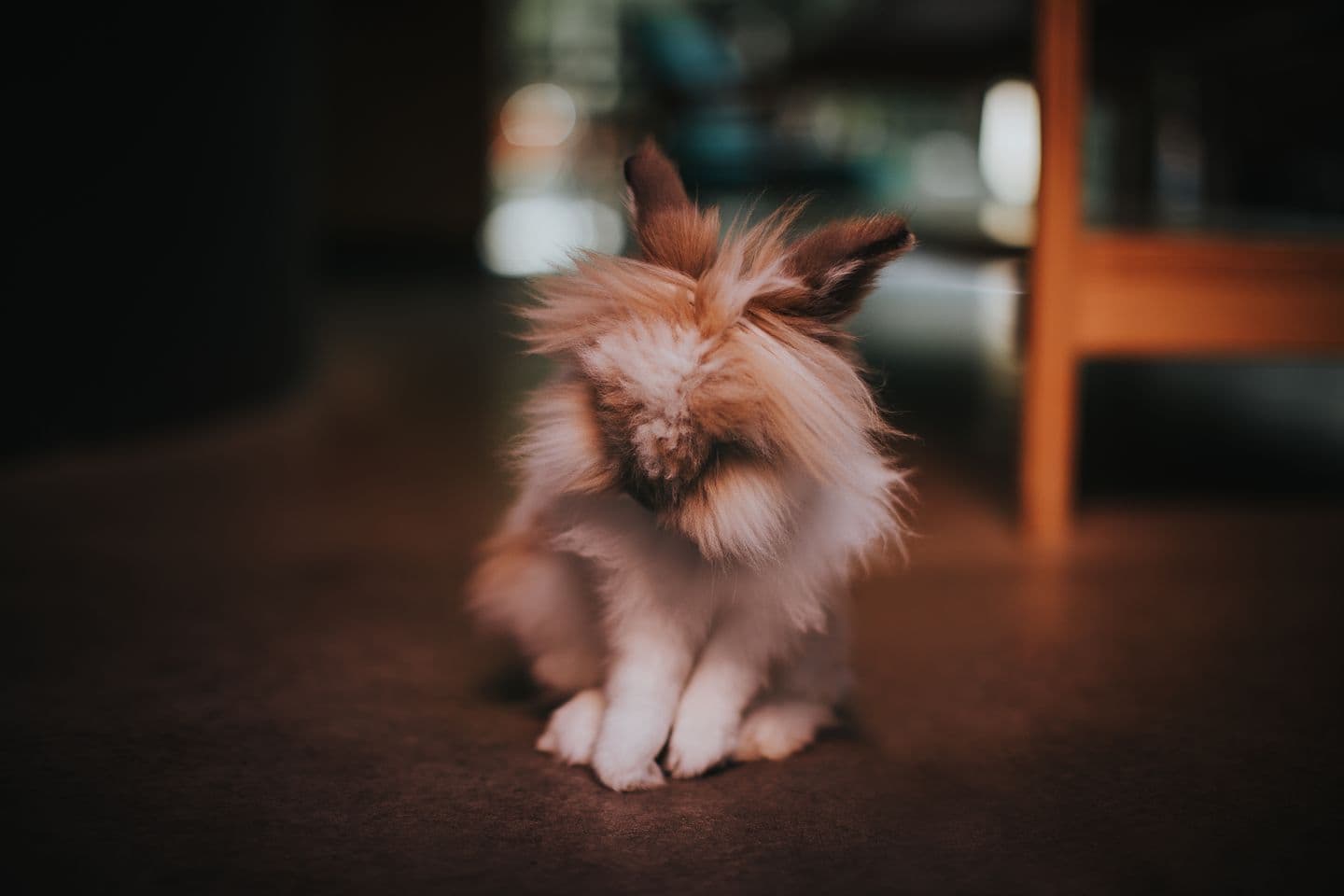
English Angoras are typically gentle and calm, a temperament that works in their favour given how much handling their coat requires.
3 min read