
Rabbits / Breeds
Tan Rabbit
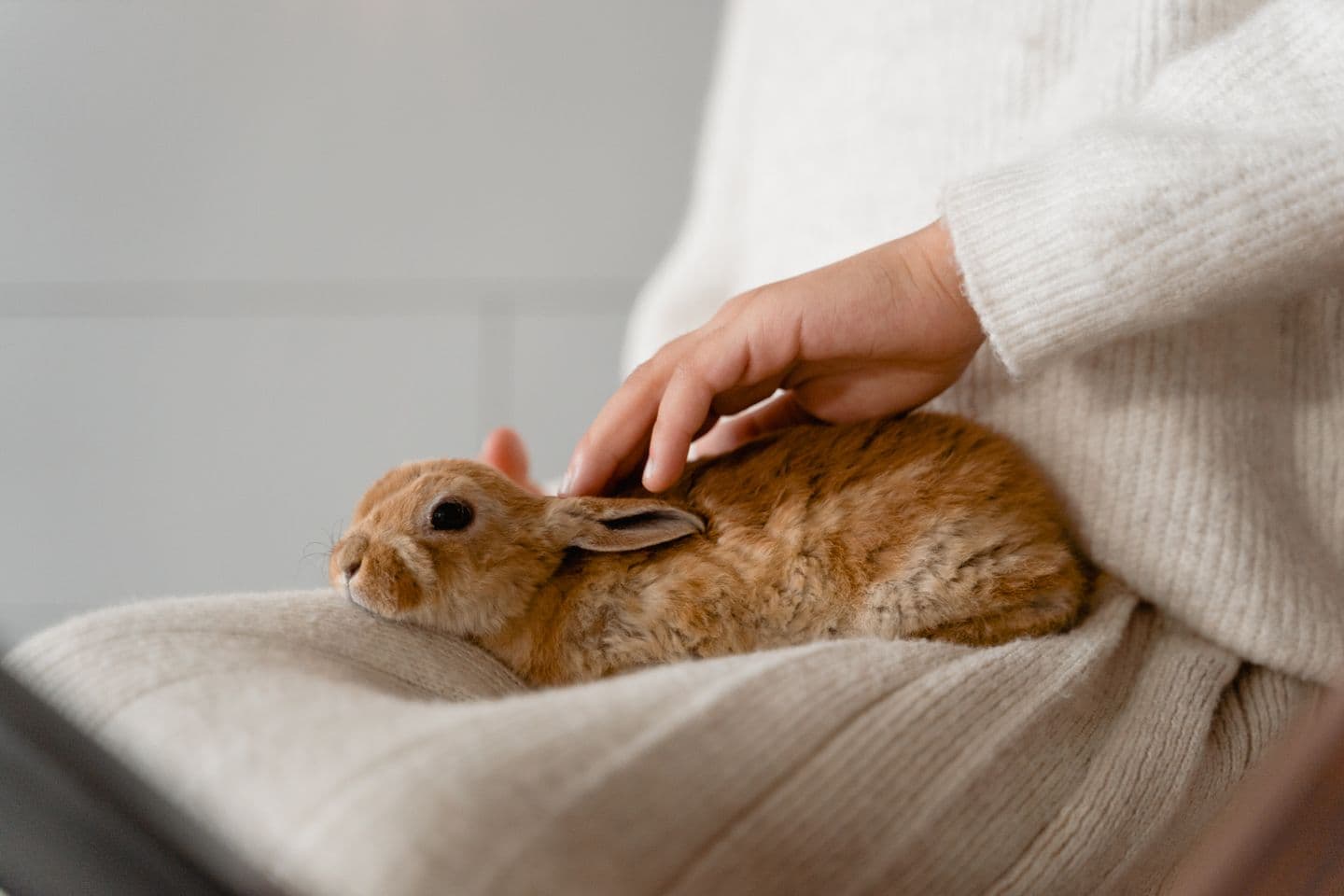
A sleek, athletic rabbit with a glossy dark coat and a bright tan underside, closer in spirit to a wild rabbit than most companion breeds.
2 min read
Rabbits / Getting Started
Rabbits are often picked up as a starter pet because they look easy to manage. A hutch, some carrots, done. That idea is responsible for a lot of unhappy rabbits. A pet rabbit is closer in complexity
Rabbits are often picked up as a starter pet because they look easy to manage. A hutch, some carrots, done. That idea is responsible for a lot of unhappy rabbits. A pet rabbit is closer in complexity to a cat or a small dog than to a goldfish. Get the basics right and rabbits reward you with a decade or more of company, curiosity and quiet affection.
A rabbit needs far more room than the small wire cages sold at most pet shops. Think in terms of a living space, not a box. The enclosure should be large enough for at least three hops in one direction, with a separate exercise area the rabbit can use every day, either a rabbit-proofed room or a supervised outdoor run.
Fresh hay, not pellets, should make up the bulk of a rabbit's diet. Timothy or local dried grass hay should be available at all times, since it keeps the digestive system moving and wears down teeth that never stop growing. Add a small daily portion of leafy greens such as coriander, mint or spinach, a measured serving of good quality pellets, and fresh water changed daily.
Rabbits are prey animals by instinct, so they hide illness until it becomes serious. Weigh your rabbit weekly, check that droppings look normal, and watch appetite closely, since a rabbit that stops eating for more than twelve hours needs a vet the same day. Find an exotics-friendly veterinarian before you need one, since not every clinic in India treats rabbits regularly.
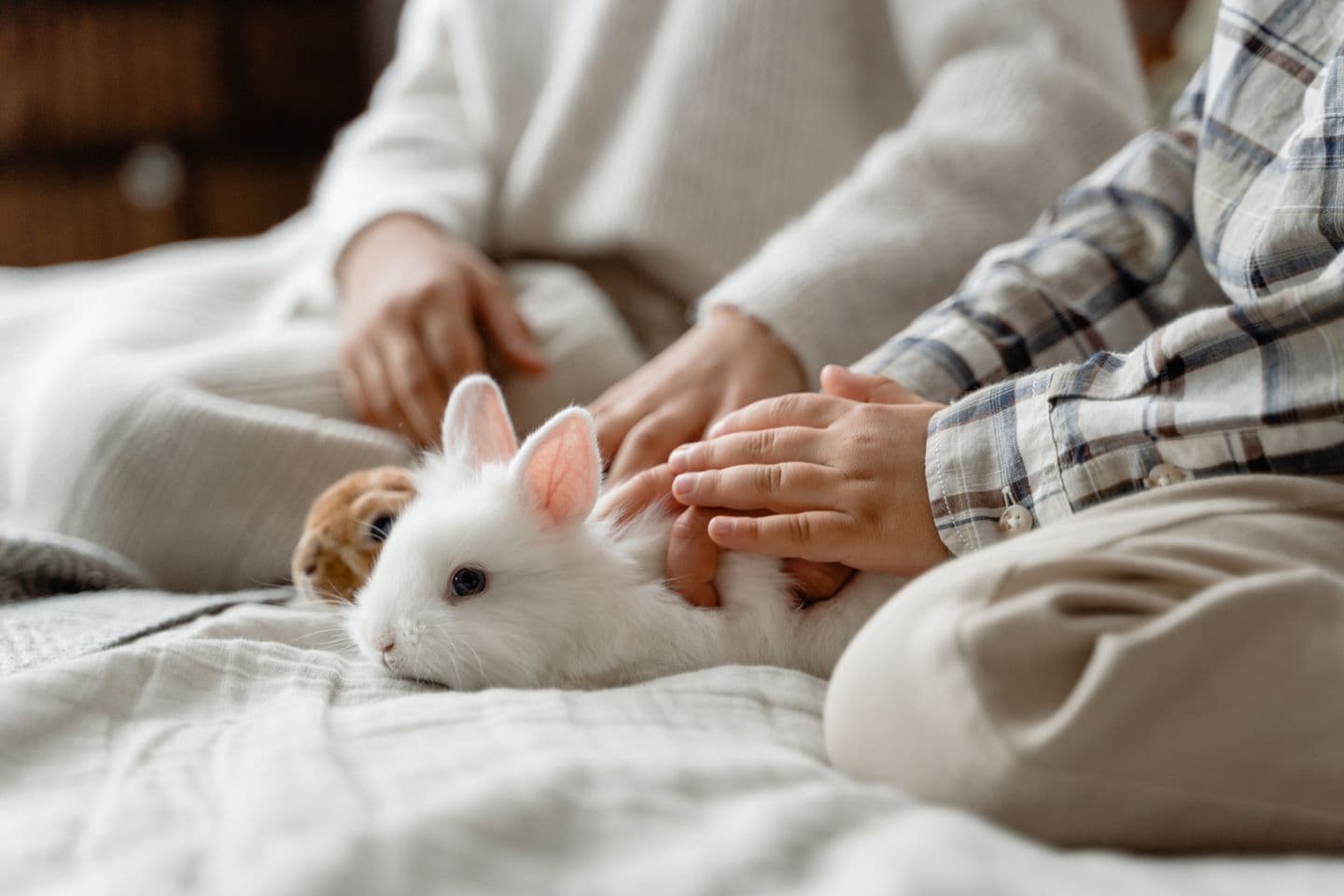
Handle rabbits gently, always supporting the hindquarters, since a startled kick can fracture their own spine. Most rabbits do not enjoy being picked up and cuddled the way dogs do. They show affection by staying close, nudging your hand, or flopping down beside you instead.
Rabbits are social animals and do best with company, whether that is a bonded rabbit companion or plenty of daily time with their human family. Boredom shows up as chewing, digging or general listlessness, so rotate toys, cardboard tunnels and safe branches to keep the mind occupied.
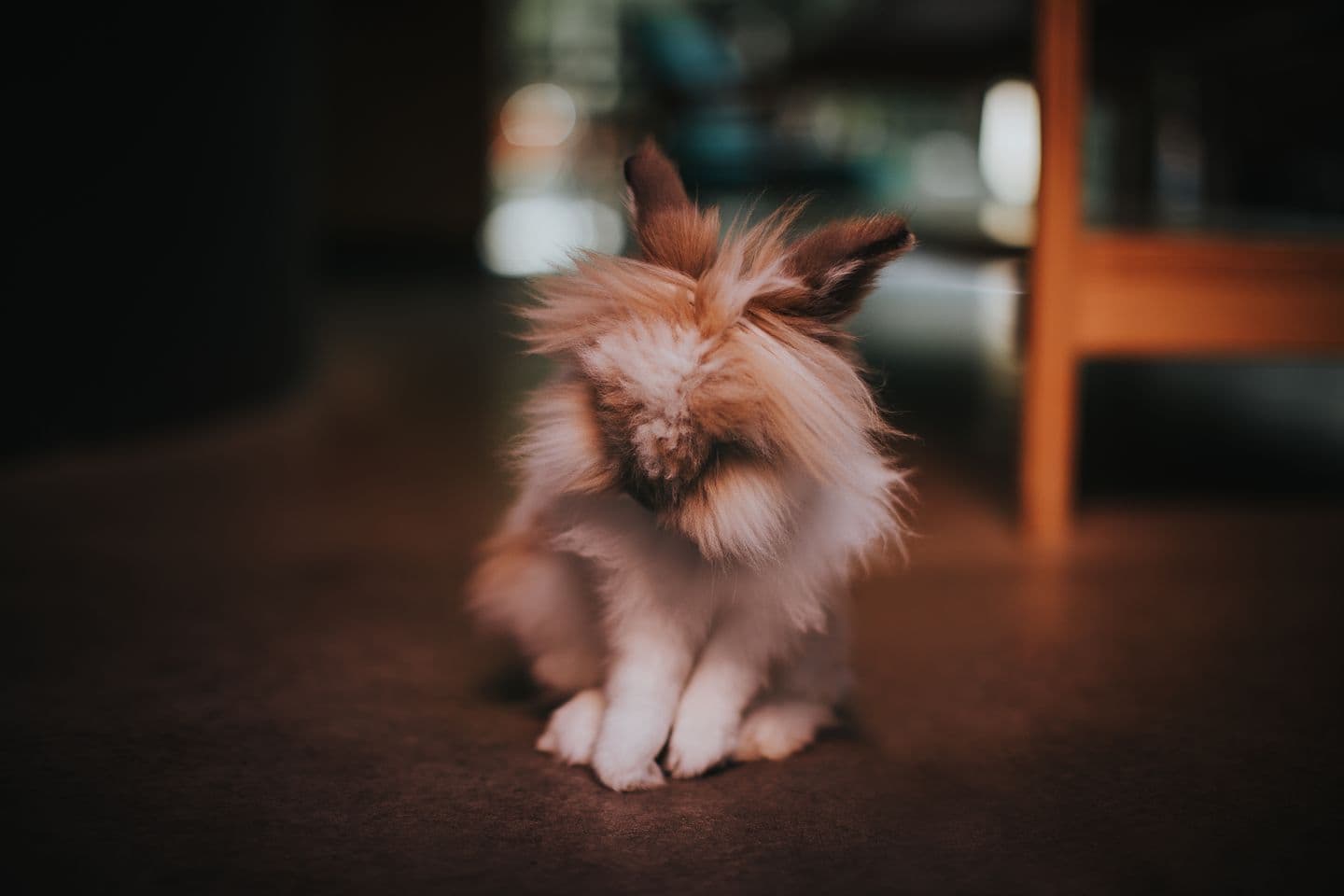
Short-haired rabbits need a light brush once or twice a week to remove loose fur, more often during a heavy shed, which happens roughly every three months. Long-haired breeds such as Angoras need daily brushing to prevent painful matting and wool block. While you groom, run a quick check over the nails, ears and the base of the tail, since these are the spots where problems like overgrown claws, ear mites or soiled fur first show up.
Book a check-up with a rabbit-experienced vet within the first week of bringing a rabbit home, even if it seems perfectly healthy. This visit establishes a baseline weight, lets the vet check teeth and gut sounds, and gives you a chance to discuss vaccination against myxomatosis and viral haemorrhagic disease where available, along with a spay or neuter timeline.
Article content © Ravi Teja. All rights reserved.
Rabbits / Breeds
A sleek, athletic rabbit with a glossy dark coat and a bright tan underside, closer in spirit to a wild rabbit than most companion breeds.
2 min read
Rabbits / Breeds
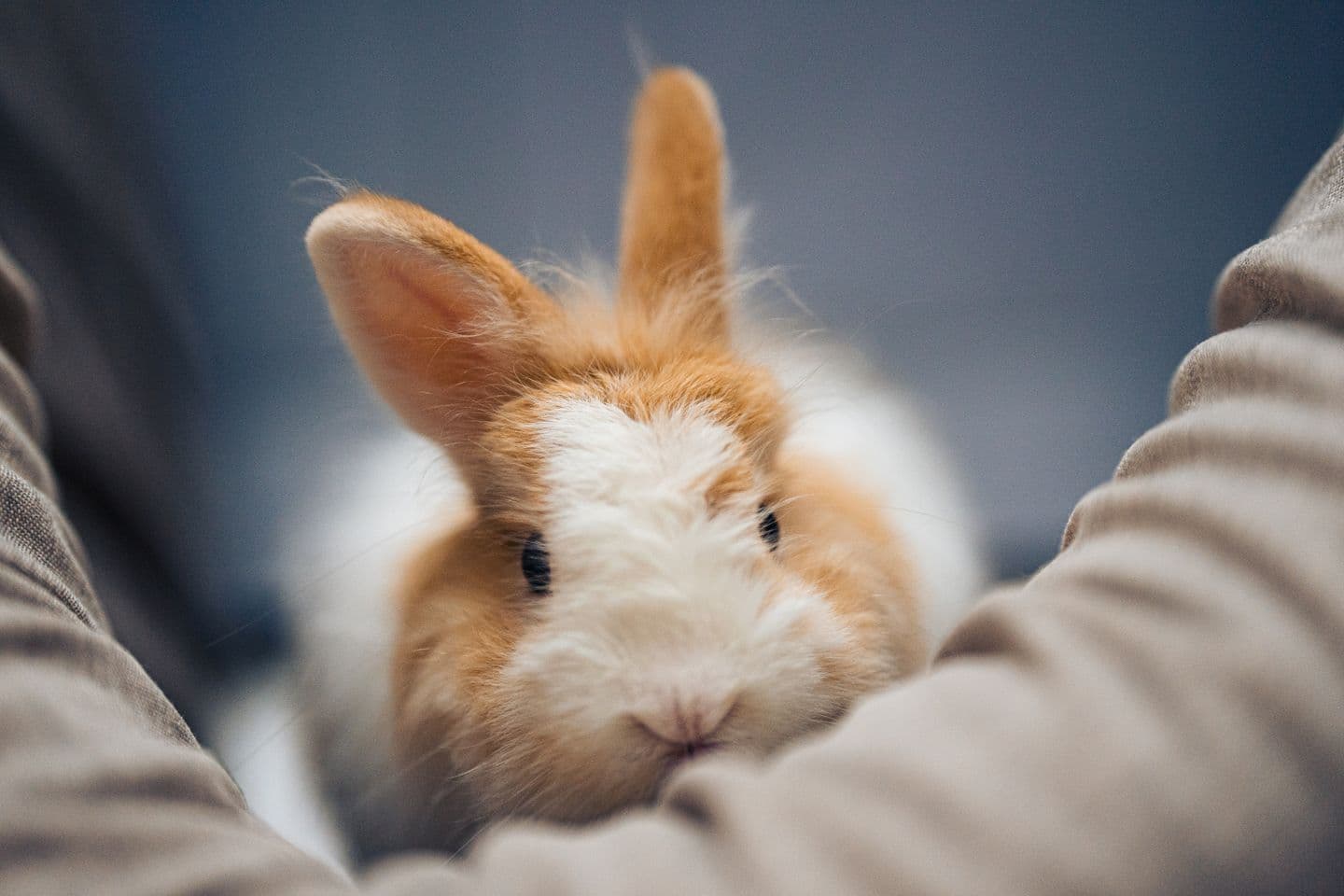
Florida Whites are generally docile, good natured, and relaxed once they have had time to build trust with their owner.
2 min read
Rabbits / Breeds
English Angoras are typically gentle and calm, a temperament that works in their favour given how much handling their coat requires.
3 min read