
Rabbits / Breeds
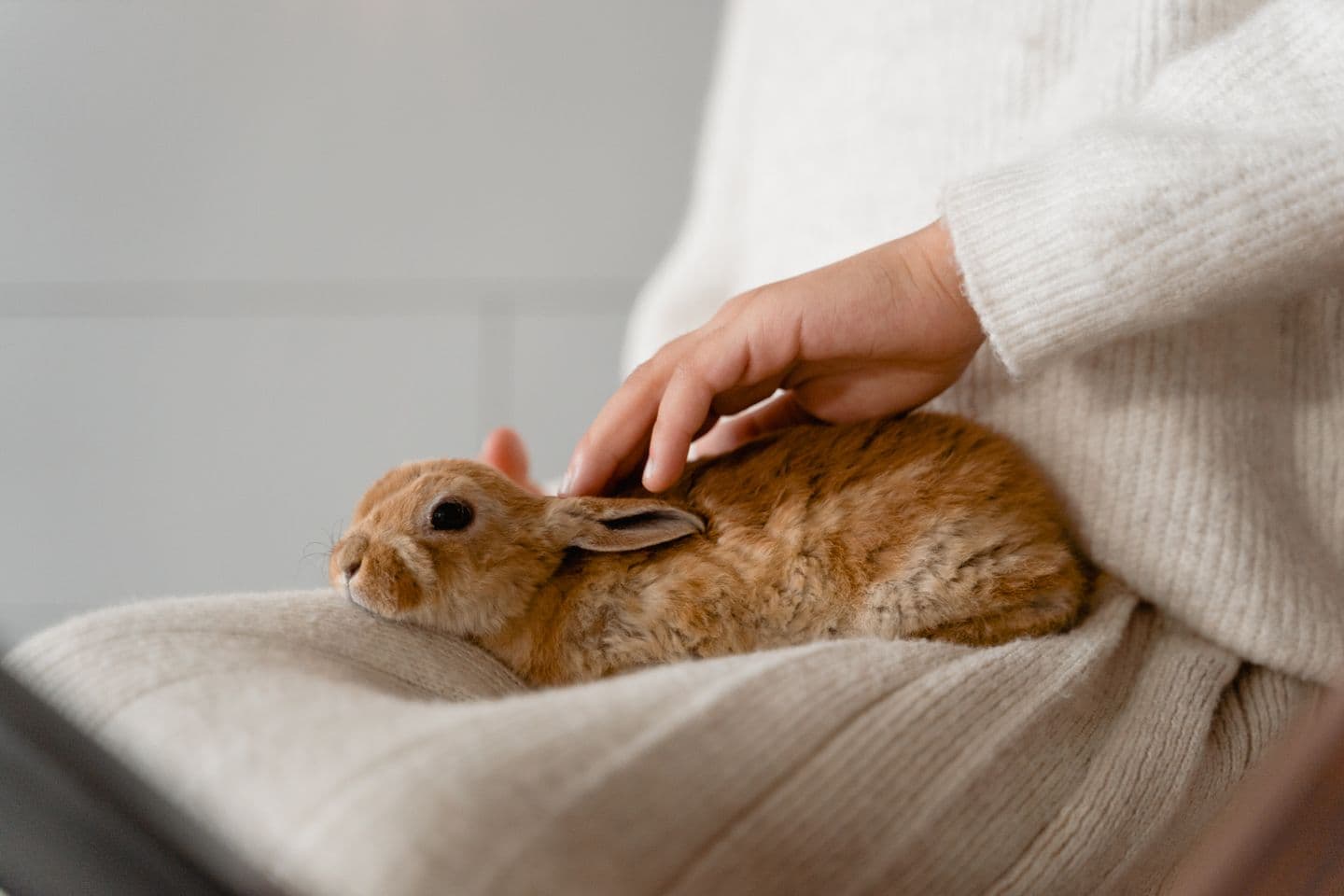
Tan Rabbit
A sleek, athletic rabbit with a glossy dark coat and a bright tan underside, closer in spirit to a wild rabbit than most companion breeds.
2 min read
Rabbits / Getting Started
Newborn kits are born hairless, blind and completely dependent on their mother's body heat. A kit that has become separated from the nest or the rest of the litter can chill dangerously fast, and know
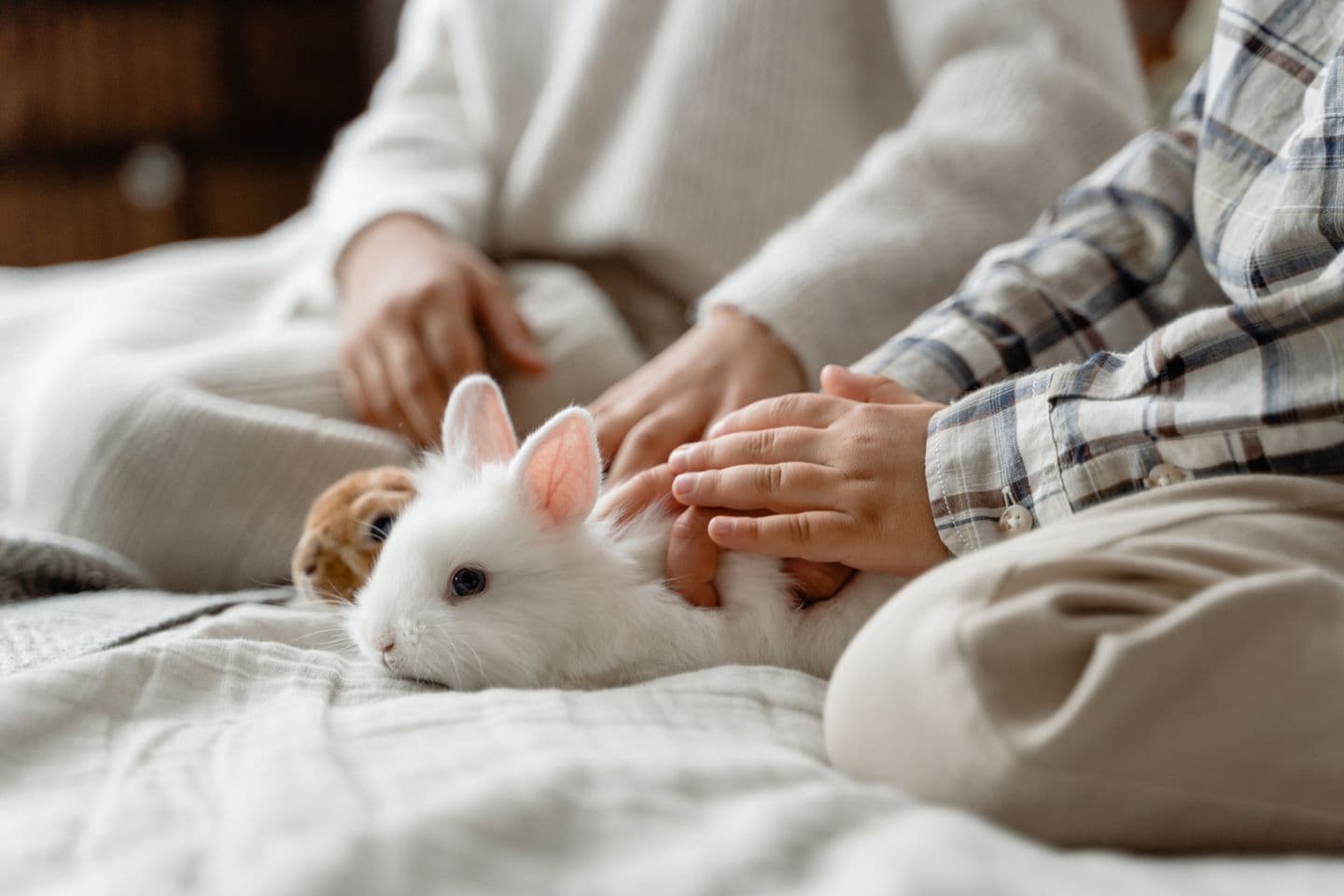
Newborn kits are born hairless, blind and completely dependent on their mother's body heat. A kit that has become separated from the nest or the rest of the litter can chill dangerously fast, and knowing how to respond in the first few minutes genuinely matters.
Unlike puppies or kittens, baby rabbits are born with no fur and cannot regulate their own body temperature at all in the earliest days. A kit that falls out of the nest, gets separated from its littermates, or is born to a first-time mother who has not built a proper nest can lose heat within minutes, especially in a cool room or during India's winter months in northern regions.
A cold kit feels noticeably cool to the touch, especially on the belly and paws, and may be unusually still, unresponsive, or limp compared to warm, wriggling littermates. A healthy, warm kit should feel snug and be at least a little active when handled.
Warm the kit slowly and completely before returning it to the nest. A kit that is only partly warmed can still chill again quickly, and a kit that feels cold to its littermates may be pushed away rather than accepted back.
Once fully warm and responsive, place the kit back in the centre of the nest among its littermates, where shared body heat helps maintain warmth. Check the nest daily for any kit that has wandered out, since this can happen repeatedly with a large litter.
If a kit does not respond to warming within a reasonable time, appears severely weak, or if multiple kits in a litter are chilling repeatedly, this points to a bigger problem, possibly with the mother's nesting or milk supply, and is worth a call to a vet experienced with rabbits.
Article content © Ravi Teja. All rights reserved.
Rabbits / Breeds
A sleek, athletic rabbit with a glossy dark coat and a bright tan underside, closer in spirit to a wild rabbit than most companion breeds.
2 min read
Rabbits / Breeds
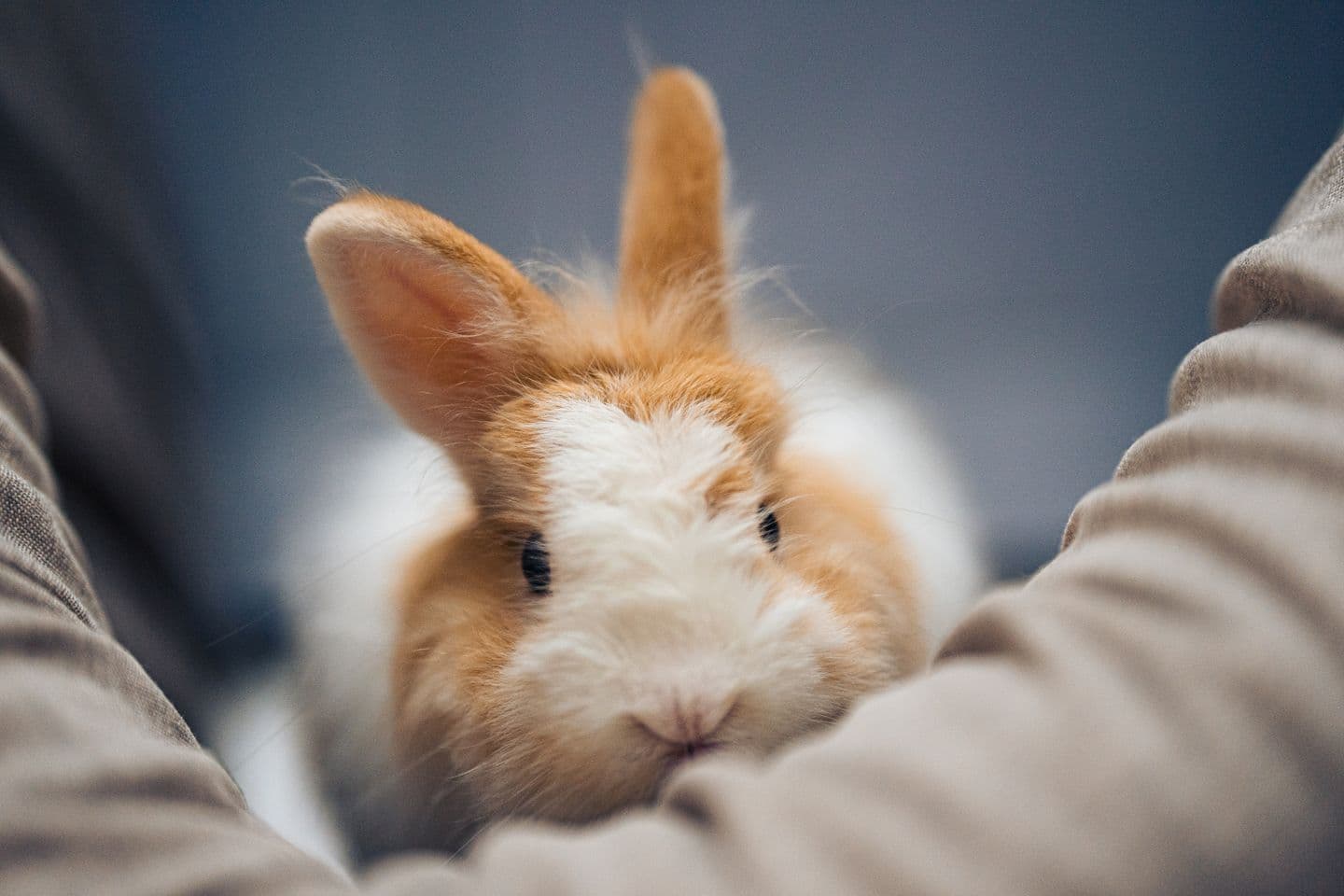
Florida Whites are generally docile, good natured, and relaxed once they have had time to build trust with their owner.
2 min read
Rabbits / Breeds
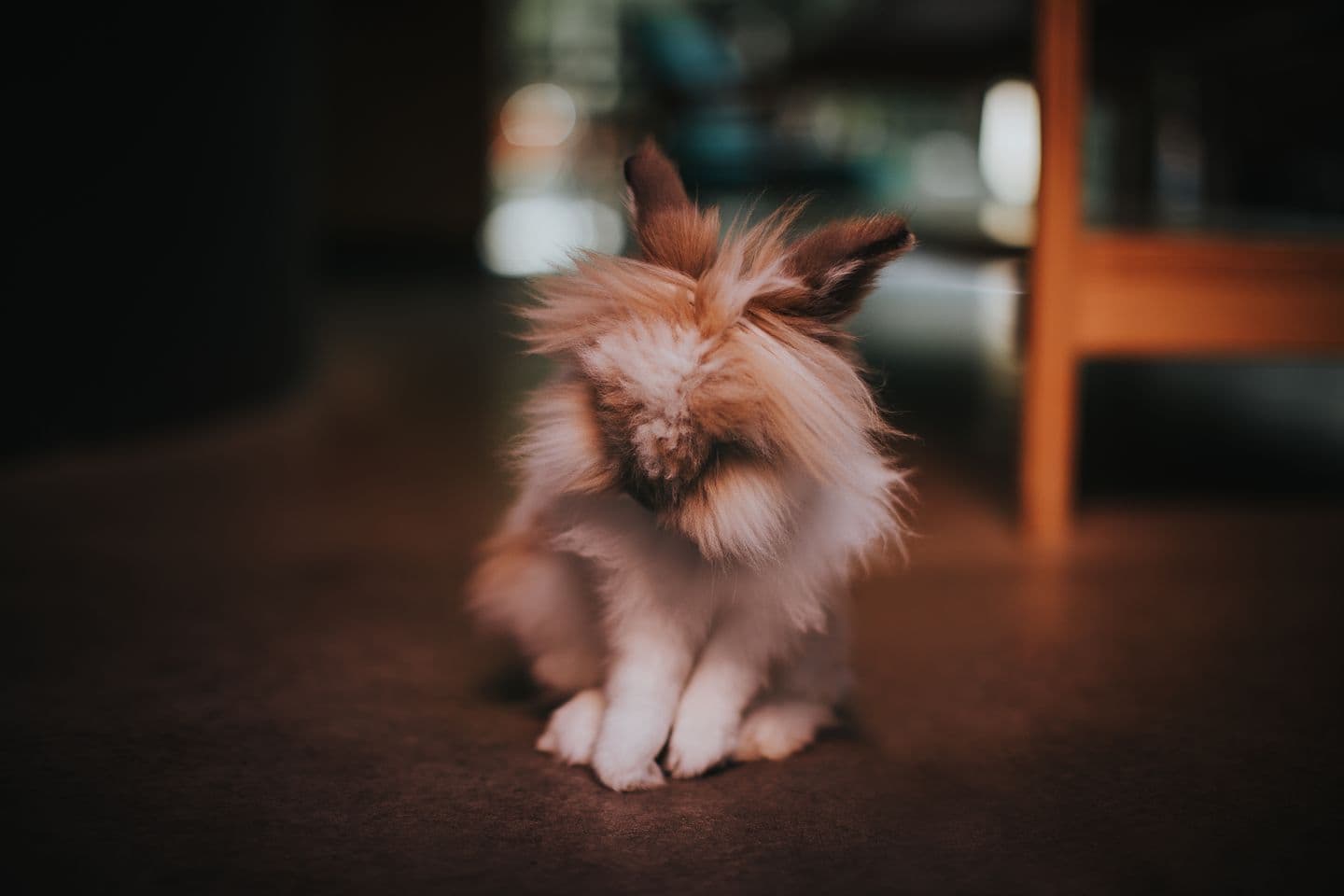
English Angoras are typically gentle and calm, a temperament that works in their favour given how much handling their coat requires.
3 min read