
Rabbits / Breeds
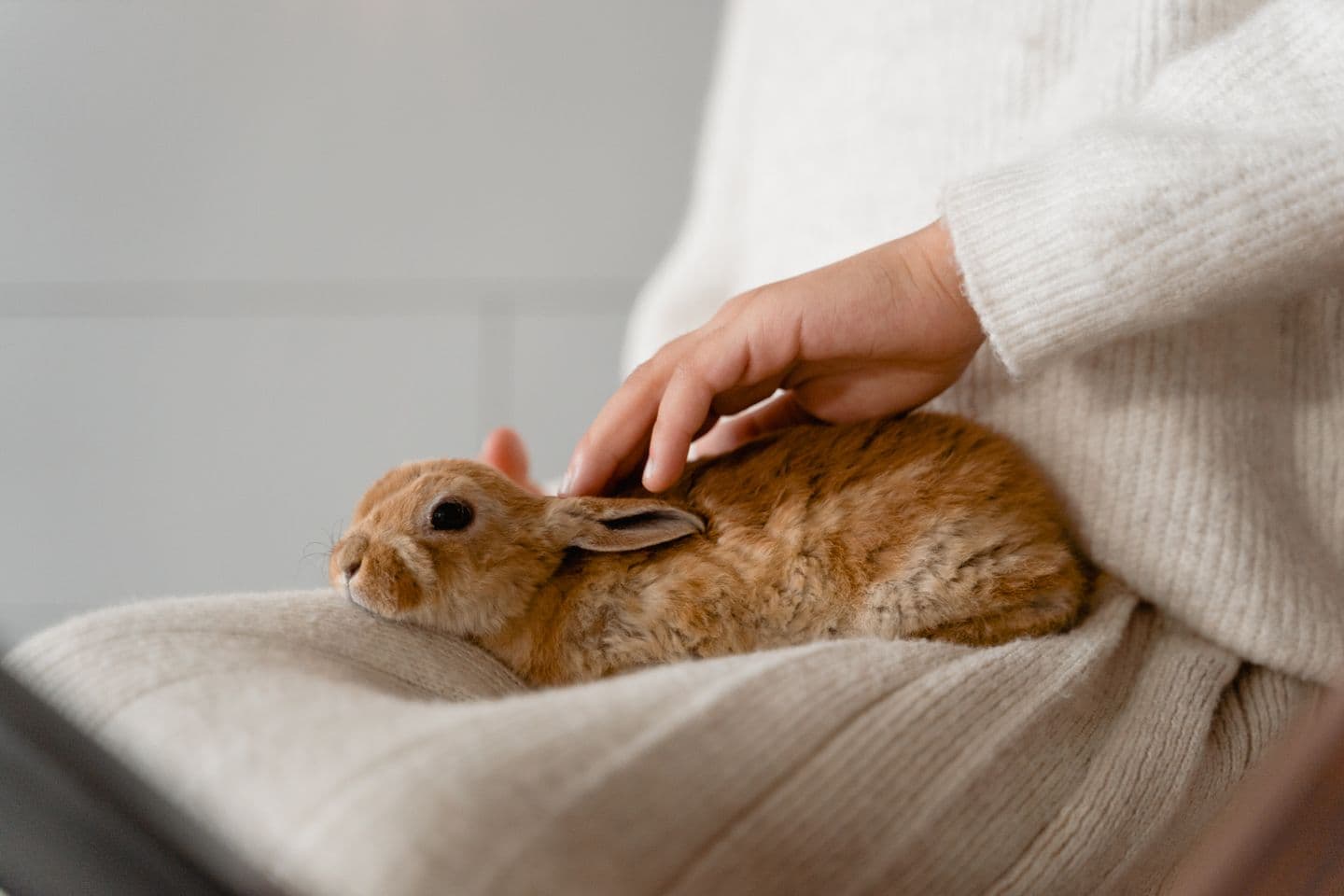
Tan Rabbit
A sleek, athletic rabbit with a glossy dark coat and a bright tan underside, closer in spirit to a wild rabbit than most companion breeds.
2 min read
Rabbits / Getting Started
Few things in rabbit care deserve faster action than a sudden loss of appetite. A rabbit's digestive system depends on constant movement, and once eating stops, a chain of problems can begin within ho
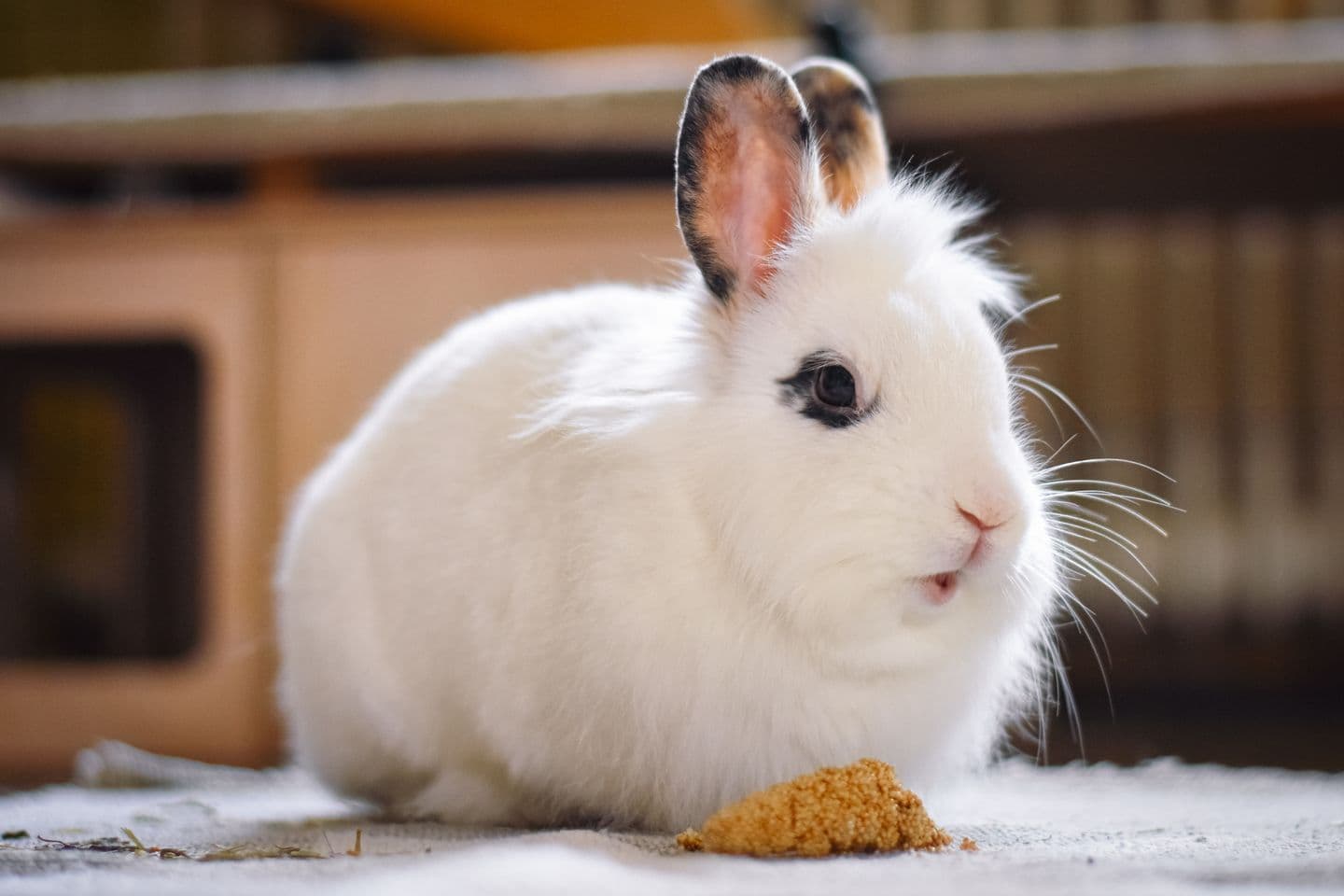
Few things in rabbit care deserve faster action than a sudden loss of appetite. A rabbit's digestive system depends on constant movement, and once eating stops, a chain of problems can begin within hours rather than days.
A rabbit that has not eaten or produced droppings for eight to twelve hours is at risk of gastrointestinal stasis, a slowdown or complete stop of the gut that can become life-threatening quickly. This holds true regardless of the time of day, and a genuine appetite loss is never a wait-until-morning situation.
Contact a rabbit-savvy vet the same day, without waiting to see if the rabbit improves on its own. While arranging this, offer fresh hay, favourite herbs like coriander or mint, and fresh water, since a rabbit that takes even a small amount voluntarily is a better sign than one that refuses everything.
A vet may recommend syringe feeding a recovery formula to keep the gut moving while the underlying cause is treated. This is a genuine skill worth learning from a vet in advance, since incorrect technique risks the rabbit inhaling liquid into its lungs. Syringe feeding supports veterinary treatment; it does not substitute for it, and should only be started on a vet's guidance, particularly if a blockage rather than simple stasis is suspected.
A diet built around unlimited hay, routine dental checks, a stable low-stress environment, and prompt attention to any earlier warning sign of illness all reduce how often this emergency comes up in the first place.
Article content © Ravi Teja. All rights reserved.
Rabbits / Breeds
A sleek, athletic rabbit with a glossy dark coat and a bright tan underside, closer in spirit to a wild rabbit than most companion breeds.
2 min read
Rabbits / Breeds
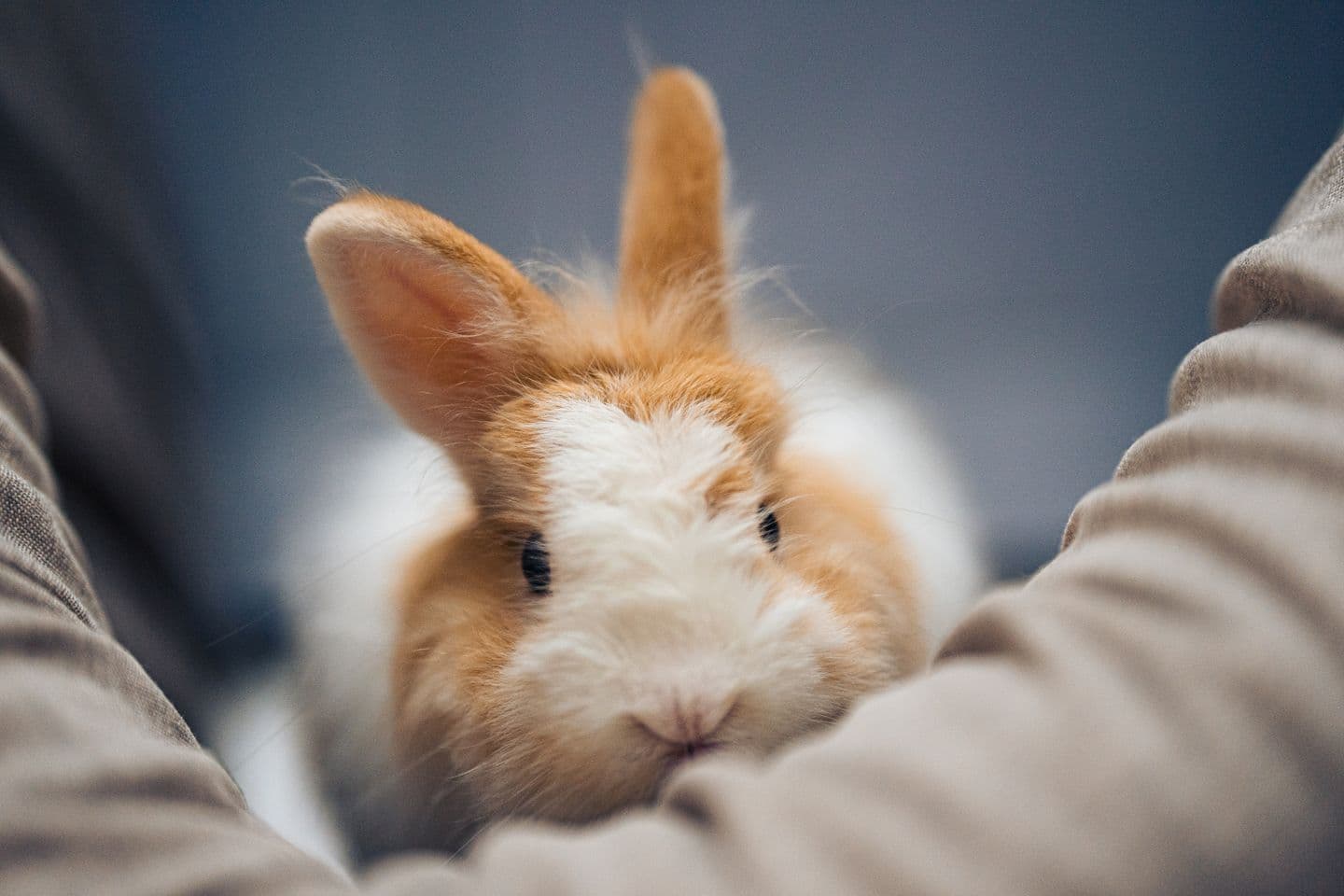
Florida Whites are generally docile, good natured, and relaxed once they have had time to build trust with their owner.
2 min read
Rabbits / Breeds
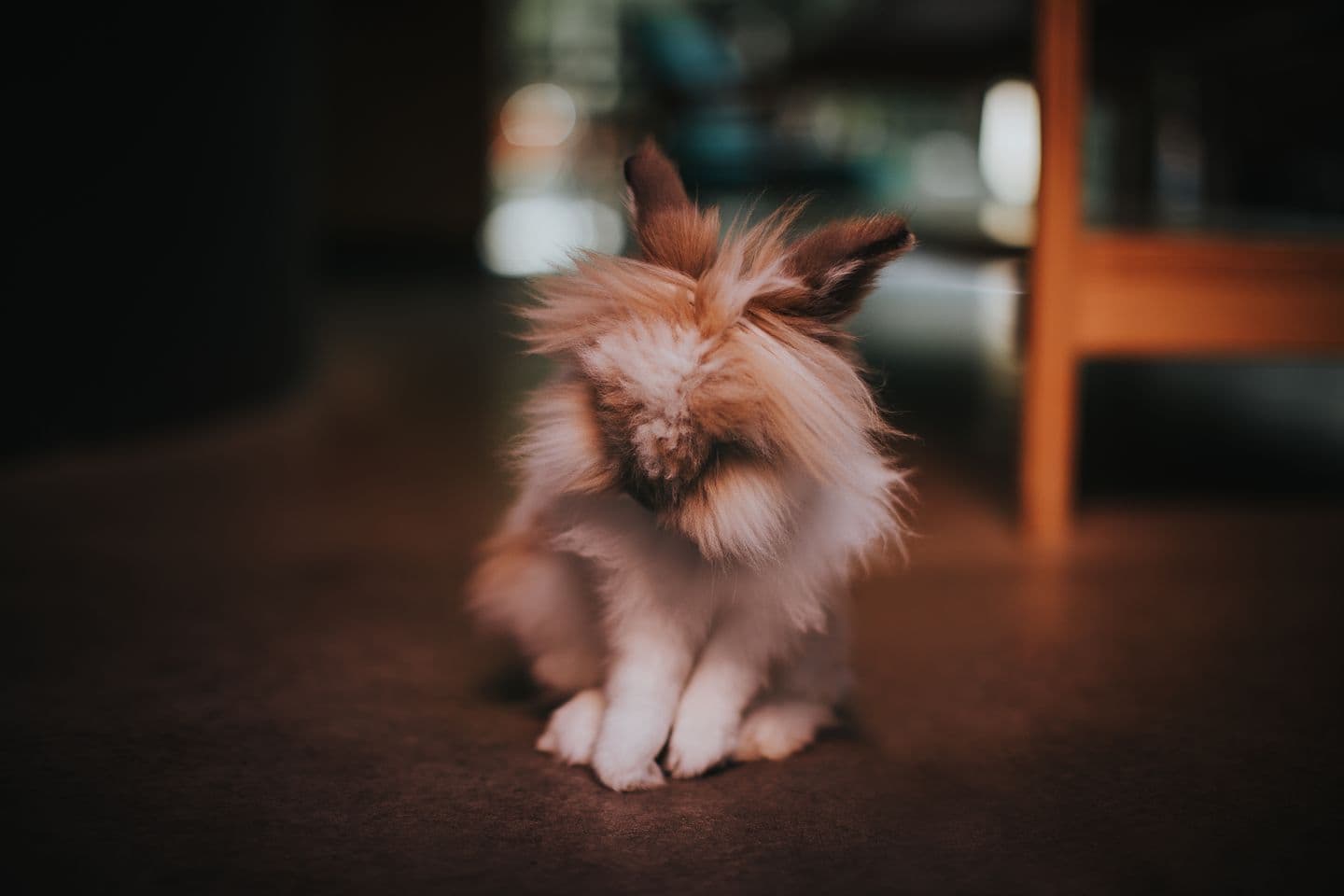
English Angoras are typically gentle and calm, a temperament that works in their favour given how much handling their coat requires.
3 min read