
Rabbits / Breeds
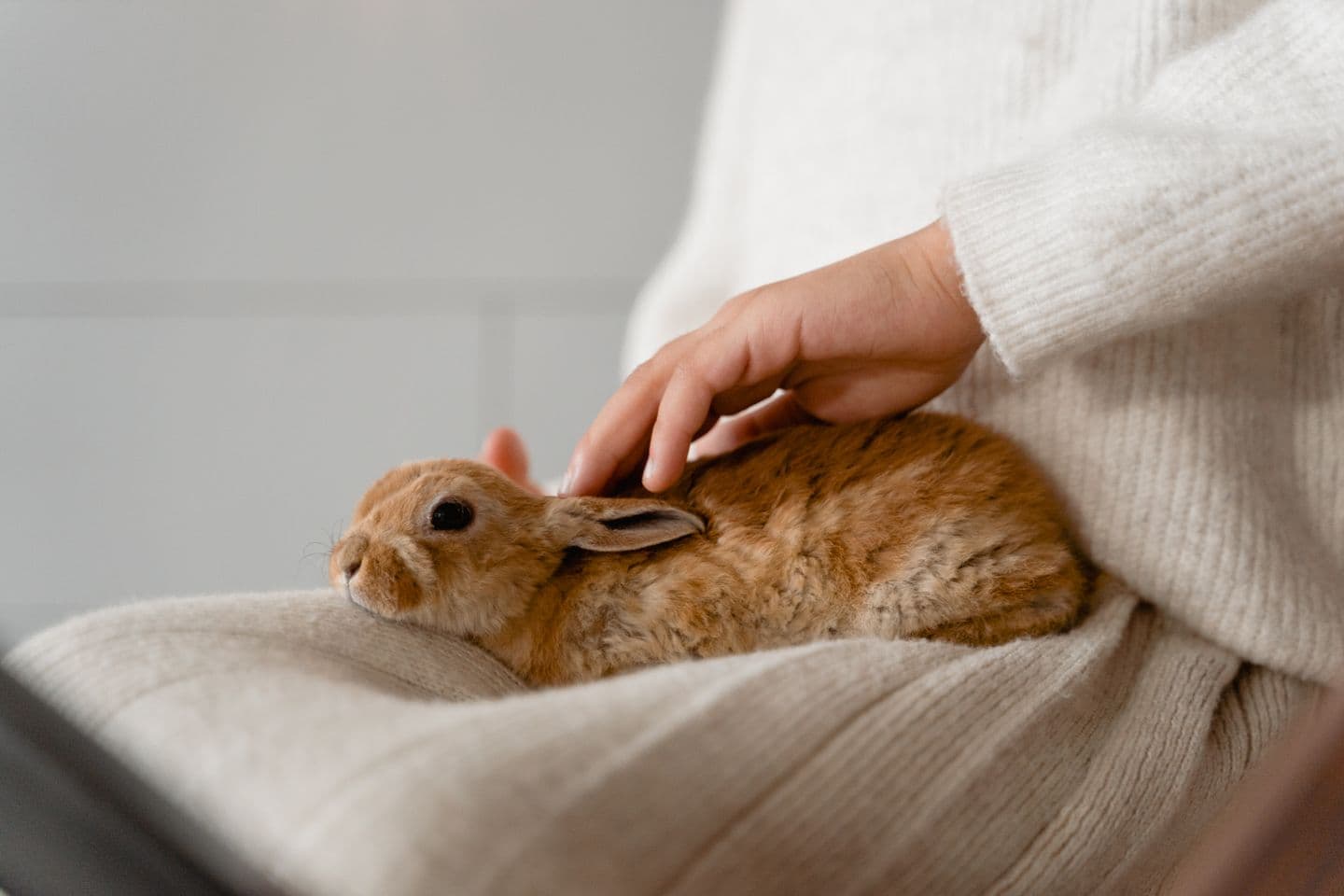
Tan Rabbit
A sleek, athletic rabbit with a glossy dark coat and a bright tan underside, closer in spirit to a wild rabbit than most companion breeds.
2 min read
Rabbits / Getting Started
A rabbit sitting quietly in a corner may appear perfectly content. However, silence and inactivity do not necessarily indicate happiness. Rabbits are naturally social animals, and companionship is an
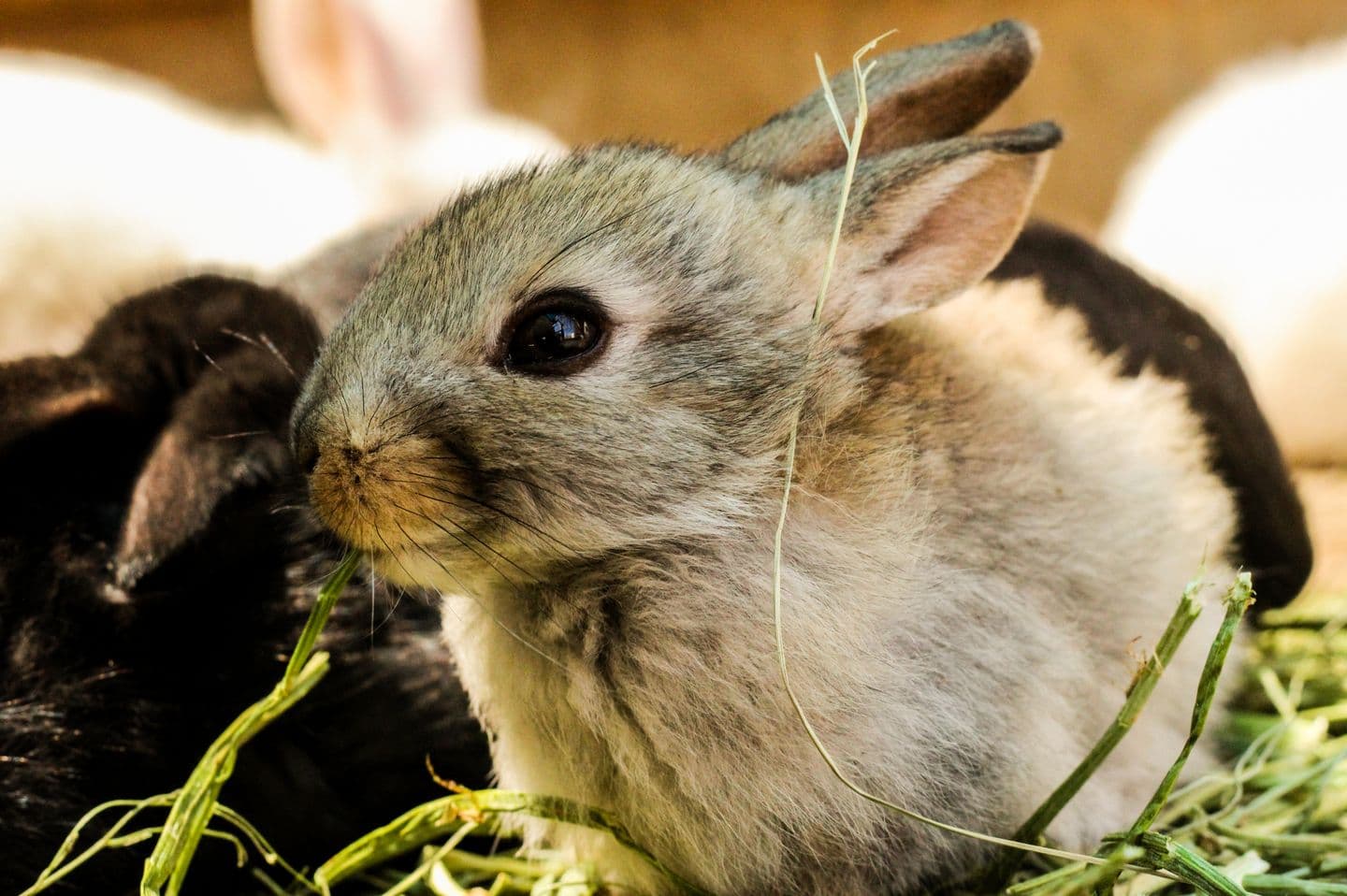
A rabbit sitting quietly in a corner may appear perfectly content. However, silence and inactivity do not necessarily indicate happiness. Rabbits are naturally social animals, and companionship is an important part of their psychological well-being. Although they can develop close relationships with humans, human attention does not necessarily replace the companionship of another rabbit.
In the wild, rabbits live in social groups and establish relationships with other members of their community. These relationships involve communication, mutual grooming, shared resting spaces and coordinated behaviour. Domestic rabbits retain many of these social instincts.
Two compatible rabbits may spend considerable time resting together, grooming each other and exploring their surroundings.
A rabbit kept alone for extended periods, particularly in a restrictive environment, may experience boredom, frustration and poor psychological welfare.
These behaviours are not necessarily proof of loneliness. Pain, illness and environmental problems can produce similar signs and should be investigated.
The solution is not simply to place two unfamiliar rabbits in the same cage. Rabbits can be territorial, and poorly managed introductions may result in serious fights and injuries.
A neutered male and a neutered female are often a suitable combination, although compatibility depends on the individual animals.
The recommendation to keep rabbits with compatible companions is strong, but it is not an absolute rule for every individual. A rabbit may need temporary separation during treatment or recovery. In some circumstances, a veterinarian or qualified rabbit behaviourist may advise individual housing. If a rabbit has to live alone, it needs regular human interaction, enrichment and opportunities for exercise. Owners should periodically reassess whether suitable rabbit companionship is possible.
Choosing a rabbit should involve thinking about its social life, not merely its feeding and housing requirements. A rabbit should not be expected to spend years alone simply because its owner prefers having one pet.
When we bring a social animal into our homes, we also accept responsibility for its social well-being. A good rabbit home provides more than food and shelter. It provides relationships, stimulation and the opportunity to express natural behaviour.
Article content © S Vejay Anand. All rights reserved.
Rabbits / Breeds
A sleek, athletic rabbit with a glossy dark coat and a bright tan underside, closer in spirit to a wild rabbit than most companion breeds.
2 min read
Rabbits / Breeds
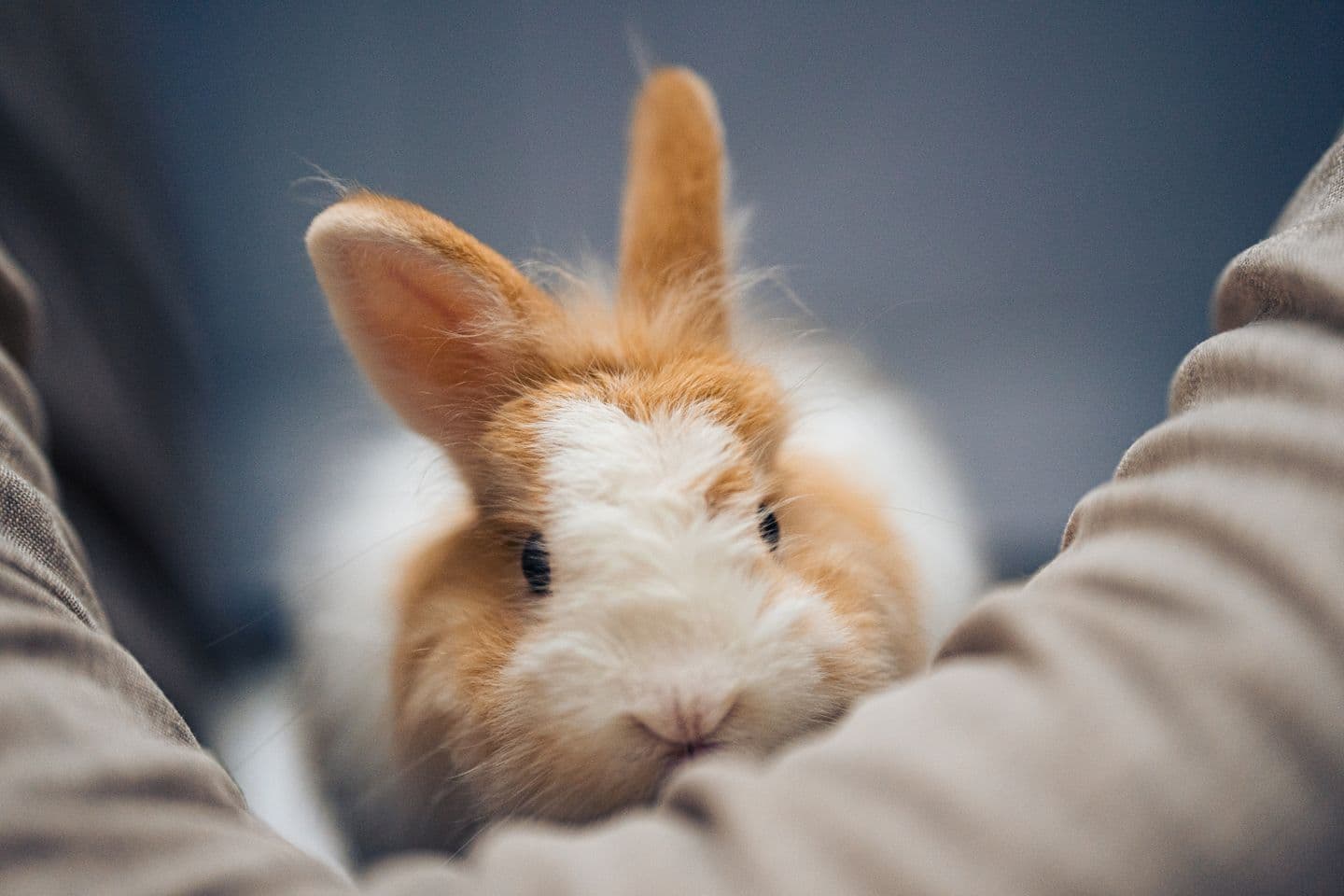
Florida Whites are generally docile, good natured, and relaxed once they have had time to build trust with their owner.
2 min read
Rabbits / Breeds
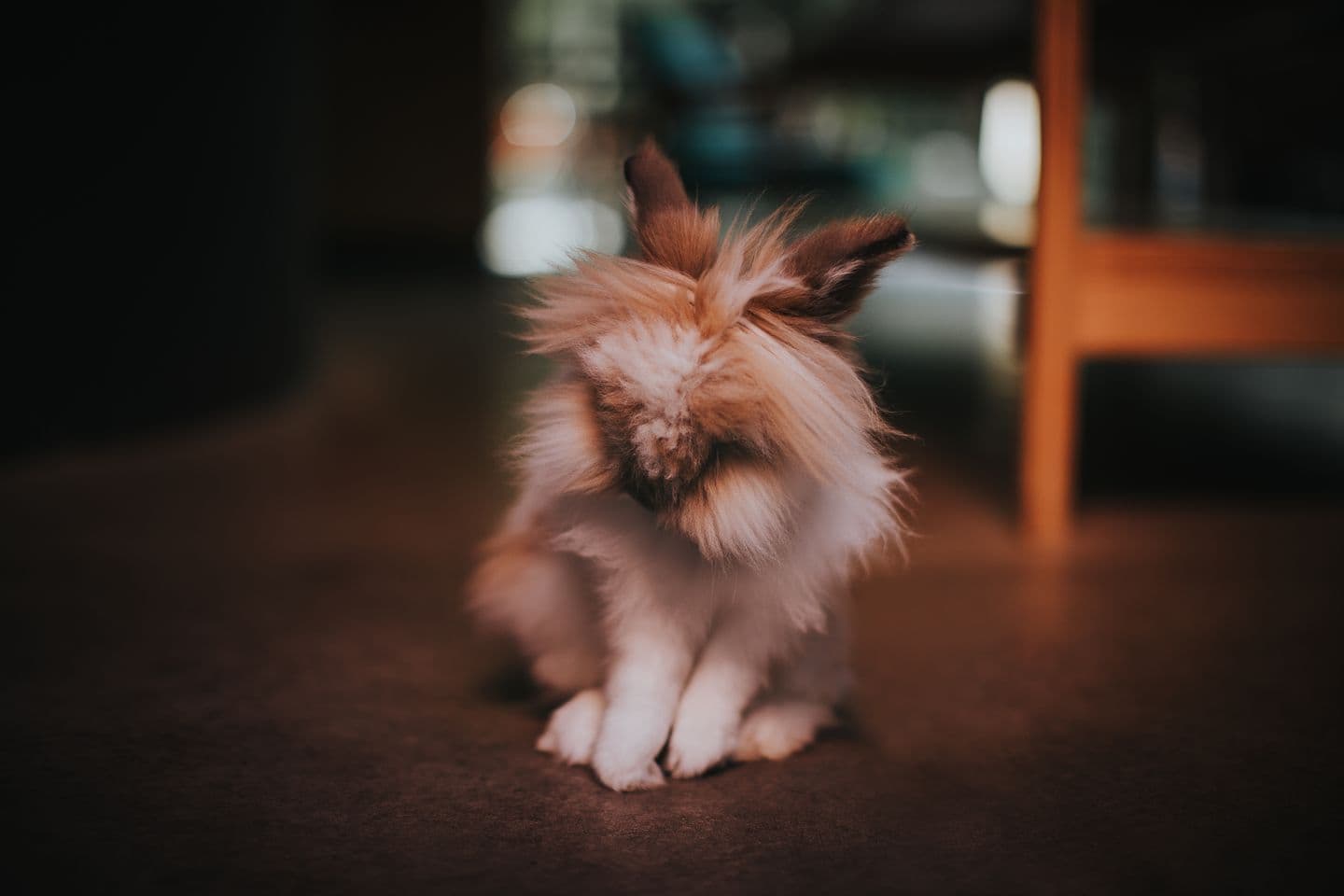
English Angoras are typically gentle and calm, a temperament that works in their favour given how much handling their coat requires.
3 min read