
Rabbits / Breeds
Tan Rabbit
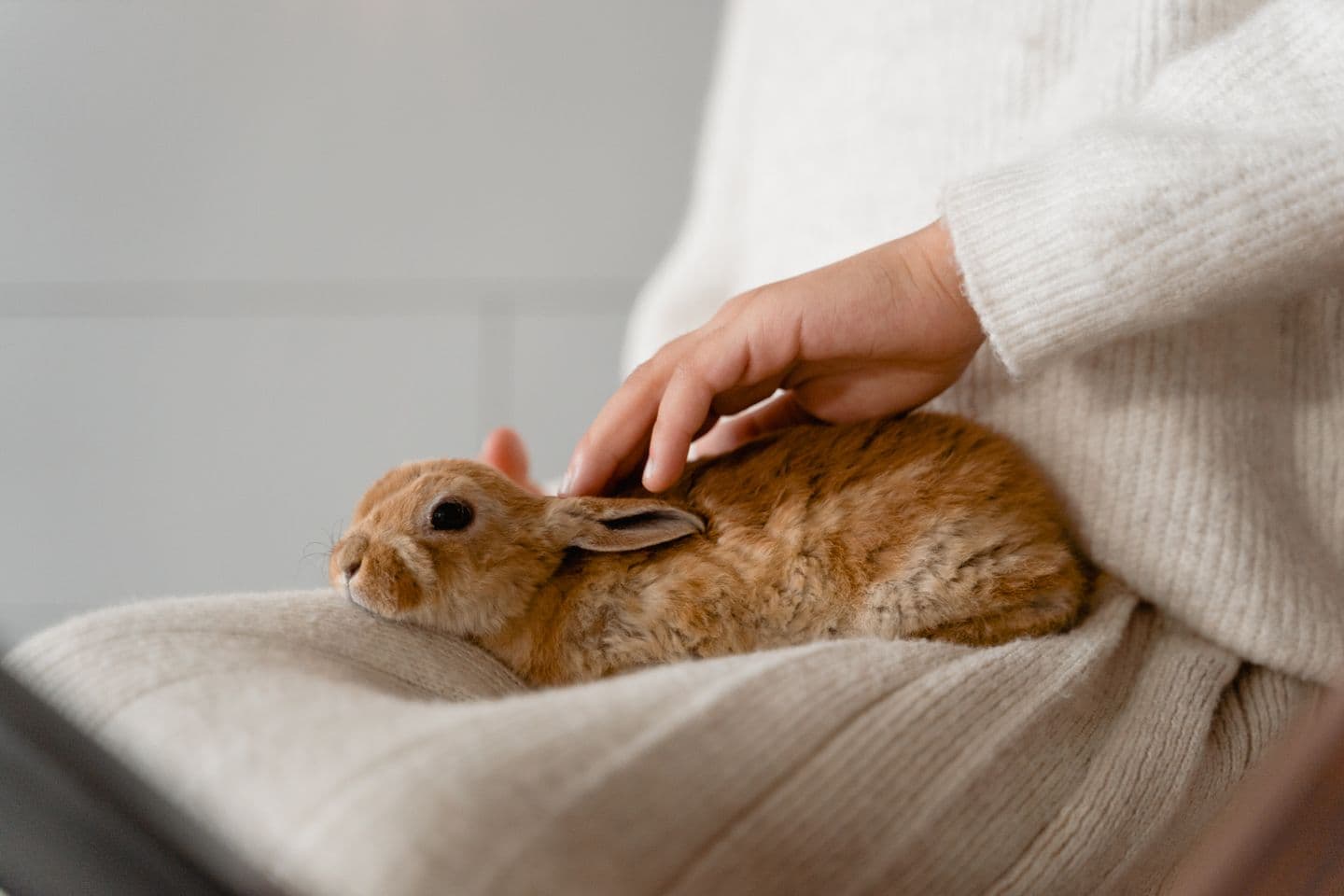
A sleek, athletic rabbit with a glossy dark coat and a bright tan underside, closer in spirit to a wild rabbit than most companion breeds.
2 min read
Rabbits / Health
Rabbits are famously fast breeders, and an unplanned litter is one of the more common ways Indian owners find themselves suddenly caring for a pregnant doe. Recognising the signs early makes a real di
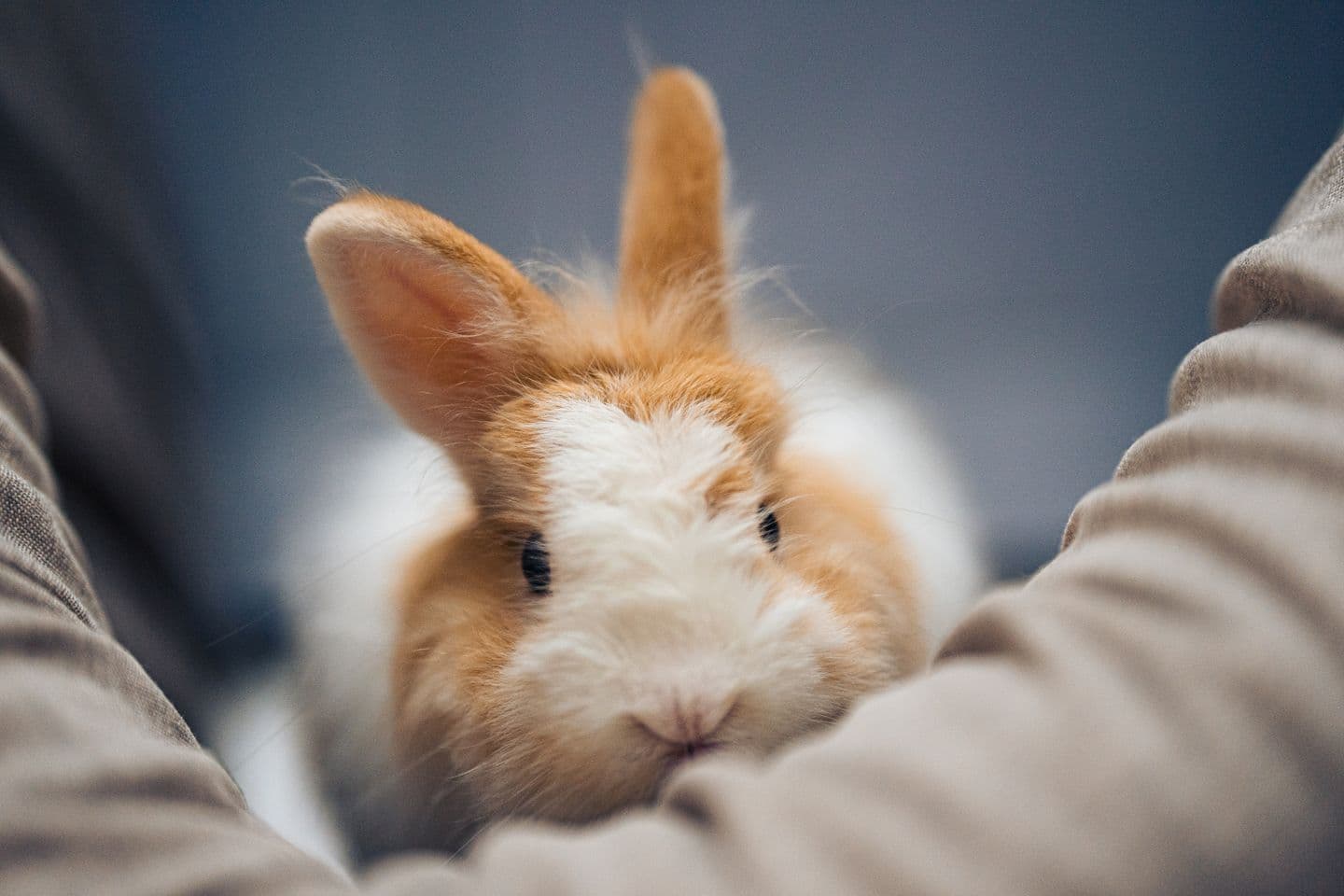
Rabbits are famously fast breeders, and an unplanned litter is one of the more common ways Indian owners find themselves suddenly caring for a pregnant doe. Recognising the signs early makes a real difference to how smoothly the whole process goes.
Rabbits reach sexual maturity young, as early as three to four months in smaller breeds, and does can conceive again within hours of giving birth. Keeping an unspayed female and an unneutered male together, even briefly, is essentially a guarantee of a litter unless the pair is separated well before maturity.
Rabbit pregnancies last roughly 28 to 33 days, which is remarkably short compared to most pets. A litter usually contains anywhere from four to twelve kits, though this varies by breed and individual.
A few days before giving birth, a doe will begin nesting, gathering hay or bedding into a corner and pulling fur from her own chest and belly to line the nest. This fur-pulling is one of the clearest signs that birth, called kindling, is imminent, usually within 48 hours. Provide a nest box with soft bedding, keep her environment quiet and undisturbed, and avoid unnecessary handling in this final stretch.
Kindling itself is usually quick, often over within half an hour, and typically happens at night or in the early morning when the doe feels safest. She may eat the placenta afterward, which is normal. Avoid disturbing the nest for the first day or two beyond a brief, gentle check that the kits look warm and fed, since excessive handling can stress the mother. If you see prolonged straining, bleeding, or the doe seems distressed or unwell after birth, contact a vet promptly.
Once the litter is weaned, spaying the mother and separating any male kits from female littermates by around ten to twelve weeks, before they reach sexual maturity themselves, prevents the cycle repeating. This is also the point to start thinking seriously about spaying or neutering all the rabbits involved.
Article content © Ravi Teja. All rights reserved.
Rabbits / Breeds
A sleek, athletic rabbit with a glossy dark coat and a bright tan underside, closer in spirit to a wild rabbit than most companion breeds.
2 min read
Rabbits / Breeds
Florida Whites are generally docile, good natured, and relaxed once they have had time to build trust with their owner.
2 min read
Rabbits / Breeds
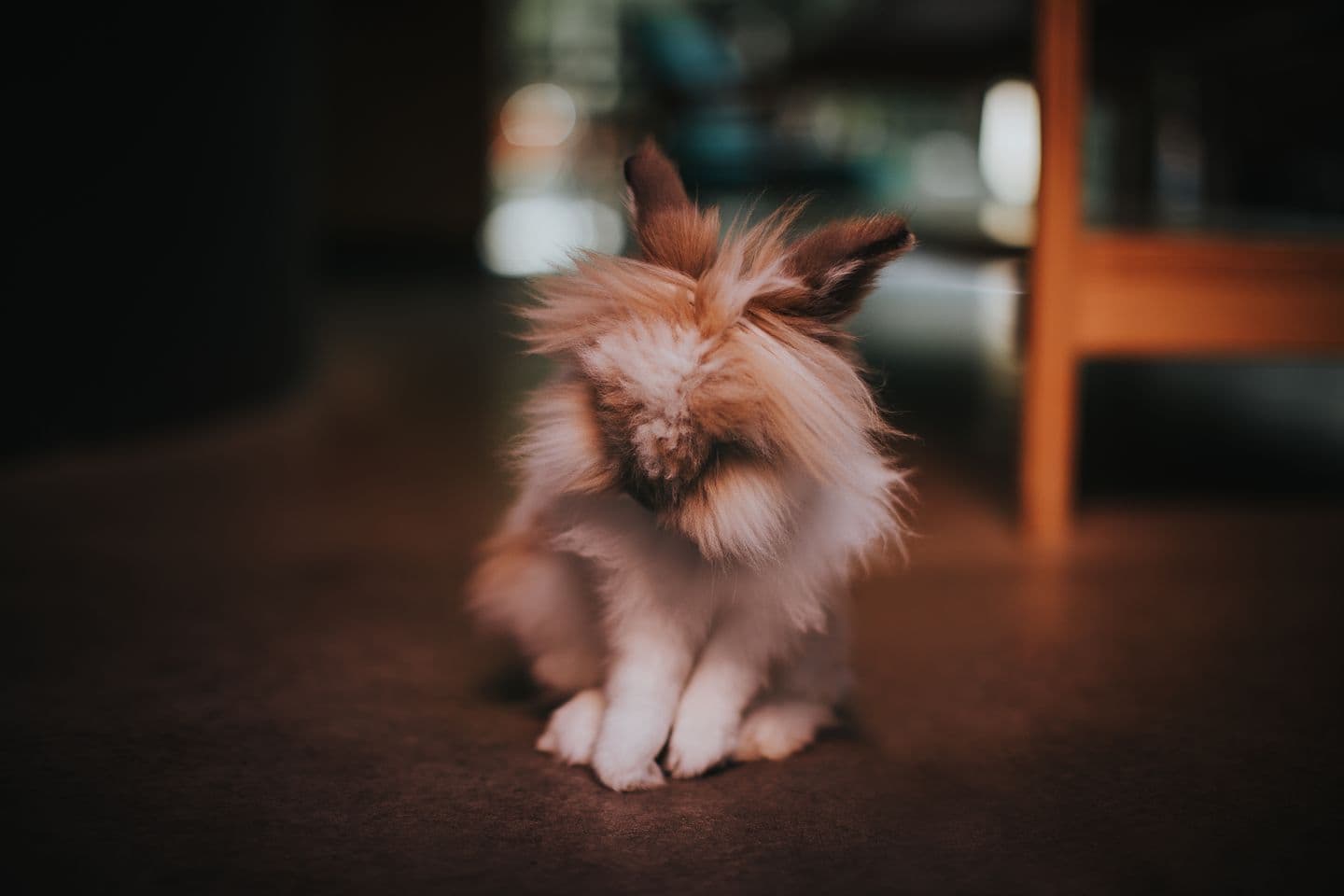
English Angoras are typically gentle and calm, a temperament that works in their favour given how much handling their coat requires.
3 min read