
Rabbits / Breeds
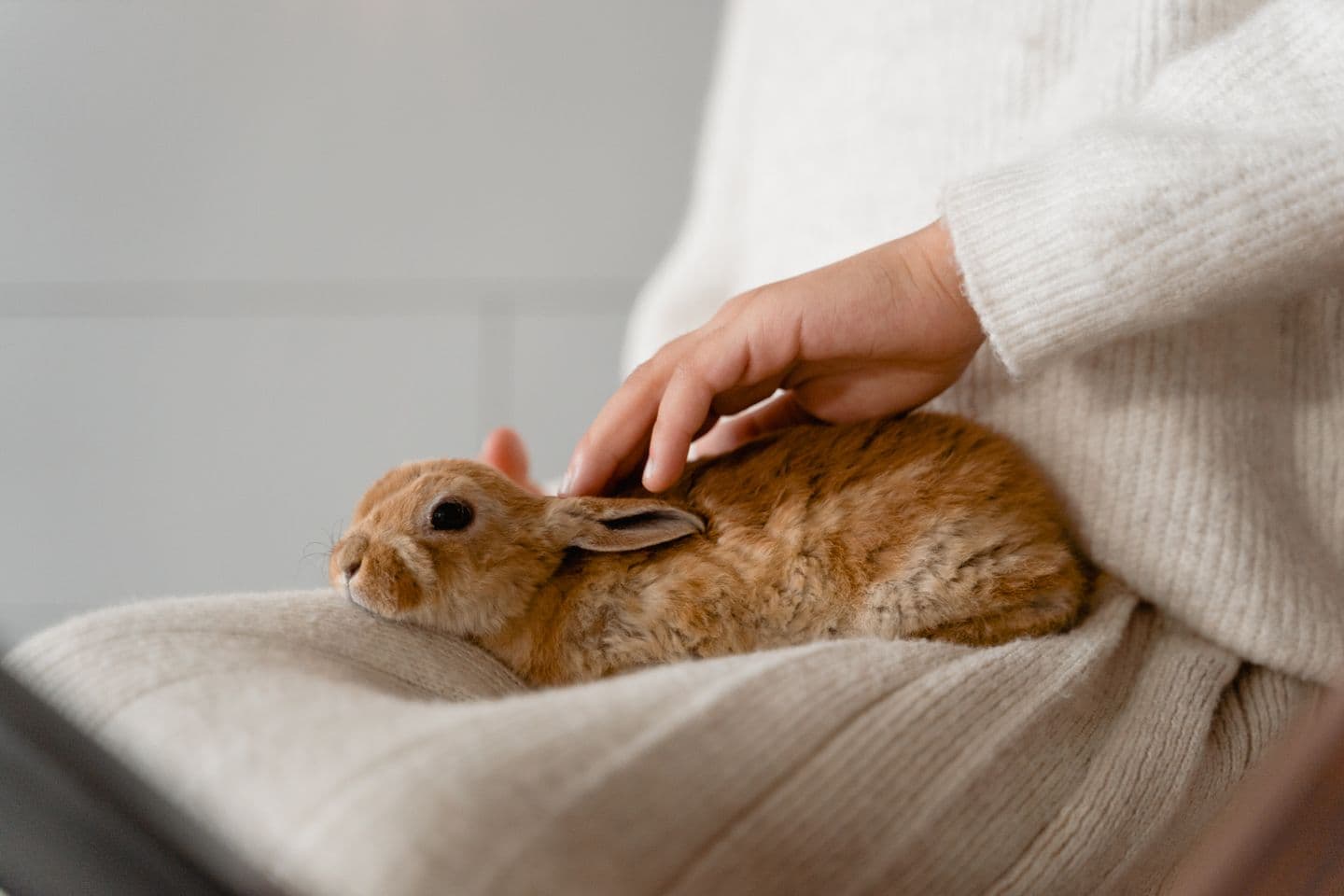
Tan Rabbit
A sleek, athletic rabbit with a glossy dark coat and a bright tan underside, closer in spirit to a wild rabbit than most companion breeds.
2 min read
Rabbits / Health
Watching a rabbit have a seizure is frightening, and it always warrants an emergency vet visit. Seizures are a symptom rather than a disease in themselves, and finding the underlying cause is the key

Watching a rabbit have a seizure is frightening, and it always warrants an emergency vet visit. Seizures are a symptom rather than a disease in themselves, and finding the underlying cause is the key to treating them.
Signs range from mild, such as brief twitching, disorientation or a glassy stare, to severe episodes involving full-body convulsions, paddling limbs, loss of balance, or temporary loss of consciousness. A rabbit may also roll or circle repeatedly before or after an episode.
Do not try to restrain your rabbit or put anything in its mouth. Clear the immediate area of anything it could injure itself on, dim bright lights and reduce noise, and time the episode if you can. Once it has passed, keep the rabbit warm, quiet and in a safe enclosed space, and get to a vet immediately, even if the rabbit seems to recover quickly.
A vet will typically run blood tests, check for E. cuniculi exposure, and may recommend imaging if a structural cause like a tumour is suspected. Treatment depends entirely on the cause: E. cuniculi is managed with an antiparasitic course, usually fenbendazole, taken daily for around a month, while recurring seizures from other causes may need long-term anti-seizure medication and regular monitoring.
One isolated seizure with a clear, treatable trigger, such as heatstroke, does not automatically mean a rabbit will have another. Many rabbits go on to live full, normal lives after appropriate treatment and monitoring. Recurring or worsening seizures point to a chronic underlying cause and generally need ongoing veterinary management rather than a single course of treatment.
Since E. cuniculi spreads through urine, particularly in multi-rabbit households, keeping enclosures clean, disinfecting shared spaces regularly, and quarantining any newly adopted rabbit before introducing it to an existing one all reduce transmission risk. This is especially relevant in India given how many pet rabbits come from crowded pet shop or breeder conditions where the parasite can circulate undetected.
Article content © S Vejay Anand. All rights reserved.
Rabbits / Breeds
A sleek, athletic rabbit with a glossy dark coat and a bright tan underside, closer in spirit to a wild rabbit than most companion breeds.
2 min read
Rabbits / Breeds
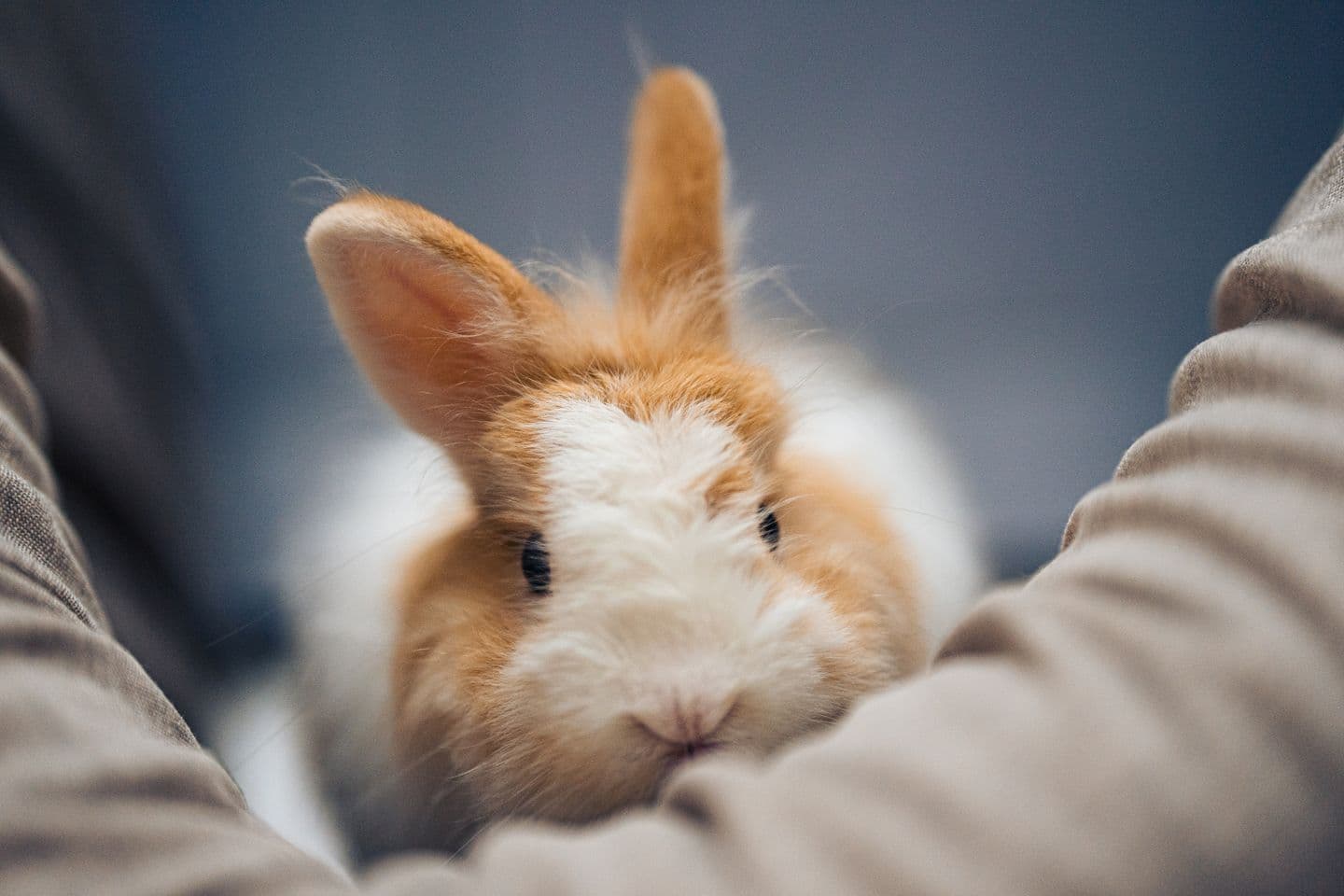
Florida Whites are generally docile, good natured, and relaxed once they have had time to build trust with their owner.
2 min read
Rabbits / Breeds
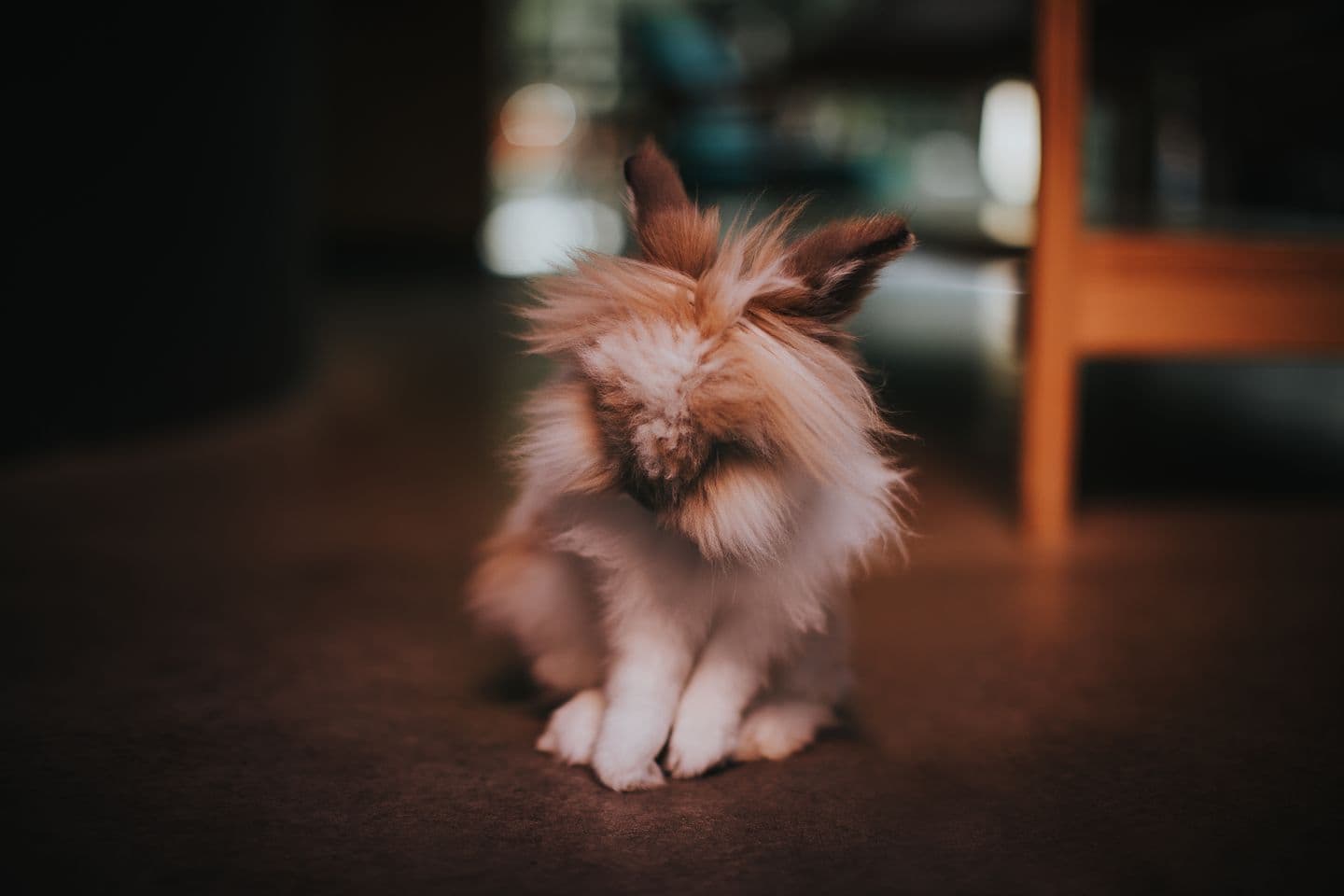
English Angoras are typically gentle and calm, a temperament that works in their favour given how much handling their coat requires.
3 min read