
Rabbits / Breeds
Tan Rabbit
A sleek, athletic rabbit with a glossy dark coat and a bright tan underside, closer in spirit to a wild rabbit than most companion breeds.
2 min read
Rabbits / Nutrition
Yes, rabbits can eat melon, including watermelon, muskmelon and honeydew, and most enjoy it. The catch is quantity. Fruit is a treat in a rabbit's world, not a food group, and the sugar content that m
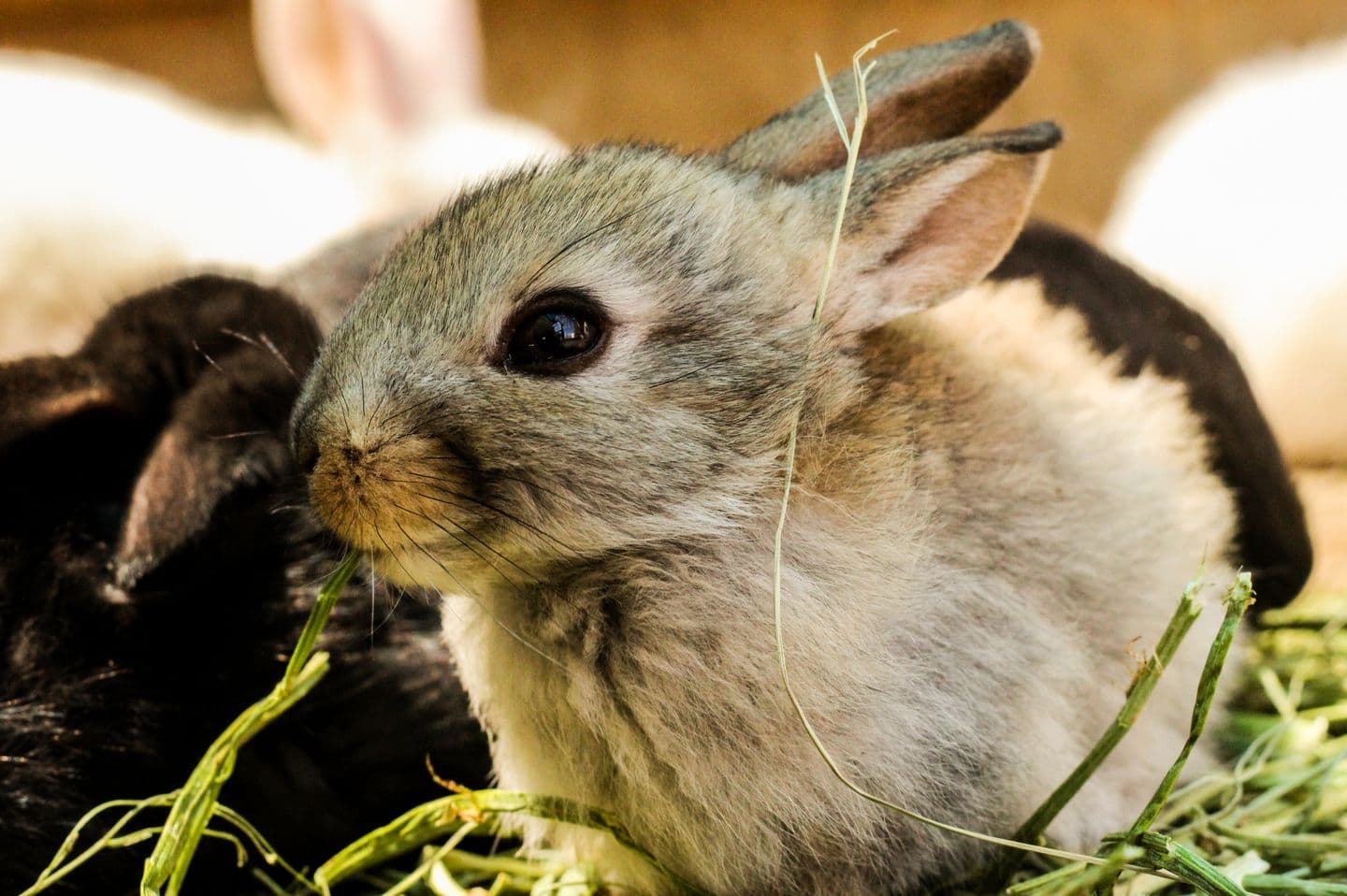
Yes, rabbits can eat melon, including watermelon, muskmelon and honeydew, and most enjoy it. The catch is quantity. Fruit is a treat in a rabbit's world, not a food group, and the sugar content that makes melon so appealing can upset a rabbit's digestion if it becomes a daily habit.
A reasonable guideline is one to two tablespoons of fruit per two to two and a half kilograms of body weight, offered two or three times a week rather than daily. Remove seeds and rind before serving, and always introduce a new fruit in a small amount first.
After introducing a new fruit, check the following day's droppings. Soft or unusually smelly stool is a sign to cut back, and a rabbit that stops eating or produces no droppings for six hours or more needs a vet the same day, since this can point to GI stasis.
Leafy greens such as coriander, mint, spinach and lettuce varieties other than iceberg can generally be offered every day as part of the regular greens portion. Starchier or higher-sugar vegetables, including carrots and beetroot, are better treated more like fruit, offered a few times a week rather than daily, since they are noticeably higher in natural sugar than leafy greens.
Pet shops in India increasingly stock rabbit treat mixes containing dried fruit, yoghurt drops or seeds. These are best avoided or given very rarely, since they concentrate sugar and fat in a way fresh fruit does not. A slice of fresh fruit or a sprig of herb is a healthier reward and just as exciting for most rabbits.
Article content © Ravi Teja. All rights reserved.
Rabbits / Breeds
A sleek, athletic rabbit with a glossy dark coat and a bright tan underside, closer in spirit to a wild rabbit than most companion breeds.
2 min read
Rabbits / Breeds
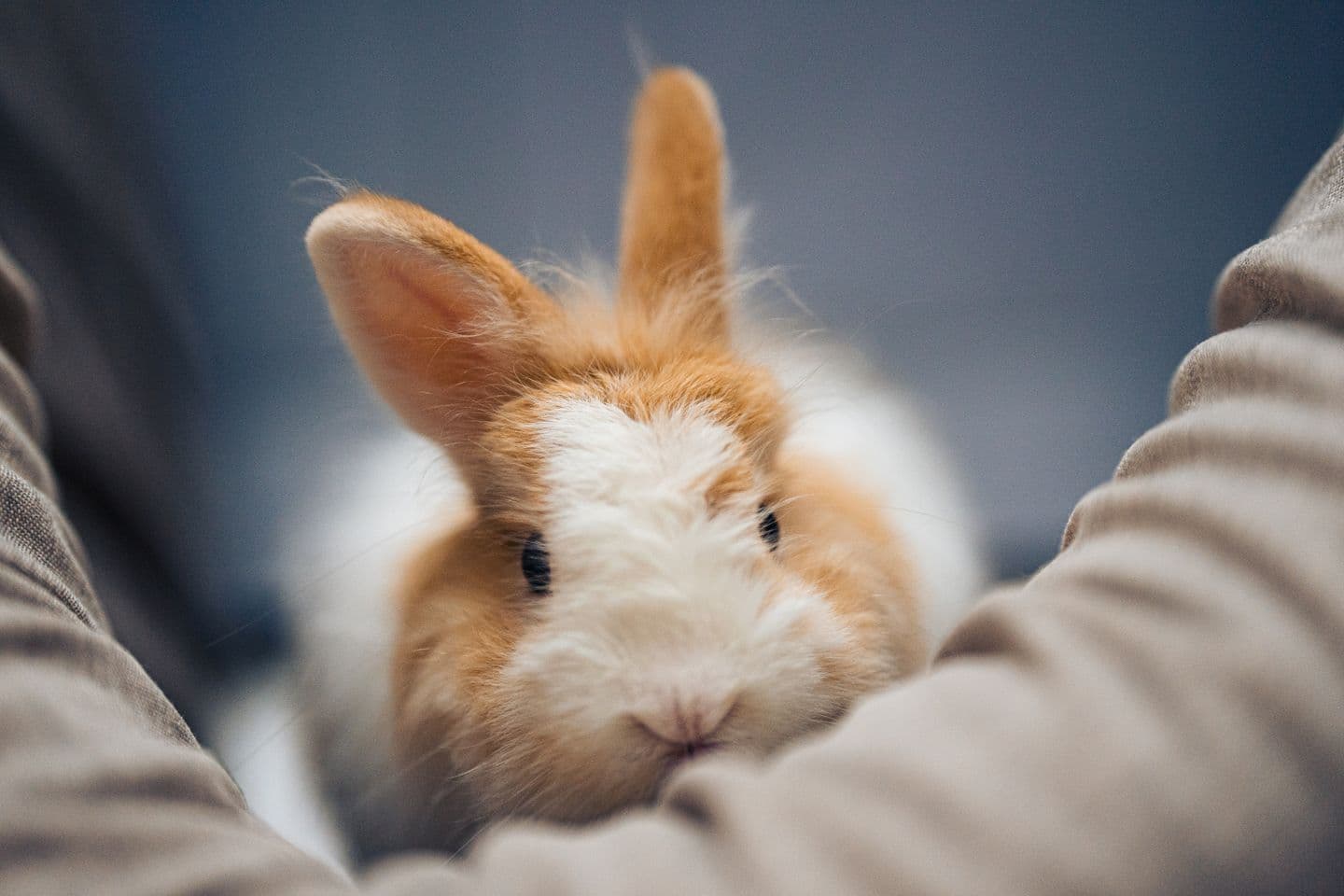
Florida Whites are generally docile, good natured, and relaxed once they have had time to build trust with their owner.
2 min read
Rabbits / Breeds
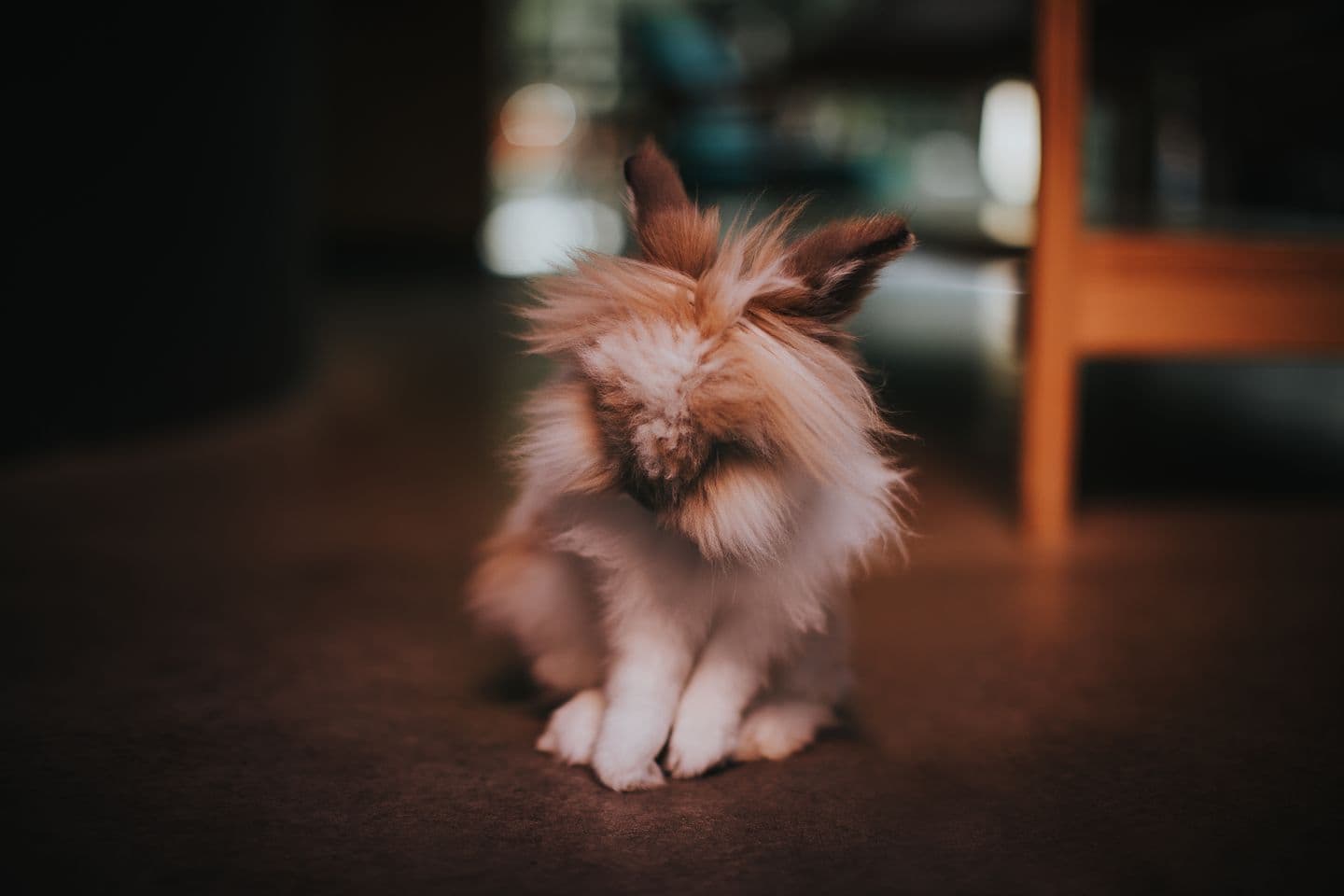
English Angoras are typically gentle and calm, a temperament that works in their favour given how much handling their coat requires.
3 min read