
Rabbits / Breeds
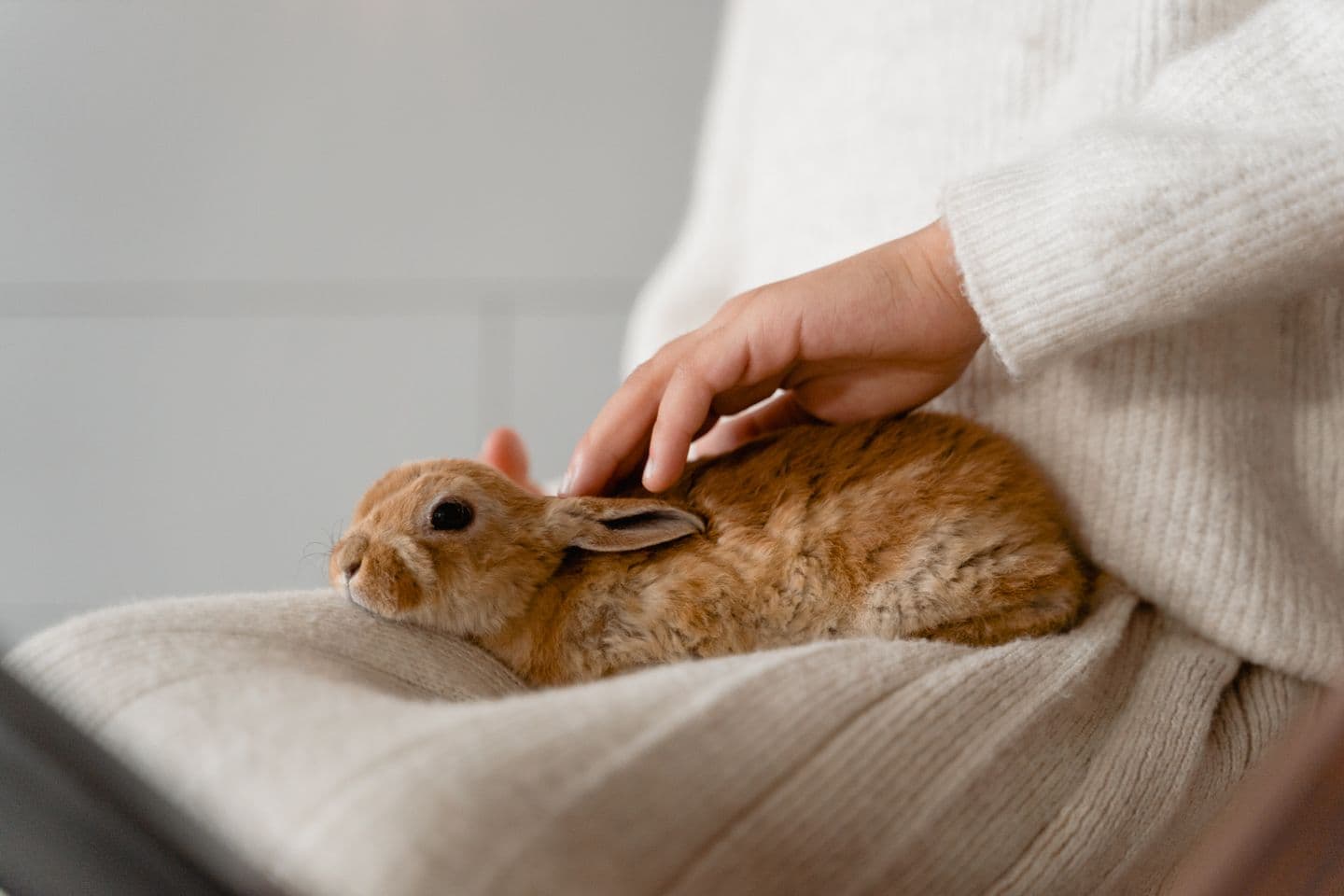
Tan Rabbit
A sleek, athletic rabbit with a glossy dark coat and a bright tan underside, closer in spirit to a wild rabbit than most companion breeds.
2 min read
Rabbits / Nutrition
Myxomatosis is one of the most severe diseases a pet rabbit can contract, and while it is more commonly discussed in the UK and Europe, the insects that spread it, mosquitoes in particular, are anythi
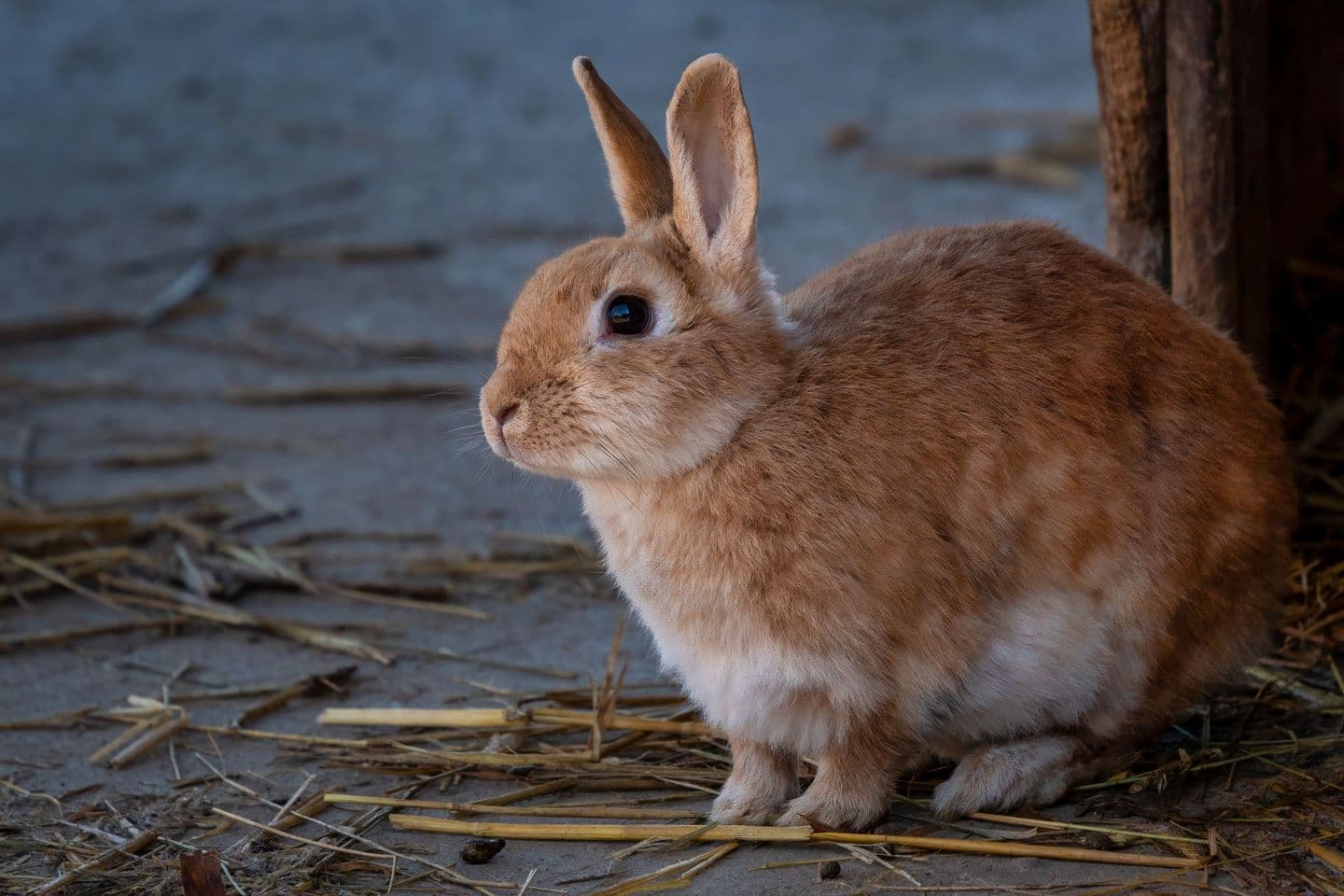
Myxomatosis is one of the most severe diseases a pet rabbit can contract, and while it is more commonly discussed in the UK and Europe, the insects that spread it, mosquitoes in particular, are anything but rare in most of India, which makes awareness worth having regardless of where you live in the country.
The myxoma virus travels between rabbits mainly through biting insects, especially mosquitoes and fleas, which makes any outdoor or semi-outdoor rabbit more vulnerable during warmer, wetter months. It can also spread through direct contact with an infected rabbit or contaminated surfaces.
Mortality is extremely high once symptoms appear, and there is no specific cure, only supportive veterinary care. This makes prevention far more important than treatment for this particular disease.
A dedicated myxomatosis vaccine, common in UK veterinary practice, is not a routine, widely available part of Indian veterinary care, so prevention here rests almost entirely on limiting exposure. Keep rabbits indoors or in fully insect-screened enclosures, use vet-approved mosquito and flea prevention suited to rabbits, never dog or cat products, and avoid letting a pet rabbit come into contact with wild rabbits or unfamiliar rabbits of unknown health status. If you notice any of the symptoms above, isolate the rabbit from other pets immediately and seek emergency veterinary care.
Facial or eye swelling in a rabbit is not automatically myxomatosis. Dental abscesses, ordinary eye infections, and allergic reactions can all cause a swollen-looking face or eyes. What sets myxomatosis apart is the speed and combination of symptoms, swelling around several areas at once, fever, and rapid decline, alongside genuine risk factors like recent mosquito exposure or contact with an unfamiliar rabbit. Any facial swelling still deserves a prompt vet visit regardless of the likely cause.
India has limited wild rabbit populations compared to places like the UK, but stray or abandoned domestic rabbits are not uncommon, and diseased strays can pass myxomatosis to insects that later bite a pet rabbit. Avoid direct contact with any rabbit of unknown origin or health status, and if you handle one, wash thoroughly and change clothes before going near your own rabbit.
Article content © Ravi Teja. All rights reserved.
Rabbits / Breeds
A sleek, athletic rabbit with a glossy dark coat and a bright tan underside, closer in spirit to a wild rabbit than most companion breeds.
2 min read
Rabbits / Breeds
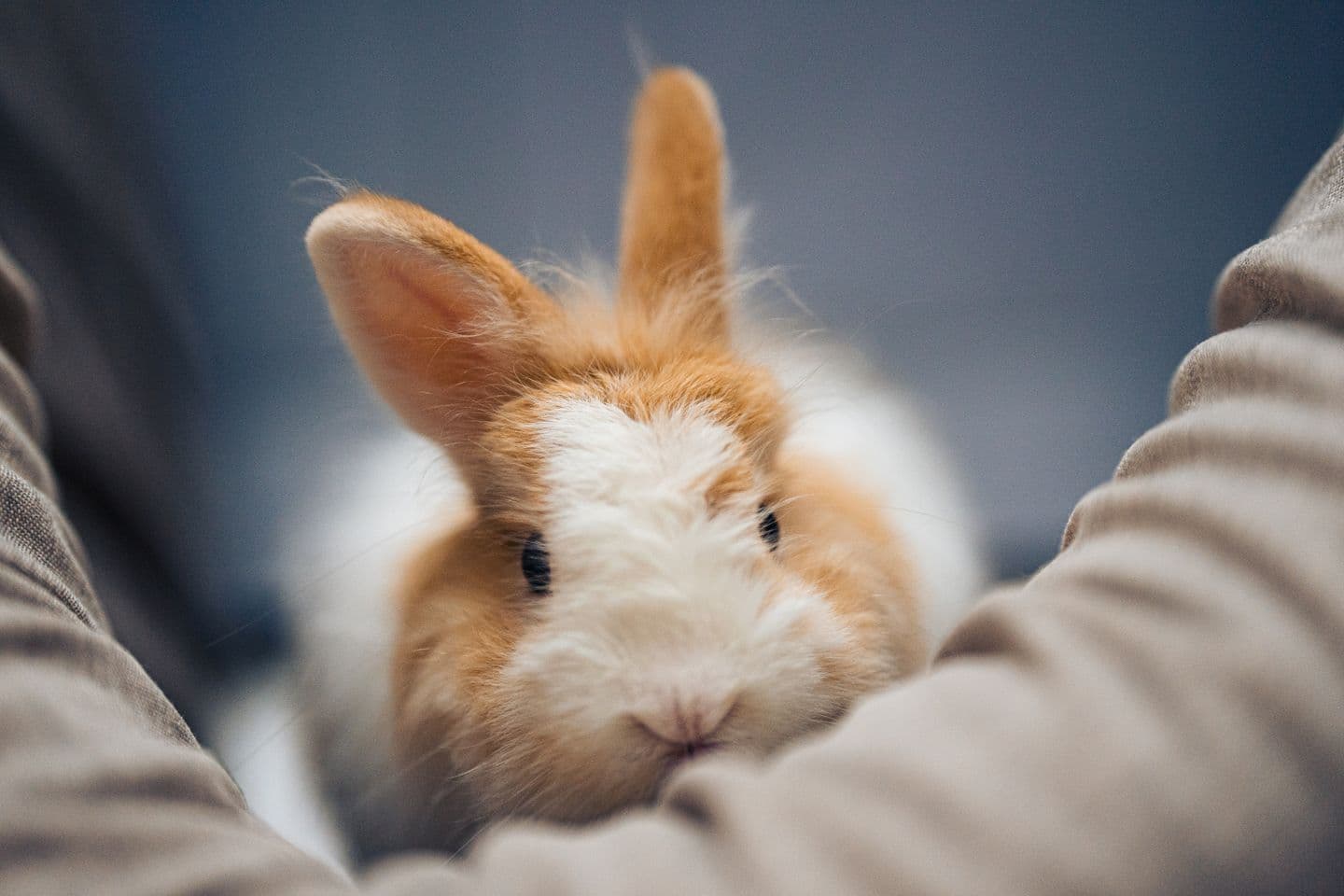
Florida Whites are generally docile, good natured, and relaxed once they have had time to build trust with their owner.
2 min read
Rabbits / Breeds
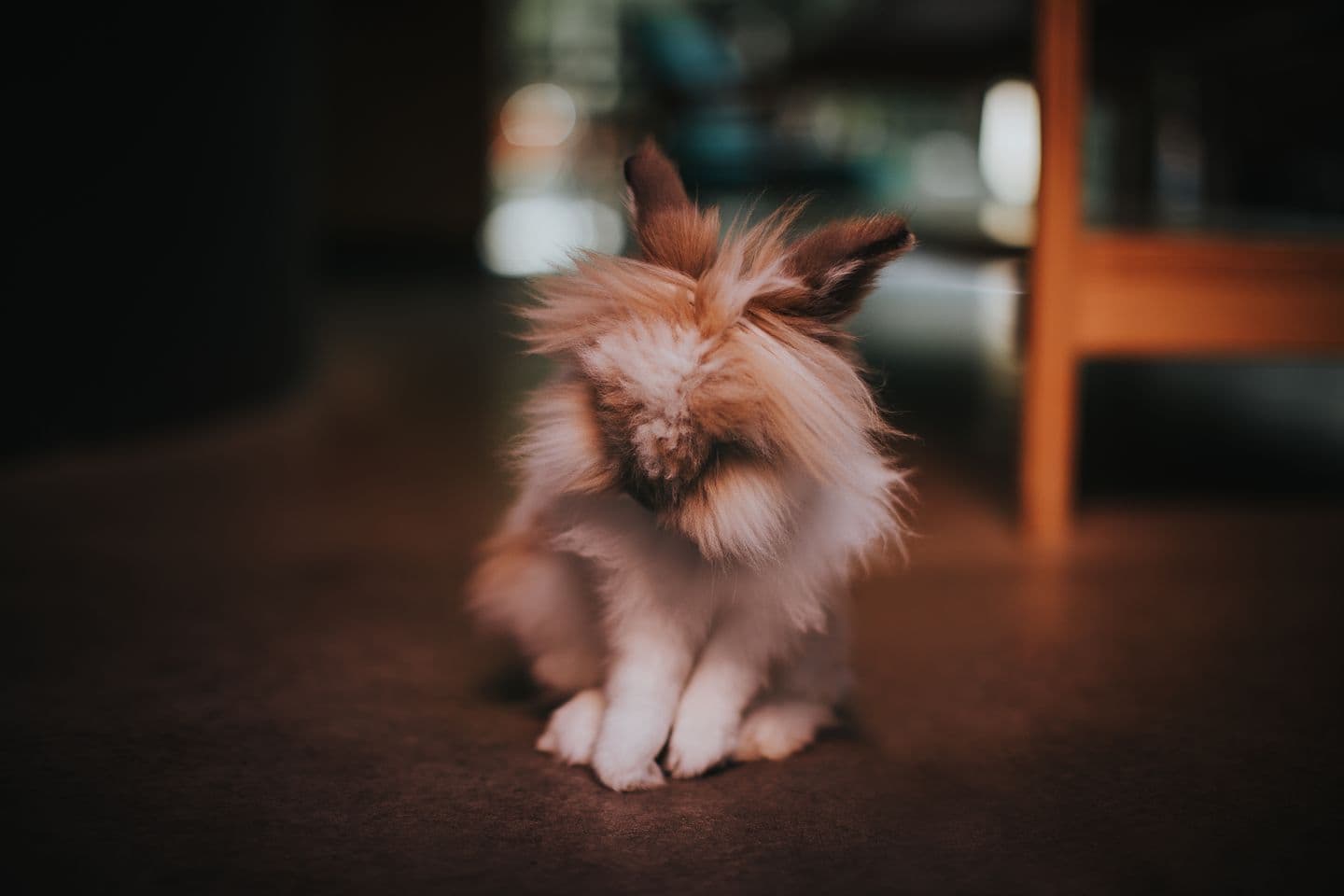
English Angoras are typically gentle and calm, a temperament that works in their favour given how much handling their coat requires.
3 min read