
Rabbits / Breeds
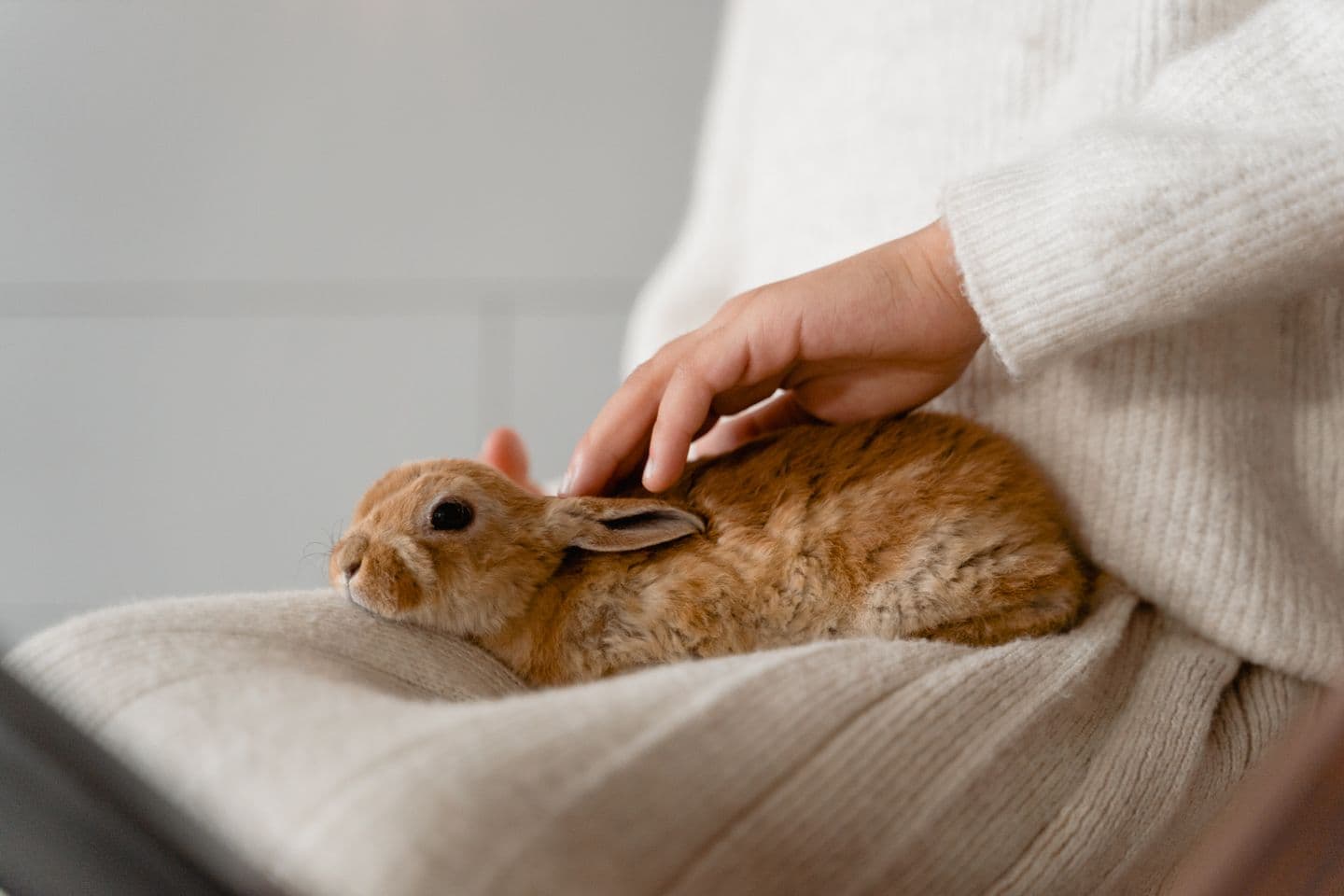
Tan Rabbit
A sleek, athletic rabbit with a glossy dark coat and a bright tan underside, closer in spirit to a wild rabbit than most companion breeds.
2 min read
Rabbits / Nutrition
Rabbit nutrition is simpler than it looks once you understand the basic proportions. Most feeding mistakes come from treating a rabbit's diet like a small dog's, heavy on pellets and treats, when it s
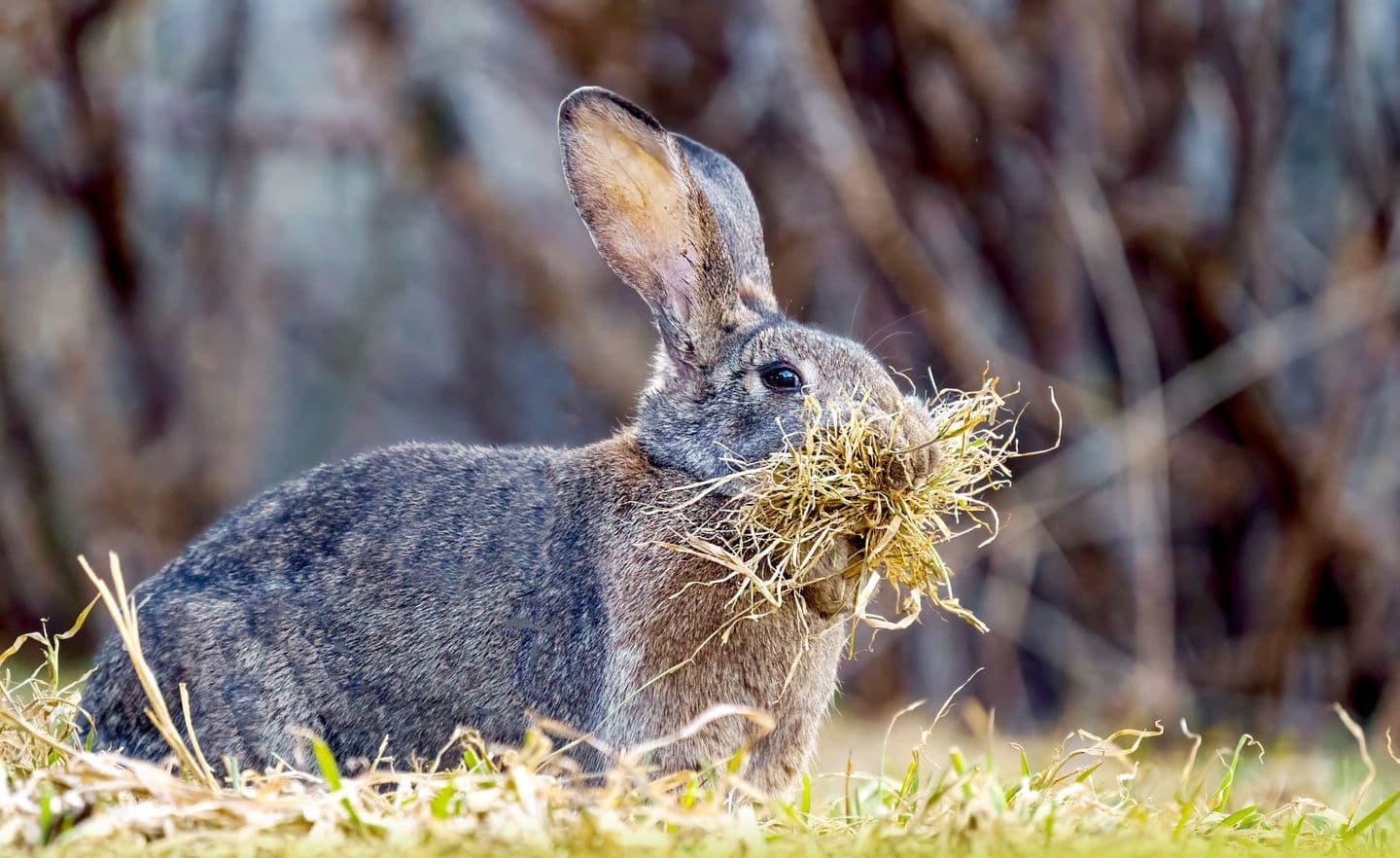
Rabbit nutrition is simpler than it looks once you understand the basic proportions. Most feeding mistakes come from treating a rabbit's diet like a small dog's, heavy on pellets and treats, when it should look almost the opposite: mostly hay, a modest amount of greens, a small measured serving of pellets, and very little else.
Hay is not filler. It keeps a rabbit's digestive system moving, prevents a dangerous slowdown called GI stasis, and wears down teeth that grow continuously throughout a rabbit's life. Timothy, oat or other grass hay suits adult rabbits well, and it should never run out, even for a single day. In India, dried grass hay is increasingly available through online pet stores, though some owners supplement with fresh, pesticide-free grass cut from a home garden.
Coriander, mint, spinach, bottle gourd leaves, and the leafy tops of vegetables like carrots and radish are all good options that most Indian kitchens already stock. Rotate two or three varieties rather than feeding the same green every day, and introduce anything new gradually over a few days, watching for soft stool.
Choose a plain, high-fibre pellet without dried fruit, seeds or colourful pieces mixed in, and measure the daily portion rather than free-feeding it. Overfeeding pellets is one of the most common causes of rabbit obesity and dental problems, since a rabbit that fills up on pellets eats less hay.
Keep hay topped up morning and evening, offer the measured pellet portion split into two feedings, add fresh greens once a day, and check the water supply at least twice daily, more often in hot weather.
A rabbit typically drinks somewhere between 50 and 150 millilitres of water per kilogram of body weight a day, and this climbs noticeably during hot months, since water helps regulate body temperature as well as digestion. A rabbit that drinks noticeably less than usual, especially in summer, is at higher risk of GI stasis and dehydration, so check the bowl or bottle more than once during the hottest part of the day and top it up rather than waiting for it to run dry.
Young, growing rabbits under seven months can be given more generous pellets and alfalfa-based hay, since they need the extra protein and calcium. From around seven months to a year, gradually shift to grass hay such as timothy and reduce pellets to the standard adult measured portion. Senior rabbits, generally from six or seven years onward, sometimes need a slightly softer diet or smaller, more frequent pellet portions if dental wear makes chewing harder, though hay should still form the bulk of the diet at every life stage.
Article content © S Vejay Anand. All rights reserved.
Rabbits / Breeds
A sleek, athletic rabbit with a glossy dark coat and a bright tan underside, closer in spirit to a wild rabbit than most companion breeds.
2 min read
Rabbits / Breeds
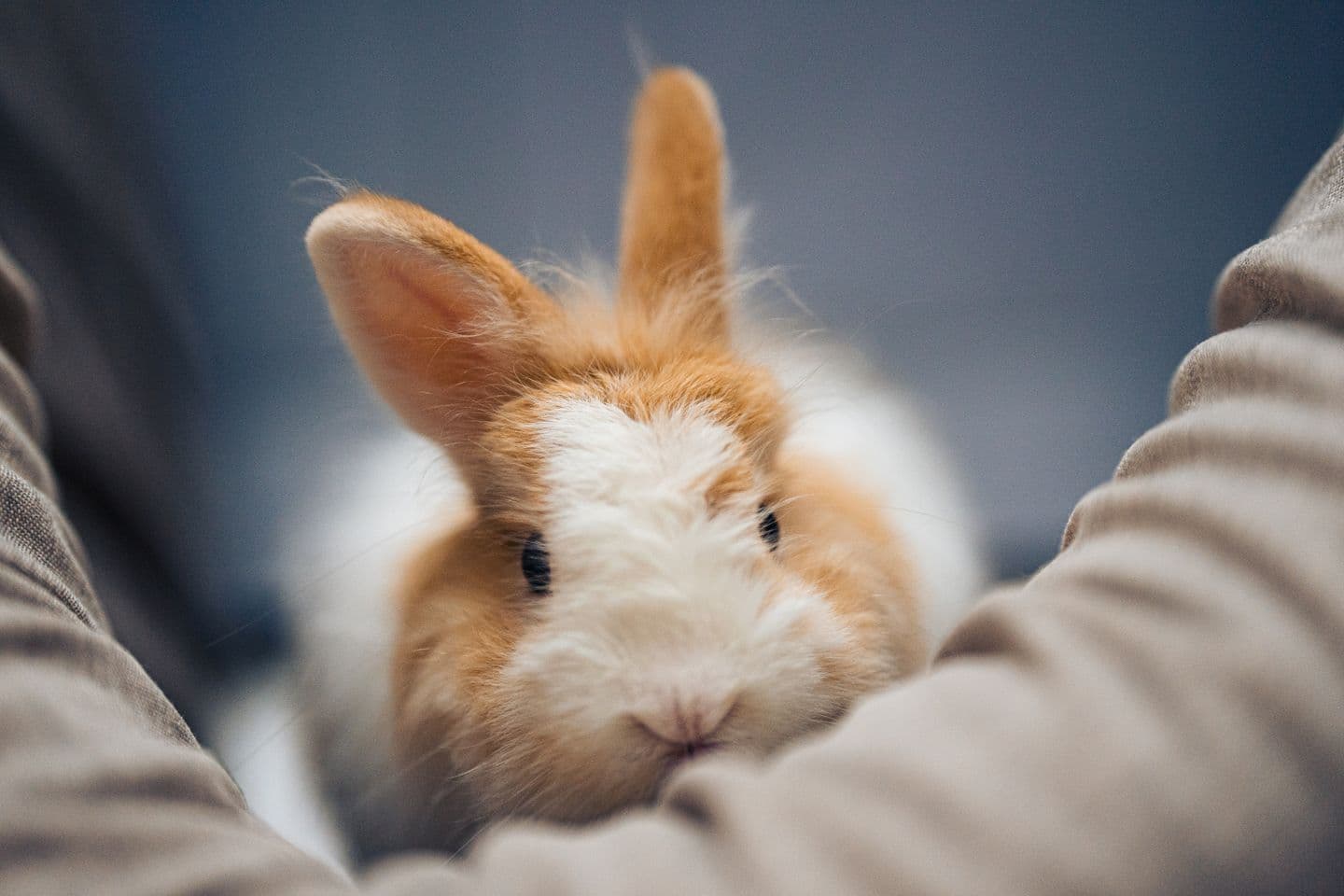
Florida Whites are generally docile, good natured, and relaxed once they have had time to build trust with their owner.
2 min read
Rabbits / Breeds
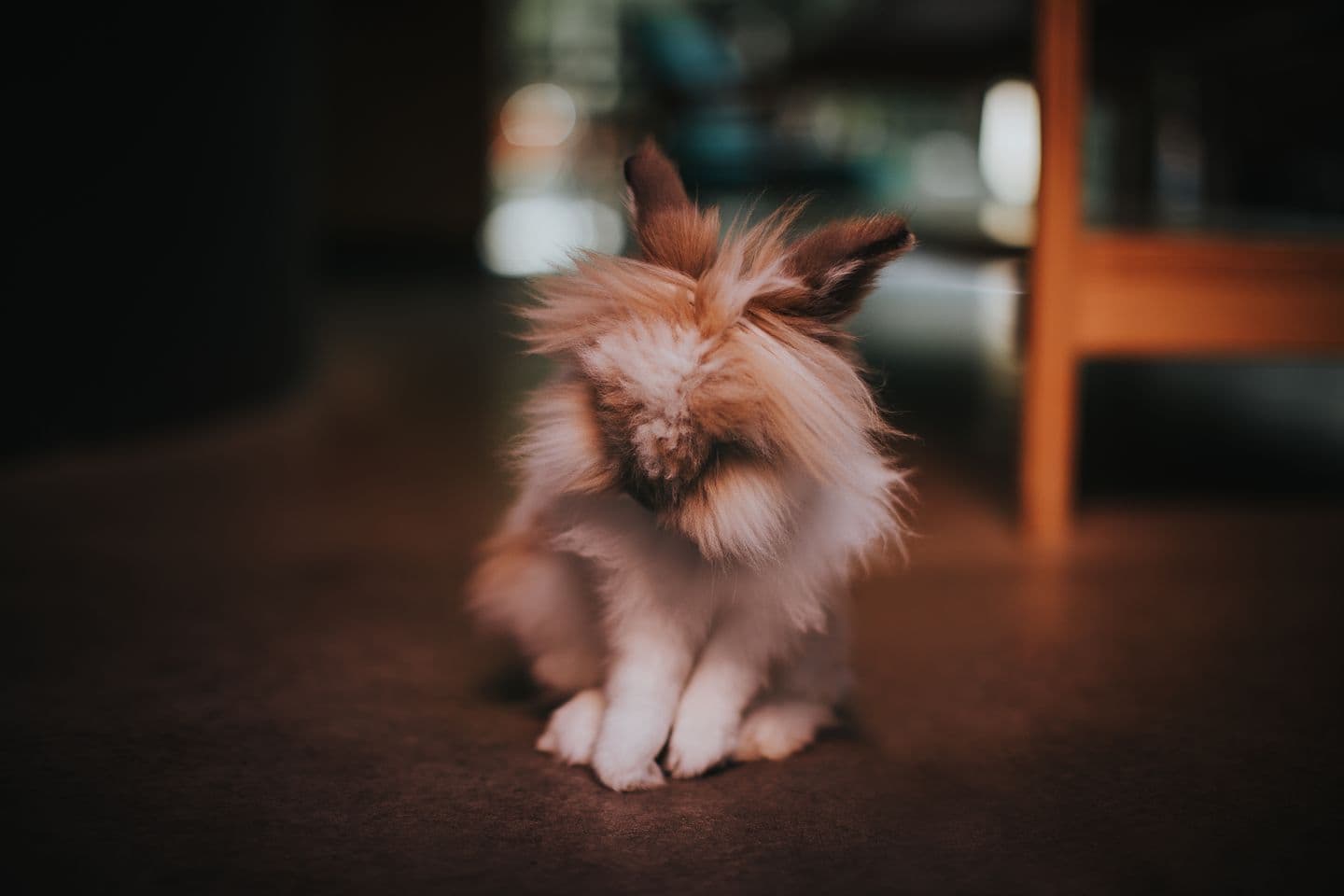
English Angoras are typically gentle and calm, a temperament that works in their favour given how much handling their coat requires.
3 min read