The largest of the commonly kept hamsters, typically growing to 13 to 18 centimetres. Coats range from the traditional golden colour to variations including cream, black, and long-haired teddy bear ty
The classic, most widely kept hamster in Indian homes.
Appearance and size
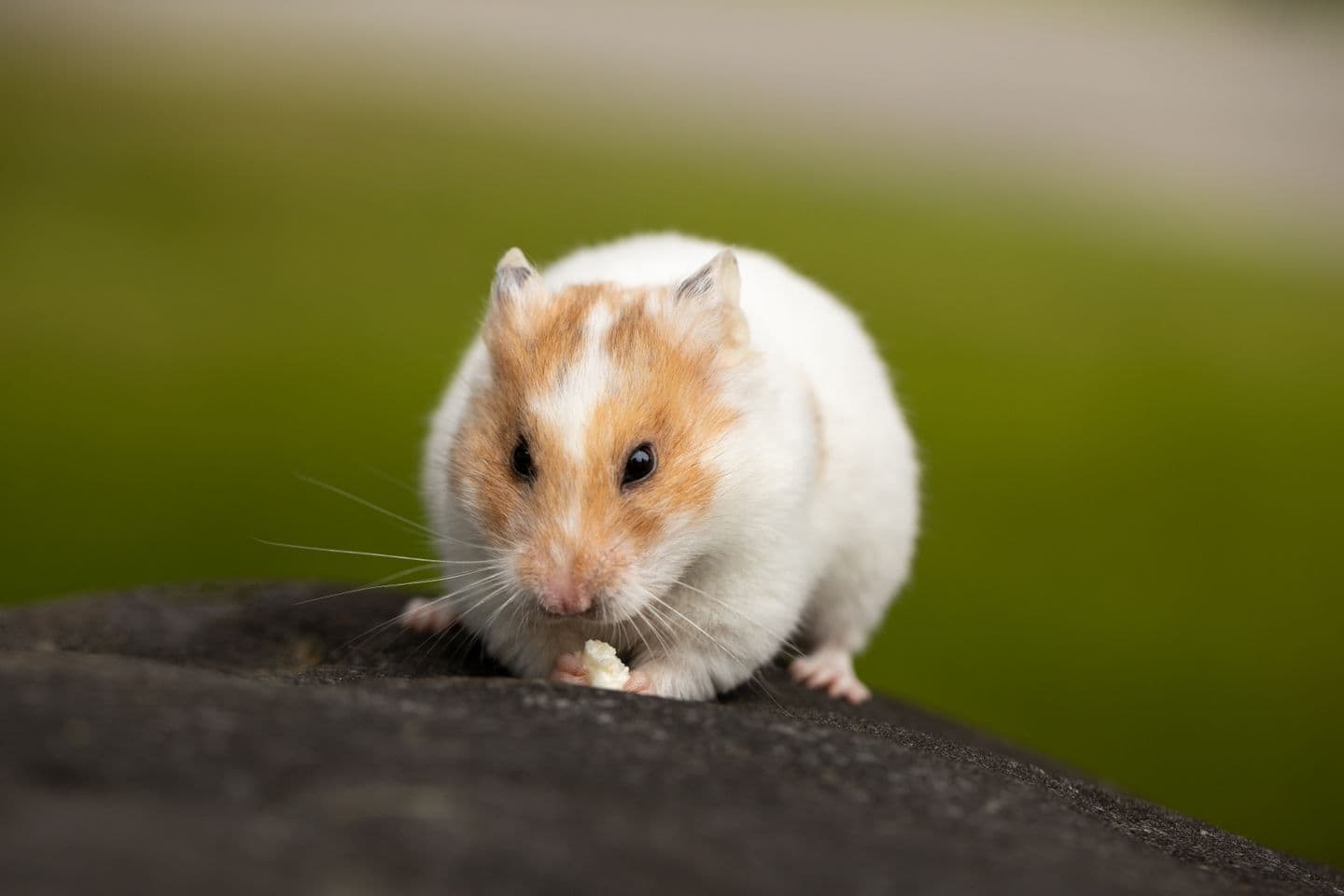
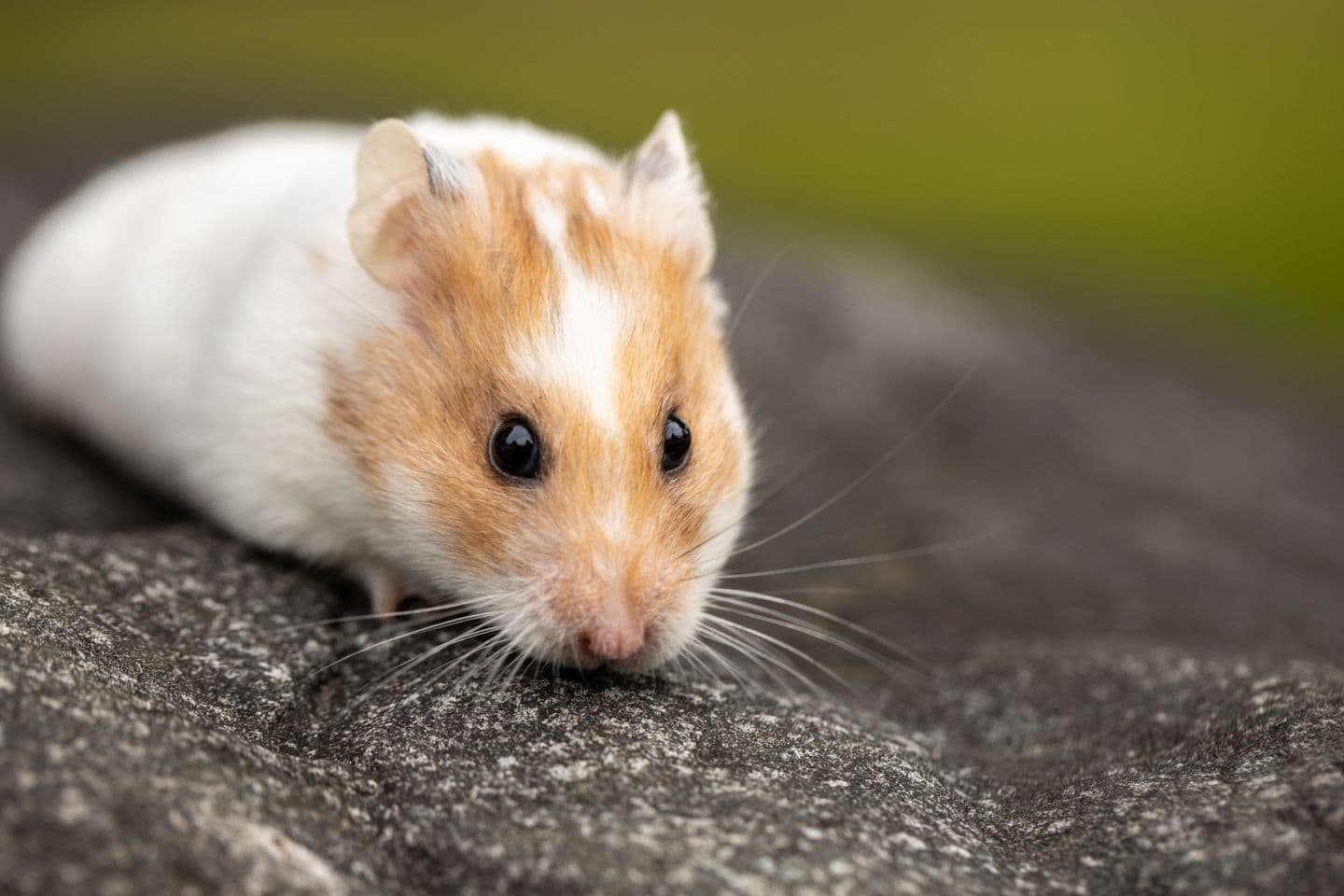
The largest of the commonly kept hamsters, typically growing to 13 to 18 centimetres. Coats range from the traditional golden colour to variations including cream, black, and long-haired teddy bear types.
Temperament
Generally the calmest and easiest to tame of the pet hamster species, which is why it is the most recommended breed for first-time owners and families with children. Syrians are, however, strictly solitary as adults and must be housed alone, never with another hamster, as they will fight.
Housing
Needs a spacious cage, ideally with a floor area of at least 100 by 50 centimetres and more if you can manage it, with room for a large wheel, a hideout, and depth for burrowing bedding.
Diet and special notes
A standard commercial hamster mix works well, supplemented with small amounts of vegetables and occasional fruit. Syrians are less prone to diabetes than dwarf breeds, but portion control still matters, since they can gain weight easily if overfed.
Lifespan
Typically two to three years.
India-specific tip
This is the easiest species to find through Indian breeders and established pet stores, and its calmer temperament makes it a genuinely good starting point for a first hamster in an Indian household.
Coat care
Short-haired Syrians need no real grooming beyond the sand bath they will naturally use. Long-haired teddy bear Syrians benefit from a soft, gentle brush once a week to prevent the coat from matting, particularly around the rear, and can also get bedding stuck in a longer coat, so check this during handling.
Choosing between colour varieties
Beyond the classic golden coat, Syrians are commonly available in cream, black, cinnamon, and various banded or spotted patterns, along with a satin sheen variety and the long-haired teddy bear type. Colour and coat length are purely cosmetic and do not affect temperament, so pick based on preference rather than assuming one variety is calmer than another.
Taming a hamster is less about training tricks and more about building enough trust that it feels safe around you. Done patiently, most hamsters become comfortable being handled within a few weeks.
A hamster's diet in the wild is remarkably varied, seeds, grains, the occasional insect, and vegetation. In captivity, a good commercial mix does most of the work, but understanding what it should con
Hamsters look like the easiest pet in the world. Small cage, small body, small appetite. That reputation is only half true. They are low maintenance compared to a dog or cat, but they are not a toy, a