Hamsters look like the easiest pet in the world. Small cage, small body, small appetite. That reputation is only half true. They are low maintenance compared to a dog or cat, but they are not a toy, a
A honest checklist before you bring one back from the pet shop.
Hamsters look like the easiest pet in the world. Small cage, small body, small appetite. That reputation is only half true. They are low maintenance compared to a dog or cat, but they are not a toy, and Indian homes come with a few challenges that pet shop owners rarely mention.
What works in your favour
They do not need daily walks or a garden.
A single hamster fits comfortably in a small flat or a hostel room, as long as the cage is roomy enough.
Food and bedding costs are modest compared to a cat or dog.
They are a good way to teach children about gentle handling and daily responsibility.
They do not need to be boarded or carried along on every trip, a trusted neighbour checking in once a day is usually enough for a short holiday.
What to think through first
Hamsters are nocturnal. They wake up and get active exactly when your household is winding down for the night, which can mean rustling and wheel noise at 11 pm.
Indian summers are hard on them. Anything above 27 to 28 degrees Celsius for long stretches puts a hamster at risk of heatstroke, so you need a cool, shaded spot or a cooled room during peak summer.
The opposite risk is easy to miss too. A room kept too cold by aggressive air conditioning, or a draughty spot in winter, can drop below 15 to 16 degrees Celsius and push a hamster into torpor, a false hibernation state where it goes cold, stiff, and barely responsive. It looks alarming and is often mistaken for death, so keep the cage out of a direct AC blast and away from cold draughts.
They live only two to three years, which is a hard first lesson in loss for a young child.
Good exotic vets who treat hamsters are still rare outside the bigger cities, so locate one before you buy, not after something goes wrong.
Most hamster species do best alone. Buying two because they look lonely usually ends in fights, especially with Syrian hamsters.
Monsoon humidity can be as much of a problem as summer heat, damp bedding encourages mould and respiratory issues, so the cage location needs to stay dry and well ventilated through the rainy months too.
Who a hamster suits well
Hamsters tend to work best for people who want a companion to observe and interact with in short daily sessions rather than one to carry around the house all day. They suit students in hostels where larger pets are not permitted, working professionals who are home in the evenings when hamsters naturally wake up, and families willing to supervise children rather than leave the handling entirely to them.
A quick gut check
If you can commit to a warm-weather cooling plan, a quiet corner away from a loud television or speaker, ten minutes of gentle handling time daily, and cage cleaning every week, a hamster will suit you well. If your home swings between a hot terrace room in summer and a draughty spot in winter, or if nobody is around to notice a sick hamster going quiet, it is worth reconsidering, or at least hamster-proofing a better corner of the house first.
It also helps to think a season ahead rather than just about today's weather. A cage location that feels comfortable in October can become an oven by April or a cold spot once the air conditioner runs all night in June, so plan for the full year, not just the week you bring your hamster home.
Taming a hamster is less about training tricks and more about building enough trust that it feels safe around you. Done patiently, most hamsters become comfortable being handled within a few weeks.
A hamster's diet in the wild is remarkably varied, seeds, grains, the occasional insect, and vegetation. In captivity, a good commercial mix does most of the work, but understanding what it should con
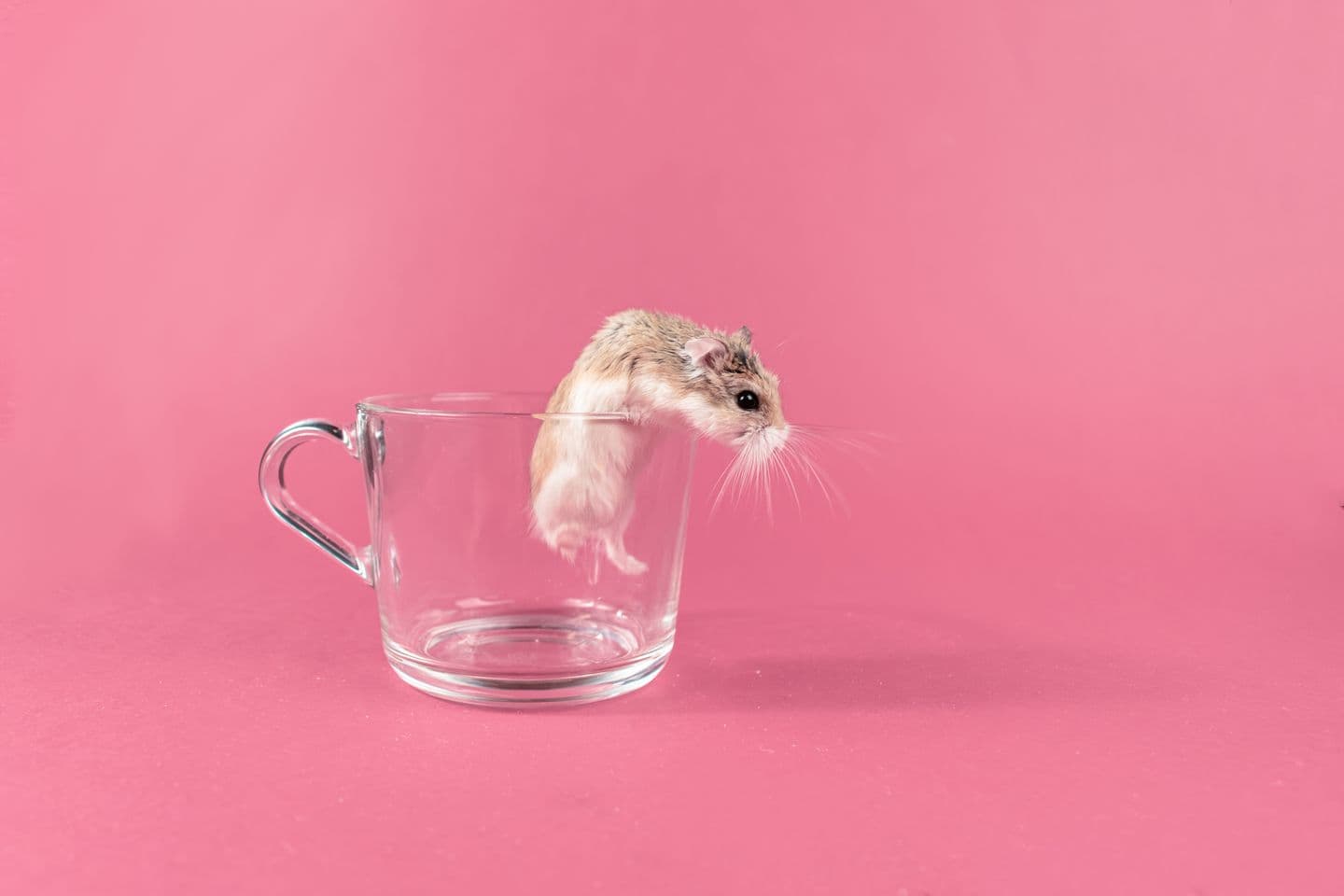
Around 10 to 12 centimetres, with a brown coat and a dark stripe down the back, and notably, a longer tail than other pet hamster species, giving it a slightly mouse-like appearance.