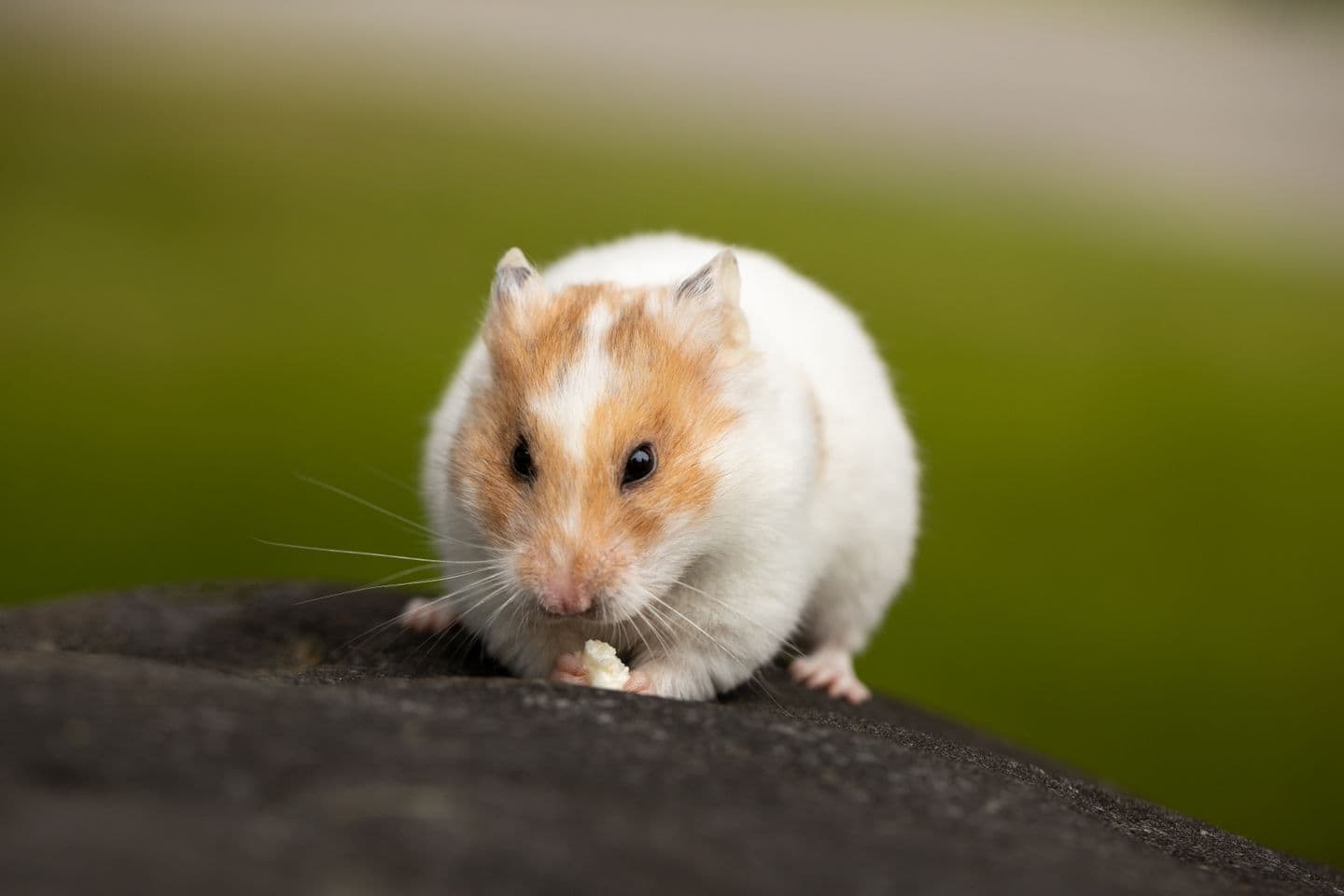
Taming a hamster is less about training tricks and more about building enough trust that it feels safe around you. Done patiently, most hamsters become comfortable being handled within a few weeks.
A patient, step-by-step approach that respects a hamster's pace.
Taming a hamster is less about training tricks and more about building enough trust that it feels safe around you. Done patiently, most hamsters become comfortable being handled within a few weeks.
Start with scent, not touch
For the first few days, simply sit near the cage and talk softly. Let your hamster get used to your voice and presence before you attempt any handling.
Hand feeding
Offer a small treat, like a sunflower seed or a tiny piece of vegetable, resting flat on your open palm inside the cage. Let your hamster approach and take it in its own time, without you moving your hand toward it.
The first pick-up
Once your hamster climbs onto your hand confidently to eat, you can begin lifting it a short distance, staying low and close to the cage floor in case it jumps. Keep these early sessions brief.
Reading the signals
A relaxed hamster will explore your hand calmly and may groom itself while sitting on your palm.
Freezing, bolting, or repeated squeaking means it needs more time before the next step.
A single light nip while exploring is different from repeated defensive biting, which means you have moved too fast.
Consistency matters most
Try to handle your hamster around the same time each evening, once it is naturally awake, rather than waking it up. Short, regular sessions build trust far faster than long, irregular ones.
The correct way to pick one up
Once your hamster is ready to be lifted, scoop it up gently from below with both hands cupped together, rather than reaching down from above, which mimics a bird of prey and can startle it. Never pick a hamster up by its tail or by the loose skin on its back, and keep your hold close to the ground for the first few weeks in case it jumps.
When taming seems stuck
If progress plateaus for more than a couple of weeks, check for outside stressors first, a noisy cage location, too many different handlers, or overly long sessions can all slow things down. Simplifying the environment and shortening sessions often restarts progress faster than pushing harder.
A hamster's diet in the wild is remarkably varied, seeds, grains, the occasional insect, and vegetation. In captivity, a good commercial mix does most of the work, but understanding what it should con
Hamsters look like the easiest pet in the world. Small cage, small body, small appetite. That reputation is only half true. They are low maintenance compared to a dog or cat, but they are not a toy, a
Around 10 to 12 centimetres, with a brown coat and a dark stripe down the back, and notably, a longer tail than other pet hamster species, giving it a slightly mouse-like appearance.