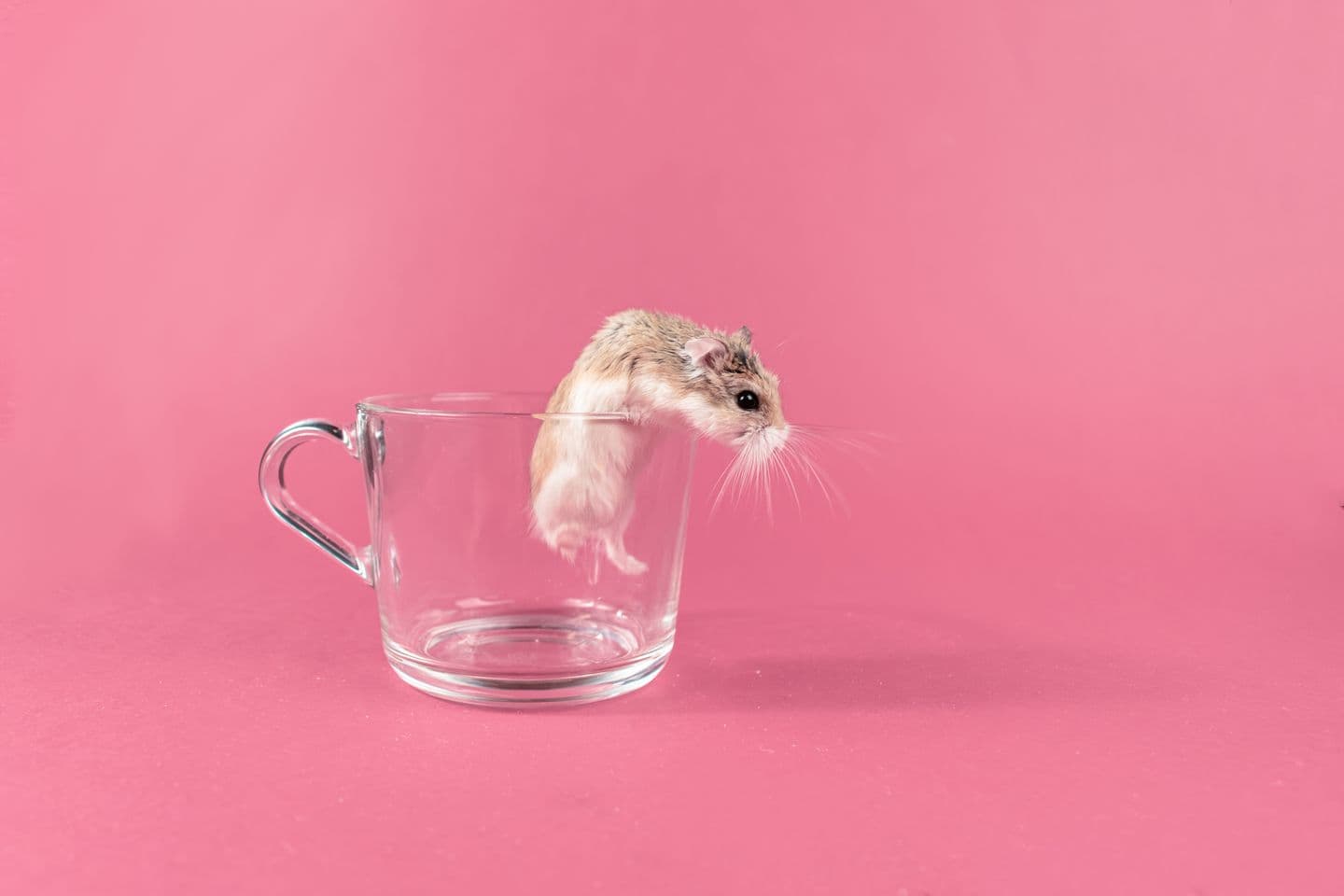
What consistent, good care actually looks like once the excitement of day one wears off.
Hamster care is not complicated, but it does need consistency. Here is a simple routine that keeps a hamster healthy and content.
Every day
Check and refill the water bottle, making sure the spout is not blocked.
Top up food, removing any old, spoiled vegetables from the cage.
Spot clean any obviously soiled bedding, especially near the food area.
Spend at least ten to fifteen minutes near or interacting with your hamster, once it is awake for the evening.
Watch the wheel and general activity levels for anything unusual.
Glance at the room temperature, especially during summer afternoons or if the AC has been running for hours.
Every week
Do a full bedding change, cleaning the cage base and accessories with a pet-safe disinfectant.
Wash the water bottle and food bowl thoroughly.
Check the wheel, hideout, and toys for wear or damage.
Give your hamster a general once-over for any change in coat, eyes, or weight while handling it.
Every month
Reassess the cage setup, is the wheel still the right size, does the hamster need a new hideout.
Trim overgrown claws if needed, or have a vet do this if you are unsure.
Note your hamster's weight if you have a scale, small, gradual changes are easier to catch this way than by eye alone.
Fitting this into an Indian household
Since hamsters are most active in the evening and night, plan your interaction time to match, rather than trying to engage a sleepy hamster in the morning before office or school. A five minute check before bed is often the easiest habit to maintain.
Building the habit as a family
If more than one family member shares hamster duties, a simple shared checklist stuck near the cage, covering food, water, and cleaning days, avoids the common problem of everyone assuming someone else has already done it.
Taming a hamster is less about training tricks and more about building enough trust that it feels safe around you. Done patiently, most hamsters become comfortable being handled within a few weeks.
A hamster's diet in the wild is remarkably varied, seeds, grains, the occasional insect, and vegetation. In captivity, a good commercial mix does most of the work, but understanding what it should con
Hamsters look like the easiest pet in the world. Small cage, small body, small appetite. That reputation is only half true. They are low maintenance compared to a dog or cat, but they are not a toy, a