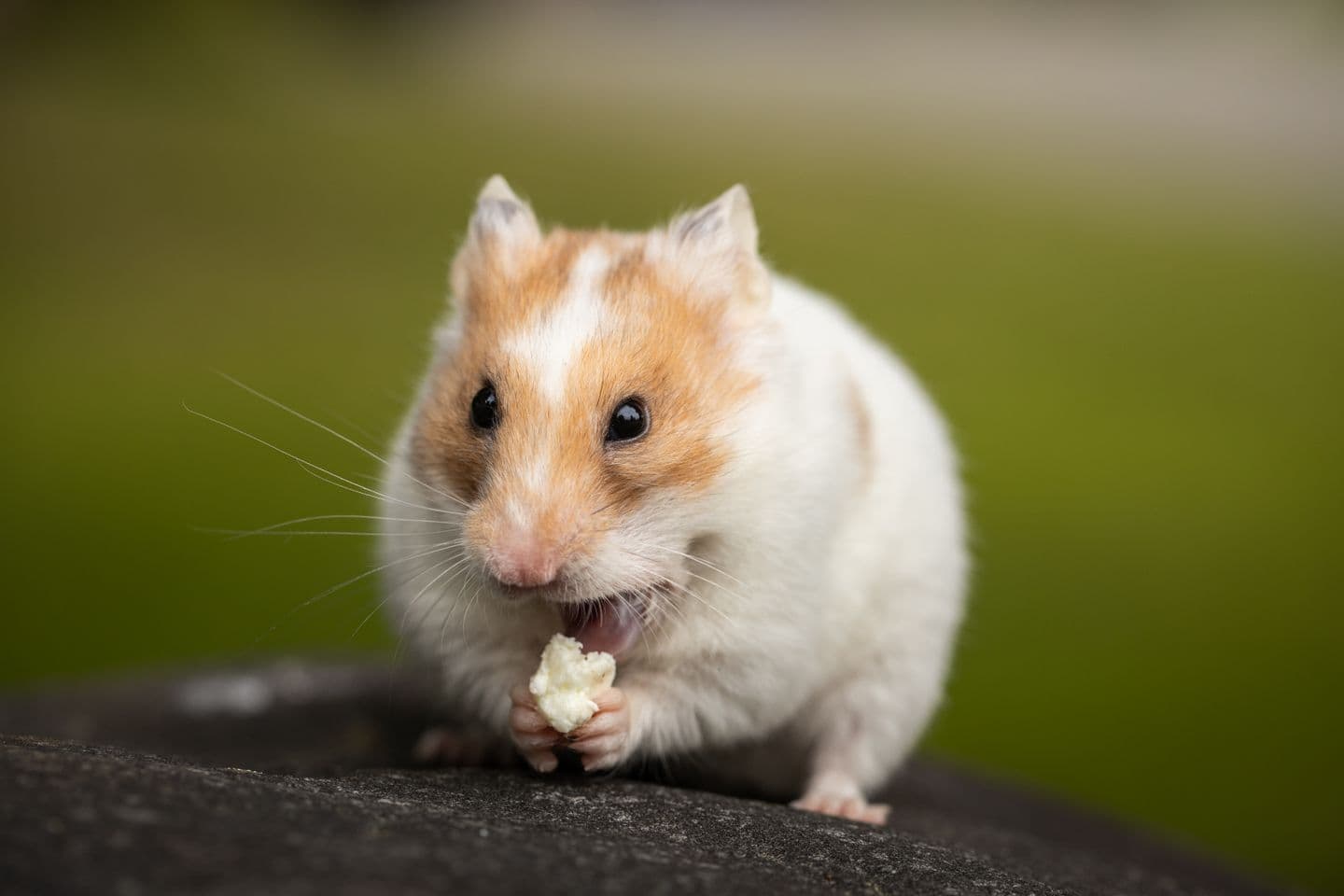
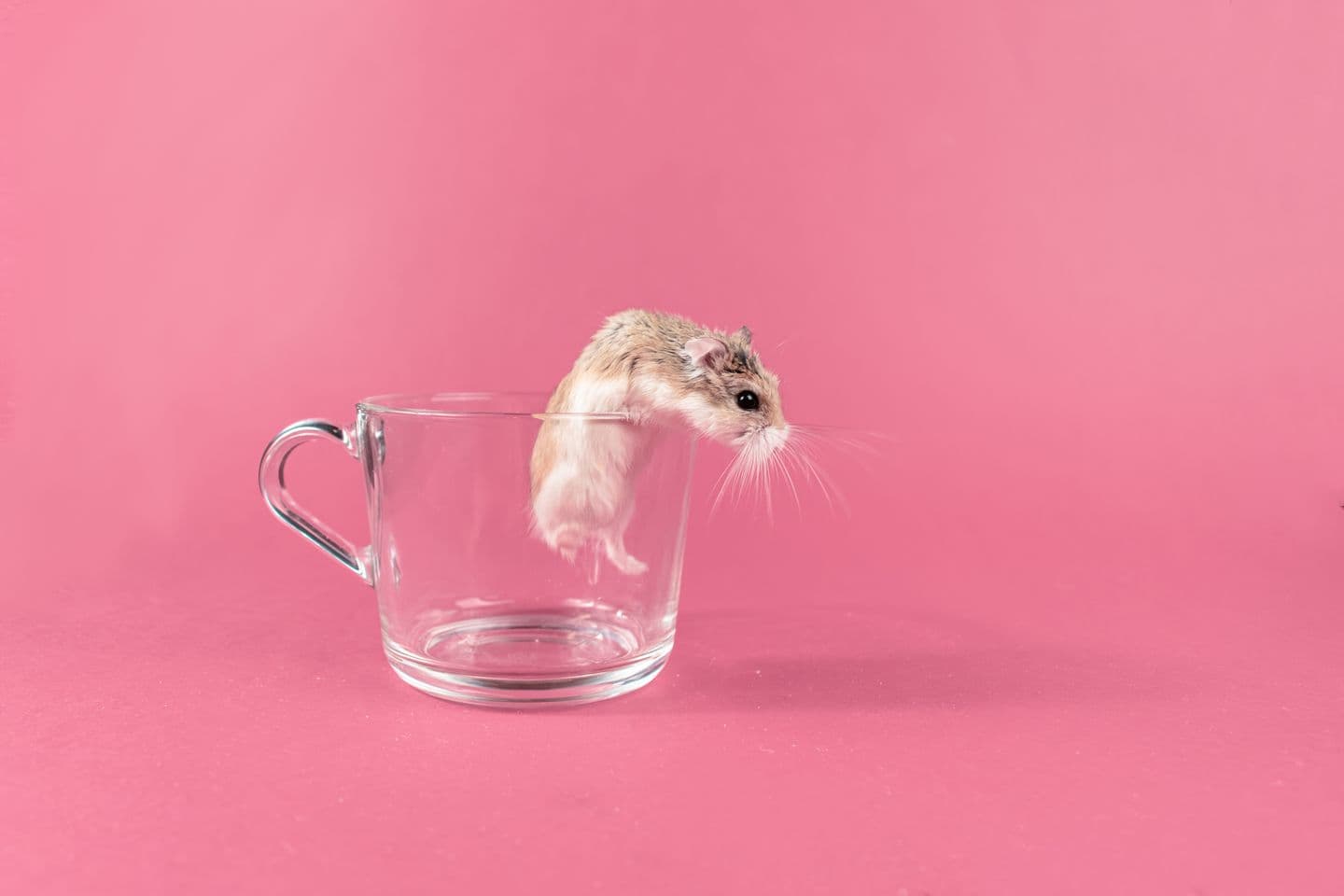
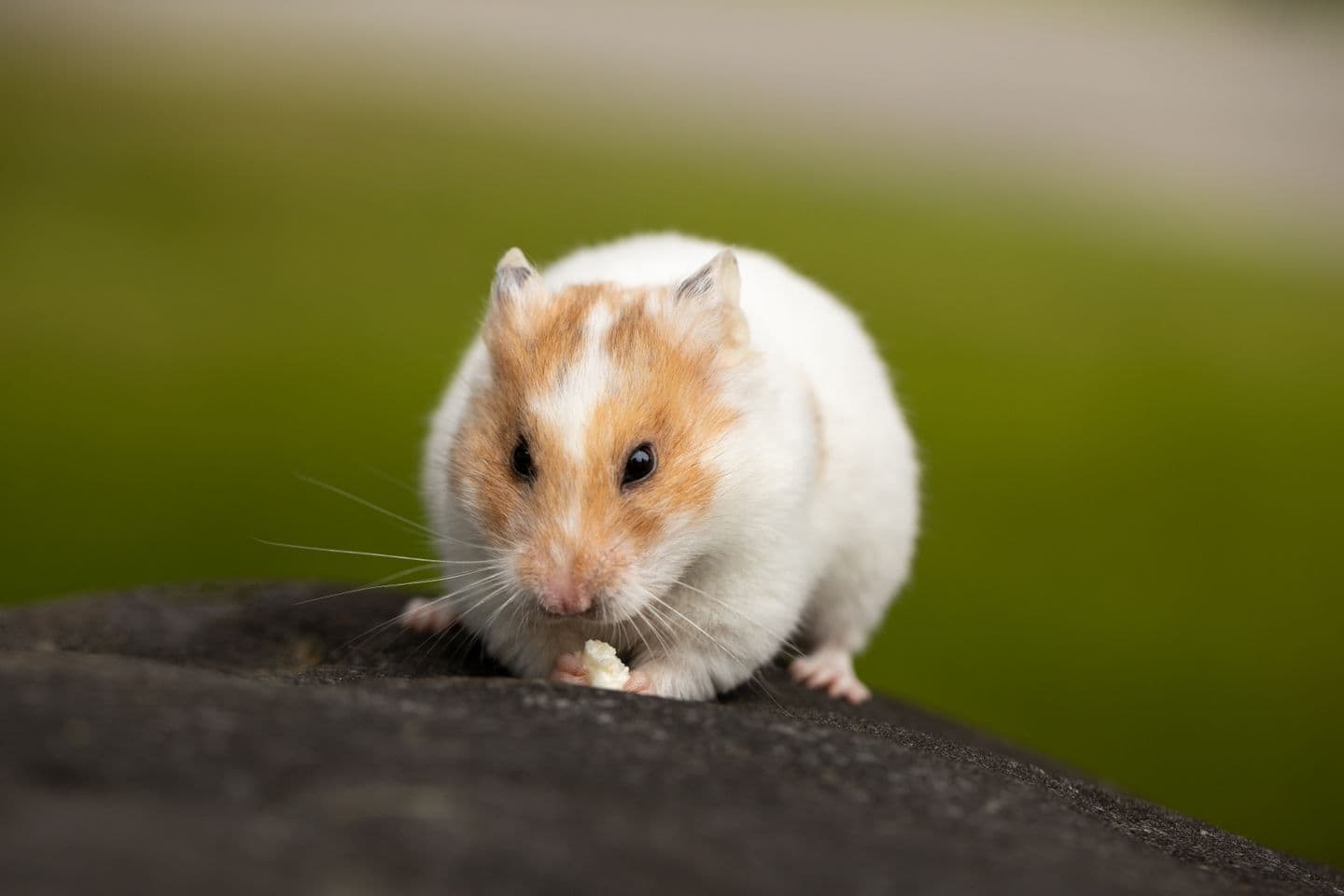
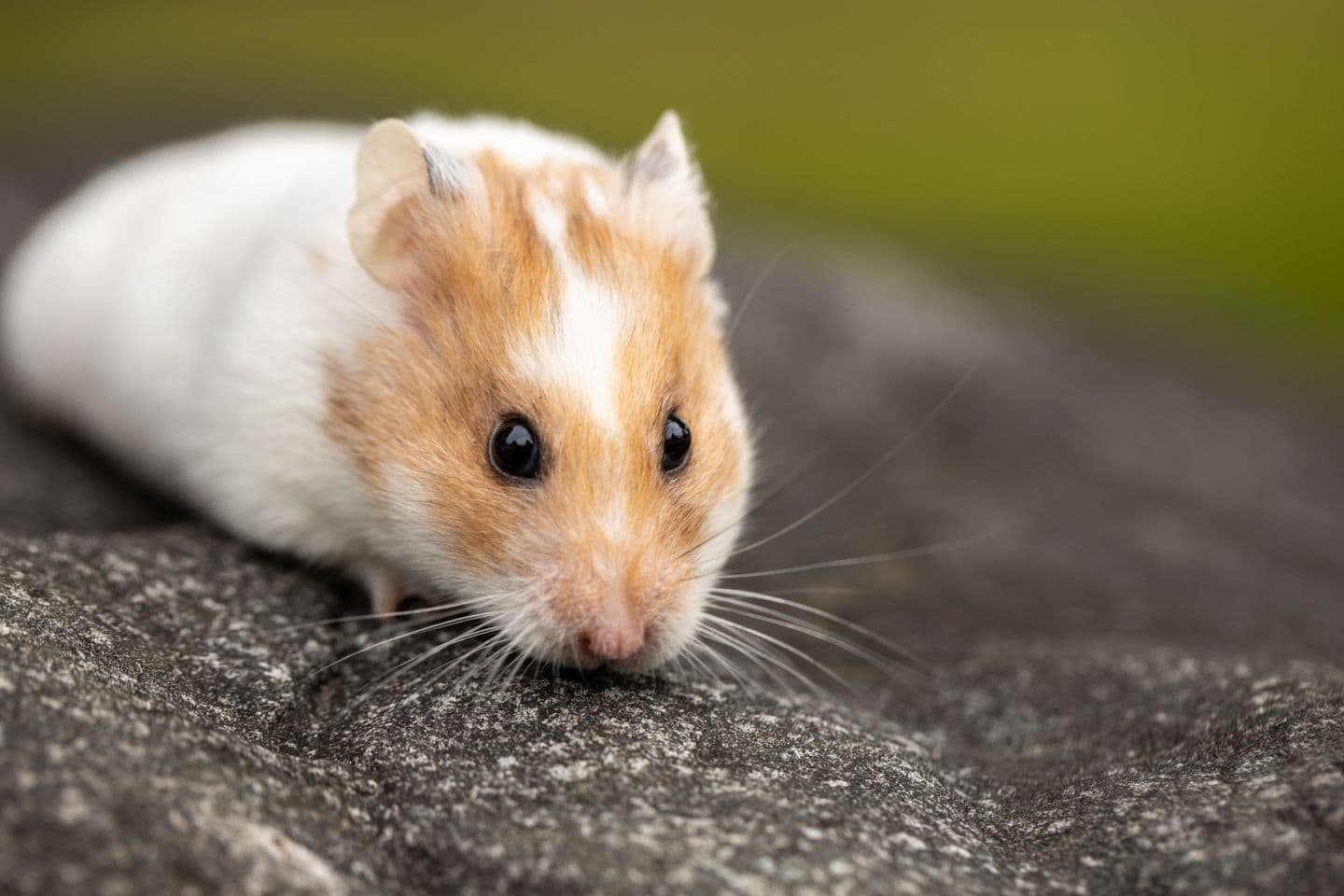
In the wild, hamsters travel long distances every night searching for food. In a cage, that instinct does not disappear, it needs an outlet, or you end up with a bored, sometimes destructive hamster.
Keeping a naturally active, curious animal from getting bored.
In the wild, hamsters travel long distances every night searching for food. In a cage, that instinct does not disappear, it needs an outlet, or you end up with a bored, sometimes destructive hamster.
Movement
A solid exercise wheel, correctly sized so your hamster's back does not arch while running.
A secure, supervised playpen for out-of-cage exploration.
Tunnels and tubes that mimic natural burrowing paths.
Chewing
Untreated wooden chew blocks or chew sticks, essential since a hamster's front teeth grow continuously.
Cardboard tubes from kitchen rolls, a free and effective enrichment item.
Digging and foraging
Deep bedding that allows real burrowing, not just a shallow layer.
Scatter feeding a portion of the daily food mix into the bedding so your hamster has to forage for it, closer to natural behaviour than a bowl.
A sand bath, particularly appreciated by dwarf hamster species.
Rotating enrichment
Swap toys and rearrange tunnels every couple of weeks to keep the environment interesting. A hamster that has explored every inch of a static cage layout for months will show its boredom through repetitive behaviours like excessive bar biting or pacing.
Simple homemade enrichment ideas
A small cardboard box with holes cut into it, stuffed loosely with plain paper for a digging challenge.
A shallow dish of clean play sand or chinchilla sand for a dust bath, refreshed regularly.
Food hidden inside a toilet roll tube with the ends folded shut, for a simple forage puzzle.
Homemade items are a useful, low-cost way to add variety between purchases, as long as materials are plain, untreated, and free of ink, glue, or tape that the hamster could chew and swallow.
Taming a hamster is less about training tricks and more about building enough trust that it feels safe around you. Done patiently, most hamsters become comfortable being handled within a few weeks.
A hamster's diet in the wild is remarkably varied, seeds, grains, the occasional insect, and vegetation. In captivity, a good commercial mix does most of the work, but understanding what it should con
Hamsters look like the easiest pet in the world. Small cage, small body, small appetite. That reputation is only half true. They are low maintenance compared to a dog or cat, but they are not a toy, a