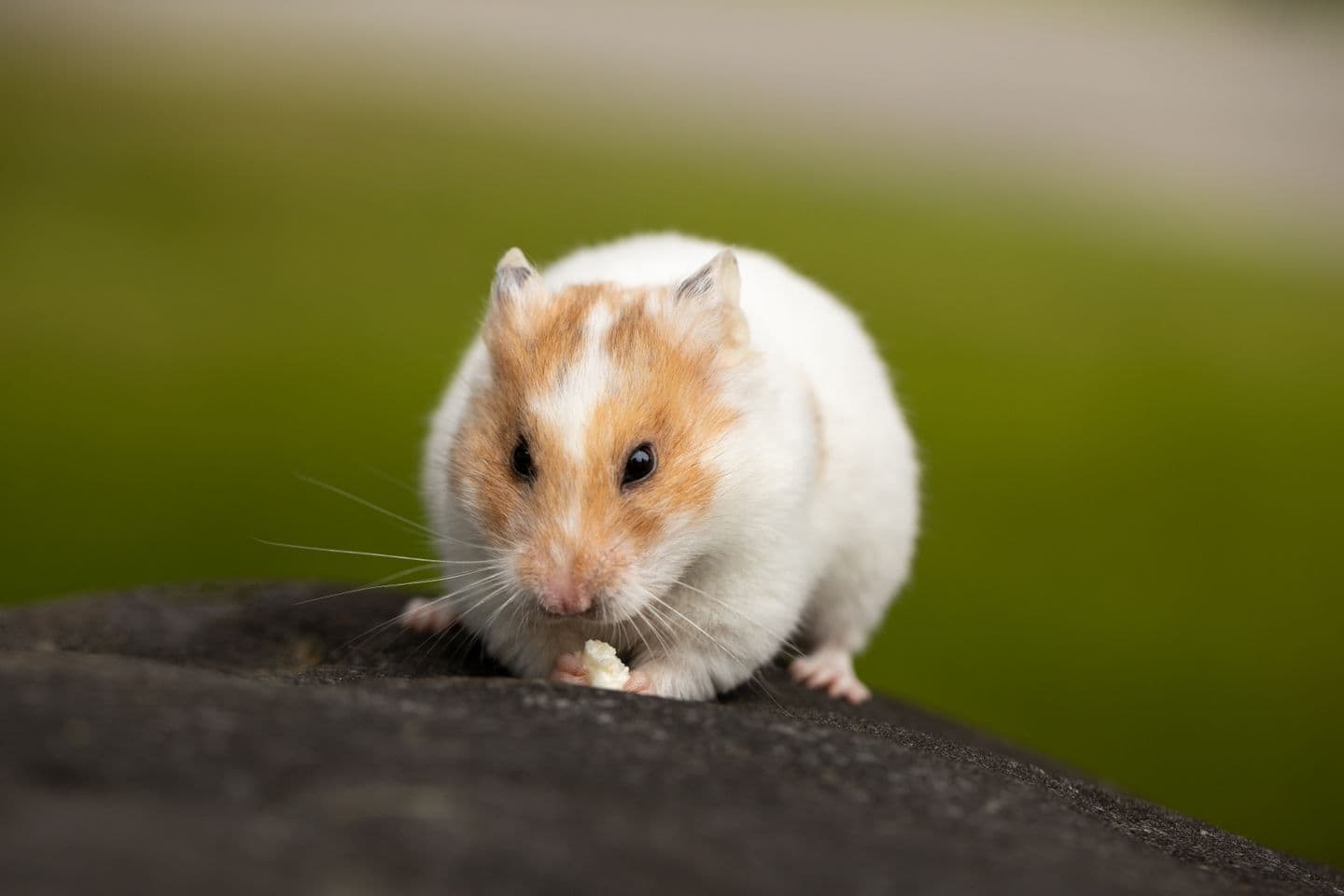
Caring for a Dwarf Hamster: What Makes Them Different
Dwarf hamsters, which include Campbell's, Winter White, and Roborovski hamsters, are smaller, faster, and in some ways more delicate than the Syrian hamster most people picture. Their care overlaps wi
Dwarf breeds need a few adjustments compared to the larger Syrian hamster.
Dwarf hamsters, which include Campbell's, Winter White, and Roborovski hamsters, are smaller, faster, and in some ways more delicate than the Syrian hamster most people picture. Their care overlaps with Syrian care in the basics, but a few things need special attention.
Housing considerations
Dwarf hamsters can slip through bar spacing that would safely hold a Syrian, so choose a cage with narrower bar gaps or a glass or plastic tank instead. They are also faster and more prone to escaping during handling, so keep sessions close to the ground.
Social needs
Unlike Syrians, some dwarf species, particularly Campbell's and Winter Whites, can sometimes be kept in same-sex pairs if introduced young and watched closely for aggression. This is not guaranteed to work, and any sign of fighting means separating them immediately. Robowskis are best kept solo unless you have specific breeding or experienced-owner guidance.
Diet differences
Dwarf hamsters are more prone to diabetes than Syrians, especially Campbell's hamsters. Keep sugary fruit as an occasional treat rather than a regular feature, and choose a commercial mix formulated for dwarf hamsters where available.
Handling
Their small size and speed mean dwarf hamsters need extra patience during taming. Many owners find dwarfs are best enjoyed as animals to watch and interact with inside a secure space, rather than handled as frequently as a Syrian.
Lifespan and health watch
Dwarf hamsters typically live one and a half to two years, slightly shorter than Syrians. Keep an eye on excessive drinking or urination, an early sign of diabetes in this group, and consult an exotic vet promptly if you notice it.
Cage placement for a fast, small pet
Because dwarf hamsters move so quickly, it helps to set up their cage in a spot with a clear, obstacle-free floor beneath it, in case of an accidental drop or escape during handling, and to always close doors to the room during out-of-cage time.
Taming a hamster is less about training tricks and more about building enough trust that it feels safe around you. Done patiently, most hamsters become comfortable being handled within a few weeks.
A hamster's diet in the wild is remarkably varied, seeds, grains, the occasional insect, and vegetation. In captivity, a good commercial mix does most of the work, but understanding what it should con
Hamsters look like the easiest pet in the world. Small cage, small body, small appetite. That reputation is only half true. They are low maintenance compared to a dog or cat, but they are not a toy, a