The word hamster comes from a German word meaning to hoard, a nod to one of their most defining features, the expandable cheek pouches that let them carry food far larger than their mouth would otherw
One of the most distinctive, and useful, features of a hamster's body.
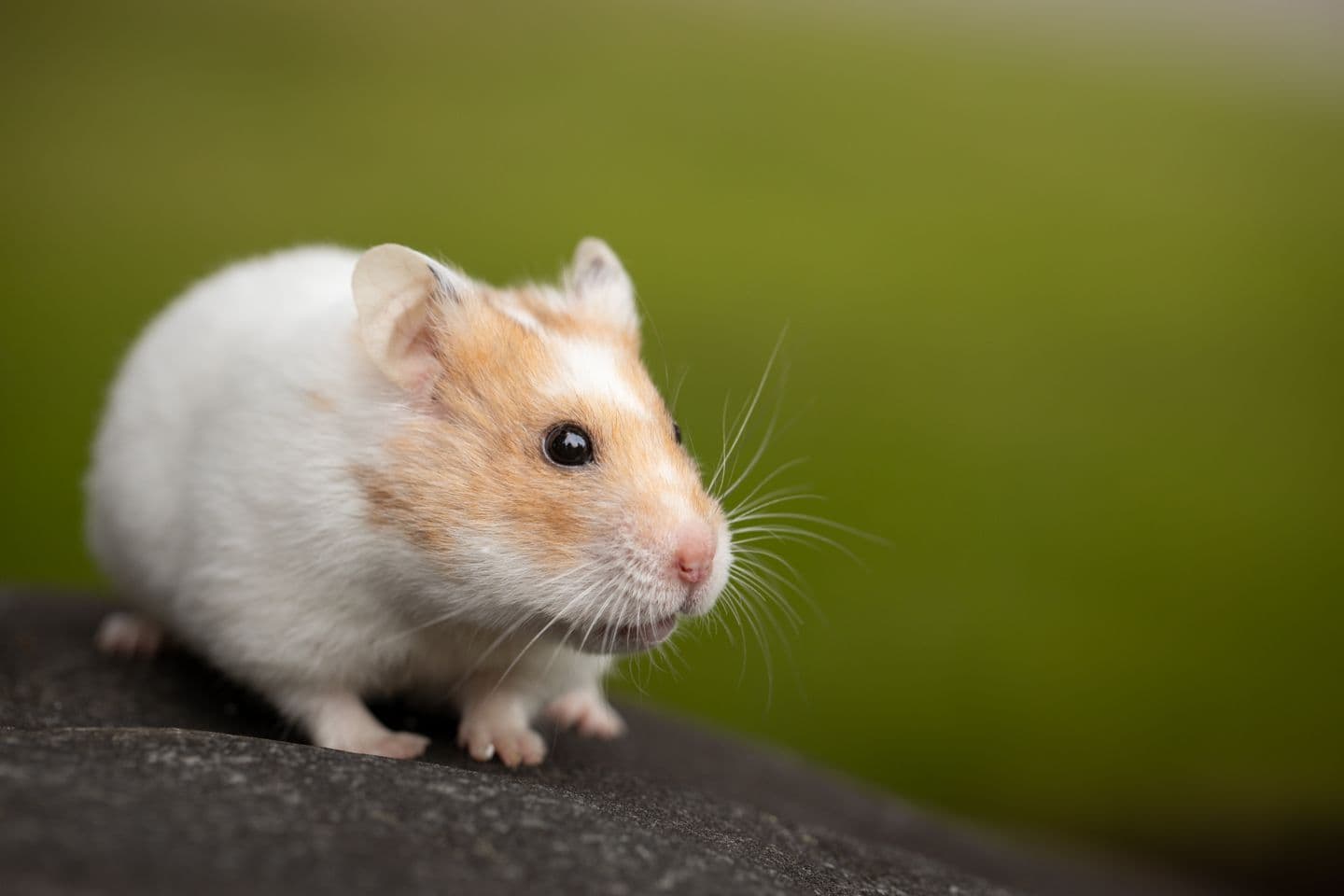
The word hamster comes from a German word meaning to hoard, a nod to one of their most defining features, the expandable cheek pouches that let them carry food far larger than their mouth would otherwise allow.
How they work
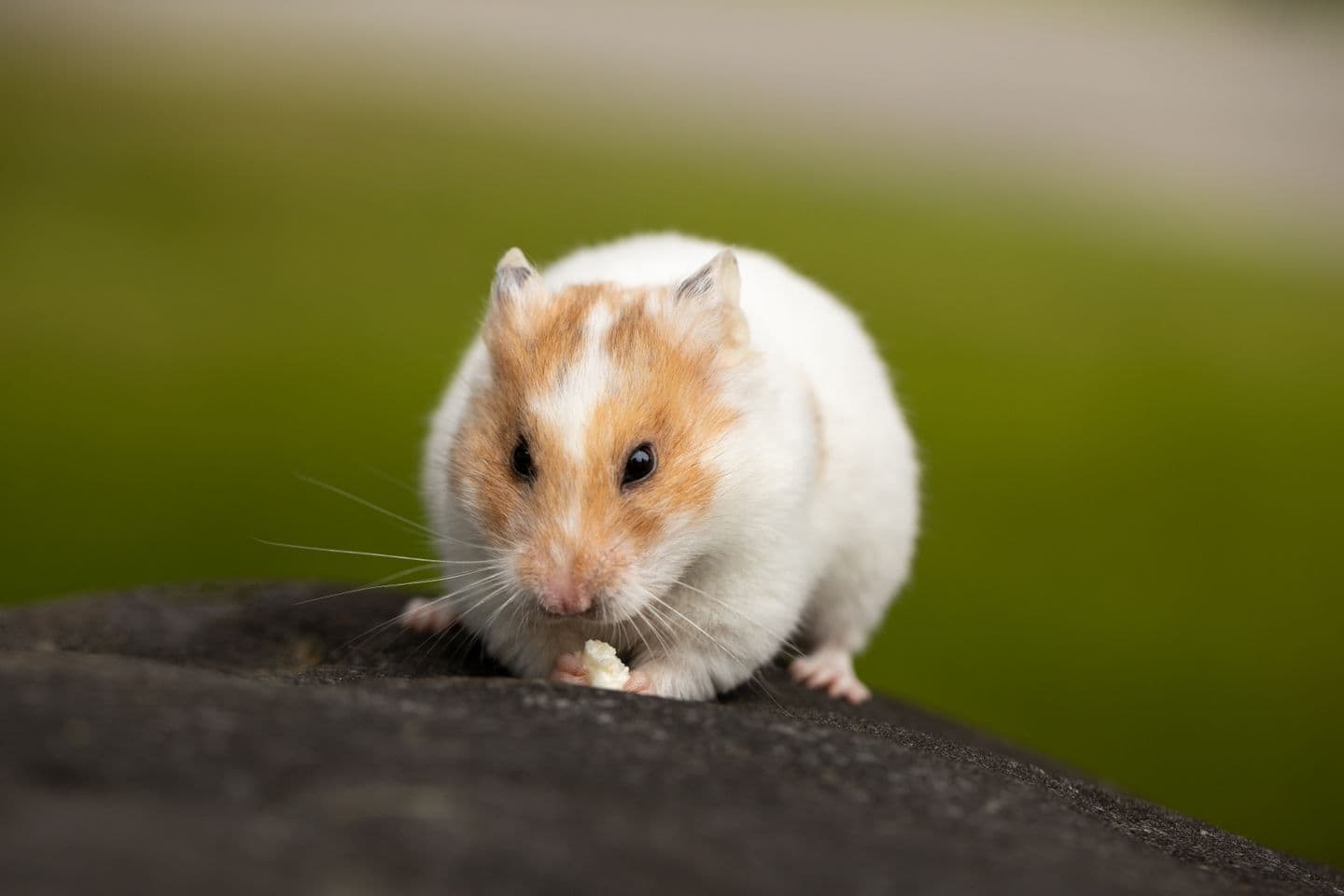
The pouches are elastic pockets that run from the cheeks back toward the shoulders, and they can stretch remarkably, sometimes to the point where a hamster's head looks almost double its normal size. Hamsters use them to carry food back to their hideout, where it is stored for later, a survival instinct from the wild.
Why this matters for feeding
Since hamsters stockpile food in their hideout rather than eating everything immediately, an empty food bowl does not necessarily mean your hamster is hungry. Check the hideout periodically and clear out any old, spoiled food, particularly fresh vegetables or fruit that can rot if left too long.
When cheek pouches signal a problem
Occasionally a cheek pouch can become impacted or, rarely, prolapse, appearing as unusual swelling or tissue near the mouth. If a pouch looks stuck, swollen, or your hamster seems distressed while eating, this needs an exotic vet's attention promptly, rather than waiting it out.
What can cause pouch problems
Sharp or fibrous foods that scratch the delicate pouch lining.
Sticky foods that can gum the pouch closed if not properly chewed first.
Overstuffing with too much dry mix at once, particularly in a stressed or overeager hamster.
A fun thing to watch for
Most owners find watching a hamster stuff its cheeks at feeding time genuinely delightful, it is one of the small daily moments that make keeping a hamster so entertaining.
Taming a hamster is less about training tricks and more about building enough trust that it feels safe around you. Done patiently, most hamsters become comfortable being handled within a few weeks.
A hamster's diet in the wild is remarkably varied, seeds, grains, the occasional insect, and vegetation. In captivity, a good commercial mix does most of the work, but understanding what it should con
Hamsters look like the easiest pet in the world. Small cage, small body, small appetite. That reputation is only half true. They are low maintenance compared to a dog or cat, but they are not a toy, a